Foundations
Foundation Problems vs. Settling: How to Tell the Difference
Normal foundation settling is gradual, minor, and stabilizes within a few years of construction. Foundation problems, by contrast, involve ongoing movement, worsening cracks, or structural damage that requires professional repair. The key difference: settling stops on its own; foundation problems don’t.
Find the best foundations pros in your area.

The Modernize Mission
We help homeowners make confident decisions through our reliable, up-to-date, and unbiased information and average project costs. All of our content is thoroughly reviewed and fact-checked by our team of home improvement experts. Learn more about how we maintain these values.
Table of Contents
- What Is Foundation Settling?
- What Are Foundation Problems?
- Foundation Settling vs. Foundation Problems: What's the Difference?
- Signs Your Home Is Experiencing Normal Settling
- Warning Signs of Serious Foundation Problems
- Is This Crack From Settling or a Foundation Issue?
- When Should You Worry About Foundation Settling?
- How to Monitor Foundation Movement Over Time
- What to Do if You're Not Sure
- Can Foundation Settling Turn Into a Bigger Problem?
- How Foundation Problems Are Fixed vs. Settling Issues
- How to Prevent Foundation Problems in the Future
- Frequently Asked Questions About Foundation Settling vs. Problems
What Is Foundation Settling?
Foundation settling happens when your home slowly adjusts to the ground below. After your house is built, the soil underneath compresses and shifts a bit under the weight.
Almost every home settles a little, especially in the first few years. Usually, this settling is minor, expected, and nothing to worry about.
It’s similar to how a new couch cushion flattens a bit over time. Some change is normal. The important thing is whether the change stays small or starts to point to a bigger issue.
What Is Normal Foundation Settling?
Normal settling is slow, minor, and stabilizes over time. It typically happens within the first few years after a home is built, though small adjustments can continue beyond that.
Most homeowners notice subtle cosmetic changes, such as:
- Hairline cracks in drywall or plaster
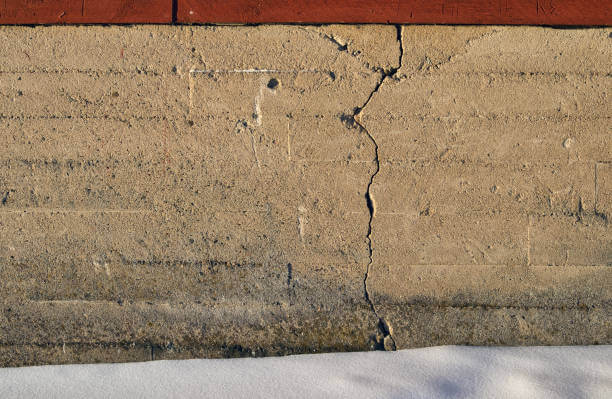
- Small vertical cracks in the foundation
- Doors or windows that stick slightly, especially seasonally
- Minor gaps around trim or molding
These changes might seem worrying at first, but they are usually harmless. What matters most is that they do not keep getting worse.
If cracks remain small and do not spread, and doors or windows do not get harder to use, it is probably just normal settling.
What Causes Foundation Settling?
Settling happens because the ground under your home is not completely solid. Over time, it compresses and shifts due to changes in weight and the environment.
Common causes include:
- Soil compaction after construction: Loose soil settles once the home is built on top of it
- Moisture changes: Soil expands when wet and shrinks when dry, especially in clay-heavy areas
- Seasonal weather cycles: Repeated wet and dry periods cause gradual movement
- Construction factors: How well the soil was prepared before building affects how much settling occurs
Most of the time, these changes are temporary and resolve on their own. Issues usually come up only if the movement is uneven, keeps happening, or becomes excessive.
What Are Foundation Problems?
Foundation problems are more serious than normal settling. They involve ongoing movement, stress, or damage that can affect your home’s stability.
The main difference is that settling slows down and stops, but foundation problems usually get worse if you do not fix them.
Instead of small cosmetic changes, foundation issues often show up as:
- Cracks that widen or spread
- Walls that bow or shift
- Floors that slope or feel uneven
- Doors and windows that stop working properly
Foundation problems are usually caused by outside forces that keep affecting your home, not just a one-time adjustment like settling.
In short:
- Settling is normal and expected.
- Foundation problems are active and need attention.
If you are unsure which one you are dealing with, the next sections will help you compare the signs side by side.
Foundation Settling vs. Foundation Problems: What’s the Difference?
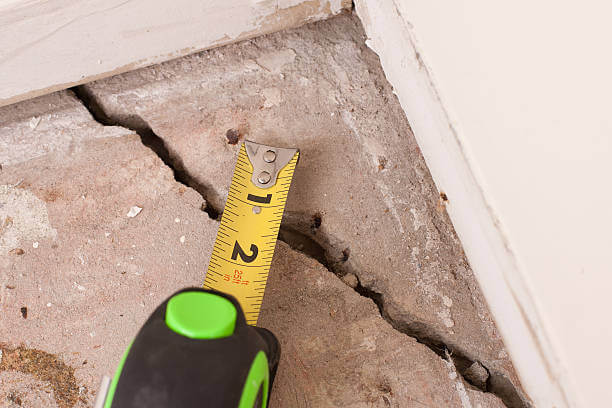
Settling and foundation problems can look alike at first. Both may cause cracks or small shifts in your home. The real difference is how severe they are, what causes them, and whether things are getting worse.
Here is the simplest way to think about it:
- Settling is gradual, expected, and usually stops.
- Foundation problems are ongoing, uneven, and tend to worsen.
To figure out which one you have, pay attention to what you actually see happening in your home.
Differences In Symptoms Homeowners Notice
The best clues are what you can see. How things look and change over time is what matters most.
Signs more likely tied to normal settling:
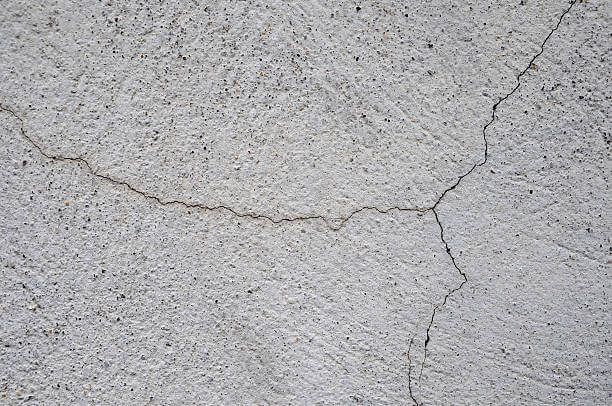
- Thin, vertical cracks in walls or the foundation
- Small gaps around doors or windows
- Occasional sticking doors that improve with seasonal changes
- Minor, consistent changes that do not spread
Signs more likely tied to foundation problems:
- Cracks that are widening, spreading, or reappearing after repair
- Horizontal or stair-step cracks in foundation walls
- Doors and windows that suddenly will not close or latch
- Sloping or uneven floors
- Gaps forming between walls, ceilings, or floors
Differences In Underlying Causes
The underlying cause is another major difference between settling and foundation problems.
Settling is usually caused by:
- Soil naturally compressing after construction
- Minor moisture fluctuations
- One-time adjustments as the home settles into place
Foundation problems are usually caused by:
- Poor drainage or water buildup around the home
- Expansive or unstable soil that keeps shifting
- Tree roots pulling moisture from the soil
- Plumbing leaks under the foundation
- Hydrostatic pressure pushing against foundation walls
The main difference is that settling happens once and then slows down, while foundation problems are caused by forces that keep putting stress on your home.
Differences in Risk and Urgency
Not every crack or shift needs to be fixed right away. Knowing when to act helps you avoid extra worry or waiting too long.
Settling (low urgency):
- Mostly cosmetic
- Rarely affects structural integrity
- Can often be monitored over time
- Repairs are usually minor, such as patching, repainting, or adjustments
Foundation problems (higher urgency):
- Can affect structural stability
- Tend to worsen if ignored
- May lead to costly repairs if delayed
- Often require professional evaluation
A helpful rule is this: If the issue is small and stable, monitor it. If it is growing or affecting how your home functions, it is time to act.
Signs Your Home Is Experiencing Normal Settling
If you are seeing changes in your home, there is a good chance they fall into the normal settling category. Many homes show these signs, especially within the first few years.
Common indicators of normal settling include:
- Hairline cracks in drywall, especially near doors and windows
- Small vertical cracks in the foundation, typically less than 1/8 inch wide
- Minor nail pops in walls or ceilings
- Slight sticking of doors or windows during seasonal changes
- Tiny gaps between trim and walls
These problems are usually:
- Small in size
- Limited to a few areas
- Not getting worse over time
One of the best signs is consistency. If a crack does not change month after month, it is probably just your home settling.
Still, it is smart to keep an eye on things. Take photos or mark cracks with a pencil to see if they change. Watching for changes can give you peace of mind and help you spot problems early.
Warning Signs of Serious Foundation Problems
Some signs go beyond normal settling and point to real structural concerns. These are the issues homeowners should take seriously, especially if they appear suddenly or continue to worsen.
Watch for these red flags:
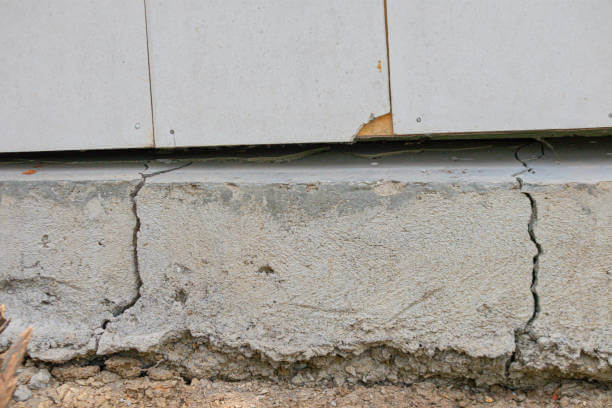
- Horizontal cracks in foundation walls
- Stair-step cracks in brick or block foundations
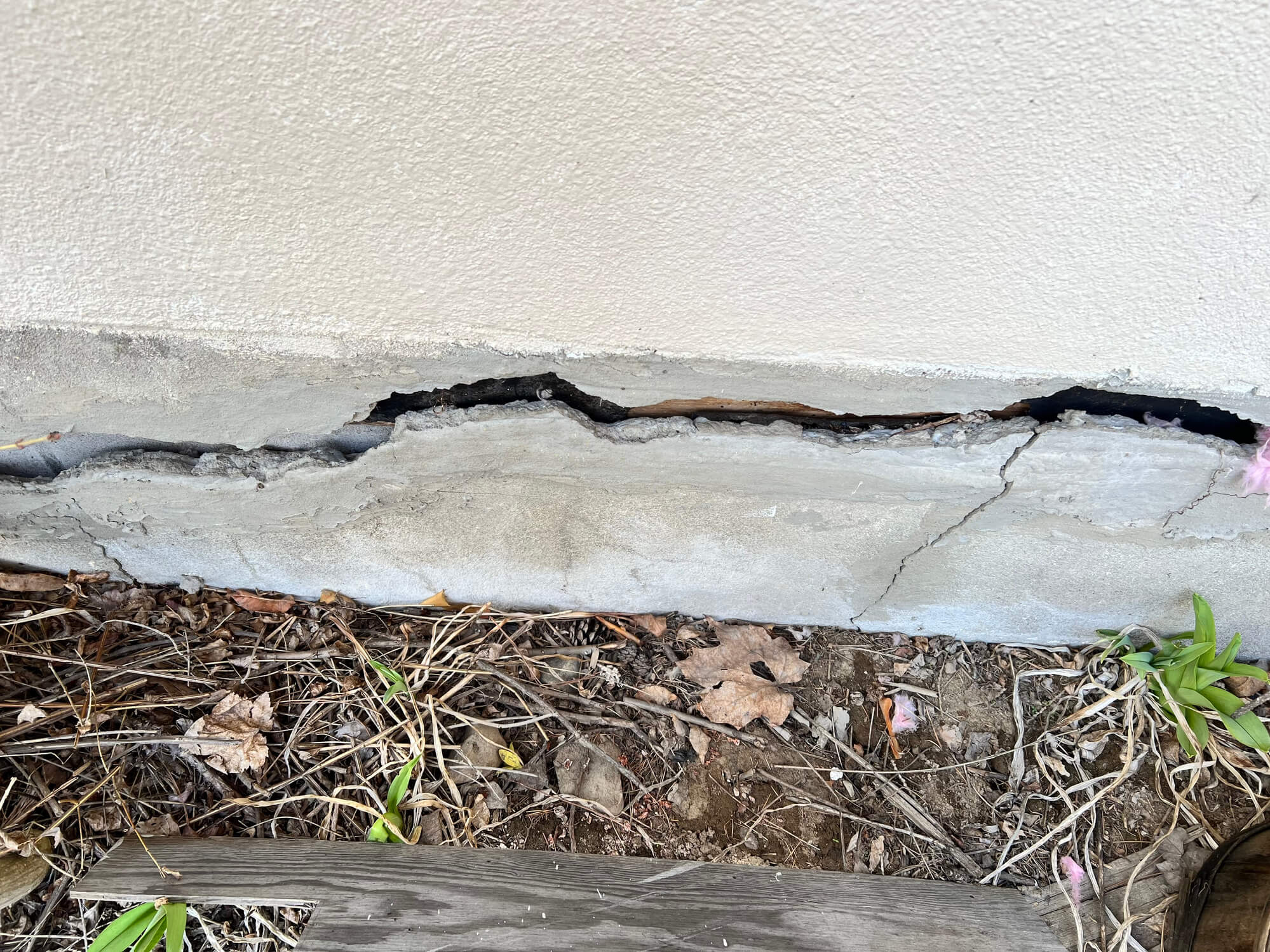
- Cracks wider than 1/4 inch or cracks growing over time
- Bowing or leaning walls
- Floors that feel sloped or uneven
- Doors and windows that will not open or close at all
- Gaps widening between walls, ceilings, or floors
- Water seeping through cracks or damp basement walls
The main difference from normal settling is that these problems get worse. They spread, widen, or start to affect more parts of your home.
If you see several warning signs at the same time, or notice movement or water issues, it is a good idea to call a professional for an inspection.
Is This Crack From Settling or a Foundation Issue?
Not every crack means the same thing. You can usually figure out what is going on by checking the size, direction, and location of the crack. Here is a simple way to evaluate cracks at home.
Likely settling-related cracks:
- Thin, from hairline to 1/8 inch
- Vertical or slightly diagonal
- Found in drywall or poured concrete walls
- Not changing over time
More concerning cracks:
- Wider than 1/4 inch
- Horizontal or stair-step patterns
- Found in foundation walls or exterior brick
- Getting longer, wider, or more noticeable
Location matters too:
- Cracks near doors and windows are often from normal movement
- Cracks running across foundation walls or along mortar joints can signal pressure or shifting
If you are not sure, take a photo and watch the crack for a few weeks. If it changes, that is a sign you should look into it more.
When Should You Worry About Foundation Settling?
Even normal settling can become a problem if it becomes excessive or happens unevenly. The important thing is to know when normal changes turn into something more serious.
You should start to worry if you notice:
- Cracks widening beyond 1/8 to 1/4 inch
- New cracks appearing frequently
- Existing cracks spreading or branching
- Doors and windows becoming progressively harder to use
- Floors developing a noticeable slope
- Repeated repairs that do not hold
Timing matters too. Settling usually happens in the first few years after a home is built. If your house is older and you notice new or worsening problems, it is more likely a foundation issue.
A good rule of thumb:
- Stable and unchanged = monitor
- Growing or spreading = investigate
If something does not seem right or keeps getting worse, it is a good idea to have a professional check it out. Finding problems early can save you money and stress later.
How to Monitor Foundation Movement Over Time
If you are unsure whether it is normal settling or something more serious, start by monitoring it. This helps you see whether things stay the same or get worse.
You do not need any special tools. Simple steps work just fine:
- Mark the crack: Use a pencil or small piece of tape at each end to see if it grows
- Measure the width: Write down the size or take a photo with a ruler for reference
- Take photos regularly: Check every one to three months and compare
- Watch nearby areas: Doors, windows, and floors often change along with foundation movement
The main thing to watch for is change over time.
- If nothing changes, it is likely settling.
- If cracks widen, spread, or new ones appear, it is a sign of ongoing movement.
By keeping track, you will know whether you can wait or if you should call a professional.
What to Do if You’re Not Sure
It is normal to feel unsure. Foundation problems can be confusing, especially if you have not dealt with them before.
If you are on the fence, here is a practical approach:
- Start by monitoring for a few weeks or months
- Document what you see with notes and photos
- Get multiple opinions if you decide to call a contractor
For peace of mind, you can also schedule:
- A foundation contractor inspection for a general evaluation
- A structural engineer assessment if you want a more detailed, unbiased opinion
Getting an inspection usually costs much less than repairs, and it can help you avoid extra work or catch a real problem early.
Can Foundation Settling Turn Into a Bigger Problem?
Yes, settling can turn into a bigger problem, but not always. Most of the time, it stops on its own. The real concern is if it keeps going or becomes uneven.
Settling can turn into a bigger issue if:
- Soil continues to shift due to moisture changes or poor drainage
- Water collects around the foundation and weakens the soil
- The home settles unevenly instead of uniformly
- Small cracks are ignored while movement continues
Over time, what starts as minor settling can lead to:
- Larger cracks in the foundation and walls
- Sloping floors or structural imbalance
- Water intrusion through expanding gaps
The good news is you can usually spot early signs. If you keep an eye on your home and act when things change, you can often stop small settling from becoming a major repair.
How Foundation Problems Are Fixed vs. Settling Issues
How you fix the problem depends on what is causing it. Minor settling usually needs only simple surface fixes, but real foundation problems need structural repairs.
For normal settling:
- Patching small cracks in drywall or the foundation
- Repainting or sealing cosmetic damage
- Adjusting doors, windows, or trim
- Filling hairline foundation cracks with sealant
These fixes are usually quick and low-cost since they do not affect the main structure.
For foundation problems:
- Installing piers or underpinning to stabilize and lift the home
- Adding or improving drainage systems to control water
- Using wall anchors or braces for bowing walls
- Injecting materials to stabilize soil or fill voids
These repairs address the root cause, not just what you can see. They take more work, but they are needed to stop the problem from continuing.
If you are not sure which type of problem you have, a professional inspection can tell you whether you need a simple fix or a larger repair.
How to Prevent Foundation Problems in the Future
You cannot stop settling completely, but you can lower the risk of serious foundation problems by managing moisture and soil around your home.
Focus on these key areas:
- Maintain proper drainage: Make sure water flows away from your foundation, not toward it
- Keep gutters and downspouts clear: Extend downspouts at least 5 to 10 feet from your home
- Control soil moisture: Avoid letting the soil get too dry or too saturated
- Fix leaks quickly: Plumbing leaks under or near your foundation can cause major issues
- Watch landscaping: Large trees near your home can pull moisture from the soil and cause shifting
Being consistent is more important than being perfect. Small, regular maintenance can help prevent the problems that lead to costly foundation repairs.
Connect with the best foundation repair pros in your area to get quotes and compare prices.