
No Local Pros Yet
...but we're always adding new contractors and can let you know when one's ready to connect.
Get Matched by Modernize
-
 Share details about your home project
-
 Quickly connect with top-rated local pros.
-
 Compare quotes and choose the best fit.
What Local Siding Contractors Do
Siding contractors install, repair, and replace the exterior cladding on your home. Common services in Quincy include:- Full siding replacement
- Partial siding repair and panel replacement
- Fiber cement and Hardie board installation
- Cedar and wood siding installation and repair
- Engineered wood siding installation
- Vinyl siding installation
- House wrap and moisture barrier installation
- Mold and moisture remediation behind siding
- Trim, soffit, and fascia replacement
- Caulking and sealing
What California's Climate Means for Siding
California has a hot-summer Mediterranean climate with average humidity around 67% and annual rainfall of 20 inches. Persistent moisture — rather than heat or cold extremes — is the primary siding challenge here. Wood siding that isn't meticulously maintained can develop rot within a few years in wet climates; even vinyl and fiber cement can trap moisture behind panels if house wrap and flashing aren't installed correctly. Fiber cement is the most popular choice in California for this reason: it resists moisture, doesn't rot, and holds paint well in damp conditions. The most common siding materials in California are fiber cement and stucco.How Much Does Siding Cost in Quincy?
The average siding installation in California runs $7.90 per sq ft, or about $18,960 for a typical two-story home. Labor costs in major metros like Seattle, Portland, and the Bay Area tend to sit toward the higher end of local ranges.| Material Tier | Cost per Sq Ft in California |
|---|---|
| Low (vinyl, basic fiber cement) | $5.90–$7.90 |
| Mid (cedar, engineered wood, higher fiber cement) | $8.60–$13.90 |
| High (natural stone, premium wood) | $17.20–$39.60 |
Signs It's Time to Replace Your Siding in Quincy
- Soft spots, rot, or discoloration in wood or engineered wood panels
- Mold or moss growth on the surface or visible behind panels
- Gaps at seams, corners, or window trim where moisture can enter
- Paint that's peeling or failing faster than it should
- Water stains on interior walls near exterior surfaces
- Your siding is more than 20–30 years old
Why Hire a Licensed Siding Contractor in Quincy
In California's wet climate, the difference between a good and a poor siding installation often comes down to what's behind the panels — house wrap laps, flashing details, and drainage gaps that don't show up until moisture damage is already underway. A licensed contractor knows local code, carries liability insurance, and can qualify your installation for manufacturer warranties. Always verify license and insurance before work begins. For more on siding costs in California, see Modernize's siding cost calculator.Frequently Asked Questions
Related Cost Guides & Articles
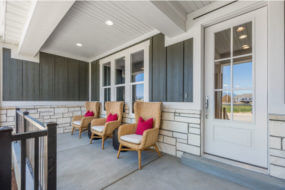
Siding
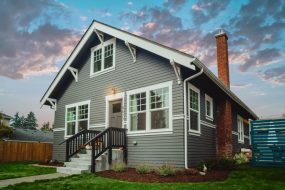
5 Tips For Negotiating Cost with Siding Contractors
Other than an all-out catastrophe in your region, there are various reasons it is important to check your siding on a regular basis to avoid the need for emergency siding work. While it is normal to upgrade siding after an emergency, homeowners should prioritize being prepared for an emergency in the first place or simply…
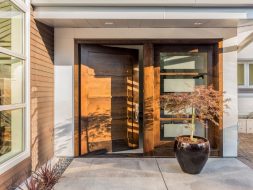
Siding
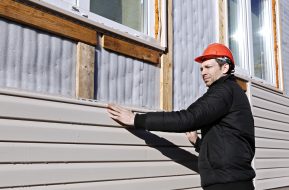
Installing new siding on a home is a significant home improvement project— not just aesthetically but for a home’s preservation. As noted in our Siding Replacement guide, the job is labor intensive and shouldn’t be taken lightly. This is why getting a siding permit is a crucial step in the process. When it is time…
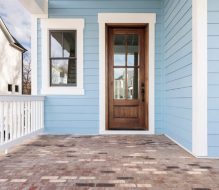
Windows
Should I Replace Windows and Siding at the Same Time?
Home renovations can be both exciting and overwhelming, especially when it comes to making decisions about major exterior updates. Among the most common dilemmas homeowners face is whether to replace windows and siding concurrently. Tackling both projects simultaneously might seem like a hefty undertaking, but it can also present unique advantages in terms of efficiency,…
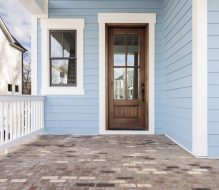
Siding
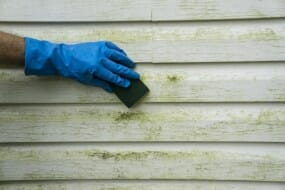
Next time you walk through your neighborhood, count how many homes use vinyl siding—you might be surprised by the number. Vinyl siding remains popular in the United States for its affordability, durability, and reliable home protection. Its eye-catching design, resembling a wooden clapboard, adds to its appeal. However, just because many homeowners choose it doesn’t…
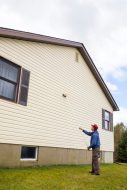
Siding
Its long-lasting durability is just one reason why vinyl siding is such a popular choice among homeowners. The sturdy exterior handles harsh weather with ease, and it is resistant to direct sunlight, which makes it an efficient and cost-effective material. Although this power material is known to last for decades, it still needs a bit of…