Plumbing
How Much Does it Cost to Repair a Frozen Pipe?
Frozen pipe repairs typically cost between $150 and $5,000, with most homeowners paying around $500. Costs depend on whether the pipe is simply frozen or has burst, as well as the pipe’s location and material. Knowing what to expect can help you act quickly and avoid costly water damage during cold weather.
Find the best pros for your frozen pipes!

The Modernize Mission
We help homeowners make confident decisions through our reliable, up-to-date, and unbiased information and average project costs. All of our content is thoroughly reviewed and fact-checked by our team of home improvement experts. Learn more about how we maintain these values.
Table of Contents
- Frozen Pipe Repair and Replacement Costs
- Key Points
- Frozen Pipe Repair Costs
- Frozen Pipe Repair Costs by Pipe Material
- Frozen Pipe Repair Costs by Location
- Additional Costs Associated With Frozen Pipes
- Factors That Affect Frozen Pipe Repair Costs
- Can You Repair a Frozen Pipe Yourself?
- When Does Frozen Pipe Repair Become Replacement Territory?
- Does a Home Warranty Cover Frozen Pipe Repairs?
- Frequently Asked Questions
- Bottom Line
Frozen Pipe Repair and Replacement Costs
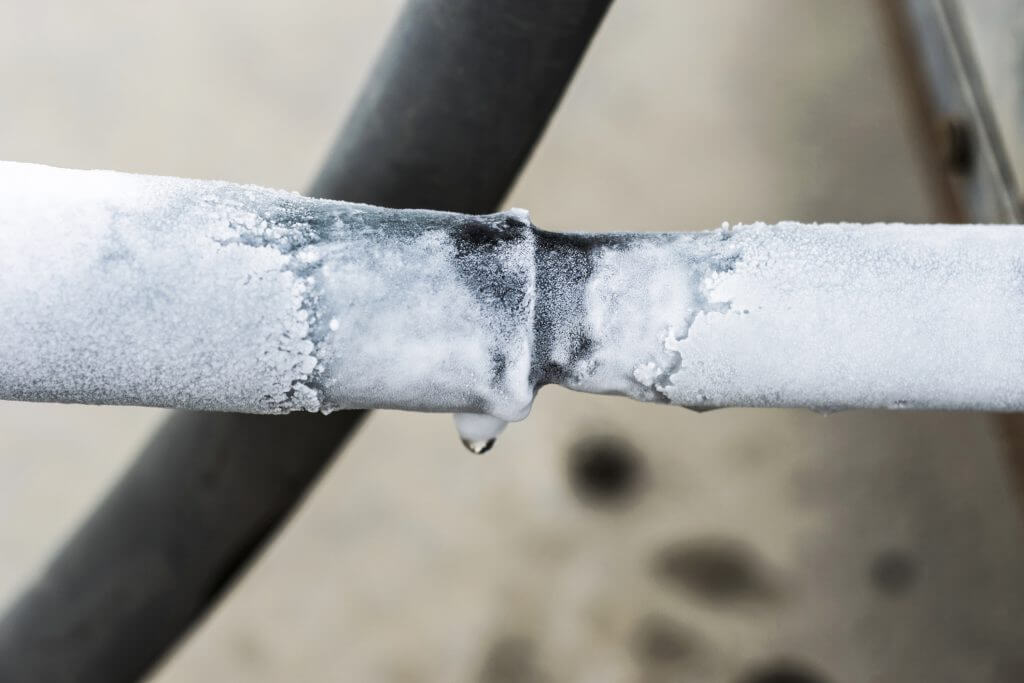
If you live in an area with cold winters, frozen pipes are a common — and potentially expensive — problem. When water freezes inside a pipe, it expands, which can lead to cracks, leaks, or full pipe bursts. The result can be disrupted water service, higher water bills, and costly repairs.
Understanding frozen pipe repair and replacement costs can help you act quickly and choose the most cost-effective solution for your home.
Key Points
- The average cost to repair frozen or burst pipes is around $500
- Repair and replacement costs depend on pipe material, location, and damage severity
- Total costs typically range from $150 to $5,000 or more
Frozen Pipe Repair Costs
Most homeowners can expect to pay between $150 and $5,000 to repair frozen pipes. While the national average is about $500, actual costs vary based on accessibility, labor rates, and whether the pipe has burst.
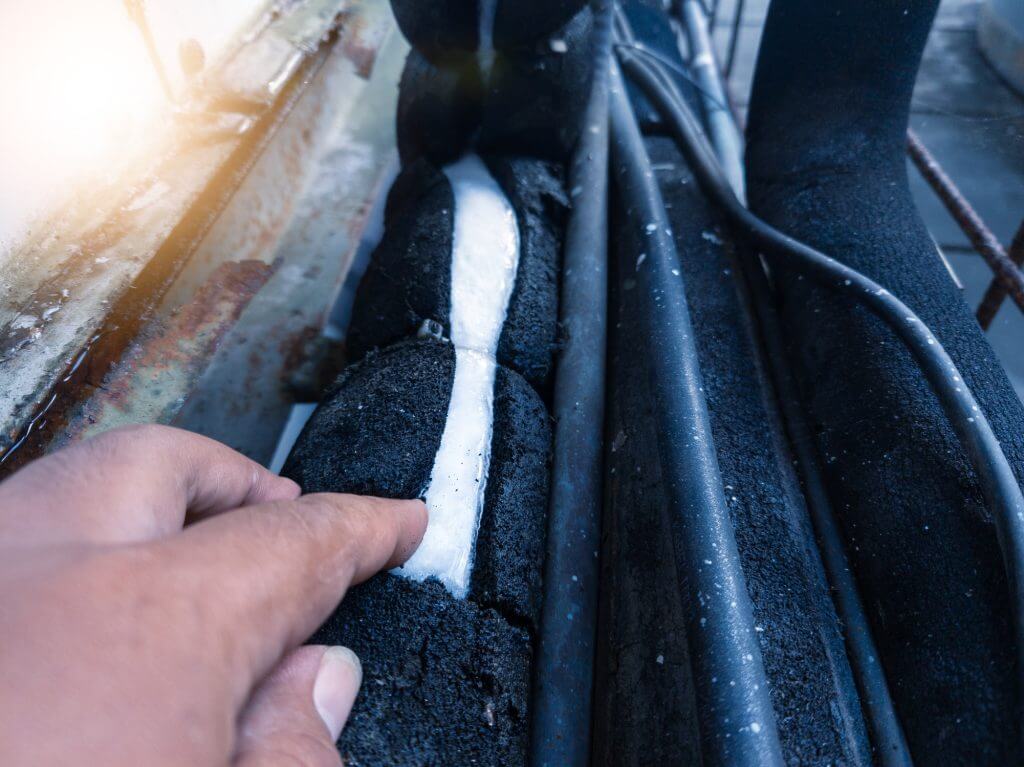
If a pipe is frozen but not damaged, a plumber may only need to thaw it. Thawing services typically cost $100 to $200 when pipes are easy to access.
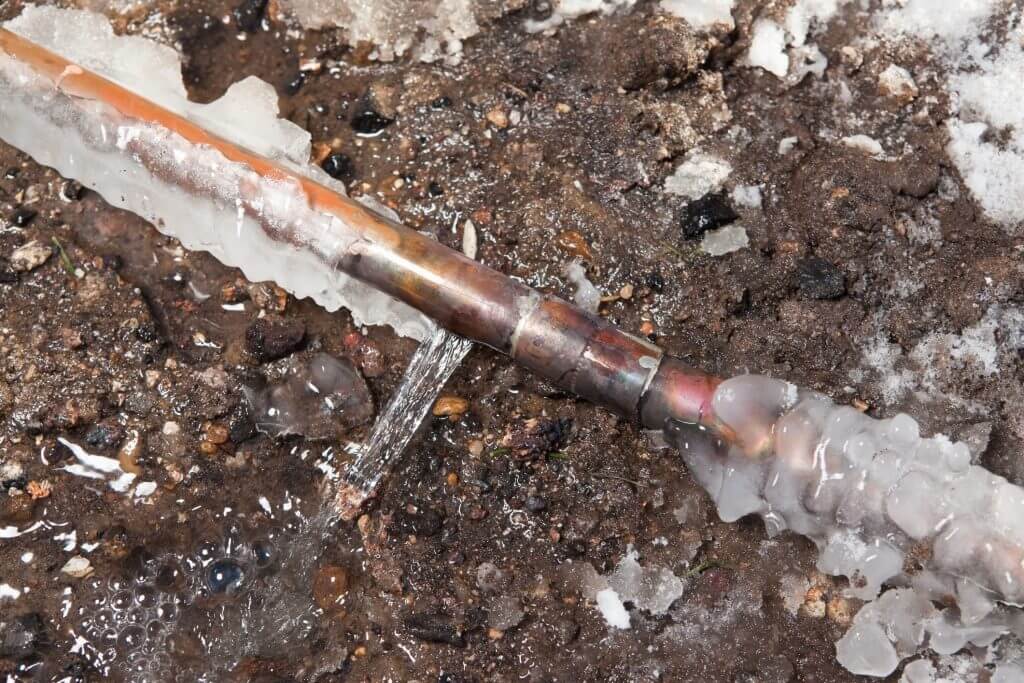
When pipes crack or burst, repairs become more complex and expensive. Costs increase significantly if pipes are underground, behind walls, or beneath concrete, as excavation or structural repairs may be required.
Plumbing Costs Vary by Location
Labor rates, emergency fees, climate severity, and access challenges can significantly affect what you’ll pay.
A $300 thaw in one area may cost $800+ in another — especially during peak winter demand.
Get pricing based on your ZIP Code and repair type.
Frozen Pipe Repair Costs by Pipe Material
Pipe material affects both durability and replacement costs. While pipe materials themselves are often affordable, labor typically makes up the majority of the total bill.
| Pipe Material | Materials per linear foot | Labor and materials per linear foot |
|---|---|---|
| PVC | $0.50 to $8 | $150 to $260 |
| Galvanized | $3 to $8 | $155 to $260 |
| Polypropylene | $1 to $15 | $150 to $275 |
| Fiberglass | $6 to $10 | $155 to $260 |
| Copper | $2 to $15 | $150 to $275 |
| Cast iron | $10 to $30 | $160 to $280 |
Frozen Pipe Repair Costs by Location
Where the frozen pipe is located has a major impact on repair costs.
- In-wall pipes: $150 to $500. Costs increase if drywall must be cut and repaired.
- Kitchen pipes: $200 to $600. Repairs often involve cabinets or appliances.
- Basement pipes: $100 to $400. Unfinished basements typically offer easier access.
- Underground or exterior pipes: $500 to $2,000 or more. These repairs often require excavation and restoration work.
The harder a pipe is to access, the higher the overall repair cost will be.
Additional Costs Associated With Frozen Pipes
Frozen pipes can damage other plumbing components connected to the water line.
- Pipe joints: Usually cost under $15
- Outdoor faucets and hoses: Typically $15 to $60
- Sprinkler system repairs: Often $150 to $350 for parts and labor
Factors That Affect Frozen Pipe Repair Costs
Several factors can influence the total cost of repairing frozen pipes:
- Pipe material: Some materials are more expensive to replace than others
- Pipe location: Hidden or underground pipes increase labor time
- Extent of damage: Thawing costs far less than replacing a burst pipe
- Labor rates: Costs vary by region and season
- Emergency service: After-hours repairs usually cost more
- Secondary damage: Water damage to walls, flooring, or appliances
- Insurance or home warranty coverage: May reduce out-of-pocket costs
What Makes Up Frozen Pipe Repair Costs?
Understanding the cost breakdown helps you compare quotes and avoid surprise charges.
| Cost Component | Typical Range | What It Covers |
|---|---|---|
| Service Call Fee | $50 to $150 | Initial diagnostic and dispatch |
| Thawing Service | $100 to $200 | Heat application, pipe inspection |
| Pipe Section Replacement | $150 to $500+ | Cutting out damaged section and reinstalling |
| Labor | $45 to $200 per hour | Plumbing work, wall access, testing |
| Emergency / After-Hours Premium | +20% to 50% | Nights, weekends, extreme cold |
| Water Damage Repair | $500 to $5,000+ | Drywall, flooring, insulation restoration |
Pro Tip: If drywall must be opened, ask whether patching and repainting are included in the estimate.
Can You Repair a Frozen Pipe Yourself?
Minor leaks from frozen pipes can sometimes be temporarily repaired using pipe clamps, epoxy putty, plumber’s tape, or replacement connectors. Exposed pipes may also be safely thawed using controlled heat if no damage has occurred.
However, DIY repairs are usually short-term solutions. Hidden cracks or internal damage can worsen over time, leading to more expensive repairs later. Professional service is recommended for burst pipes, leaks behind walls, or repeated freezing issues.
Professional plumbers typically charge $45 to $200 per hour. Simple thawing services often cost around $100, while burst pipe repairs generally range from $250 to $500 or more, depending on complexity.
When Does Frozen Pipe Repair Become Replacement Territory?
If frozen pipe repairs exceed $2,500 to $3,000, or if multiple sections of pipe have burst, full line replacement may be more cost-effective long term.
You may want to compare replacement options if:
- Pipes have burst in multiple areas
- Corrosion or aging pipes are contributing to repeated freezing
- Water damage repairs exceed the plumbing repair itself
- The main water line is cracked or compromised
Replacing old or vulnerable plumbing lines can reduce the risk of future freezes and costly emergency calls.
Does a Home Warranty Cover Frozen Pipe Repairs?
Many home warranty plans include plumbing systems coverage, which may cover frozen pipes, leaks, ruptures, and stoppages. Coverage varies by provider and plan, so it’s important to review exclusions and service limits.
If frozen pipes cause water damage or result from severe weather, homeowners insurance may apply instead. Always confirm coverage details before scheduling repairs.
Frequently Asked Questions
If you’re dealing with frozen pipes or planning ahead for winter, these frequently asked questions can help you understand repair costs, coverage options, and next steps.
How much does it cost to fix frozen pipes?
Frozen pipe repair typically costs between $150 and $5,000, with an average around $500. Costs depend on whether the pipe is simply frozen or has burst, as well as the pipe’s location and material.
How much does it cost to thaw frozen pipes?
If the pipe has not burst, professional thawing usually costs $100 to $200. Pipes that are easy to access are typically less expensive to thaw.
Are frozen pipes covered by homeowners insurance?
Homeowners insurance often covers sudden and accidental pipe bursts and related water damage. Coverage may not apply if freezing occurred due to lack of maintenance or failure to heat the home.
Does a home warranty cover frozen pipe repairs?
Many home warranty plans include plumbing system coverage that may cover frozen pipes, leaks, and ruptures. Coverage limits and exclusions vary by plan, so it’s important to review your contract details.
Can frozen pipes burst after they thaw?
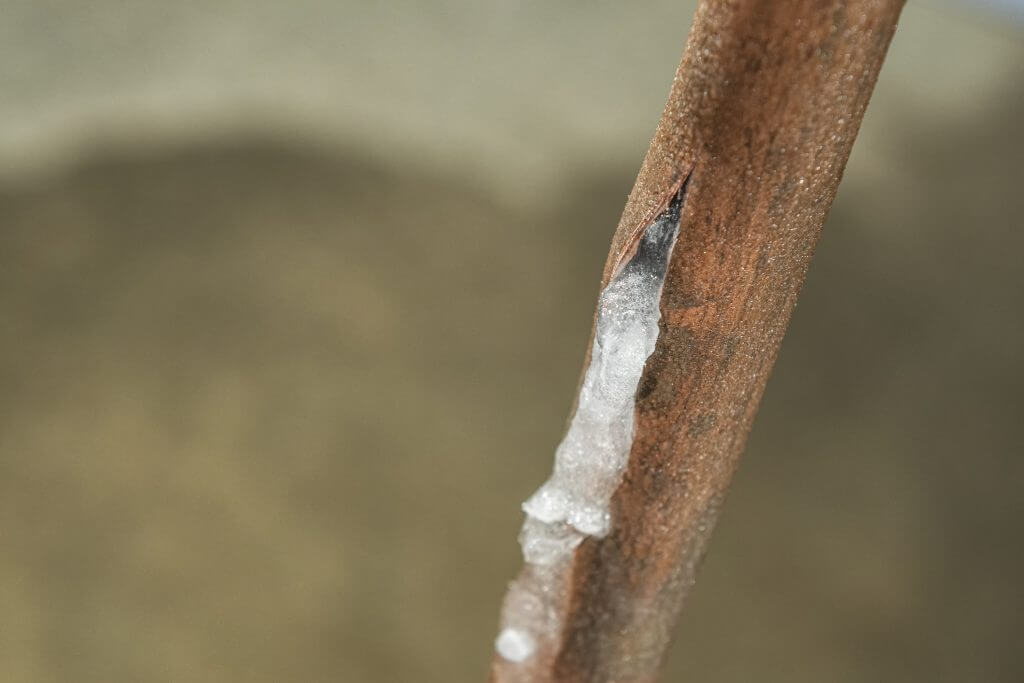
Yes. Pipes often crack while frozen but begin leaking only after the ice melts and water pressure returns. This is why it’s important to inspect pipes closely after thawing.
Can I fix a frozen pipe myself?
You may be able to thaw exposed pipes or apply temporary fixes to small leaks, but DIY repairs are usually short-term. Burst pipes or hidden damage typically require professional repair.
What pipes are most likely to freeze?
Pipes in unheated areas such as basements, crawl spaces, garages, exterior walls, and outdoor plumbing are most vulnerable to freezing.
Bottom Line
Frozen pipes can quickly escalate from a minor inconvenience to a major household expense. While simple thawing may cost relatively little, burst pipe repairs often range from $150 to $5,000, depending on damage and accessibility.
Labor costs and pipe location are the biggest cost drivers. In many cases, insurance or home warranty coverage can significantly reduce out-of-pocket expenses. Preparing ahead — and knowing your coverage options — can help protect your home and budget during cold weather.