Plumbing
How Much Does It Cost to Repair a Burst Pipe?
Average Cost: $200 – $1,000
If your burst pipe is a straightforward repair, expect to pay between $200 and $1,000. If your burst pipe leads to more extensive damage, you might spend $2,000 or more to repair the problem and remediate the damage.
Find the best plumbing pros in your area.

The Modernize Mission
We help homeowners make confident decisions through our reliable, up-to-date, and unbiased information and average project costs. All of our content is thoroughly reviewed and fact-checked by our team of home improvement experts. Learn more about how we maintain these values.
Table of Contents
- How Much Does It Cost to Repair a Burst Pipe?
- What Factors Affect Burst Pipe Repair Costs?
- Additional Costs to Consider After a Pipe Burst
- Signs of a Burst or Leaking Pipe
- What to Do Immediately If a Pipe Bursts
- Can You Repair a Burst Pipe Yourself?
- Preventing Burst Pipes in the Future
- FAQs About Burst Pipe Repair Costs
How Much Does It Cost to Repair a Burst Pipe?
A burst pipe can cost between $200 and $1,000 for a simple fix. These lower-end jobs include minor and accessible leaks. The average cost for moderate damage runs between $400 and $500. If you have a more serious problem, such as a burst pipe behind a wall or under a foundation, your repair costs could exceed $2,000.
However, that price can rise substantially if a burst pipe is not detected right away. If you have extensive water damage, especially if mold develops, you could pay $5,000 or more for whole-house remediation and repair.
Average Cost Breakdown by Repair Type
Here are some of the more detailed numbers you can expect for burst pipe repair costs. Keep in mind that these costs can vary depending on several factors, which we detail below.
| Repair | What It Entails | Average Cost |
|---|---|---|
| Small accessible leak | Replacing a short pipe underneath a sink or in an exposed area where access is not a problem. | $150 to $500 |
| Replacing a section of pipe | Replacing several feet of pipe; often extending behind a wall or into a ceiling. | $750 to $1,250 |
| Difficult pipes to access | Removing drywall, cutting into the floor, or working under a foundation slab to repair a pipe. | $1,200 to $2,000 |
| Sewer lines or underground lines | Digging underground to find the pipe, assess the condition, and replace the damaged areas. | $1,300 to $5,000 |
Emergency vs. Standard Repair Costs
A burst pipe is an emergency — but if you are fortunate, it will happen during normal business hours. Standard repair during regular hours is usually on the lower end, assuming the pipe is easy to access. However, an emergency repair or after-hours service often adds a surcharge.
Expect to pay $100 to $300 or more on top of normal costs, and even higher if the problem occurs on a holiday, weekend, or late at night. For example, if a burst pipe would cost $500 for a standard repair, it may cost $700 or more after business hours.
What Factors Affect Burst Pipe Repair Costs?
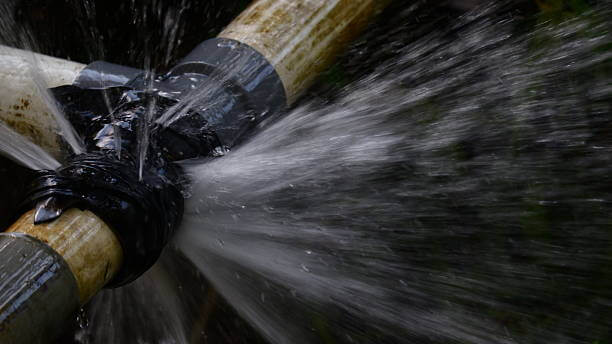
Several factors can influence how much you pay for burst pipe repair. Understanding these considerations can help you better anticipate costs.
- Accessibility: Pipes under sinks or in basements usually cost less to repair than pipes accessed through walls, floors, or ceilings.
- General Location: Pipes outside, under a concrete slab, or beneath a driveway cost more to repair.
- Pipe Material: PEX and PVC are typically the least expensive to repair. Copper and cast iron cost more, and galvanized steel varies depending on age.
- Size or Length: Replacing two feet of pipe is much cheaper than replacing eight feet or more. Full line replacement is the most expensive.
- Water Damage: Cleaning up water damage adds to the bottom line. Mold remediation increases costs further.
- Older Pipes: Outdated plumbing may require replacement to meet code requirements.
- Regional Rates: Labor rates vary widely across the country, often ranging from $45 to $200 or more per hour, not including emergency fees.
Additional Costs to Consider After a Pipe Burst
After repairing the pipe, you may still face additional cleanup or restoration needs. Here are other expenses homeowners sometimes encounter:
- Removing the Water: Drying, dehumidifying, and removing damaged materials can run between $500 and $1,500 or more.
- Replacing Materials: Drywall or flooring may need replacement due to water damage or for pipe access.
- Secondary Plumbing Work: A burst pipe may signal broader issues that require upgrades or rerouting.
- Code Problems: Older homes may require updates to meet current plumbing codes.
- Mold Remediation: Mold treatment can cost thousands, depending on severity.
- Insurance Impact: Filing a claim may increase premiums in future years.
Signs of a Burst or Leaking Pipe
A major pipe break is often easy to spot, but a slow leak can go unnoticed. Look for these signs — early detection can keep repair costs down.
- Unexplained increases in water usage or higher water bills
- A sudden drop in water pressure
- No water flow
- Sounds of running water when fixtures are off
- Wet or damp spots on walls, ceilings, or floors
- Peeling paint or wallpaper
- Warping baseboards or flooring
- Bowed walls
- A musty smell
- Popping or banging sounds from pipes
- Weak water flow through appliances
- Wet or soggy patches in the yard
What to Do Immediately If a Pipe Bursts
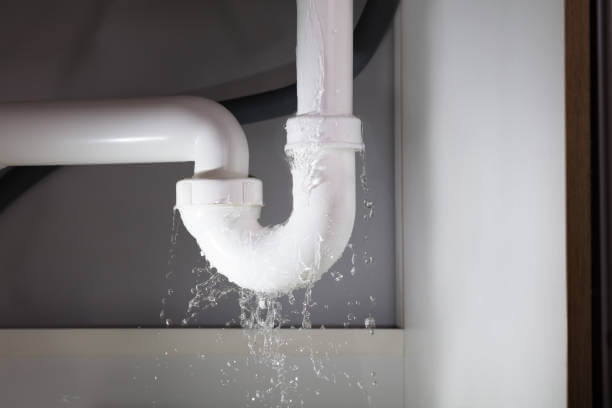
If a pipe bursts, acting quickly can help limit damage. Follow these steps right away:
- Shut Off the Water: Turn off the home’s water supply immediately.
- Drain the Faucets: Open faucets and flush toilets to empty lines.
- Turn Off Electricity: Shut power off at the main breaker if water is near outlets or fixtures.
- Call the Pros: Contact a licensed plumber and request service.
- Start Cleaning Up: Soak up water, move furniture, place buckets under drips, and open windows.
- Document: Take photos or videos of all damage.
- Document the Work: Ask for itemized invoices for insurance purposes.
Can You Repair a Burst Pipe Yourself?
You might be able to repair a burst pipe yourself if it is easy to access and you are comfortable with home improvement tasks. Acting quickly may reduce water damage and save labor costs. However, there are many reasons to hire a professional.
Homeowners might miss hidden damage, weak connections, or signs of corrosion. Safety concerns are also an issue, especially around pressurized water or electrical hazards. DIY repairs may void warranties, and insurance companies often require professional documentation.
If the pipe is behind drywall or under a slab, DIY repairs can lead to more damage and higher repair costs. In these cases, calling a professional upfront is the best option.
Preventing Burst Pipes in the Future
Preventive steps can help protect your home and reduce the risk of burst pipes. Here are some practices to consider:
- Protect From the Cold: Allow faucets to drip in winter, insulate exposed pipes, and keep the thermostat at 60 degrees or higher when away.
- Inspect Your System: Check pipes regularly for leaks, wear, or corrosion.
- Replace Pipes: Upgrade old materials, such as cast iron, galvanized steel, or copper, before failure occurs.
- Monitor Bills: Rising water bills may indicate a hidden leak.
- Find the Shutoff Valve: Knowing where it is can save valuable time in an emergency.
- Get Inspected: Schedule professional inspections every few years, especially in older homes or colder climates.