Foundations
How Much Does Slab Leak Repair Cost In 2026?
Average Cost: $2,000 – $7,500
Slab leak repair typically costs $2,000 to $7,500, depending on how difficult the leak is to locate and repair. Larger or more complex leaks can cost significantly more. Slab leaks occur when a water line bursts or corrodes beneath a concrete foundation. Often, homeowners don’t realize they have a slab leak until the problem has progressed.
Get connected with the best foundation repair pros near you.

The Modernize Mission
We help homeowners make confident decisions through our reliable, up-to-date, and unbiased information and average project costs. All of our content is thoroughly reviewed and fact-checked by our team of home improvement experts. Learn more about how we maintain these values.
Table of Contents
- What Is a Slab Leak?
- How Much Does Slab Leak Repair Cost?
- What Factors Affect Slab Leak Repair Costs?
- Secondary Costs to Expect
- How Long Does Slab Leak Repair Take?
- How to Choose the Right Slab Leak Repair Contractor
- Can You Prevent Future Slab Leaks?
- Does Homeowners Insurance Cover Slab Leak Repair?
- FAQs About Slab Leak Repair
What Is a Slab Leak?
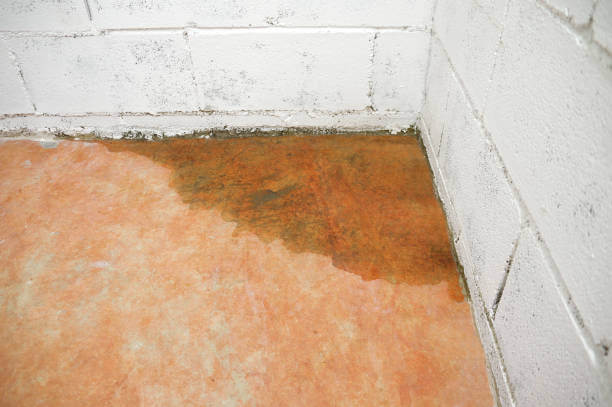
A slab leak occurs when a hot or cold water line beneath your home’s concrete foundation cracks, breaks, or deteriorates. Because the leak is underground, signs often appear only after damage has progressed.
Left unaddressed, a slab leak can soften the soil beneath the home, cause foundation movement, and create costly structural issues. Quick diagnosis and repair help limit damage and keep costs manageable.
How Much Does Slab Leak Repair Cost?
Most homeowners spend $2,000–$7,500 for slab leak detection and repair. Prices vary based on how difficult the leak is to locate and which repair method is needed. More complex jobs, like tunneling or repiping, can cost significantly more.
Not sure what your slab leak repair will cost? Get free quotes from local foundation pros.
Typical cost components
- Leak detection: Finding the exact location of the leak
- Repair method: Spot repair, rerouting, trenchless lining, or tunneling
Your home’s layout, pipe materials, and accessibility all influence the final cost.
For a broader breakdown of structural repair pricing, see our full guide to foundation repair costs.
What will your slab leak repair cost?
Costs depend on the severity and repair method:
- Minor repairs ($500–$2,000): simple spot repairs or accessible leaks
- Moderate repairs ($2,000–$7,500): rerouting or trenchless repairs
- Major repairs ($7,500–$15,000+): tunneling, repiping, or structural impact
What Factors Affect Slab Leak Repair Costs?
Several factors influence the total cost of slab leak repair, including leak detection, the repair method, and other cost drivers. Key cost factors include:
1. Leak detection costs
Locating a leak under concrete requires specialized tools and testing. Most plumbers charge:
- Basic leak detection: $150–$350
- Advanced detection (thermal imaging, acoustic equipment): $300–$600
- Full system diagnosis: $400–$800
Why it matters: Accurate detection prevents unnecessary demolition and ensures the least invasive repair method is chosen.
2. Repair method
The repair approach has the biggest impact on total cost. Below are typical methods and price ranges.
Trenchless pipe lining (epoxy lining)
- Average cost: $800–$3,000 per line
- Best for: Minimal damage and accessible pipe runs
- How it works: A resin liner is inserted into the pipe to seal leaks internally.
- Pros: No slab demolition and fast installation
- Cons: Not ideal for severely corroded or collapsed pipes
Pipe rerouting / repiping
- Average cost: $1,500–$5,000+
- Best for: Older homes, repeated leaks, or inaccessible pipes
- How it works: The damaged line is abandoned and a new pipe is run through walls, ceilings, or attic spaces.
- Pros: Long-term fix and avoids slab work
- Cons: Requires drywall access and interior patching
Spot repair (cutting through the slab)
- Average cost: $500–$4,000
- Best for: Single, easily accessible leaks
- How it works: The technician jackhammers through the slab directly above the leak and repairs the pipe.
- Pros: Direct and effective
- Cons: Noisy, disruptive, and may require flooring repair or replacement
Tunneling under the foundation
- Average cost: $3,000–$12,000+
- Best for: Preserving interior flooring or avoiding interior demolition
- How it works: A tunnel is dug beneath the foundation to access the pipe from outside.
- Pros: Minimal interior damage
- Cons: Labor-intensive with longer timelines
3. Additional cost drivers
Several variables can increase or reduce the overall price:
- Location of the leak (central areas are more difficult to reach)
- Type and age of pipe
- Slab thickness and accessibility
- Soil conditions
- Local labor rates and permits
- Extent of water damage or mold
- Number of leaks discovered during repair
A professional inspection will help clarify which factors apply to your home.
Secondary Costs to Expect
In many cases, repairing the leak is only part of the total cost. Depending on how long the leak persisted, you may also face:
- Flooring repair or replacement — $500–$2,500+. Tile, hardwood, or laminate may need to be removed for spot repairs or replaced due to moisture damage.
- Drywall or ceiling repair — $200–$1,000. Rerouting pipes often requires cutting drywall for access.
- Mold remediation — $500–$6,000. Long-term leaks may allow mold growth beneath flooring or inside walls.
- Foundation or structural stabilization — $2,000–$10,000+. Severe leaks can erode soil under the slab.
- Landscaping or exterior repairs — $300–$2,000+. Tunneling may disturb soil or plantings around the home.
Understanding these possible add-on costs helps avoid surprises when budgeting for a slab leak repair.
How Long Does Slab Leak Repair Take?
Most slab leak repairs take a few hours to a few days, depending on leak location, repair method, and restoration needs.
General timelines
- Leak detection: one to three hours
- Spot repair: four to eight hours (plus one to three days for flooring replacement)
- Rerouting or repiping: one to two days
- Trenchless lining: a few hours to one day
- Tunneling: one to three or more days
What can extend timelines
- Multiple leaks
- Extra-thick concrete
- Mold remediation or structural repair
- Permit requirements
Most homeowners can stay in the house during repairs, although jackhammering or rerouting may require temporary water shut-offs.
How to Choose the Right Slab Leak Repair Contractor
Because slab leaks involve both plumbing and structural considerations, choosing the right contractor is critical.
Qualifications to look for
- Licensed plumber or foundation specialist
- Experience with under-slab leak detection and trenchless methods
- Clear, written estimates covering detection, repair, and restoration
- Access to multiple repair options
- Warranty or guarantee on the repair
Important questions to ask
- Do you charge separately for leak detection?
- Which repair method do you recommend and why?
- Will my flooring or drywall need replacement?
- Do you provide or coordinate restoration work?
- Is the repair covered under warranty?
Choosing a qualified contractor helps ensure the job is done correctly the first time, reducing the risk of future slab leaks.
Can You Prevent Future Slab Leaks?
Preventing future slab leaks can help you avoid repeat repair costs.
- Monitor water pressure: Keep household pressure between 40 and 60 psi.
- Insulate or protect pipes: Especially hot water lines, which expand and contract.
- Maintain consistent soil moisture: Avoid overly dry or saturated soil around the foundation.
- Consider repiping older systems: Aging copper or galvanized pipes are more vulnerable to corrosion.
- Use smart leak detection devices: Automatic shut-offs and app-based alerts can limit damage.
- Schedule routine plumbing inspections: Early detection saves thousands in repair and restoration costs.
Does Homeowners Insurance Cover Slab Leak Repair?
Coverage varies by policy, but insurance typically distinguishes between what’s often covered and what’s usually excluded.
Often covered
- Water damage from a sudden pipe break
- Leak detection costs
- Restoration after the leak is repaired
Typically not covered
- Repairing the pipe itself (often considered maintenance)
- Damage from long-term leaks or corrosion
- Problems from improper installation or neglect
Tips for a successful claim
- Report the leak immediately
- Document damage with photos and receipts
- Request detailed inspection notes from your plumber
- Review your policy’s access and repair clauses
If in doubt, contact your insurer — especially if there’s significant water damage or structural impact.
Ready to get your slab leak fixed? Connect with trusted foundation pros in your area.