Water Filtration & Treatment Systems
Water Softener vs Water Filter: What's the Difference and Which Do You Need?
Find the best water-treatment pros in your area.

The Modernize Mission
We help homeowners make confident decisions through our reliable, up-to-date, and unbiased information and average project costs. All of our content is thoroughly reviewed and fact-checked by our team of home improvement experts. Learn more about how we maintain these values.
Table of Contents
- What Is a Water Softener?
- What Is a Water Filter?
- Water Softener vs Water Filter: Key Differences Explained
- Do You Need a Water Softener, a Water Filter, or Both?
- Cost Comparison: Water Softener vs Water Filter
- Pros and Cons of Each System
- How to Choose the Right System for Your Home
- Frequently Asked Questions
What Is a Water Softener?
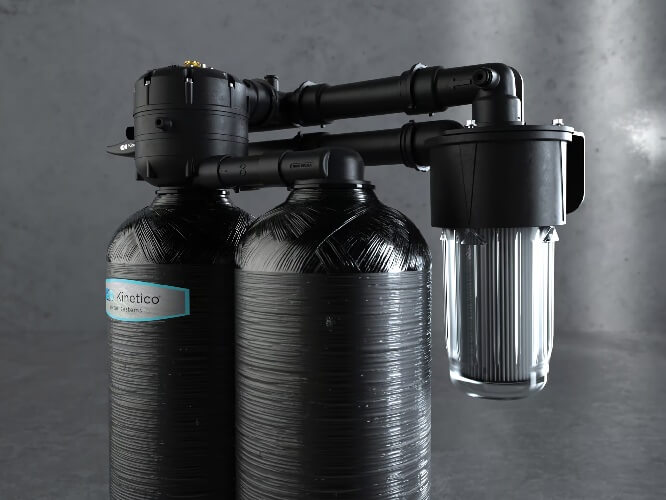
A water softener is a whole-home system designed to reduce hard water by removing or neutralizing minerals like calcium and magnesium. Hard water is not usually a health concern, but it can cause buildup on fixtures, reduce appliance efficiency, and make soap less effective.
If you want the full pricing picture, see our water softener cost guide.
How Does a Water Softener Work?
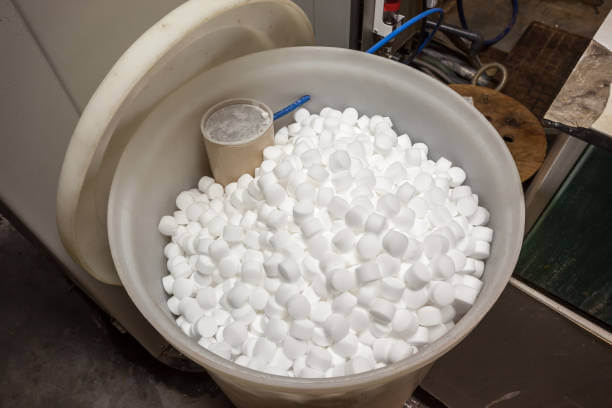
Most water softeners use a simple process called ion exchange. In plain terms, the system swaps hardness minerals in your water for sodium (or potassium), which helps prevent scale buildup. Periodically, the system “recharges” using salt to keep working effectively.
Signs You Need a Water Softener
You might benefit from a softener if you notice:
- White, crusty scale on faucets or showerheads
- Spots on dishes and glassware after washing
- Dry, itchy skin or dull hair after showering
- Soap that does not lather well
- Shorter appliance lifespan (water heater, dishwasher, washing machine)
- Stiff laundry or towels that feel rough
What Is a Water Filter?
A water filter is designed to reduce contaminants in water. “Contaminant” is a broad term that can include sediment (tiny particles), chlorine taste and odor, and in some cases metals or microorganisms, depending on the system.
For common system types and cost ranges, see our water filter cost guide.
How Does a Water Filter Work?
Filters work by trapping, absorbing, or separating unwanted substances from water. Common methods include:
- Carbon filtration: Helps reduce chlorine taste and odor and some chemicals
- Reverse osmosis (RO): Pushes water through a membrane to reduce many dissolved substances
- Sediment filtration: Catches particles like sand, silt, and rust
What Contaminants Do Water Filters Remove?
What gets removed depends on the filter type and its certification. Examples include:
- Chlorine taste and odor
- Sediment and rust
- Some heavy metals (like lead), depending on the filter
- Some bacteria or microorganisms with specialized systems (often UV water filtration systems or specific membranes)
If your main concern is drinking water quality, you may want to start with a water quality test and choose the best water filter brand for you.
Water Softener vs Water Filter: Key Differences Explained
What Problem Does Each System Solve?
Water softener:
Solves hard water problems, like scale buildup, poor soap performance, and mineral staining.
Water filter:
Solves water quality concerns, like taste, odor, sediment, and certain contaminants.
A quick way to tell the difference: if your problem looks like buildup and soap issues, think softener. If your problem looks like taste, smell, or particles, think filter.
Can a Water Filter Soften Water? (And Vice Versa?)
A standard water filter generally does not “soften” water. It may remove some sediment or improve taste, but it usually will not reduce calcium and magnesium enough to stop scale.
A water softener generally does not remove most contaminants that affect taste and safety. It targets hardness minerals, not things like chlorine, lead, or bacteria.
Side-by-Side Comparison Chart
| Feature | Water Softener | Water Filter |
|---|---|---|
| Primary purpose | Reduce hard minerals (calcium, magnesium) | Reduce contaminants (varies by filter type) |
| Best for | Scale, spots, dry skin, soap issues | Taste/odor, sediment, some chemicals/metals |
| Typical location | Whole-home, installed on main line | Whole-home or point-of-use (kitchen) |
| Maintenance | Add salt, periodic service | Replace cartridges or membranes |
| Cost range | Often higher upfront | Wide range depending on system |
| DIY friendly | Sometimes, but often pro-installed | Many options are DIY-friendly |
Do You Need a Water Softener, a Water Filter, or Both?
A softener and a filter each tackle a distinct problem — understanding which one applies to your home is the fastest way to spend your budget wisely.
When to Choose a Water Softener
A softener is usually the right call if:
- You have scale buildup and mineral spotting
- You’re seeing premature wear on appliances
- You want easier cleaning and better soap performance
- Your water test confirms high hardness
Explore top water softener brands.
When to Choose a Water Filter
A filter is usually the right call if:
- Your water tastes or smells off
- You see sediment in tap water
- You want better drinking water quality
- You’re on well water and need targeted contaminant reduction (based on testing)
For options, see water filtration systems.
When It Makes Sense to Use Both Systems
Many households use both because they solve different problems. A common setup is:
- Whole-home softener to reduce hardness for bathing, laundry, and appliances
- Kitchen drinking water filter (often carbon or RO) for taste and peace of mind
If you are planning a combined system, a whole-home water treatment approach helps you pick the right order and components.
Cost Comparison: Water Softener vs Water Filter
Costs vary widely based on home size, water conditions, and system type. Water softeners typically cost $300 to $7,000 installed, with many homeowners paying around $1,000 to $3,000 depending on home size, hardness level, and system type.
For filtration, whole-home water filtration systems typically run about $1,200 to $5,800, with the final cost driven by the contaminant you’re targeting — sediment, chlorine, metals, or well-water concerns — and whether you choose whole-home or point-of-use filtration.
Installation Costs
- Professional installation is common for whole-home softeners and whole-home filtration systems because they tie into the main water line.
- DIY installation is more common for basic under-sink filters and some point-of-use systems, as long as you are comfortable with plumbing connections and shutoff valves.
If you want to compare specific pro quotes quickly, you can find water treatment installers near you.
Maintenance and Ongoing Costs
- Water softeners: Salt refills, occasional cleaning, and periodic servicing depending on your water and system.
- Water filters: Cartridge replacements (and membranes for RO systems) based on usage and manufacturer schedules.
Maintenance matters because it directly impacts performance. A filter that is overdue for replacement can stop doing its job well.
Pros and Cons of Each System
Water Softener Pros and Cons
Pros
- Helps prevent scale buildup on plumbing and fixtures
- Improves soap and detergent performance
- Can extend appliance life and improve efficiency
- Makes cleaning easier in many homes
Cons
- Ongoing salt and maintenance needs
- Upfront cost is often higher than basic filtration
- Does not address many drinking-water contaminants
Water Filter Pros and Cons
Pros
- Can improve taste and odor
- Can reduce sediment and specific contaminants depending on system
- Many point-of-use options are affordable and DIY-friendly
- Good fit for targeted drinking water concerns
Cons
- Performance depends heavily on choosing the right filter for your water
- Requires regular cartridge or membrane replacements
- Whole-home filtration can be a higher-cost project
How to Choose the Right System for Your Home
Test Your Water First
Water testing is the fastest way to avoid guessing. A test can confirm hardness levels and identify contaminants that influence what filter you need. If you are not sure where to start, a water treatment overview can help you match systems to test results.
Consider Your Household Needs and Budget
Think through:
- How many people live in the home and how much water you use
- Whether your biggest frustration is scale and soap performance, or drinking water quality
- Whether you want a whole-home solution, a kitchen-only solution, or both
- Your comfort level with DIY installs versus hiring a pro
If you want pricing that reflects your actual home setup, you can get matched with local water treatment pros through Modernize.