Water Filtration & Treatment Systems
Water Softener vs. Water Conditioner: Which Is Best?
On this page
- Differences between water conditioners and water softeners
- Pros and cons of each type of water treatment system
- How to choose which system is right for you
Compare the best water treatment pros in your area.

The Modernize Mission
We help homeowners make confident decisions through our reliable, up-to-date, and unbiased information and average project costs. All of our content is thoroughly reviewed and fact-checked by our team of home improvement experts. Learn more about how we maintain these values.
Table of Contents
- Quick Comparison: Water Softener vs. Water Conditioner
- How Each System Works
- What Is a Water Softener?
- What Is a Water Conditioner?
- Cost Comparison
- Performance Differences
- Environmental and Salt-Use Considerations
- How to Choose Between a Water Softener and a Water Conditioner
- Testing Your Water Before Deciding
- FAQs About Water Softeners and Conditioners
Quick Comparison: Water Softener vs. Water Conditioner
Here’s a homeowner-friendly way to think about it: a water softener removes hardness minerals, while a water conditioner helps reduce scale without truly “softening” the water.
| Feature | Water Softener | Water Conditioner |
|---|---|---|
| How it works | Ion exchange swaps calcium and magnesium for sodium or potassium. | Changes how minerals behave (often to reduce scale), but minerals remain. |
| Hardness reduction | Yes (true soft water). | No (not true softening). |
| Maintenance | Add salt or potassium, plus periodic servicing; brine discharge considerations. | Typically low-maintenance (varies by system and media). |
| Typical cost range | Installed often falls around $300 to $7,000. | Salt-free systems often cost $800 to $4,000; magnetic and electronic systems can be lower. |
| Best for | Very hard water, soap scum, and protecting plumbing and appliances. | Lower-maintenance scale management and moderate hardness situations. |
| Limitations | Salt use, added sodium or potassium, and local discharge rules may apply. | Less effective on very hard water and does not create true “soft water.” |
How Each System Works
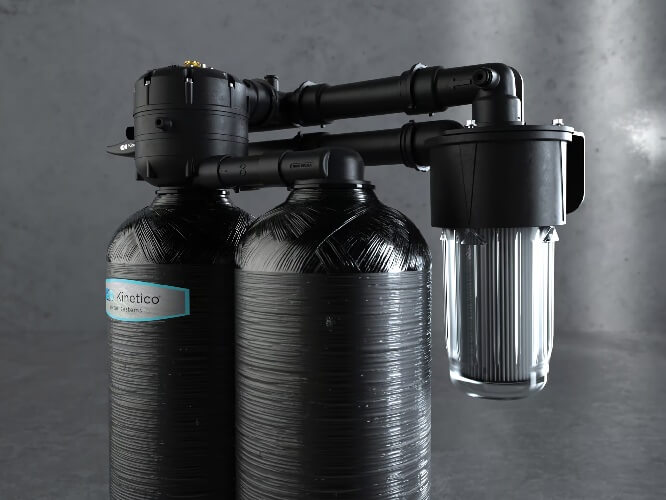
How water softeners work: Water softeners use a resin tank to remove hardness minerals (calcium and magnesium) through ion exchange. That’s why they can noticeably reduce soap scum and that “filmy” feeling on dishes and shower doors.
How water conditioners work: Water conditioners don’t remove those minerals. Instead, many salt-free systems reduce scale buildup by changing the form minerals take so they’re less likely to stick to pipes and fixtures. That’s why they’re often marketed for scale prevention rather than true softening.
What Is a Water Softener?
A water softener is a whole-home water treatment system designed to remove hardness minerals that cause scale buildup, soap scum, and reduced efficiency in water-using appliances.
Pros and Cons of Water Softeners
Pros
- Creates true soft water (better lather and less soap scum).
- Helps protect plumbing and appliances from scale buildup.
- Can improve the feel of water on skin and fabrics (varies by household).
Cons
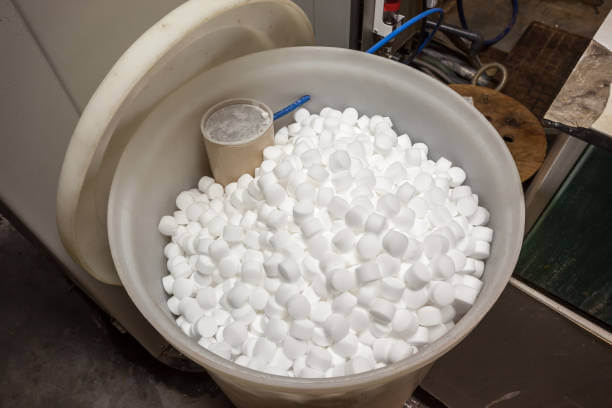
- Requires ongoing maintenance (salt or potassium refills) and periodic service.
- Adds sodium or potassium through the softening process (important for some households).
- Regeneration produces brine and backwash water, and discharge rules can vary locally.
» See Our Top Picks: Best Water Softener Brands of 2026
Who Is a Water Softener Best For?
A softener is usually the better choice if:
- Your water is very hard, and you want a noticeable reduction in scale and soap scum.
- You’re seeing shortened appliance life (water heater issues, dishwasher spotting, etc.).
- You want the biggest performance change for bathing, laundry, and cleaning.
What Is a Water Conditioner?
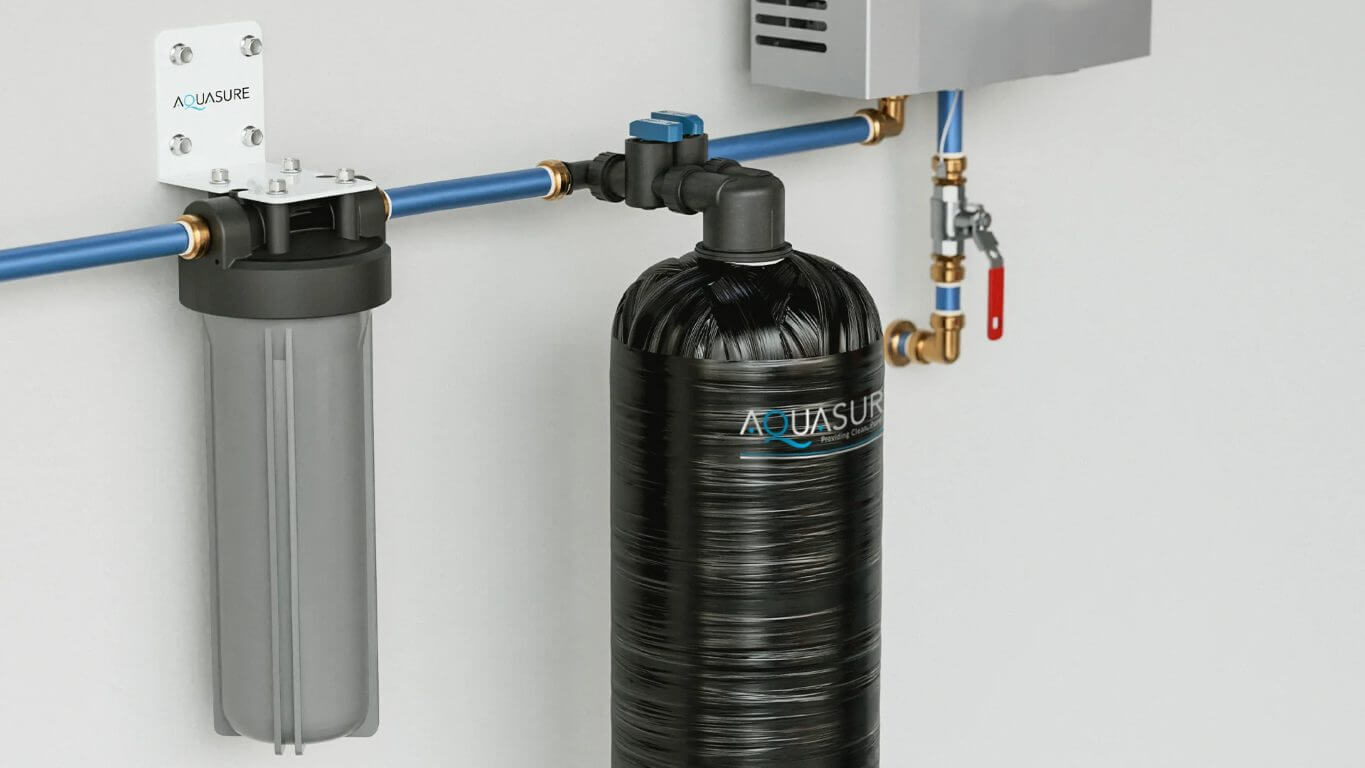
A water conditioner is a water treatment option that aims to reduce scale and mineral buildup without removing hardness minerals the way a softener does. Many homeowners choose conditioners because they’re often easier to live with day to day, especially if they’re trying to avoid salt handling or brine discharge.
Pros and Cons of Water Conditioners
Pros
- Typically lower maintenance than salt-based softeners.
- Often used for scale management without added salt.
- Can be a fit where salt-based systems are restricted or undesirable.
Cons
- Doesn’t create true soft water (minerals remain).
- Results can be less noticeable in very hard water areas.
- Performance depends heavily on system type and correct sizing.
Who Is a Water Conditioner Best For?
A conditioner can be a better fit if:
- Your main concern is scale control (not a true soft water feel).
- You want a lower-maintenance option.
- You have moderate hardness and want fewer mineral deposits on fixtures.
Cost Comparison
If you’re budgeting quickly: softeners tend to cost more to maintain, while conditioners tend to cost less to maintain but may not solve severe hard water issues.
Typical Installed Cost Ranges
- Water softener installed cost: Commonly ranges from $300 to $7,000, depending on system type, sizing, and complexity.
- Salt-free conditioner installed cost: Often ranges from $800 to $4,000.
- Magnetic and electronic “descaler” style systems: Can run around $200 to $600 (often lower cost, with different performance expectations).
Ongoing Maintenance Differences
With a salt-based softener, ongoing cost usually comes down to salt or potassium:
- Salt: Often around $5 to $10 per 40-pound bag.
- Potassium chloride: Often around $50 to $70.
Conditioners are often marketed as lower maintenance, but long-term costs can still include media replacement or servicing depending on the design. This varies by product.
Performance Differences
If you want a clear “which works better” answer, use these rules of thumb:
- For true hardness reduction (less soap scum and better lather): A water softener wins because it actually removes hardness minerals.
- If you’re looking for scale management with less day-to-day maintenance: A water conditioner can be appealing, but it won’t give you true soft water.
- For appliance protection: Both can help, but softeners are usually the stronger choice in very hard water because scale prevention is tied closely to hardness reduction.
Environmental and Salt-Use Considerations
Salt-based systems regenerate and flush brine and backwash water, which can matter for some households and municipalities.
- Many systems regenerate every two to three days, releasing backwash water each time.
- Discharge rules vary by location, septic systems, and local regulations.
How to Choose Between a Water Softener and a Water Conditioner
If you’re stuck between the two, start with your goal:
- “I want softer water.” Choose a water softener.
- “I want less scale and easier upkeep.” Consider a water conditioner, especially if your water isn’t extremely hard.
Testing Your Water Before Deciding
Why testing matters: Knowing your water hardness makes it easier to choose the right system size and avoid overspending. Get a hardness reading from a local water report, test strip kit, or professional test before you buy.