

HVAC
Daikin Furnace Review 2026: Efficient and Reliable Heating
Average Cost: $3200 – $6500
Here’s an in-depth review of Daikin furnaces, including their features, pricing, customer experiences, and how they compare to other leading HVAC brands.
Our Verdict: Daikin is a solid choice for homeowners who want reliable, energy-efficient furnaces with advanced features at competitive prices. However, it may not be the best fit if you live in a region with limited availability or need a wide selection of models.

The Modernize Mission
Modernize maintains homeowner-first editorial integrity, meaning we accept no commissions and no partner links for this review. Our reviews are thoroughly fact-checked by our home improvement experts. Ratings are determined by a sophisticated algorithm to rate brands, including analyses of products, materials, quality, costs, sizes, durability, energy efficiency, and warranties.
Table of Contents
- Daikin Furnaces Review: Company Overview
- Why We Love Daikin Furnaces
- Pros and Cons of Daikin Furnaces
- What Furnaces Does Daikin Offer?
- Top Products From Daikin
- Customer Reviews and Ratings
- Cost of Daikin Furnaces
- Which Daikin Furnace Model Is Most Cost-Effective for My Climate?
- How Daikin Compares to Other Furnace Providers
- Frequently Asked Questions
- Final Verdict: Should You Choose Daikin?
- How We Rate HVAC Products & Brands

Fast Facts
| Best for | Top Model | Cost Installed | Standout Feature | Warranty |
|---|---|---|---|---|
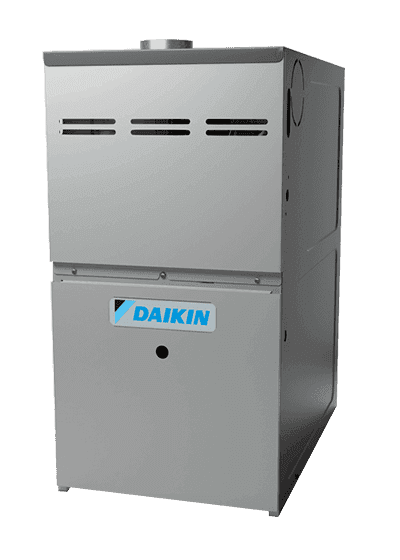
| Homeowners seeking efficiency at a competitive price | Fit Series DM97MC | $3,200 to $6,500 | Up to 98% AFUE with variable-speed blower | 12-year parts, lifetime heat exchanger |
Why We Love Daikin Furnaces
Daikin furnaces combine strong efficiency, innovative technology, and dependable performance. Many models include the ComfortNet™ Communications System, which allows homeowners to precisely control and monitor their HVAC system. Daikin also focuses on sustainability, offering multiple ENERGY STAR®-certified models. With their quiet operation, durable construction, and competitive pricing, Daikin furnaces are a smart option for homeowners who want comfort and energy savings without the steep price tag of some premium competitors.
Pros and Cons of Daikin Furnaces
Pros
- Innovative technology and quiet operation
- ENERGY STAR® certified, environmentally friendly models
- Strong warranty coverage with 12 years on parts and lifetime on heat exchangers
Cons
- Availability can be limited in some regions
- Complex installation may increase labor costs
- Smaller model range compared to some competitors
What Furnaces Does Daikin Offer?
Daikin furnaces come in three main product series:
- Fit Series: Premium models with the highest efficiency ratings (up to 98% AFUE). These furnaces feature variable-speed blowers and modulating gas valves for precise comfort and top-tier energy savings.
- One+ Series: Mid-range models that balance cost and performance, offering two-stage heating and variable-speed blowers. A good choice for homeowners who want efficiency without the highest price point.
- Performance Series: Budget-friendly models designed to deliver reliable heating at a lower cost. While they lack some of the advanced features of the Fit or One+ Series, they still provide solid efficiency and dependability.
Top Products From Daikin
Here are some of Daikin’s most popular furnace models currently in production:
- Daikin Fit Series DM97MC: A high-efficiency furnace with up to 98% AFUE, variable-speed blower, and modulating gas valve. Ideal for colder climates.
- Daikin One+ Series DM96VC: Mid-range furnace with 96% AFUE, two-stage heating, and quiet operation. A balanced choice for most homeowners.
- Daikin Performance Series DM80HS: Budget-friendly furnace with 80% AFUE. Affordable and reliable, best suited for milder climates.
Customer Reviews and Ratings
Homeowners often highlight Daikin’s quiet operation, energy savings, and strong warranties as key advantages. Many note that the ComfortNet™ smart technology improves convenience and comfort. On the downside, some reviews mention that availability can be limited in certain areas, which may delay installation or repairs. Others point out that installation can be more complex and requires skilled contractors, potentially raising upfront costs. Overall, customer sentiment is positive, especially for homeowners who prioritize energy efficiency and modern technology at a fair price.
So far so good after 3 weeks. The outside unit was making a vibrating noise and the Harp tech had to come out and do some troubleshooting. He placed some foam tape on the unit surfaces where the grill bolts on and that seemed to take care of the problem. The thermostats and app are pretty easy to use (we gave up our Nest thermostats for the Daikin units). Too early to comment on electricity usage. – Daikin website review
Replaced an 18 year old furnace. I can already see a difference. Fan is super quiet! Fan is more efficient! Cost savings will take a bit to determine. Overall pleased with the installation. Minor hiccups as usual with installation. Nothing major though. – Daikin website review
Cost of Daikin Furnaces
Daikin furnaces are generally more affordable than some premium competitors while still offering advanced features. Here’s what homeowners can expect to pay in 2025:
| Daikin Series | Unit Cost Range | Installed Cost Range |
|---|---|---|
| Fit Series | $1,785 to $2,900 | $3,250 to $6,500 |
| One+ Series | $1,400 to $2,200 | $2,800 to $5,500 |
| Performance Series | $1,225 to $1,635 | $2,625 to $4,500 |
Factors That Influence Costs
- Model selection and AFUE rating
- Installation complexity and ductwork needs
- Regional labor rates
- Existing system condition and upgrades
Which Daikin Furnace Model Is Most Cost-Effective for My Climate?
When deciding on which Daikin furnace model will be best for your home, consider your location and home size. This will help you determine the appropriate BTU levels and the best AFUE rating for your home. Here’s a guideline based on climate zones:
- 1, 2, 3: 80% AFUE
- 4: 90% to 93% AFUE
- 5: 93% to 95%+ AFUE
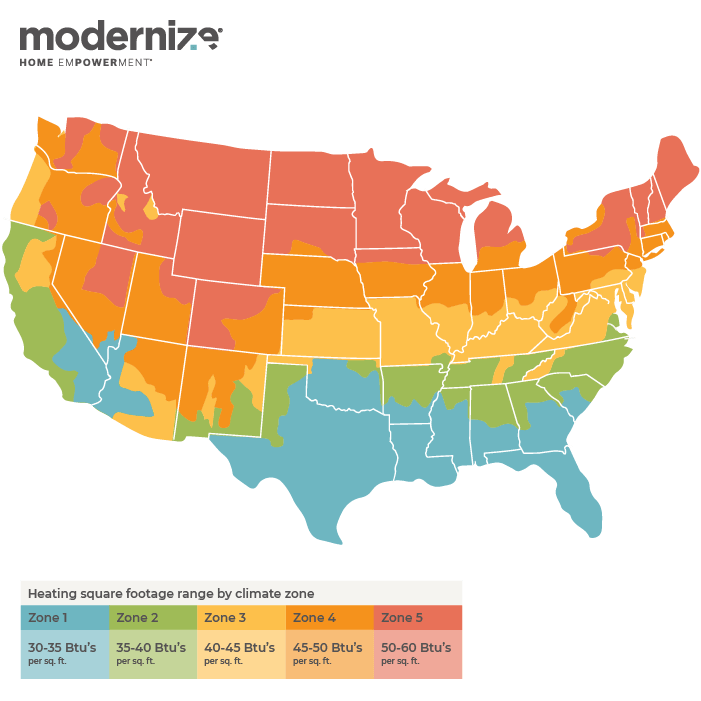
Zone 1, 2, 3: 80% AFUE
For areas with milder winters, such as Zone 3, an 80% AFUE furnace is typically sufficient. For instance, in a moderate climate state like North Carolina, where winter temperatures are not extreme, a Daikin Performance Series DM80HS with an 80% AFUE would be a cost-effective choice. This model is affordable while still providing reliable heating for a 2,000 square foot home.
Zone 4: 90% to 93% AFUE
In regions with more severe winters, such as Zone 4, a higher efficiency model is recommended. A Daikin One+ Series DM96VC with a 92% AFUE would be suitable for states in this zone, offering better energy savings and improved performance during colder months. The investment in a higher AFUE model can pay off in reduced heating costs over time.
Zone 5: 93% to 95%+ AFUE
For the coldest climates, such as Zone 5, a furnace with the highest efficiency is necessary to ensure adequate heating and cost savings. A Daikin Fit Series DM97MC with a 98% AFUE is ideal for states in this zone. This model maximizes energy use, minimizing waste and providing superior comfort during harsh winters.
How Daikin Compares to Other Furnace Providers
Daikin competes with top furnace brands like Lennox, American Standard, and Carrier. While Lennox often sets the bar for maximum efficiency and American Standard emphasizes long-term durability, Carrier is known for its balance of innovation and reliability. Daikin offers a mix of advanced technology, quiet operation, and affordability, making it an attractive option for homeowners who want strong efficiency and comfort without the highest upfront price tag.
| Brand | Cost Range Installed | Pros | Cons |
|---|---|---|---|
| Daikin | $3,200 to $6,500 | Advanced technology, quiet performance, ENERGY STAR® certified, strong warranties | Limited availability, complex installation, fewer models |
| Lennox | $3,200 to $10,000 | Industry-leading efficiency (up to 99% AFUE), advanced smart technology, quiet comfort | Higher upfront cost, costly repairs, fewer budget-friendly options |
| American Standard | $2,700 to $9,000 | Reliable and durable, strong efficiency, wide range of models | Higher cost than Daikin, fewer advanced features than Lennox |
| Carrier | $3,500 to $12,000 | Trusted brand, consistent efficiency, wide dealer network, strong warranties | Installation quality varies by dealer, can be pricier than Daikin |
Frequently Asked Questions
What is the typical lifespan of a Daikin furnace?
Most Daikin furnaces last 15 to 20 years with proper maintenance, and premium models may last longer.
What kind of warranty does Daikin offer?
Daikin provides a 12-year limited parts warranty and a lifetime heat exchanger warranty on many models.
Are Daikin furnaces noisy?
No. Many Daikin models include noise-reduction features and variable-speed blowers, making them significantly quieter than standard furnaces.
Final Verdict: Should You Choose Daikin?
Daikin furnaces are a strong option for homeowners who want dependable heating, advanced features, and competitive pricing. They are especially well-suited for homeowners who value quiet operation and energy efficiency but don’t want to pay the premium costs of brands like Lennox.
However, Daikin may not be the best fit if you live in an area with limited dealer availability or prefer a brand with a broader range of models. Overall, Daikin furnaces strike an excellent balance between performance, comfort, and long-term value.
Related Guides
Modernize Customer Portal Select your product below to sign in.


Modernize Bathroom Remodel Rating Methodology
How We Rate Bathroom Remodel Products and Companies We use two different sets of criteria depending on what we’re rating. For products and brands (like bathtubs, showerheads, and steam shower systems), we focus on how well they perform their core function, how durably they’re built, how much they cost relative to what you get, and how easy they are…