Types of Water Heaters
Hot water is one of the most relied-on comforts in modern homes. From washing dishes to taking a relaxing shower, a functioning water heater is essential. When your system fails, choosing the right replacement matters. Below, we break down the differences between a tankless water heater vs. a tank water heater to help you decide which option fits your home, budget, and usage needs.
Tank Water Heaters
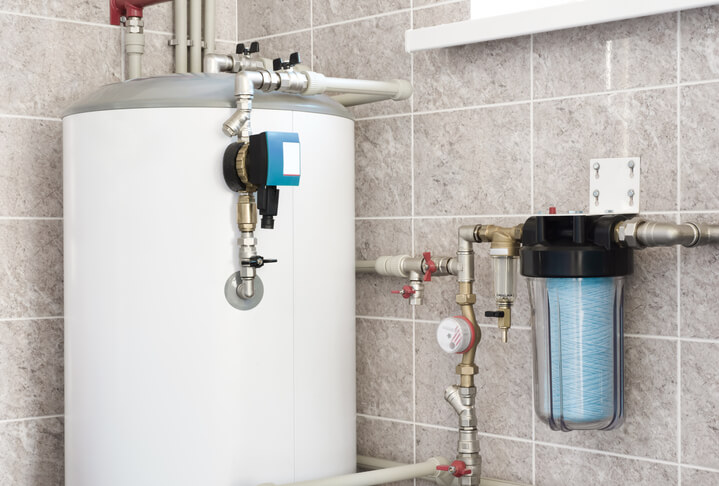
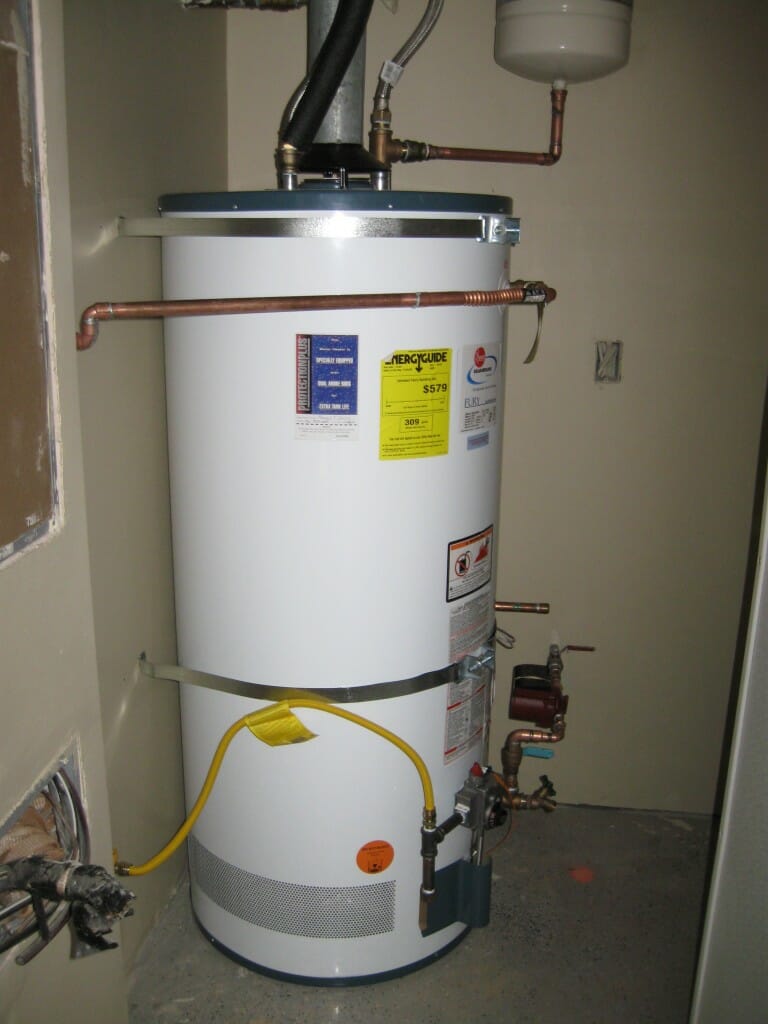
Tank water heaters are the most common option in U.S. homes. These systems store hot water in tanks that typically range from 36 to 60+ gallons. A thermostat maintains the water temperature, which means energy is constantly used to keep water hot, even when it’s not being used.
» See Our Top Picks: Best Tank Water Heaters of 2026
Tankless Water Heaters
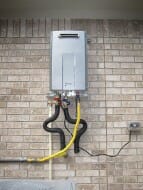
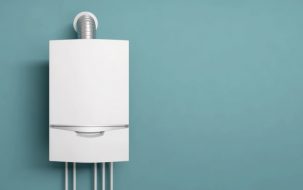
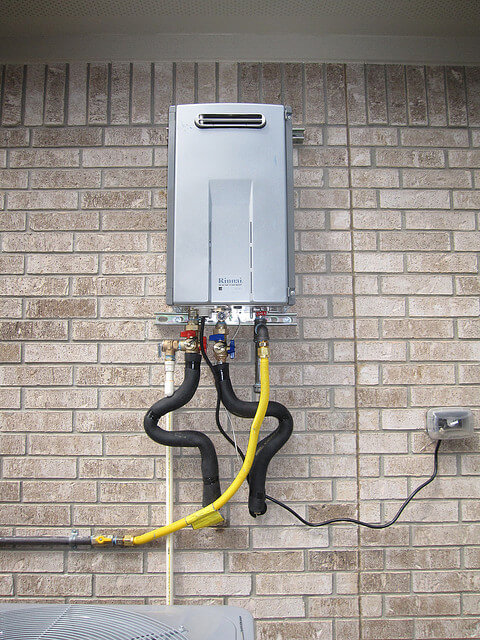
Tankless water heaters heat water only when you need it. Instead of storing hot water, they use a heat exchanger to deliver hot water on demand. Because there’s no standby heating, tankless water heaters are more energy efficient than traditional tank systems.
» See Our Top Picks: Best Tankless Water Heaters of 2026
Both tank and tankless water heaters typically run on either natural gas or electricity.
Cost Considerations
Quick comparison: Tank water heaters cost less upfront, while tankless systems cost more initially but may save money long-term.
There is usually a significant price difference between tank and tankless water heaters.
Tank water heater cost by size:
- 30-gallon tank: $550 to $1,700
- 40-gallon tank: $550 to $2,000
- 50-gallon tank: $700 to $2,200
- 75-gallon tank: $1,200 to $3,400
- 80-gallon tank: $1,300 to $3,600
Installation typically adds $1,400 to $3,000, depending on complexity.
Tankless water heater cost: Including installation, tankless systems usually range from $4,500 to $6,500. These systems often require upgraded gas lines, electrical wiring, or water lines. While the upfront cost is higher, tankless water heaters generally last longer, which can offset the initial investment.
Fuel Types & Operating Costs
The fuel type used by your water heater significantly impacts operating costs.
Natural gas is commonly the least expensive option. According to the U.S. Department of Energy, average winter heating costs are about $930 for natural gas, compared to $1,400 to $1,700 for electric heating.
Fuel availability and pricing vary by region. Some homes also use propane, fuel oil, solar, or geothermal energy.
Energy Efficiency & Environmental Impact
Your water heater uses more energy than your dishwasher, refrigerator, washer, and dryer combined. Choose an Energy Star-certified model for improved efficiency. Look for the UEF (Uniform Energy Factor) rating — higher UEF numbers indicate greater efficiency. Estimated annual operating costs and efficiency ratings are listed on the yellow EnergyGuide label.
There are also ways to increase water heater efficiency through insulation, maintenance, and temperature adjustments.



Safety Features: Tank vs. Tankless
Tankless water heaters generally offer enhanced safety. Because they don’t store water, there’s no risk of tank rupture or flooding from stored water. Tankless systems also eliminate exposed combustion chambers, reducing hazards—especially in homes with children.
Lifespan & Maintenance
Tank water heaters: Gas models typically last 8 to 12 years, while electric models last 10 to 15 years.
Tankless water heaters: Often last 20 years or more with proper maintenance.
Both systems require routine maintenance. Tank heaters need periodic flushing to remove sediment buildup, while tankless systems require annual descaling. Tankless maintenance is often simpler since there’s no large tank to drain.
» Learn More: Water Heater Maintenance Tips
Key Considerations When Choosing
Choosing between a tankless and tank water heater depends on upfront budget, installation requirements, household hot water demand, energy efficiency goals, and long-term operating costs. Consulting a licensed HVAC or plumbing professional can help you select the best option for your home and ensure proper installation.
Find the Right Contractor for Your Plumbing Project
Whether you’re ready to begin your project now or need some expert advice, our network of contractors are here to help. With a few simple questions, we’ll find the best local professionals for you