How Often Should You Flush & Drain Your Hot Water Heater?
Your hot water heater plays a direct role in your daily comfort. When it takes longer than usual to heat water for showers, dishes, or handwashing, sediment buildup often causes the problem — and flushing the tank can restore performance. Below, we explain how often to flush a hot water heater based on age, water quality, and type.
Newer hot water heaters in good condition usually need flushing only once a year because they collect less sediment. Homes with a water filtration or softening system can typically stick to this annual schedule.
Older water heaters need more hands-on maintenance. In most cases, homeowners should flush and drain them twice a year, or about every six months. Homes with hard water should follow the same twice-a-year schedule.
How to Flush a Water Heater
Although flushing a water heater is a fairly straightforward task, it involves hot water, pressure, and gas or electrical connections — so most homeowners choose to hire a professional.
Basic Steps to Flush a Water Heater
- Turn off the water heater. Shut down the unit and allow the water to cool.
- Drain the tank. Empty the tank into a drain or bucket, which usually takes 20 to 25 minutes.
- Flush out sediment. Run clean water through the tank until it flows clear.
- Restart the system. Close the tank, refill it, and safely turn the system back on.
How Often to Flush a Water Heater by Type
Your flushing schedule also depends on the type of water heater you own. Use the guidance below to choose the best routine for your system.
Storage Water Heater
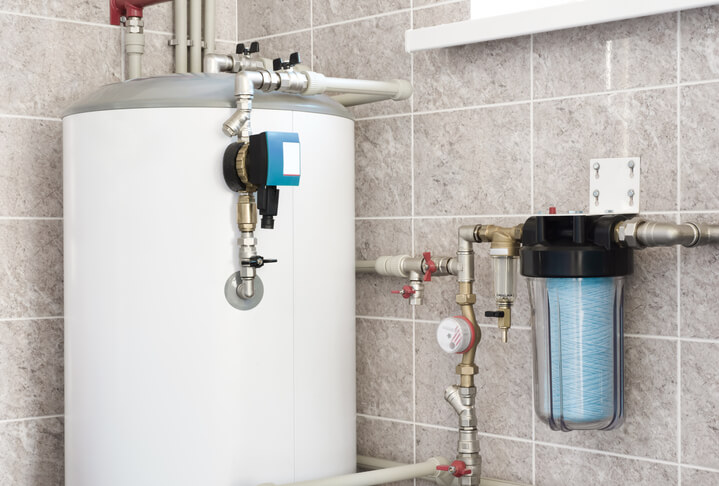
Traditional storage, or tank-style, water heaters usually need flushing once a year. If your unit is older or shows signs of reduced efficiency, flushing every six months can help.
Electric Water Heater
Newer electric water heaters and modern plumbing systems typically require annual flushing. Older systems or homes with hard water should flush electric water heaters every six months.
Gas Water Heater
Gas water heaters follow the same general schedule as electric models. Flush newer gas units once a year and older models twice a year. If you notice slow heating or unpleasant odors, increase how often you flush the system.
Tankless Water Heater
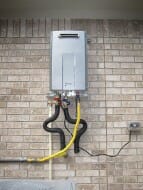
Tankless water heaters do not store water, so they do not need traditional tank flushing. However, most manufacturers recommend professional descaling once a year to maintain efficiency — especially in homes with hard water.
Heat Pump Water Heater
Heat pump water heaters usually perform best with annual flushing when new. If you notice performance issues, switching to a six-month flushing routine can improve results.
Do I Really Need to Flush My Water Heater?
Yes — regular flushing is necessary. Sediment naturally builds up inside water heater tanks over time. Without routine maintenance, this buildup reduces energy efficiency, clogs water lines, increases heating time, and shortens your system’s lifespan.
When you flush your water heater, you prevent these issues, improve performance, and extend the life of the unit.
How Much Does It Cost to Flush a Water Heater?
The average cost to flush a water heater ranges from $75 to $200, depending on your location, heater type, and ease of access.
Water Heater Maintenance Tips
Use these tips to keep your water heater running efficiently year-round:
- Use vacation mode when you will be away for an extended period.
- If your hot water smells, temporarily raise the temperature to 140°F to kill odor-causing bacteria before flushing.
- Check the anode rod regularly.
- Inspect for leaks and tighten the drain valve as needed.
- Test the temperature and pressure relief valve once a year.
- Schedule annual professional service for tankless water heaters.
- Flush the system regularly to prevent rust, corrosion, and premature failure.
Flushing and draining your hot water heater is one of the simplest ways to improve efficiency, protect water quality, and maintain your home’s comfort. Modernize can help you connect with a trusted local water heater professional who can handle maintenance safely and correctly.
Find the Right Contractor for Your Plumbing Project
Whether you’re ready to begin your project now or need some expert advice, our network of contractors are here to help. With a few simple questions, we’ll find the best local professionals for you