Bathroom Remodel
How Much Does Bathtub Refinishing Cost?
Average Cost: $150 – $800
Bathtub repair and refinishing costs typically range from $150 to $800, depending on the type of damage and the solution required. Most homeowners spend around $300 to $500 to repair chips, cracks, stains, or worn finishes without replacing the tub entirely. Minor bathtub repairs, such as filling small chips or cracks, may cost as little as $150 to $250, while full bathtub refinishing or reglazing can reach $600 to $800 for larger or specialty tubs.
Compare the best bathtub refinishing pros in your area.

The Modernize Mission
We help homeowners make confident decisions through our reliable, up-to-date, and unbiased information and average project costs. All of our content is thoroughly reviewed and fact-checked by our team of home improvement experts. Learn more about how we maintain these values.
Table of Contents
- National Average Bathtub Refinishing & Repair Cost
- Key Takeaways
- Factors That Affect Bathtub Refinishing Cost
- Bathtub Repair Cost by Issue
- Bathtub Repair Cost by Tub Type
- Bathtub Repair Cost by Size
- Bathtub Repair Labor Cost
- Additional Costs to Consider When Repairing Your Bathtub
- Cost Comparison: Refinishing vs. Replacing
- Pros and Cons of Refinishing Your Bathtub
- Tips for Reducing Bathtub Reglazing Costs
- When to Refinish vs. Replace Your Bathtub
- Bathtub Refinishing Cost: Q&A
- The Bottom Line on Cost to Refinish a Bathtub
- Frequently Asked Questions
National Average Bathtub Refinishing & Repair Cost
Across the U.S. in 2026, most homeowners spend between $250 and $600 when repairing or refinishing a bathtub. Simple fixes like patching surface blemishes, correcting discoloration, or addressing small cracks usually fall on the lower end of this range. When the tub requires full reglazing or complete resurfacing, costs tend to move toward the middle or upper end. Larger tubs, historic cast-iron models, or projects that require extensive preparation can push total costs closer to $700 or more.
These figures reflect national averages in 2026, compiled from professional estimates and aggregated homeowner project data.
Key Takeaways
- National average bathtub repair cost (as of 2026): $150 to $400.
- National average bathtub refinishing cost (as of 2026): $300 to $600.
- Low-end fixes: $150 to $250 for small chips, cracks, or surface blemishes.
- High-end refinishing: $600 to $800 for large, clawfoot, or heavily worn tubs.
- Refinishing vs. replacement: Refinishing costs up to 75% less than replacing a bathtub.
- Best candidates for repair or refinishing: Structurally sound tubs with cosmetic damage or surface wear.
Factors That Affect Bathtub Refinishing Cost
The cost of refinishing a bathtub can vary significantly depending on several factors. Understanding these can help you estimate your budget more accurately.
Type and Size of the Bathtub
Larger tubs, such as clawfoot or garden tubs, require more materials and labor, increasing the cost. You can check out our guide to bathtub types to find out what type you have. Standard-size tubs typically cost less to refinish than larger or custom size ones. Our bathtub sizes guide can help you figure out if your tub has standard or more custom dimensions.
Extent of Damage or Wear
The more repair work needed for chips, cracks, or rust, the higher the cost. Surface preparation is a critical part of the process, and additional labor for heavy damage can add to your bill.
Materials and Finishes Chosen
Basic white finishes are often the most affordable, while custom colors or specialized coatings can increase the price. The material your tub is made of will also impact how complex it might be to resurface. We have a guide to bathtub materials if you need help identifying what your tub is made of.
Most minor bathtub repairs can be completed in one to three hours, while refinishing projects typically take a full day to complete. More complex jobs, such as repairing rust damage or working on specialty tubs, may increase labor time and cost.
DIY vs. Professional Refinishing
Opting for a DIY refinishing kit can cost between $50 and $150, but the quality and durability may not match that of professional work, which ranges from $200 to $600.
Regional Variations
Labor costs vary depending on location. Homeowners in urban areas may pay more than those in smaller towns due to higher labor rates.
Bathtub Repair Cost by Issue
Bathtub repair costs vary based on the type of damage and how widespread it is. Some issues are purely cosmetic and inexpensive to fix, while others require more labor or surface preparation.
The table below outlines common bathtub problems and their typical repair costs, followed by a deeper explanation of each issue.
| Bathtub Issue | Typical Repair Cost |
|---|---|
| Chips or small cracks | $150 to $300 |
| Surface stains or discoloration | $150 to $250 |
| Rust spots | $200 to $400 |
| Minor leaks or seal issues | $150 to $350 |
Bathtub Repair Cost by Tub Type
The type of bathtub you have plays a major role in repair costs. Different materials and designs require varying levels of labor, tools, and surface preparation, which can increase or reduce overall pricing.
| Bathtub Type | Typical Repair Cost |
|---|---|
| Standard alcove tub | $150 to $350 |
| Fiberglass or acrylic tub | $150 to $300 |
| Cast iron tub | $200 to $450 |
| Clawfoot tub | $250 to $500 |
| Whirlpool or jetted tub | $250 to $600 |
Bathtub Repair Cost by Size
Bathtub size directly affects repair costs because larger tubs require more materials, surface preparation, and labor time.
Below are the most common bathtub size categories, their typical dimensions, and what homeowners can expect to pay for repairs.
| Bathtub Size | Typical Dimensions | Typical Repair Cost |
|---|---|---|
| Small | 48–54 inches long × 28–30 inches wide | $150 to $250 |
| Standard | 60 inches long × 30–32 inches wide | $150 to $350 |
| Large | 66–72 inches long × 32–36 inches wide | $250 to $500 |
| Oversized or Custom | 72+ inches long or custom dimensions | $300 to $600+ |
Bathtub Repair Labor Cost
Labor is a major component of bathtub repair costs, as most repairs require specialized surface preparation, repair materials, and careful application techniques. In 2026, professional bathtub repair labor typically accounts for 40% to 60% of the total project cost.
| Labor Type | Typical Cost |
|---|---|
| Standard repair labor | $75 to $150 per hour |
| Surface preparation and patching | $150 to $300 (flat rate) |
| Refinishing labor (reglazing) | $250 to $450 |
| Emergency or same-day service | +$100 to $200 |
Additional Costs to Consider When Repairing Your Bathtub
In some cases, bathtub repair costs go beyond the base price of labor and materials. Certain conditions, tub features, or project requirements can increase the total cost.
- Extensive Surface Preparation: Deep cracks, rust, or heavy staining require additional sanding, filling, and priming before repairs or refinishing can begin. This added prep work can increase costs by $100 to $250.
- Specialty or Custom Finishes: Non-standard colors, matte finishes, or specialty coatings may increase material and labor costs. Expect to pay an additional $75 to $200 for custom finishes.
- Ventilation and Safety Measures: Bathtub refinishing involves chemicals that require proper ventilation and protective equipment. Homes with limited ventilation may require additional setup, adding $50 to $150 to the project.
- Plumbing Adjustments: If bathtub repair requires removing fixtures, adjusting drains, or resealing plumbing connections, costs may increase by $150 to $350, depending on accessibility and complexity.
- Historic or Specialty Bathtubs: Older or historic tubs, especially cast iron or clawfoot models, often require careful repair techniques to preserve original materials. These repairs typically cost $200 to $500+, depending on condition and restoration requirements.
- Oversized or Custom Bathtubs: Oversized or custom bathtubs exceed 72 inches in length or have unique shapes and dimensions. These tubs often need specialized repair techniques, and costs commonly range from $300 to $600 or more, depending on complexity.
Cost Comparison: Refinishing vs. Replacing
Refinishing is a fraction of the cost of replacing a bathtub, which can range from $1,500 to $5,000 when you factor in the cost of a new tub, removal, plumbing, and tile repair. Refinishing typically costs 75% less than replacement, making it an attractive option for budget-conscious homeowners.
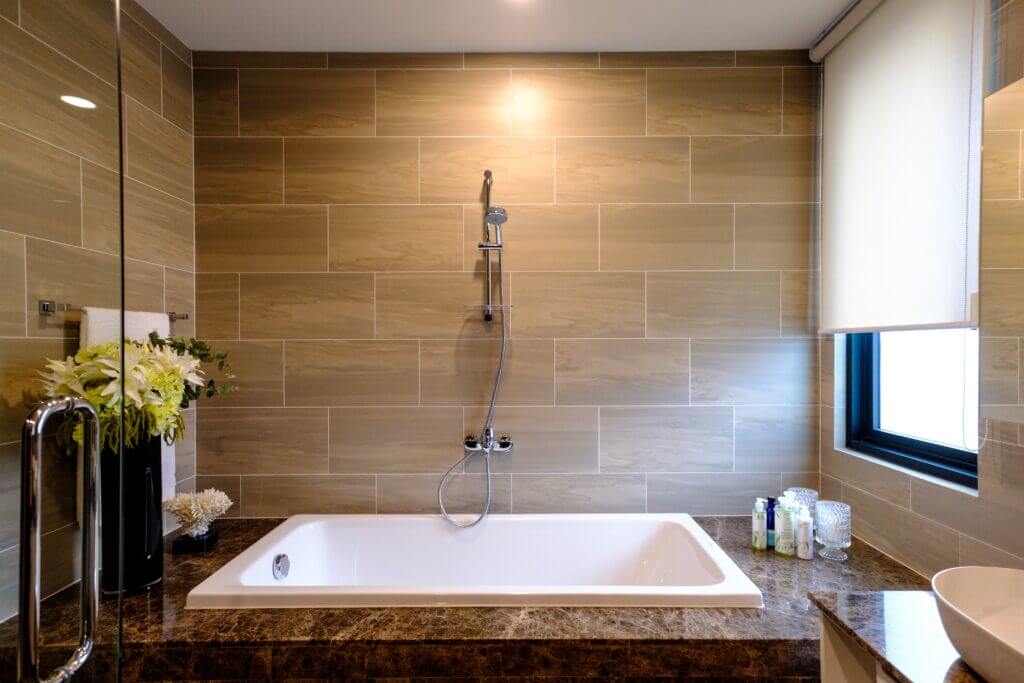
Here’s the median for both projects:
- Refinishing Cost: $400
- Replacement Cost: $3,000 (including labor and materials)
Refinishing is especially ideal if you’re satisfied with the current size and layout of your bathtub but want it to look new again. If you want a new tub style, a bigger or smaller tub, or want your bathtub in a new spot, then you’ll need to budget for a replacement instead.
Pros and Cons of Refinishing Your Bathtub
Though this is a great and relatively affordable option for many homeowners, that doesn’t mean bathtub resurfacing is for everyone. Here’s what to consider.
Pros of Refinishing Your Tub
- Cost-Effective Solution
Refinishing is significantly cheaper than replacing a bathtub, allowing homeowners to update their bathroom on a smaller budget. - Eco-Friendly Choice
By refinishing your bathtub, you keep it out of the landfill, reducing waste and the environmental impact of manufacturing a new tub. - Quick Turnaround
Most professional resurfacing projects are completed in one day, compared to the weeks it may take for a full replacement. - Aesthetic Improvement
Refinishing restores the surface, eliminating stains, discoloration, and minor imperfections, making your tub look brand new. - Durability
A professionally refinished bathtub can last 10–15 years with proper care.
Cons of Refinishing Your Tub
- Limited Lifespan
A refinished tub won’t last as long as a brand-new one. Over time, peeling or chipping may occur, especially if the surface isn’t maintained properly. - Not Suitable for Major Damage
Tubs with significant structural issues, such as large cracks or leaks, may need to be replaced instead of refinished. - Chemical Smell
The process involves the use of chemicals that may emit strong odors. Ventilation and protective measures are essential.
Tips for Reducing Bathtub Reglazing Costs
- Shop Around for Quotes: Get estimates from multiple professionals to find the best price for your area. We suggest always getting three to four quotes – regardless of which home improvement project you’re pursuing – to find the best price. As always, be wary of any quotes that come in much higher or much lower than the others.
- Bundle Services: Refinishing multiple fixtures (e.g., a sink or tiles, or perhaps even multiple tubs in the home) at the same time may lower the overall cost compared to doing each project individually. However, that also means you may need to save up for longer beforehand. If you only have one tub to reglaze and no other fixtures in need of resurfacing, then this strategy won’t work for you.
- Consider DIY Carefully: While DIY kits are cheaper, they require precision and patience. Opt for high-quality kits and follow instructions meticulously for the best results. Budget for equipment rental if needed. If you don’t feel confident, then it’s better to save up for a professional. Otherwise, you could wind up paying more for a tub resurfacing company to remove your DIY job before reglazing.
When to Refinish vs. Replace Your Bathtub
Happy with your tub’s style and placement overall but not sure it qualifies for refinishing? Here’s a quick guide.
Refinish a Tub When…
- The tub is structurally sound but has cosmetic issues.
- You’re on a tight budget.
- The project needs to be completed quickly.
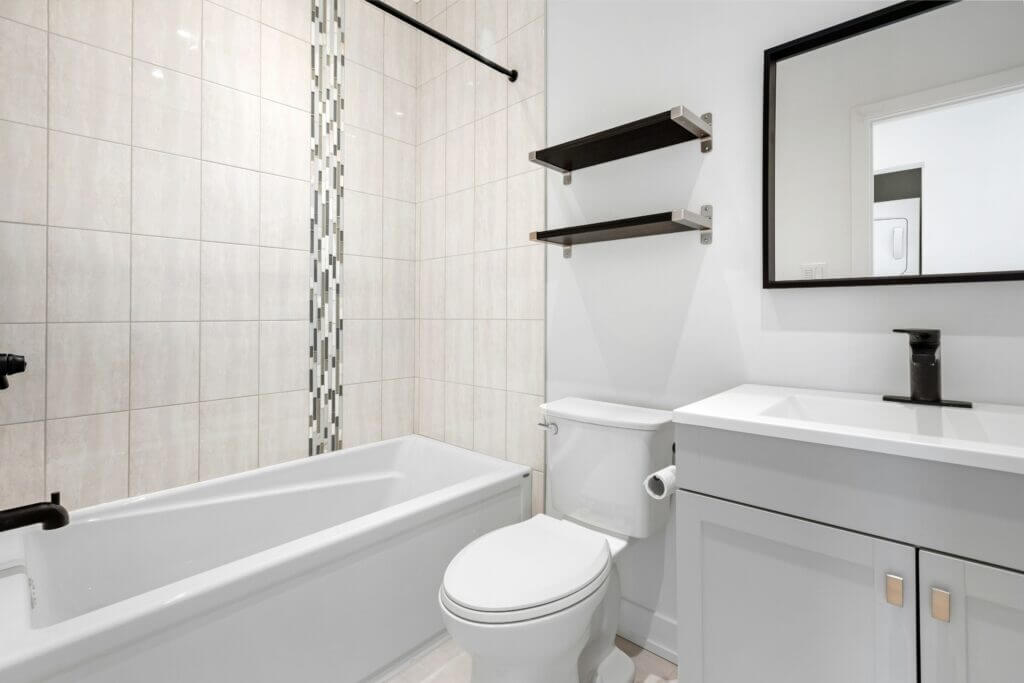
Replace a Tub When…
- The tub is severely damaged or leaking.
- You’re remodeling the entire bathroom.
- You want to change the size, style, or location of the tub.
Bathtub Refinishing Cost: Q&A
Is it worth it to refinish a tub?
Yes, tub refinishing is worth it for many homeowners when the bathtub is structurally sound but looks worn, stained, or outdated. Refinishing typically costs much less than replacing a tub and avoids demolition, plumbing changes, and tile repairs. It is a good option if you want to refresh the look of your bathroom quickly or extend the life of an existing tub before a future remodel.
Refinishing may not be worth it if the tub has deep cracks, structural damage, or severe rust, or if you are already planning a full bathroom remodel in the near future.
How long does tub refinishing last?
A professionally refinished bathtub typically lasts 10 to 15 years with proper care. Longevity depends on the quality of surface preparation, the coating materials used, and how the tub is maintained.
To help your refinished tub last longer:
- Avoid abrasive cleaners and scrubbers.
- Do not use suction-cup bath mats.
- Clean the tub regularly with non-abrasive products.
DIY refinishing kits and poor maintenance usually result in a much shorter lifespan.
What is the difference between resurfacing and reglazing a bathtub?
The terms resurfacing and reglazing are often used interchangeably, but they can refer to slightly different parts of the same process.
- Bathtub reglazing: Refers to applying a new topcoat or glaze to restore the tub’s finish and shine.
- Bathtub resurfacing: A broader term that includes surface repairs, sanding, bonding agents, and applying a new coating system.
In most professional services, resurfacing and reglazing are part of one complete refinishing process. The exact materials and techniques vary by contractor, but the goal is the same — restoring the tub’s appearance and protecting the surface.
The Bottom Line on Cost to Refinish a Bathtub
Bathtub refinishing offers homeowners a cost-effective, eco-friendly way to restore their bathroom without the expense and hassle of replacement. With costs averaging between $200 and $600, refinishing is an excellent option for tubs with minor damage or aesthetic issues. However, it’s essential to weigh the benefits and drawbacks to determine whether refinishing or replacement is the better choice for your home.
If you’re considering bathtub refinishing, contact a local professional for a detailed estimate tailored to your needs. Your dream bathroom makeover might be more affordable than you think!