

How Much Does Luxury Vinyl Plank (LVP) Flooring Cost?
LVP flooring installation usually costs between $6 and $16 per square foot, which includes materials, labor, and underlayment. For a 200-square-foot room, most homeowners pay between $1,200 and $3,200.
If you’re installing LVP throughout a larger area of 500 square feet or more, the total cost is often between $3,000 and $8,000. Prices vary based on wear layer thickness, core type, and brand. Entry-level LVP starts at about $2 per square foot for materials, while premium WPC-core products cost $8 to $10 per square foot before installation.
LVP Flooring Cost by Grade
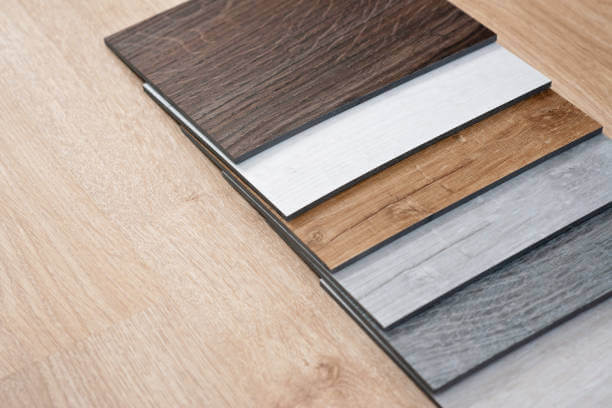
The price of luxury vinyl plank flooring depends mostly on wear layer thickness, core type, and plank thickness. These factors affect how long the floor lasts, how comfortable it feels, and how well it resists moisture.
| LVP grade | Thickness | Wear layer | Material cost (per square foot) | Labor (per square foot) | Total installed (per square foot) |
|---|---|---|---|---|---|
| Entry-level | 4 to 5 millimeters | 6 mil | $2 to $4 | $2 to $5 | $4 to $9 |
| Mid-range | 6 to 8 millimeters | 12 mil | $4 to $7 | $2 to $5 | $6 to $12 |
| Premium (WPC/SPC) | 8 to 12 millimeters | 20 mil+ | $6 to $10 | $3 to $6 | $9 to $16 |
The wear layer is the key feature to look at. It is a clear protective coating on top of the design layer, measured in mils. A 6-mil wear layer is fine for low-traffic bedrooms. For kitchens, hallways, or homes with pets, start with at least 12 mil. A 20-mil or thicker wear layer is commercial grade and lasts longer than most home flooring.
Entry-Level LVP Cost
Entry-level LVP costs $2 to $4 per square foot for materials and $2 to $5 per square foot for labor, for a total installed cost of $4 to $9 per square foot.
Basic, entry-level LVP is 4 to 5 millimeters thick with a 6-mil wear layer. It works well for low-traffic rooms or rentals where saving money matters. Warranties are usually five to 10 years. The design may not look as realistic up close, and the thinner core can make the floor feel less solid and a bit noisier than mid-range or premium LVP.
Mid-Range LVP Cost
Mid-range LVP costs $4 to $7 per square foot for materials and $2 to $5 per square foot for labor, for a total installed cost of $6 to $12 per square foot.
Mid-level LVP is 6 to 8 millimeters thick with a 12-mil wear layer. Most homeowners pick this option. The design looks more realistic, the planks feel sturdier, and warranties are usually 15 to 25 years. Mid-range LVP is a good fit for kitchens, living rooms, and homes with pets. It balances performance and cost well.
Premium LVP (WPC/SPC) Cost
Premium LVP costs $6 to $10 per square foot for materials and $3 to $6 per square foot for labor, for a total installed cost of $9 to $16 per square foot.
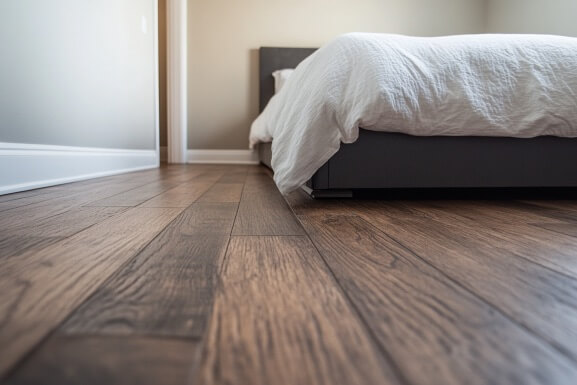
High-end, premium LVP uses a WPC (wood-plastic composite) or SPC (stone-plastic composite) core instead of regular PVC. WPC cores add cushion and warmth, making them more comfortable for standing, which is great for kitchens. SPC cores are denser and more stable, so they work better in places with big temperature changes, like sunrooms. Both types handle moisture better than standard LVP and usually have wear layers of 20 mil or more. Premium LVP often comes with warranties of 30 years or even a lifetime.
LVP Flooring Cost by Room Size
| Room size | Entry-level (installed) | Mid-range (installed) | Premium (installed) |
|---|---|---|---|
| 100 square feet | $400 to $900 | $600 to $1,200 | $900 to $1,600 |
| 200 square feet | $800 to $1,800 | $1,200 to $2,400 | $1,800 to $3,200 |
| 300 square feet | $1,200 to $2,700 | $1,800 to $3,600 | $2,700 to $4,800 |
| 500 square feet | $2,000 to $4,500 | $3,000 to $6,000 | $4,500 to $8,000 |
| 1,000 square feet | $4,000 to $9,000 | $6,000 to $12,000 | $9,000 to $16,000 |
Buy about 10% more material than your room’s size to cover cuts and waste. If your layout is diagonal or your room has lots of angles, plan for 15% extra.
LVP Flooring Cost by Brand
Brand prices are mostly based on core type, wear layer thickness, and warranty length, not just marketing. Here is how major LVP brands compare in material cost before installation.
| Brand | Material cost (per square foot) | Known for |
|---|---|---|
| LifeProof (Home Depot) | $2 to $4 | Budget-friendly entry point with solid waterproofing |
| Shaw Floorté | $2.50 to $5.50 | Wide style range, consistent quality across tiers |
| Mohawk SolidTech | $2.50 to $4.50 | Good durability-to-cost ratio, widely available |
| Armstrong Luxe Plank | $2.50 to $4 | Realistic wood and stone designs, strong warranty |
| Mannington Adura Max | $3 to $6 | Above-average soundproofing, comfort-focused construction |
| COREtec Plus | $3.80 to $7 | Patented cork underlayment core, strong water resistance |
| Karndean Designflooring | $4 to $6 | High-end aesthetics, commercial-grade wear layers |
Prices can vary by product line, store, and region. Big-box stores often have good deals on entry-level options, while specialty flooring stores carry higher-end products you may not find at Home Depot or Lowe’s. Always check if the price includes underlayment, since some LVP has it pre-attached, which can change the real cost.
What Does Labor Cost to Install LVP Flooring?
Labor to install LVP usually costs $2 to $6 per square foot. This is about the same as laminate and less than tile or hardwood. Click-lock LVP installs quickly without glue or grout, which helps keep labor costs lower.
Additional costs to budget for separately:
- Underlayment: $0.50 to $1 per square foot if not pre-attached to the plank
- Old floor removal: $1 to $2 per square foot
- Subfloor leveling: $1 to $3 per square foot if needed
- Transitions and trim: $1 to $3 per linear foot
- Stair installation: $30 to $80 per stair, priced separately
Most contractors charge a minimum of $150 to $300 per job, no matter the size. For small rooms, this minimum often matters more than the per-square-foot rate. If your project is under 100 square feet, ask for a flat quote.
What Factors Affect the Cost of LVP Flooring?
Several details can raise or lower your total project cost.
Wear Layer Thickness
This is the key feature for both price and how long your floor will last. Upgrading from a 6-mil to a 12-mil wear layer usually adds $1 to $2 per square foot, but it can double the floor’s lifespan in busy areas. For rooms with regular foot traffic, start with 12 mil as your baseline, not just as an upgrade.
Core Type: SPC vs. WPC vs. Standard PVC
Standard LVP has a solid PVC core. WPC adds a foamed layer, making the floor softer and quieter. SPC uses a stone-plastic composite, which is denser and better for handling temperature changes. WPC and SPC usually cost $1 to $3 more per square foot than standard PVC, but they are worth it for basements, rooms with radiant heat, or places with big temperature swings.
Subfloor Condition
LVP needs a flat subfloor. Most manufacturers recommend no more than 3/16 inch of height difference over 10 feet. If the floor is too uneven, the planks can flex, separate, or crack. Leveling or patching the subfloor adds $1 to $3 per square foot, but it is important for a floor that lasts.
Installation Method
Most homes use floating click-lock LVP, which is faster and less expensive to install. Some places, like commercial spaces or rooms with heavy rolling loads, need a full glue-down method. This adds to the cost for adhesive and labor.
Room Complexity and Layout Pattern
Simple, rectangular rooms are the fastest to install. Rooms with lots of doorways, alcoves, or built-ins need more cuts and take longer. Diagonal layouts create about 15% more material waste and add $1 to $2 per square foot in labor. Herringbone patterns are even more complex and usually cost extra.
Geographic Location
Labor costs are 20% to 40% higher in expensive cities than the national average. Material prices are more consistent across the country, but premium products might not be available everywhere.
What Is LVP Flooring?
Luxury vinyl plank (LVP) is a type of synthetic flooring made mostly from polyvinyl chloride (PVC). It is designed to look and feel like real hardwood or stone. LVP is fully waterproof, holds its shape well, and is much more durable than older vinyl floors.
Modern LVP is constructed in four to five layers:
- Wear layer: This is the clear, hard surface coat that protects against scratches, scuffs, and stains. The thickness is measured in mils. Thicker wear layers last longer and do a better job resisting pet claws and heavy furniture.
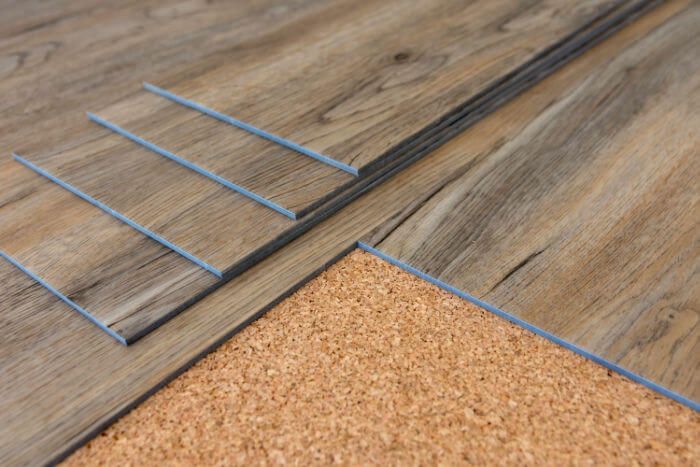
- Design layer: This is a high-resolution photographic print that replicates wood grain, stone, or tile. Premium LVP combines the design layer with embossed surface texture that matches the print, which gives it a more realistic feel underfoot.
- Core layer: This is the structural center of the plank. A standard PVC core is rigid and waterproof. WPC adds a foamed layer for extra softness and sound absorption. SPC is denser and more stable in shape.
- Underlayment or backing layer: This is a foam or cork backing that cushions the floor and helps reduce sound. Many premium LVP products have this layer already attached.
LVP vs. Standard Vinyl Flooring
Luxury vinyl plank is different from standard vinyl because older sheet vinyl and vinyl tile usually have only two or three layers and are thinner and less sturdy. LVP’s thicker, multi-layer build makes it stronger, more realistic in texture, and more durable than standard vinyl.
LVP vs. Laminate Flooring
Both LVP and laminate look like hardwood but cost less than real wood. LVP is completely waterproof, while laminate is only water-resistant and can swell if water gets into the seams. Laminate may look a bit more realistic up close and feels firmer because of its high-density fiberboard core. LVP is better for wet areas, but both work well in living rooms, bedrooms, and hallways.
DIY vs. Hiring a Pro for LVP Flooring
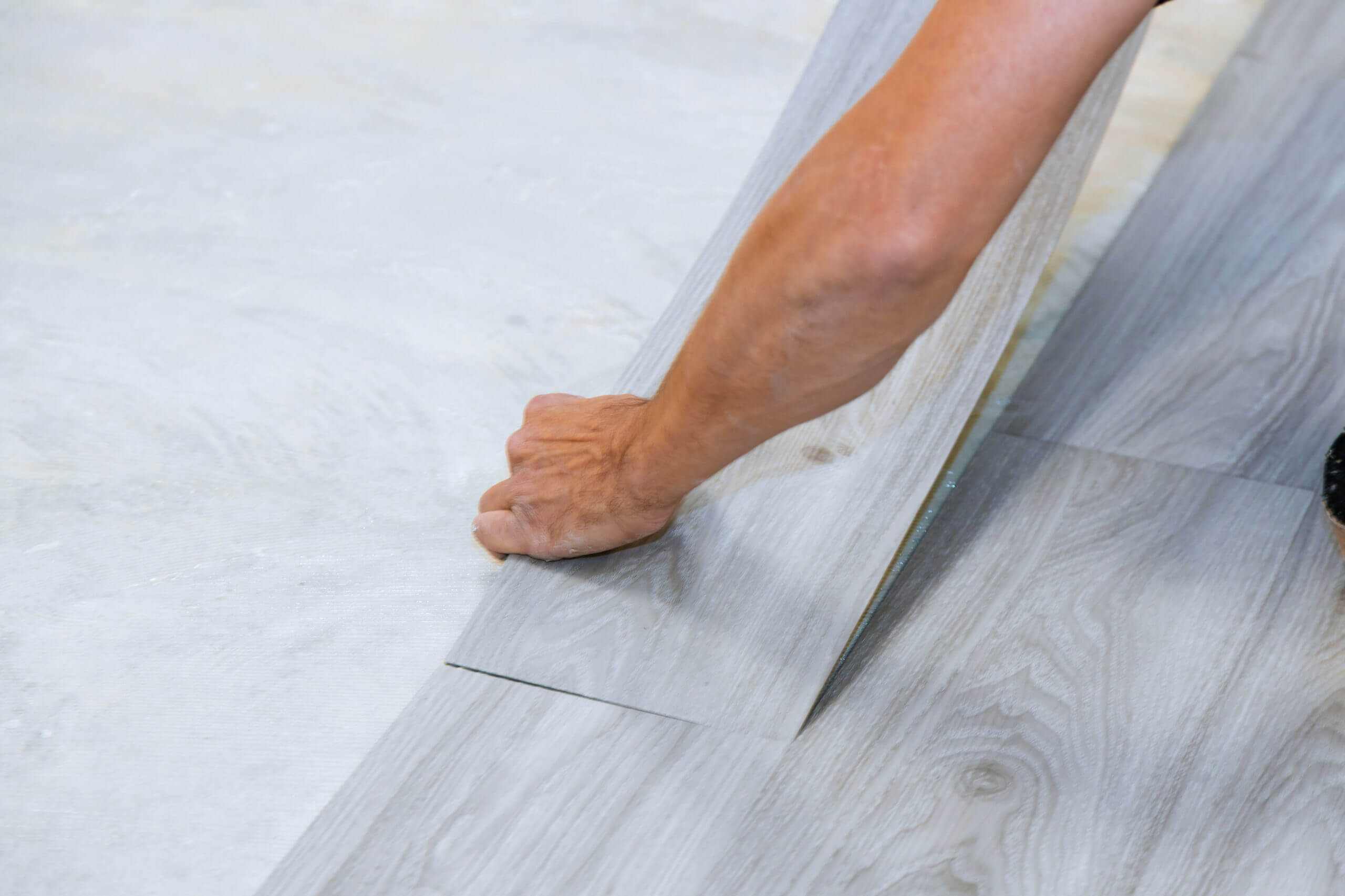
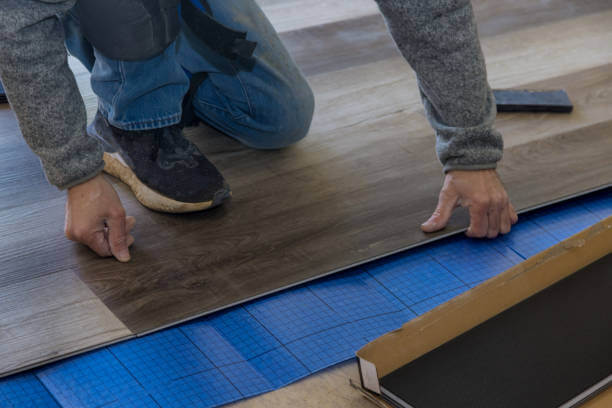
LVP is one of the easiest floors to install yourself. The click-lock system does not need glue, and the floating method means you do not have to attach it to the subfloor. Most homeowners with basic tools can finish a standard room in a day using a miter saw, pull bar, tapping block, and spacers. This can save $2 to $6 per square foot in labor, or $400 to $1,200 for a 200-square-foot room.
DIY LVP installation works best when:
- The room is a straightforward shape without many obstacles
- The subfloor is already flat and in solid condition
- You are working with click-lock floating planks, not glue-down
- The layout is a standard straight or staggered pattern
When to Hire a Pro
It is best to hire a professional if your project needs subfloor leveling, has a complicated room shape, uses a herringbone or diagonal layout, or covers several rooms where alignment matters. Pros also handle tricky steps like cutting under door frames, managing expansion at transitions, and making sure the first row is perfectly straight. These are the areas where DIY projects often run into problems.
LVP Flooring: Pros and Cons
Pros
- 100% waterproof, so it is safe for kitchens, bathrooms, and basements where laminate and hardwood are not
- Highly scratch-resistant with a 12-mil or thicker wear layer and can handle pets and high traffic well
- Low maintenance: Regular sweeping and occasional damp mopping is all it needs
- Realistic wood and stone looks at a fraction of real hardwood or stone cost
- Comfortable and quiet underfoot, especially WPC-core products
- DIY-friendly click-lock installation reduces labor costs significantly
- Wide range of styles, plank widths, and finishes
Cons
- Cannot be refinished, so scratches or damage beyond the wear layer require plank replacement
- Prolonged direct sunlight can fade some products over time, so look for UV-resistant wear layer ratings if this is a concern
- Adds less resale value than real hardwood, though updated LVP is viewed favorably by buyers compared to worn carpet or dated vinyl
- PVC manufacturing has environmental tradeoffs, so look for FloorScore or GreenGuard certification if low-VOC emissions are a priority
- Feels less solid underfoot than hardwood or tile to buyers who are familiar with both
Connect with the best flooring installation pros in your area. Easily get quotes & compare prices.
Compare top-rated flooring pros in your area.
Read real homeowner reviews, explore qualifications, and view promotions. Modernize makes it easy to browse professionals and find one that will be perfect for your project.



FAQs About LVP Flooring
-
Vinyl Flooring Installation
How Much Does Vinyl Flooring Installation Cost? Installing vinyl flooring typically costs $4 to $12 per square foot, covering both materials and labor. For a 200-square-foot room, you can expect... -
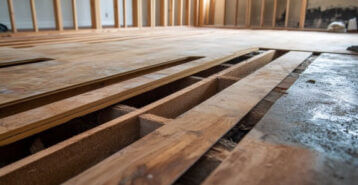
Subfloor Replacement Costs
Key Takeaways Most subfloor replacement projects cost $1,500 to $5,000, with labor typically making up the largest share A well-installed subfloor lasts up to 30 years — problems arise sooner... -
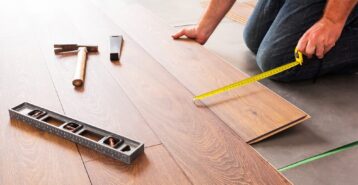
Flooring Installation Cost
How Much Does Flooring Installation Cost? Flooring installation costs can vary more than most other home improvement projects. For example, a basic vinyl update and a high-end hardwood installation can... -
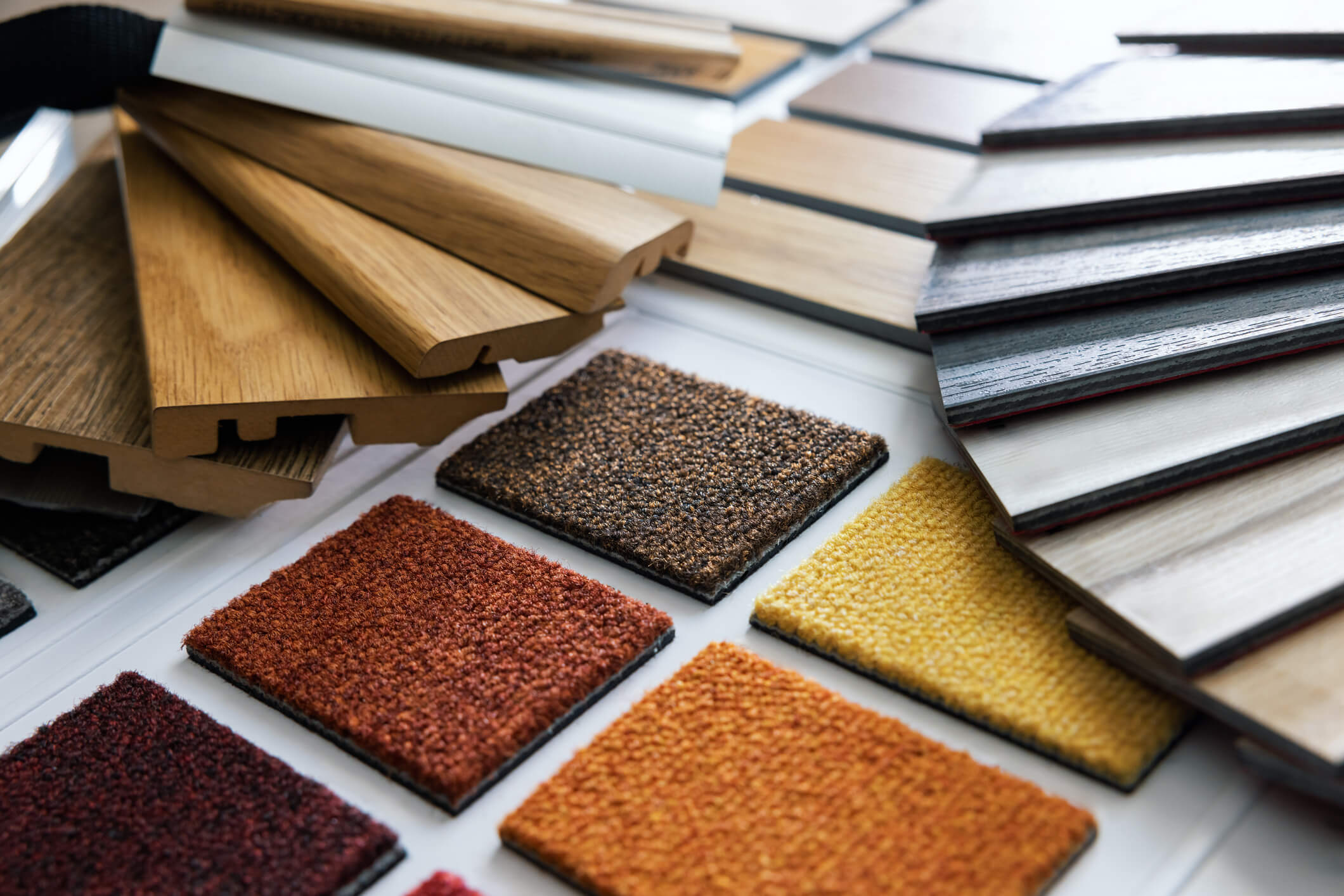
Types of Flooring
Types of Flooring: A Complete Comparison Guide The most popular flooring types include hardwood, luxury vinyl plank (LVP), tile, laminate, carpet, engineered hardwood, and vinyl sheet. Your best option depends... -
Best Flooring Companies
Best National Flooring Companies & Retailers In the U.S., the biggest flooring companies fit into two main groups. Some are full-service installers that manage everything from your first consultation to... -
Tile Flooring Installation
Tile Installation Cost by Type Tile materials vary widely in price. Ceramic is the most budget-friendly option, while natural stone and custom designs are at the higher end. Installed cost...