Generators
How Much Does Standby Generator Maintenance Cost?
Average Cost: $200 – $600
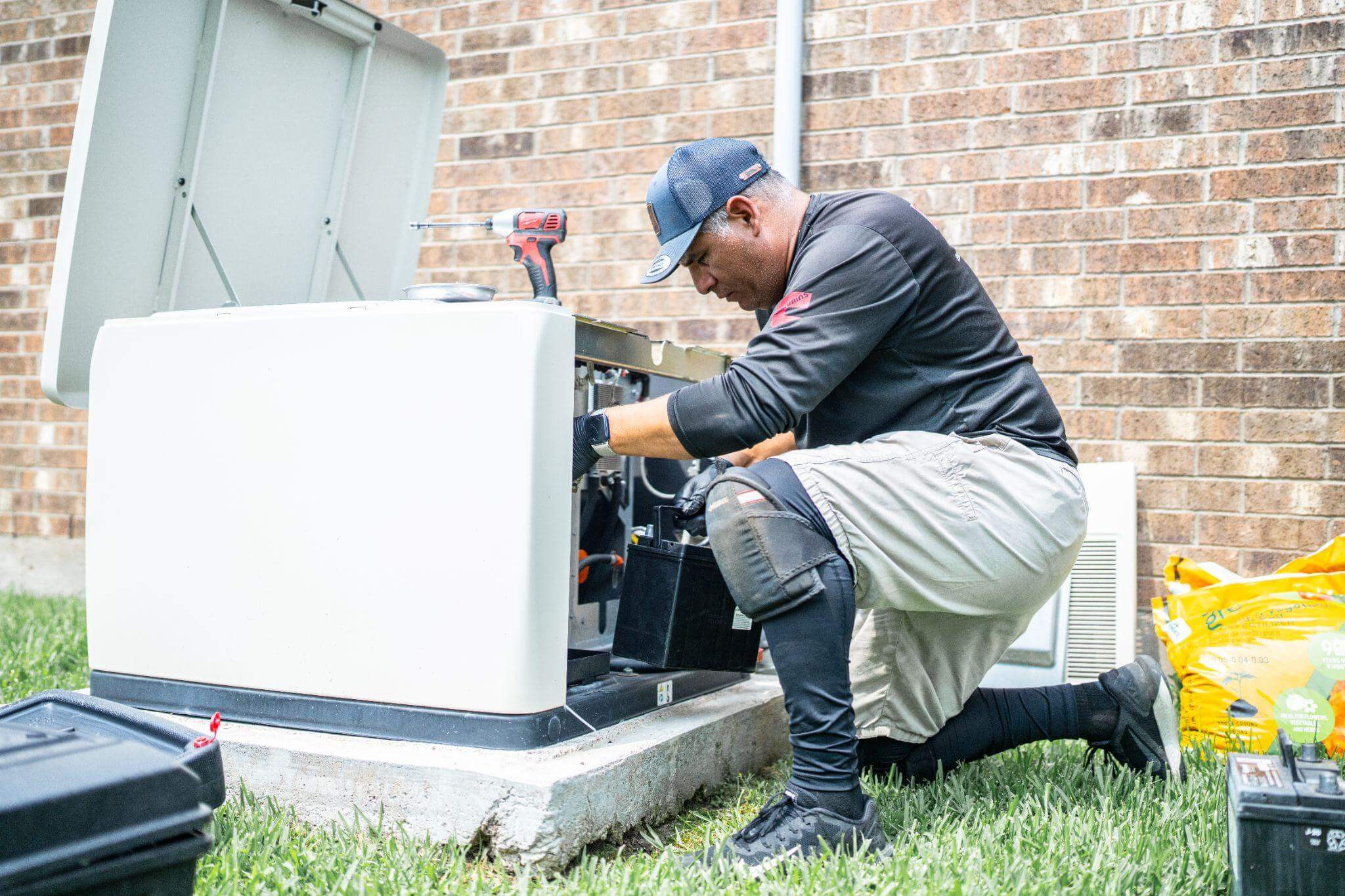
On average, standby generator maintenance costs homeowners $200 to $600 per year. Regular inspections and fluid changes are necessary for reliability and longevity, even if the generator is rarely used. Routine maintenance prevents breakdowns and helps avoid costly repairs during outages. This guide explains what standby generator maintenance typically costs, what’s included, and why ongoing service matters.
Connect with the best generator pros near you.

The Modernize Mission
We help homeowners make confident decisions through our reliable, up-to-date, and unbiased information and average project costs. All of our content is thoroughly reviewed and fact-checked by our team of home improvement experts. Learn more about how we maintain these values.
Table of Contents
- Average Cost of Standby Generator Maintenance
- What Is Standby Generator Maintenance?
- What's Included in Standby Generator Maintenance?
- Factors That Affect Standby Generator Maintenance Costs
- Maintenance Plans vs. Pay-As-You-Go Service
- DIY vs. Professional Standby Generator Maintenance
- Is Standby Generator Maintenance Worth the Cost?
- How Often Does a Standby Generator Need Maintenance?
- What Happens If You Skip Generator Maintenance?
- FAQs About Standby Generator Maintenance Costs
Average Cost of Standby Generator Maintenance
Standby generator maintenance costs vary, but most homeowners fall within predictable ranges of between $200 and $600 per year. Pricing depends on factors like generator size, fuel type, usage, and local labor rates.
Annual Maintenance Costs
For professional maintenance, homeowners typically pay $200 to $600 per year for standard residential standby generators.
This range usually applies to generators between 10 kilowatts (kW) and 24 kW, which are common for single-family homes.
Factors that influence annual cost include:
- Generator capacity (larger units cost more to service)
- Fuel type (natural gas, propane, or diesel)
- Whether service is part of a maintenance plan
- Local labor and service rates
Homes with larger generators, frequent outages, or diesel systems may see costs closer to the high end of the range.
See what your standby generator installation, repair, or maintenance will cost.
One-Time Service Visit Costs
If you choose not to enroll in a maintenance plan and instead schedule service as needed, expect to pay $150 to $400 per visit for a single maintenance appointment.
One-time visits often cost more per service because they don’t include bundled pricing or priority scheduling. Additional repairs, parts, or emergency service calls can increase the total cost beyond the base visit fee.
What Is Standby Generator Maintenance?
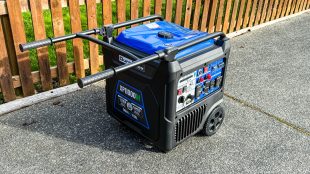
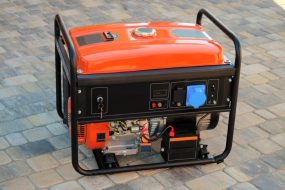
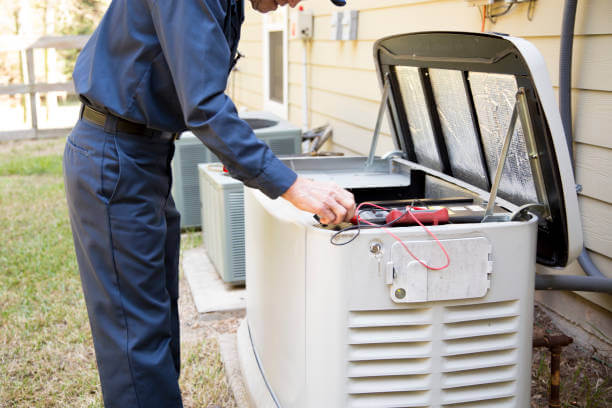
Standby generator maintenance is routine servicing performed to keep your generator ready to run during an outage. Unlike portable generators, standby generators are permanently installed and connected to your home’s electrical system, which means they must meet safety and performance standards year-round.
Even if the generator only runs during occasional outages, maintenance is still required because:
- Fluids break down over time
- Batteries lose charge
- Electrical connections can loosen or corrode
- Software and control systems need periodic testing
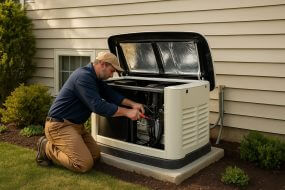
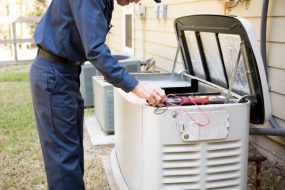
Most maintenance visits include inspections, testing under load (simulating real power use), and replacing wear items like oil and filters. These steps help ensure your generator starts automatically and runs safely when utility power fails.
What’s Included in Standby Generator Maintenance?
Most professional standby generator maintenance visits follow a standard checklist designed to keep the system reliable and safe. While exact services vary by provider and generator type, homeowners can generally expect the following:
1. Inspection and Testing
This portion focuses on making sure the generator will start and run properly during an outage. Common inspection and testing tasks include:
- Visual inspection of the generator, wiring, and enclosure
- System diagnostics to check sensors, alerts, and control settings
- Load testing, which runs the generator under simulated power demand
- Automatic transfer switch check to confirm the generator turns on when utility power fails
Load testing is especially important because it verifies the generator can handle real household electrical loads, not just idle operation.
2. Oil, Filters, and Fluids
Like a car engine, a standby generator relies on clean fluids to operate correctly. Typical fluid-related services include:
- Oil change (based on time or runtime hours)
- Oil filter replacement
- Air filter inspection or replacement
- Coolant level check (for liquid-cooled generators)
These routine replacements help prevent overheating, internal wear, and engine damage over time.
3. Battery and Electrical Components
The battery is one of the most common failure points in standby generators. Maintenance usually includes:
- Battery voltage and charge testing
- Cleaning and tightening battery terminals
- Basic electrical connection checks
- Starter and charging system inspection
Factors That Affect Standby Generator Maintenance Costs
Standby generator maintenance costs aren’t one-size-fits-all. Several factors influence how much homeowners ultimately pay each year.
Generator Size and Power Output
Larger generators cost more to maintain because they:
- Use more oil and larger filters
- Take longer to inspect and test
- Often have more complex cooling and electrical systems
A small 10 to 14 kW generator is usually less expensive to maintain than a whole-home 22 to 24 kW unit.
Fuel Type
Fuel choice affects maintenance needs and costs:
- Natural gas: Generally lower maintenance due to cleaner combustion
- Propane: Similar to natural gas but may require tank and fuel checks
- Diesel: Higher maintenance needs due to fuel quality issues and more frequent service intervals
Diesel generators often sit at the higher end of maintenance cost ranges.
Usage Frequency and Runtime
Generators that run more often require more frequent service. Higher costs may apply if:
- Your area experiences frequent outages
- The generator runs for long durations during storms
- Oil changes are needed more often due to runtime hours
Even standby units that rarely run still need annual maintenance, but heavy use can increase costs.
Location and Local Labor Rates
Where you live plays a role in pricing. Maintenance costs may be higher in areas with:
- Higher local labor rates
- Limited generator service providers
- Difficult access to the generator (tight spaces, fenced enclosures, snow-prone regions)
Rural or remote locations may also see travel or service call surcharges.
Maintenance Plans vs. Pay-As-You-Go Service
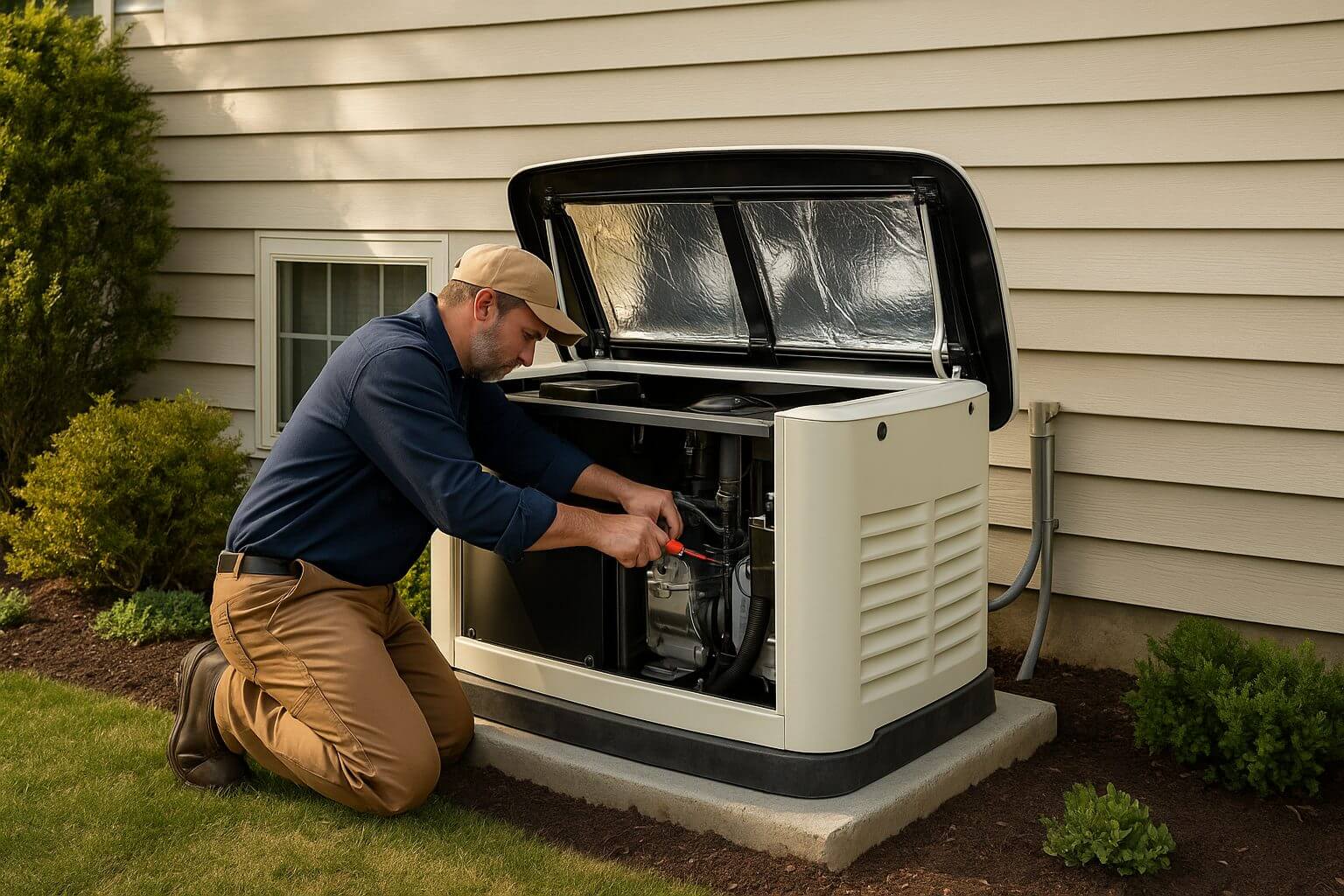
Homeowners typically choose between an ongoing maintenance plan or scheduling service only when needed. Each option has trade-offs.
Generator Maintenance Plans
Maintenance plans usually include:
- Annual or semi-annual service visits
- Priority scheduling during peak outage seasons
- Discounted labor or parts
- Service reminders and documentation
On average, maintenance plans cost $250 to $600 per year, depending on generator size and coverage level
Maintenance plans are often best for homeowners who want predictable costs, minimal hassle, and consistent upkeep, especially for whole-home generators.
Paying Per Visit
With pay-as-you-go service, you only schedule maintenance when you choose.
Pros:
- No annual commitment
- Lower upfront cost in some years
Cons:
- Higher per-visit pricing
- No priority service during emergencies
- Easier to forget routine maintenance
This option may work for homeowners with smaller generators or infrequent outages, but it often costs more over time if multiple visits are needed.
DIY vs. Professional Standby Generator Maintenance
Some basic generator upkeep can be handled by homeowners, but standby generators are complex systems that often require professional service. Knowing the difference helps you avoid safety risks and warranty issues.
What Homeowners Can Do Themselves
Homeowners with little technical experience can usually handle a few light maintenance tasks, such as:
- Visually inspecting the generator for debris, leaks, or damage
- Keeping the area clear of leaves, snow, and obstructions
- Checking warning lights or alerts on the control panel
- Monitoring exercise cycles to ensure the generator runs automatically
- Reviewing service reminders or maintenance logs
These tasks help catch obvious problems early but do not replace professional servicing.
When to Hire a Professional
Professional technicians are required for tasks involving electrical systems, fuel, or internal engine components. You should hire a professional for:
- Oil and filter changes
- Load testing and system diagnostics
- Battery testing and replacement
- Electrical and transfer switch inspections
- Fuel system checks and adjustments
Most manufacturers also require documented professional maintenance to keep warranties valid.
Is Standby Generator Maintenance Worth the Cost?
For most homeowners, yes, standby generator maintenance is worth the cost.
Regular maintenance helps:
- Prevent failures during outages, when power matters most
- Extend the generator’s lifespan, often by several years
- Reduce emergency repair costs, which can be far more expensive than routine service
- Maintain warranty coverage and resale value
Skipping maintenance may save a few hundred dollars in the short term, but it increases the risk of costly repairs or total system failure later.
How Often Does a Standby Generator Need Maintenance?
Most residential standby generators need professional maintenance once per year at a minimum.
Some situations require more frequent service, such as:
- Heavy generator use during long outages
- Diesel-powered generators
- Homes in extreme climates (very hot, cold, or humid areas)
In addition to annual professional service, most generators perform weekly or monthly self-exercise cycles. These automatic test runs do not replace maintenance but help identify issues early.
What Happens If You Skip Generator Maintenance?
Skipping standby generator maintenance increases the risk that your system won’t work when you need it most. Many generator failures during outages are traced back to missed or delayed maintenance.
Potential consequences include:
- Failure to start during a power outage, often due to battery or fuel issues
- Reduced power output, causing circuits to trip or appliances to shut down
- Higher repair costs, especially if engine damage occurs
- Shortened generator lifespan from untreated wear and corrosion
- Voided manufacturer warranties due to lack of documented service
What seems like a small cost savings can quickly turn into a major inconvenience or an expensive repair during a prolonged outage.
Connect with local pros to schedule your generator maintenance service today.