Gutters
Are Gutter Guards Worth It? A Homeowner's Guide
Gutter guards are designed to make things easier by reducing cleaning, lowering the risk of clogs, and helping protect your home from water damage with less effort. But they aren’t free, and the market is full of products that range from genuinely effective to nearly useless. Before you invest, it’s worth understanding how they actually work, whether they deliver on their promises, and whether the cost makes sense for your home.
Find the best gutters pros in your area.

The Modernize Mission
We help homeowners make confident decisions through our reliable, up-to-date, and unbiased information and average project costs. All of our content is thoroughly reviewed and fact-checked by our team of home improvement experts. Learn more about how we maintain these values.
How Do Gutter Guards Work?
Gutter guards are covers, screens, or inserts that go on top of or inside your gutters. They let rainwater in but keep out leaves, twigs, seed pods, pine needles, and other debris. Each type works a bit differently, and every design has its pros and cons.
Learn more about each type and its pros and cons in our guide to gutter guards.
Mesh and Micro-Mesh Screens
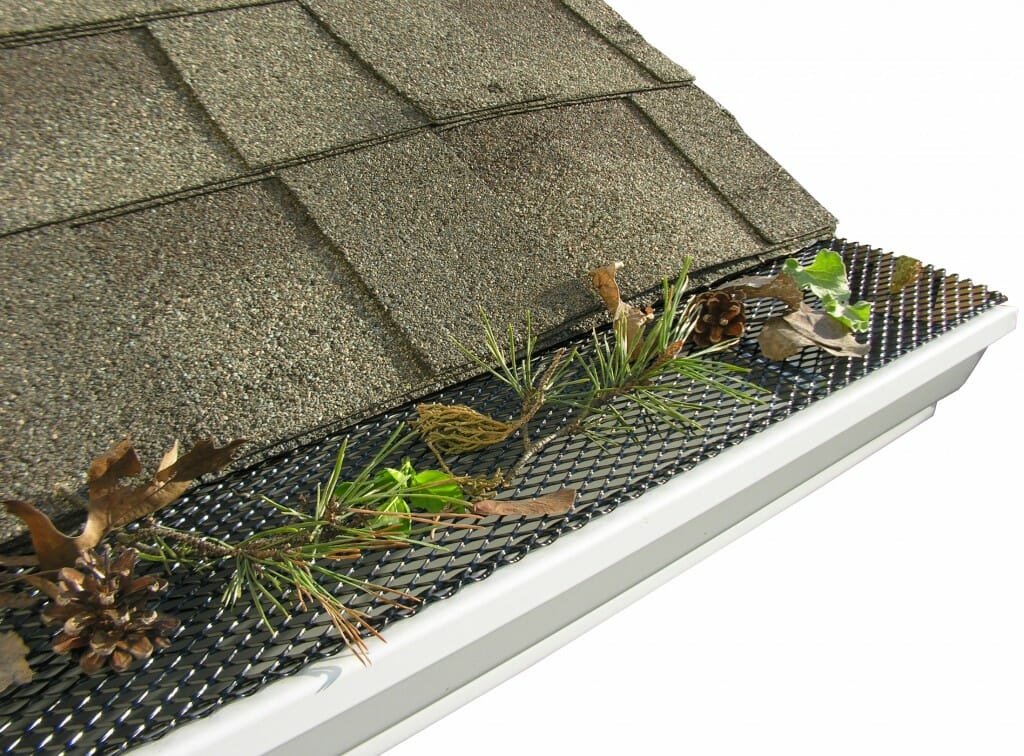
Mesh guards are metal or plastic screens with small holes that let water through but block debris. Standard mesh screens have bigger openings that stop leaves and larger debris, but smaller things like pine needles and shingle grit can still get in.
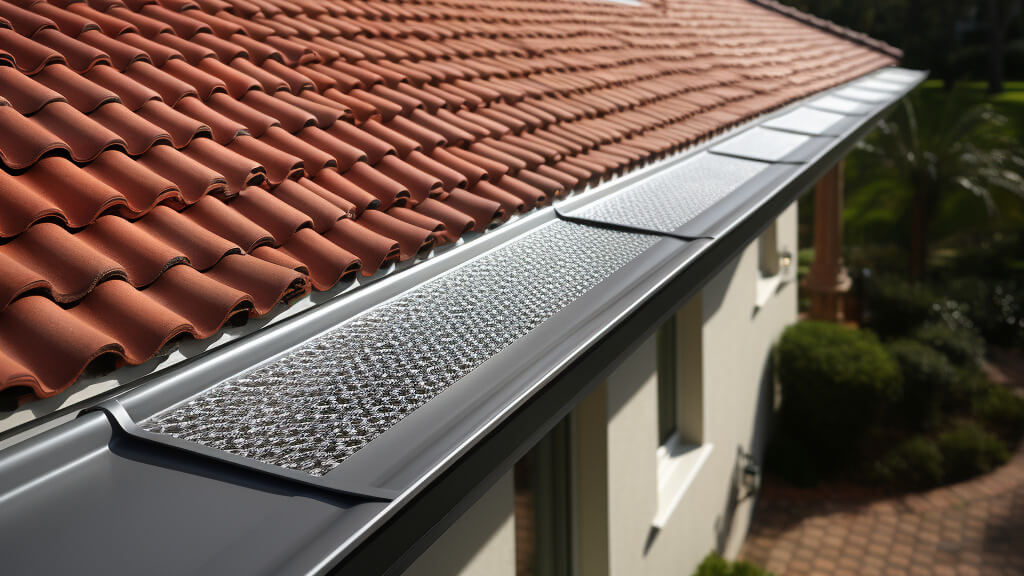
Micro-mesh guards go further, using very fine openings, often measured in microns, to block almost everything except water. Many people consider micro-mesh guards the most effective type, but they usually cost more than other options.
Reverse Curve Guards
These are also called surface tension guards. They use a curved cover to direct water into the gutter, while debris is supposed to fall off the front. They handle heavy rain well but can struggle with small debris, which sometimes follows the water into the gutter. Reverse curve guards are also easier to see from the ground, which some homeowners may not prefer.
Foam Inserts
Foam guards are made of porous foam and sit inside the gutter. Water passes through, while debris stays on top and should blow away or dry out so you can brush it off. However, foam inserts can trap seeds, moss, and plant roots, which makes them hard to clean unless you remove them. They are inexpensive at first but usually do not last as long as other types.
Brush Guards
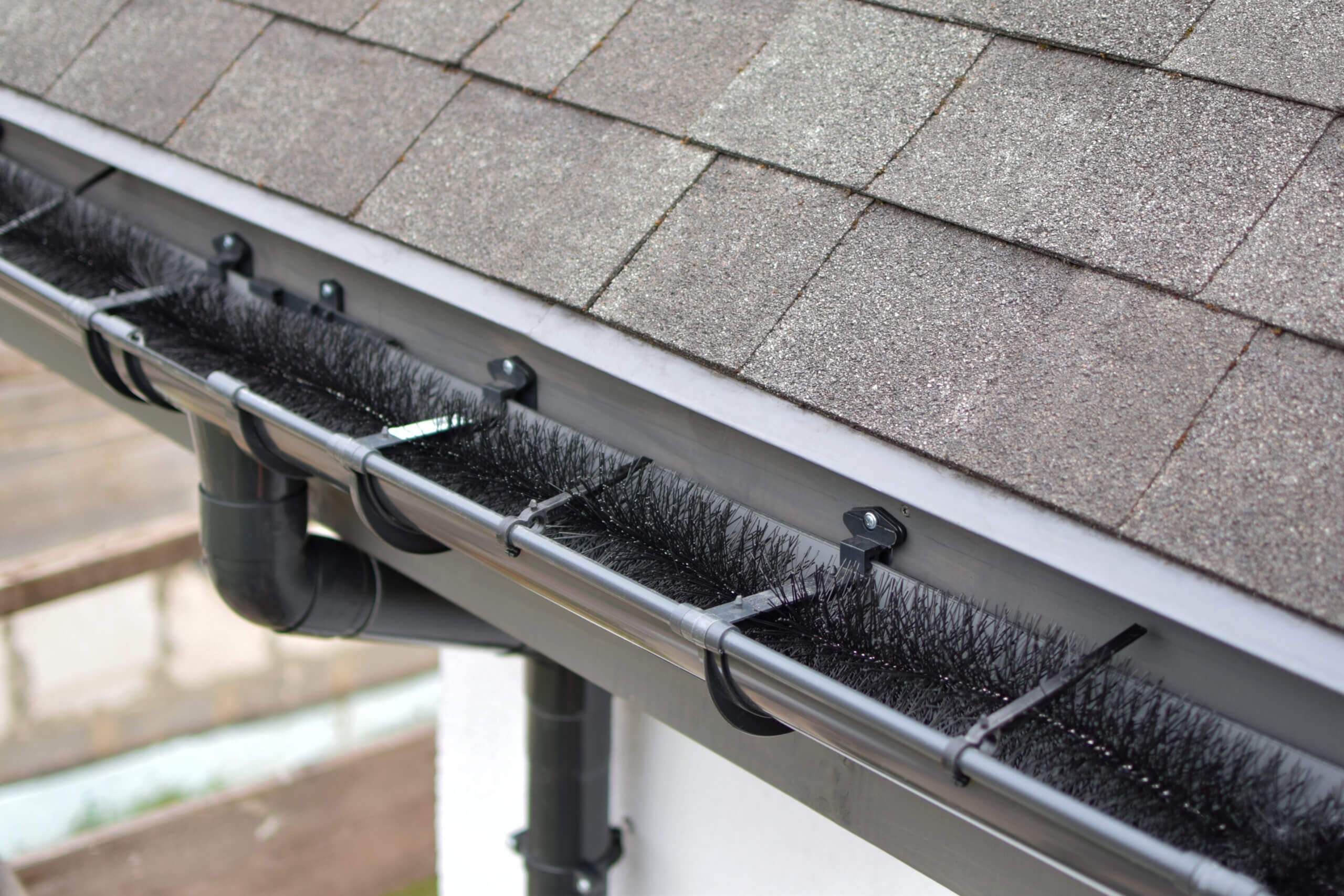
Brush guards work much like foam inserts. They sit inside the gutter and use bristles to catch debris on top while water flows through. Like foam, they can trap debris in the bristles, which makes cleaning harder over time. They are best for areas with little debris and need regular maintenance.
Perforated Covers
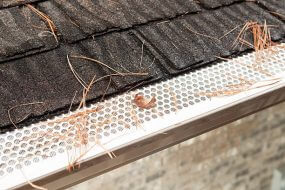
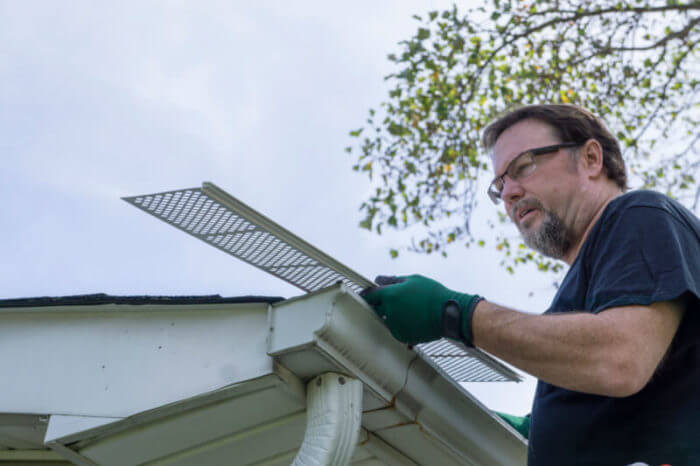
These are solid covers with small holes that sit on top of the gutter. They block larger debris well and are usually made from aluminum, so they are durable. However, the holes can get blocked by smaller debris over time, and they may not handle very heavy rain as well as mesh or micro-mesh designs.
Do Gutter Guards Work?
The short answer is yes, but there are some important details to consider. Gutter guards do reduce how often your gutters clog and how much debris gets in. A good gutter guard, installed properly, will make you clean your gutters less often and lower the chance of a serious blockage. However, they do not remove the need for gutter maintenance completely, and you should not believe any claim that a product is totally maintenance-free.
How well a gutter guard works depends on a few important factors.
Type of Debris
The kind and amount of debris near your home is very important. A micro-mesh guard may work well if you have big leafy trees, but it might not do as well with fine needles from pine or fir trees. Seed pods, maple seeds, and shingle grit can also be tough for any system. The more trees you have and the more types of debris they drop, the harder it is for any gutter guard to keep up.
Proper Installation
How well the guard is installed matters just as much. If the guard is not fitted properly, leaves gaps, or does not sit tightly against the roof, debris can still get in. Professional installation lowers this risk, especially for high-end micro-mesh systems that need to fit exactly.
Climate
Climate plays a role as well. In areas with heavy rainfall, the water volume per hour matters. Some guard designs can cause water to overshoot the gutter entirely during a heavy downpour if the guard surface becomes temporarily overwhelmed. In colder climates, ice and snow can compress or damage certain guard types over winter and may contribute to ice dam formation if airflow under the guard is restricted.
Even the best gutter guards will collect some debris on top that needs to be cleared off, and most should be checked at least once a year to make sure they are working. A good gutter guard does not mean no maintenance, but it does mean less work and better protection than having no guard at all.
Are Gutter Guards Worth It?
Whether gutter guards are worth the investment depends on your specific situation. For many homeowners, they represent genuine long-term value. For others, the economics are less compelling. Here’s how to think through it.
The case for gutter guards is strongest when:
- You have a lot of trees near your home, especially if they drop debris in different seasons — like leaves in the fall, seeds or pollen in the spring, and needles or twigs all year. The more often you would need to clean your gutters, the more helpful a guard will be.
- Your home has more than one story or is hard to reach. Cleaning gutters on a two- or three-story house can be dangerous. If you pay a professional $150 to $300 or more each time, and you need this done two to four times a year, the costs add up fast. A good gutter guard that cuts these visits down to once a year or less can pay for itself in a few years.
- You have had water damage from clogged gutters. If you have had basement flooding, foundation problems, rotting fascia, or leaks inside your home because of blocked gutters, the price of a guard is small compared to the cost of fixing those issues.
- You simply don’t want to deal with gutter cleaning. That’s a legitimate consideration. The time, effort, and safety risk involved in cleaning gutters regularly are real costs even if they don’t show up as a line item on a bill.
When They May Not Be as Worthwhile
Gutter guards may not be worth the investment if:
- Your home has minimal tree coverage and your gutters rarely clog. If you clean your gutters once a year and they’re never particularly full, a high-end gutter guard system may cost more than it saves over its lifespan.
- You’re looking at the cheapest options on the market. Inexpensive foam, brush, or basic plastic screen guards often create more problems than they solve. If budget constraints mean choosing between a low-quality guard and no guard, the math frequently favors skipping the guard and putting that money toward regular professional cleaning instead.
How Much Do Gutter Guards Cost?
Gutter guard costs vary greatly depending on the type and how they are installed.
- Basic screen guards cost about $1.50 to $6 per linear foot.
- Mid-range aluminum or steel mesh guards cost $5 to $10 per foot.
- High-end micro-mesh systems installed by a professional usually cost $8 to $25 per foot or more.
For an average house, a full installation can cost $800 to $5,000 or more, depending on your gutters.
Higher-end products usually work better and last longer than cheaper ones. Quality aluminum micro-mesh systems can last 20 years or more. For most homeowners, mid-range products offer the best mix of price and performance.
How to Choose the Right Gutter Guard
Once you’ve decided gutter guards make sense for your home, narrowing down the right type comes down to a few practical considerations.
- Start with the debris your gutters actually collect. If leaves are your primary problem, a wider range of guard types will serve you well. If you’re dealing with pine needles, fine seeds, or shingle grit, micro-mesh is your best option.
- Consider your rainfall patterns. If your area gets intense, high-volume rainstorms, look for guards with strong water-flow capacity and avoid designs known to cause water overshoot during heavy rain
- Match the guard to your gutter size and profile. Most guards are designed for standard 5-inch K-style gutters, but if your home has 6-inch gutters, half-round gutters, or any non-standard configuration, confirm compatibility before purchasing.
- Think about long-term maintenance. Foam and brush inserts may be inexpensive upfront, but if they require more effort to maintain over time or need to be replaced in five years, the total cost of ownership may exceed that of a more durable option. Factor lifespan into your cost comparison.
- Finally, consider professional installation for any higher-end system. A well-made guard installed incorrectly will underperform, and gaps or misalignment at the seams can actually channel debris into your gutters more effectively than no guard at all. A professional installer can also recommend the right product for your specific situation rather than a one-size-fits-all solution.
Ready to get started? Modernize can connect you with the best gutter guard installation pros in your area.
The Bottom Line
Gutter guards are a good investment for many homeowners, especially if you have lots of trees, hard-to-reach gutters, or have had water damage from clogged drains. A well-installed micro-mesh or aluminum mesh guard will mean less cleaning, fewer clogs, and years of reliable protection with little maintenance.
If you’re unsure which type makes sense for your property, a local gutter professional can assess your situation and point you toward a solution that actually fits your home, your trees, and your budget.
Want to compare your options? See our top picks for the best gutter and gutter guard brands of 2026.