Gutters
Signs of Clogged Gutters (and How to Unclog Them)
Your home’s gutters do much more than just collect leaves. They are one of your main defenses against water damage. If gutters get clogged, that protection is lost quickly. Water that cannot drain properly ends up in your siding, foundation, basement, and walls, turning a simple maintenance task into an expensive repair.
This guide explains what happens when gutters are blocked, how to spot warning signs, how to clear a clog yourself, and how to keep your gutters working all year.
Find the best gutters pros in your area.

The Modernize Mission
We help homeowners make confident decisions through our reliable, up-to-date, and unbiased information and average project costs. All of our content is thoroughly reviewed and fact-checked by our team of home improvement experts. Learn more about how we maintain these values.
What Happens When Your Gutters Are Clogged?
When gutters work as they should, they move rainwater off your roof and away from your home’s foundation using channels and downspouts. A clog interrupts this process. Over time, leaves, twigs, shingle grit, bird nests, and other debris can build up until water cannot drain.
When this happens, problems can spread quickly through your home.
- Water overflowing from blocked gutters runs down your exterior walls, soaks your siding, seeps behind it, and moves toward your foundation.
- Standing water around your home’s base often leads to basement flooding and foundation cracks, which are among the most expensive repairs for homeowners. (See our guide to foundation repair costs to learn more)
- Inside your home, constant moisture from overflowing gutters can cause mold and mildew to grow in your walls and insulation. Getting rid of mold is expensive, disruptive, and can be a health risk.
- In colder areas, clogged gutters can also cause ice dams — thick ridges of ice at the roof’s edge that push water under your shingles and damage your roof and attic.
In short, what starts as a few leaves in your gutter can quickly lead to roof damage, rotting fascia boards, cracked foundations, flooded basements, and mold if not taken care of.
Signs That Your Gutters Are Clogged
You can spot many common warning signs of clogged gutters without climbing a ladder. Here’s what to look for from the ground and during a closer look.
1. Water Spilling Over the Sides
If you see water pouring over the edges of your gutters during a rainstorm, that’s a clear sign of a blockage. Gutters are meant to carry water through the channel and toward the downspout. When a clog stops that, water spills over the side. This overflow can pool around your foundation and cause erosion, algae, and even structural damage if it keeps happening.
2. Sagging or Pulling Away from the House
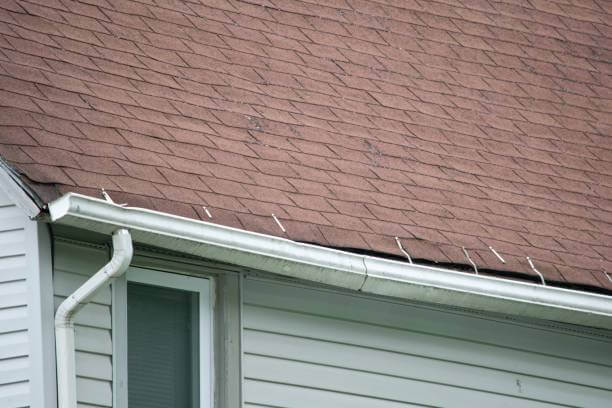
Gutters are not built to hold much weight. When debris and standing water build up, the weight can become too much. Over time, this causes gutter sections to sag, bend, or pull away from the fascia board. Sagging gutters do not drain well and can eventually fall off your home, causing more damage. If your gutters are drooping or pulling away from the roofline, a clog is probably to blame.
3. Paint Damage, Staining, and Mold on Exterior Walls
Check your home’s siding and paint, especially under the gutters. Bubbling or peeling paint, dark streaks, green or black spots, and water stains all mean water is running where it shouldn’t. When gutters overflow or leak, the moisture can soak into your siding and cause lasting damage. Ignoring these signs can lead to needing new siding, which costs much more than cleaning your gutters.
4. Cracks or Gaps in the Gutters
Even a small crack in a gutter is a problem. Cracks let water leak out before it gets to the downspout, dripping onto your fascia, soffits, or foundation. Cracks often mean the gutter has been under extra stress, usually from a long-term clog. If you see cracks, especially near the seams, it’s a good idea to call a professional to check the damage.
5. Leaks Inside Your Home or a Flooded Basement
Leaks near the roofline or a flooded basement are some of the most serious signs your gutters aren’t working. Water that can’t drain off the roof may back up under shingles and get into your attic or ceiling. Water pooling around your foundation can also end up in your basement. If you notice water getting inside, check your gutters first.
6. Plants Growing in Your Gutters
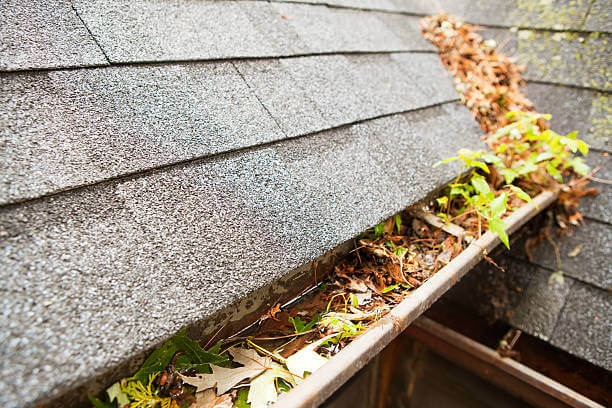
If you can see weeds, moss, or even small seedlings sprouting from your gutters, that’s a sure sign there’s been standing organic material up there long enough for seeds to germinate. At this point, the clog is likely well-established and the gutter channel may be holding moisture consistently — accelerating rust, rot, and structural deterioration.
How Do You Unclog Gutters?
Clearing a clogged gutter is a job many homeowners can handle themselves, as long as you stay safe. Here’s how to do it, step by step.
What You’ll Need
You’ll need a sturdy ladder, gloves, a small scoop or trowel, a bucket or tarp, and a hose with a spray nozzle. For tough clogs, a plumber’s snake or high-pressure nozzle may help.
- Step 1: Set Up Safely
Place your ladder on solid ground, not directly against the gutter. - Step 2: Remove Debris
With gloves or a scoop, clear out leaves and debris in a bucket or on a tarp. - Step 3: Flush Gutters
Rinse the gutters with your hose, starting away from the downspout and working toward it. - Step 4: Clear Downspouts
If water won’t drain, flush the downspout from the top. Use a plumber’s snake if needed. - Step 5: Check for Damage
Look for cracks, rust, loose joints, or hangers. Tighten fasteners and seal small cracks.
For a more in-depth explanation, check out our comprehensive guide on how to clean gutters and downspouts.
When to Call a Pro
If your gutters are often clogged, your home has more than one story, or you find damage beyond just debris, hiring a professional gutter cleaning service is a good idea. Professionals have the right equipment to work safely and can spot problems that are not always easy to see.
Modernize can connect you with the top gutter pros in your area so you can get quotes and compare prices.
How to Keep Gutters from Clogging
Regular maintenance is the best way to prevent clogs and protect your home from water damage. Here are some practical tips to keep your gutters clear.
Clean Your Gutters at Least Twice a Year
The usual advice is to clean gutters in late fall, after most leaves have dropped, and again in spring when tree debris is common. If you have many trees nearby, especially pines or oaks, you may need to clean them three or four times a year. Skipping even one cleaning can let enough debris build up to cause a clog and damage.
Do Seasonal Spot Checks
Besides full cleanings, check your gutters after big storms. High winds can quickly add a lot of debris, and catching a small clog early is much easier than fixing a fully blocked gutter. Watch for overflow during rain, standing water after storms, or new sagging.
Install Gutter Guards
Gutter guards — also called gutter covers or leaf guards — are screens, filters, or covers installed over the top of your gutter channels to prevent debris from entering while still allowing water to flow through. They come in several styles, including mesh screens, reverse-curve designs, foam inserts, and micro-mesh covers.
Learn more about gutter guards in our guide: Are Gutter Guards Worth It?
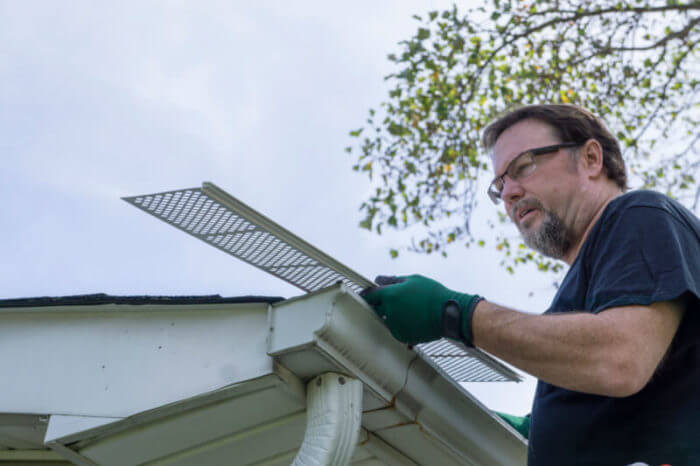
While no gutter guard system eliminates maintenance entirely, they can significantly reduce how often you need to clean and lower the likelihood of serious clogs forming. Micro-mesh guards are generally considered the most effective at keeping out fine debris like pine needles and shingle grit.
See our top picks for the best gutter and gutter guard brands, or see our guide to gutter guard costs.
Keep Trees Trimmed
For most homeowners, overhanging branches are the main source of gutter debris. Trimming back branches that hang over your roof reduces the amount of leaves, twigs, and seed pods in your gutters. It also lowers the risk of branches damaging your roof during storms.
Make Sure Your Gutters Are Properly Pitched
Gutters should slope slightly toward the downspout, usually about a quarter inch of drop for every 10 feet. If a section is level or sloped the wrong way, water will sit and not drain. Over time, standing water speeds up rust and makes it easier for debris to form a clog. If you see water pooling in your gutters after cleaning, the slope may need to be fixed.
Address Small Problems Before They Become Big Ones
Fixing a leaky joint, tightening a loose hanger, or clearing a small blockage near a downspout only takes a few minutes if you catch it early. If left alone through a rainy season, these problems can lead to fascia rot, siding damage, or foundation issues that are expensive to fix. Making it a habit to check your gutters during regular yard work can save you a lot of money over time.
If you are not sure about your gutters’ condition or want a professional opinion, contacting a local gutter contractor is an easy way to get expert advice and make sure your home is ready for the next rainy season.
Connect with the best gutter pros in your area and request free quotes.