Gutters
How Much Does It Cost to Seal Gutters?
Average Cost: $100 – $350
Sealing your gutters is an affordable way to prevent water damage at home. The average cost for gutter sealing is about $220, with most people spending between $100 and $350. The price depends on your home’s size, the gutter material, the type of sealant, and whether you do it yourself or hire a pro. No matter what you pay, sealing your gutters now can help you avoid much bigger repair bills later.
Find the best gutters pros in your area.

The Modernize Mission
We help homeowners make confident decisions through our reliable, up-to-date, and unbiased information and average project costs. All of our content is thoroughly reviewed and fact-checked by our team of home improvement experts. Learn more about how we maintain these values.
Gutter Sealing: What to Know
Gutter sealing is the process of applying a waterproof barrier to your gutters to fix leaks and reinforce weak points in your gutter system. Over time, gutters can crack, split at the seams, or pull away from the fascia board of the house, all of which allow water to escape and damage your home’s structure. You can seal gutters with different materials, such as paste, tape, spray, or liquid rubber.
Sealant is used in several spots, both when gutters are first installed and later as the old sealant wears out. Since gutters are made of sections along your roof, there are gaps between pieces that need sealing. You also need sealant at corners, end caps, and around downspouts. It’s also important to attach the gutter to the fascia, the board just under your roof’s edge.
If you don’t seal these areas, water can leak through gaps and cracks, causing several problems:
- Foundation erosion around your home
- Rotted fascia along your roof and damaged siding
- Damage to flower beds and landscaping around your home
- Basement flooding
- Mold and mildew issues inside and outside the home
How Much Does Gutter Sealing Cost?
In the U.S., sealing gutters costs about $220 on average. Most homeowners spend between $100 and $350, depending on the sealant, gutter material, how much damage there is, and whether you hire a pro or do it yourself.
If your home has 150 to 200 feet of gutters, which is about average, sealing usually costs between $150 and $400. Bigger or more complicated gutter systems may cost more.
Cost by Type of Sealant
There are several types of sealants, each of which will change the cost of your overall project.
Gutter seal tape is the cheapest and works well for small, quick fixes. Liquid rubber is the most durable and weather-resistant, but it takes longer to apply and cure.
Here’s a chart that shows the types of sealants, their costs, and the best ways to use them.
| Sealant Type | Average Material Cost | Notes |
|---|---|---|
| Liquid Rubber | $10 to $25 per tube | Durable, weather-resistant |
| Paste Sealant | $8 to $20 per tube | Best for small cracks |
| Spray-On Sealant | $10 to $30 per can | Quick, wide coverage |
| Gutter Seal Tape | $5 to $15 per roll | Best for quick DIY repairs |
Cost by Gutter Material
The material your gutters are made of will dictate the type of sealant required for a proper fix. For instance, vinyl and aluminum gutters require less expensive products, ranging from $80 to $200 per 100 square feet.
Copper, steel, and zinc gutters, albeit less common, will require more expensive products. You can expect to pay anywhere from $120 to $300 per 100 square feet to fix these types of gutters.
Cost by Style
The style of your gutters also affects the cost. K-style gutters are the most common and cheapest to fix. Half-round gutters need a bit more material.
Seamless gutters are harder to access and require a bit more labor to fix, while sectional gutters are easy to isolate and repair. Finally, custom fascia on your home could affect the overall price of your project, depending on how much additional sealant is needed.
Most homes have downspouts and corner joints that also need sealing, which takes more product. Sealing each downspout costs $25 to $75, depending on the sealant. Gutter joints need sealant, and sometimes new connectors, and corners may need extra product. If you hire a pro, ask if they charge for each corner or downspout.
Common Signs Your Gutters Need Sealing
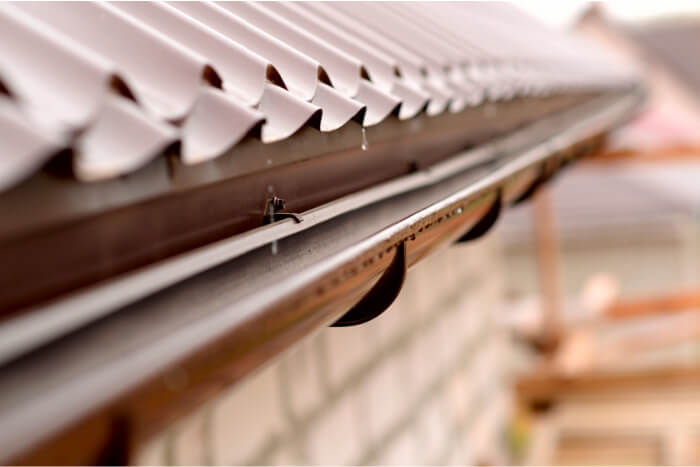
It’s a good idea to regularly check for visible gaps and cracks that need sealing. There are also other signs that can point to gutter sealing problems.
Watch for these signs that your gutters may need sealing:
- Dripping water from the gutters during or after rainstorms
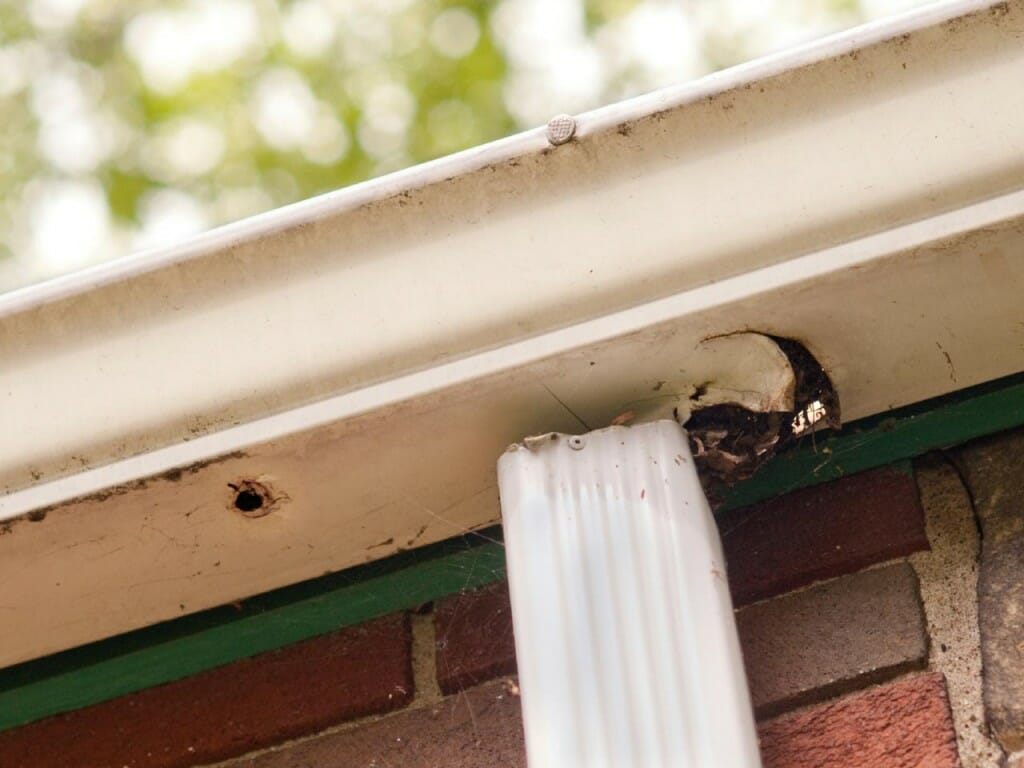
- Small holes or pinhole leaks along the gutters themselves
- Visible rust or corrosion, especially at the joints where gutter pieces meet
- Gaps at corner joints or seams between gutter pieces
- Water stains on the exterior walls and siding of your home
- Sagging gutters, which have been compromised by water weight or leaves
- Mold growth along your gutters, roof, or siding
How to Seal Gutters
Sealing gutters is usually simple. You’ll need to do some prep work first and let the sealant cure afterward.
- Clean the gutters thoroughly by removing debris, dirt, and any old sealant.
- Dry the area completely before applying any product. It’s best to start the project when you know it won’t rain for a few days.
- Identify leaks and cracks by marking them with tape or chalk so you don’t miss anything.
- Apply the sealant. Use a gutter joint seal or waterproof caulking for seams and joints. For holes and cracks, it’s best to use liquid rubber, spray sealant, or patching tape.
- Allow the sealant to cure, based on the specific instructions of the product you chose. Typically, this time period lasts between 24 and 48 hours.
Factors That Influence Gutter Sealing Costs
Many things can change the total cost of sealing your gutters:
- Gutter Length and Height: The bigger your gutters, the more sealant you’ll need.
- Material Type: Your gutter material, whether it be aluminum or copper, for example, will dictate the type of material you need to fix cracks.
- Type and Quantity of Sealant Needed: Prices vary depending on the type of sealant you choose, from tape to paste or rubber.
- Extent and Number of Problem Areas: The bigger your problems, the more materials you’ll need. When hiring a pro, this will also increase the amount of labor required.
- Labor Rates in Your Region: While this is a relatively affordable fix, labor rates do vary depending on where in the country you live.
- Whether Scaffolding or Ladders Are Needed: Larger homes and second-story structures will require specialty equipment, which could cost more. Overall, access to your gutters is important, and gutters that are difficult to reach could end up costing you more.
- DIY vs. Professional Labor: As with most projects, a DIY fix is cheaper. Of course, if you do it wrong the first time, you could end up paying more for a costly mistake down the line.
Should I DIY or Hire a Pro?
Both DIY and professional gutter sealing can work well. The right choice depends on your comfort level, how many leaks you’re dealing with, and how easy your gutters are to access.
DIY Sealing
Gutter sealing is very DIY-friendly compared to other home repairs. You only pay for materials, which usually cost $30 to $100, depending on your home’s size and the type you choose. The process is also pretty straightforward.
DIY is a good choice if you have just one leak or small cracks. Usually, you’ll need a ladder and some cleaner to start. After cleaning and drying the area, you can apply your chosen sealant or tape. Sometimes, it’s helpful to wear gloves.
All DIY projects have some risks. If you miss a spot or seal it wrong, you could face bigger repairs later. Also, using a ladder can be dangerous for some people. Think about these risks before deciding to hire a pro or do it yourself.
Professional Sealing
Professional gutter sealing is relatively affordable, even if it’s more expensive than doing it yourself. And in many cases, the cost is worth it. Two-story homes, especially, will require more equipment and come with more risk. In these cases, it’s often worth it to hire a professional.
Professional sealing usually costs $100 to $350, depending on the materials and your home’s size. It’s a good option if your gutters have a lot of problems or if you want the best materials for the job.
When you hire a pro, you get expert application, a full inspection, and often a warranty in case you have leaks later.
Conclusion
Gutter sealing is an affordable home maintenance task that pays off. Taking care of it now helps you avoid expensive water damage repairs later. Whether you do it yourself or hire a pro, fixing leaks quickly can save you thousands. With an average cost of $220, it’s a small investment for long-term protection and peace of mind.