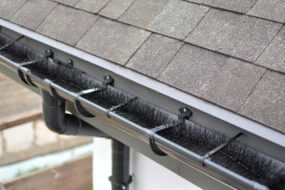
Gutters
How to Seal Gutters (How to Fix a Leaky Gutter)
To fix a leaky gutter, start by cleaning the damaged area and removing any old sealant or debris. Apply an exterior-grade gutter sealant or patch, then let it cure completely before testing with water. Most small leaks at seams, joints, end caps, or pinholes can be fixed without replacing the whole gutter section.
Find the best gutters pros in your area.

The Modernize Mission
We help homeowners make confident decisions through our reliable, up-to-date, and unbiased information and average project costs. All of our content is thoroughly reviewed and fact-checked by our team of home improvement experts. Learn more about how we maintain these values.
What Causes Gutters to Leak?
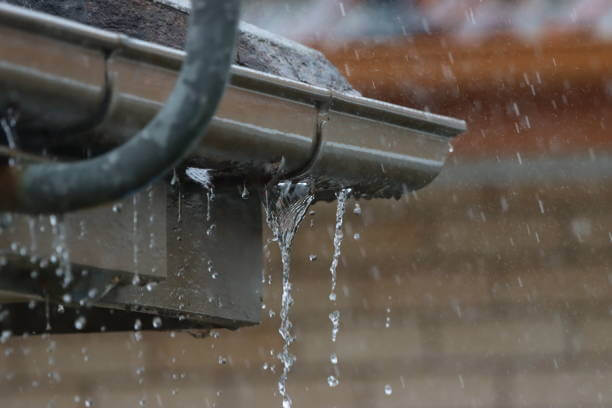
Gutters usually leak when joints fail, sealant wears out, metal rusts, or clogs cause water to overflow. Over time, weather and temperature changes can weaken connections and create small gaps where water leaks out.
Here are the most common causes of gutter leaks:
Cracked or Separated Seams
Sectional gutters connect at seams. When temperatures change, gutters expand and contract, which can cause these seams to pull apart or crack and let water drip through.
Loose Joints or Connectors
Gutter connectors and corner joints can become loose over time. When this happens, water leaks out at these points instead of flowing smoothly to the downspout.
Rust or Corrosion Holes
Steel gutters are especially prone to rust. When corrosion breaks through the metal, small holes form and get bigger over time, causing visible drips.
Clogged Gutters Causing Overflow
Leaves, debris, and shingle granules can block water flow. When water backs up, it can spill over the sides or push through weak seams, making it look like the gutter is leaking.
Improper Slope (Pitch)
Gutters need a slight slope toward the downspout. If they are flat or sagging, water can pool instead of draining, which raises the risk of leaks at seams and joints.
Damaged or Loose End Caps
End caps seal the ends of gutter runs. If they loosen or the sealant fails, water will leak directly from the gutter’s edge.
Old or Dried-Out Sealant
Over time, the original gutter sealant can crack, shrink, or pull away from the metal or vinyl. Once the seal is broken, even a small gap lets water leak out.
How to Seal a Leaky Gutter (Step-by-Step)
You can fix most small gutter leaks in a few hours using basic tools and the right sealant. Follow these steps to repair the leak and help prevent further water damage.
Step 1: Clean the Gutter Thoroughly
Clear out all leaves, dirt, and debris from the gutter. Rinse the inside with a hose to wash away small particles. Make sure the area is completely clean and dry before you apply sealant, or the repair might not work.
Step 2: Locate the Exact Source of the Leak
Check seams, joints, corners, and end caps closely. Look for cracks, gaps, or rust spots. If you need help finding the leak, run water through the gutter with a hose and watch for drips to spot the problem.
Step 3: Remove Old Sealant
Use a putty knife or wire brush to remove any cracked or peeling sealant. If you have metal gutters, lightly sand the area so the new sealant adheres properly.
Step 4: Apply Gutter Sealant
Use an exterior-grade gutter sealant, usually silicone or polyurethane. Apply a thick line of sealant over the crack or seam, then smooth it out with a gloved finger or putty knife. Make sure you cover the entire gap.
Check the manufacturer’s instructions for how long the sealant needs to cure. This is usually about 24 hours.
Step 5: Patch Larger Holes (If Needed)
For rust holes or larger openings, use a metal patch kit. Spread roofing cement around the hole, press the patch in place, and seal the edges with more sealant to make it waterproof.
Step 6: Test the Repair
Once the sealant is fully cured, run water through the gutter again. Look for any drips or leaks. If you still see leaks, apply another layer of sealant.
Best Sealant for Gutters
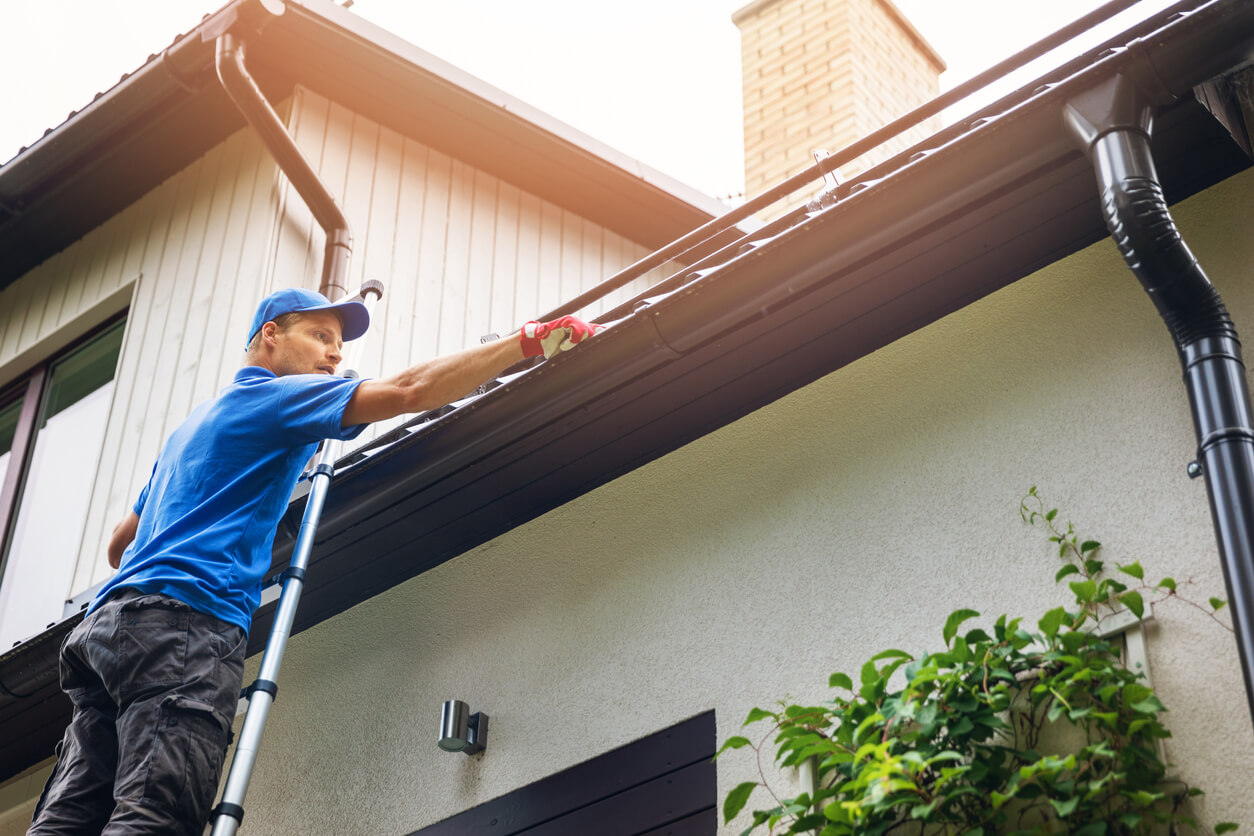
The best sealant for gutters is a waterproof, exterior-grade product that adheres to metal or vinyl and can handle temperature changes. In most cases, polyurethane- or silicone-based sealants provide the strongest, most flexible, and weather-resistant repairs.
Here’s how the main options compare:
Silicone-Based Gutter Sealant
Best for: Quick repairs and strong waterproofing
Pros:
- Excellent water resistance
- Flexible in extreme temperatures
- Easy to apply
Cons:
- May not adhere as strongly to certain metals without proper prep
- Can be difficult to paint over
Silicone is a good option for sealing seams, end caps, and small cracks in aluminum or vinyl gutters.
Polyurethane Sealant
Best for: Long-lasting, heavy-duty repairs
Pros:
- Extremely strong adhesion
- Paintable once cured
- Durable in harsh climates
Cons:
- Longer cure time
- Slightly more difficult to apply cleanly
Polyurethane is often considered one of the most reliable choices for sealing gutter joints and seams over the long term.
Butyl Rubber Sealant
Best for: Metal gutter seams
Pros:
- Strong adhesion to metal
- Good flexibility
- Long lifespan
Cons:
- Less commonly available in DIY stores
Professionals often use this type of sealant in gutter installations.
Roofing Cement
Best for: Patching larger holes or rust damage
Pros:
- Thick and durable
- Good for metal patch repairs
Cons:
- Not ideal for small seam leaks
- Can crack over time if used alone
Roofing cement is typically used with a patch, not by itself as a seam sealant.
Sometimes it’s better to hire a pro for your gutter repairs. Modernize can connect you with the best ones in your area.
How to Fix Common Gutter Leaks
Most gutter leaks happen in common spots. Identifying the type of leak helps you choose the right repair method and avoid repeat issues.
How to Fix a Leaking Gutter Seam
Leaking seams are one of the most common gutter problems.
Fix:
- Clean and dry the area completely.
- Scrape away old sealant.
- Apply a thick bead of polyurethane or silicone sealant along the seam.
- Smooth and allow it to cure fully before testing.
If the seam is separating, you may need to reinstall or replace the connector.
How to Fix a Leaking Gutter End Cap
Water dripping from the end of a gutter often means the end cap seal has failed.
Fix:
- Remove the end cap if possible.
- Clean both surfaces thoroughly.
- Apply fresh gutter sealant inside the cap.
- Reattach and seal around the edges.
Allow proper cure time before running water through the system.
How to Repair a Rust Hole in a Metal Gutter
You can patch small rust holes without replacing the entire section.
Fix:
- Remove rust using a wire brush.
- Sand the area smooth.
- Apply roofing cement around the hole.
- Press a metal patch into place.
- Seal over the patch edges with gutter sealant.
If there is extensive rust, it may be more cost-effective to replace the gutter.
How to Fix a Leaking Gutter Joint
If water leaks where two gutter sections meet, the joint might be loose or misaligned.
- Tighten fasteners if applicable.
- Remove and reseal the joint with fresh sealant.
- Ensure proper slope toward the downspout.
If the joint repeatedly fails, replacing the connector may be necessary.
How to Fix a Dripping Gutter Corner
Corners handle a high volume of water flow and are often the first areas to leak.
- Inspect for cracks in the corner piece.
- Reseal interior seams thoroughly.
- Replace the corner section if cracks are structural.
How to Fix a Sagging Gutter Causing Leaks
If water collects in the middle of the gutter, sagging is likely the issue.
- Install additional gutter hangers.
- Adjust the slope (¼ inch per 10 feet toward the downspout).
- Tighten loose fascia attachments.
If the gutter pitch is incorrect, leaks can continue even after sealing.
When repaired properly, most minor gutter leaks can last several years. However, if leaks appear in multiple locations or the system is more than 20 years old, replacement may be a smarter long-term solution.
When to Replace Instead of Repair
Sometimes, fixing a leaky gutter is only a short-term solution. If the damage is widespread or affects the structure, replacing the section or the entire system may be more cost-effective over time.
Here’s when replacement is usually the better option:
- Multiple Leaks Along the Gutter Run: If you find leaks in many seams, joints, and corners, the system may be wearing out. Repeated sealing can become a temporary fix instead of a lasting solution.
- Extensive Rust or Corrosion: You can patch small rust holes, but if rust is spreading across large areas, the metal is weakened. In that case, replacing the gutter is more reliable than patching.
- Severe Sagging or Pulling Away From the Fascia: If gutters are pulling away from the house, the fascia board may be damaged or the system may not have been installed properly. These structural problems often require partial or full replacement.
- Cracked or Brittle Vinyl Gutters: Vinyl gutters become brittle as they age and are exposed to sunlight. If you see cracks in several places, you will likely need to replace those sections.
- Gutters More Than 20 Years Old: Most aluminum gutters last 20 to 25 years with proper maintenance. If your gutters are aging and starting to leak, replacement can help you avoid ongoing repair costs.
Repair vs. Replacement Cost Comparison
- Minor gutter repair: $100 to $350 (DIY may cost less)
- Professional seam or joint repair: $150 to $500
- Partial gutter replacement: $300 to $1,000
- Full gutter replacement: $1,000 to $2,500+ depending on home size and material
If fixing your gutters costs 30% to 50% of what it would cost to replace them, investing in new seamless gutters is often the better long-term decision.