Gutters
French Drains: What They Are, How They Work, and Whether You Need One
Gutters and downspouts play an important role in managing rainwater, but their job ends once the water reaches the ground. Ideally, water should soak into well-draining soil or flow away from your foundation. However, if your property has heavy clay soil, low spots, or grading issues, water may pool and cause problems like basement moisture and foundation damage.
This is where French drains come in. This guide will explain what French drains are, how they work, signs you might need one, and their pros and cons.
Find the best gutters pros in your area.

The Modernize Mission
We help homeowners make confident decisions through our reliable, up-to-date, and unbiased information and average project costs. All of our content is thoroughly reviewed and fact-checked by our team of home improvement experts. Learn more about how we maintain these values.
What Are French Drains?
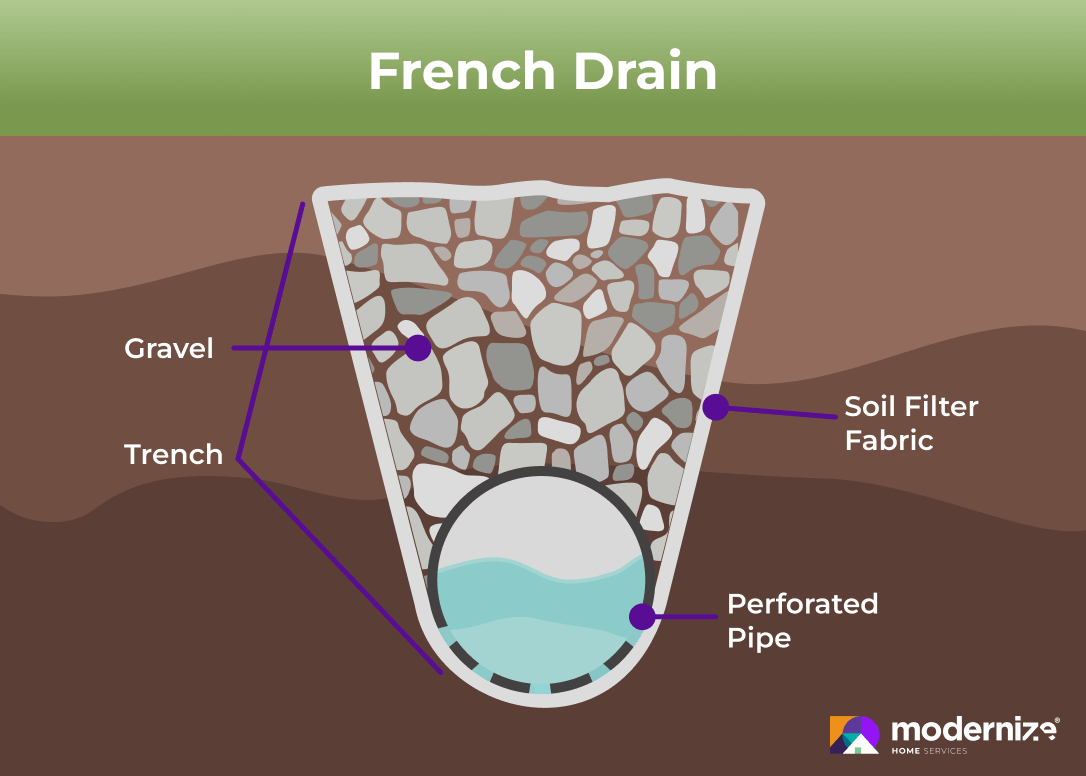
A French drain is a gravel-filled trench with a perforated pipe buried underground to collect and move water away from problem areas around your home. The name isn’t related to France; it actually comes from Henry French, a 19th-century farmer and judge from Massachusetts who made the idea popular in an 1859 agricultural guide.
A French drain utilizes gravity and physics to redirect water. It consists of a perforated pipe at the bottom of a gravel-filled trench. Water filters through the gravel, enters the pipe, and flows away from your home to a drainage ditch, dry well, street drain, or another outlet, keeping your foundation safe.
French drains continue the job your gutter system begins. Gutters move water off your roof and away from your walls. French drains then make sure that water at ground level doesn’t collect against your foundation, flood your basement, or soak your yard.
Do You Need a French Drain?
Not every home needs a French drain, but there are clear signs that one could make a significant difference in protecting your property.
Signs you might need a French drain include water pooling in your yard after rain, damp or musty-smelling basements, or repeated wet spots. French drains also help if your property doesn’t drain well, water gets into your basement, or your yard slopes toward your house. They’re also useful if landscaping or retaining walls cause water to collect or if you notice soil erosion during storms.
How Much Do French Drains Cost?
French drain installation costs vary widely, averaging around $4,500. Small jobs may cost around $1,000, while large or complex projects can reach $10,000 or more. Exterior drains usually cost $10 to $65 per linear foot, while interior basement systems are pricier at $40 to $400 per foot. Labor, soil type, trench depth, and obstacles like tree roots or utilities can raise the total. While the upfront price is significant, it’s often far less than the expense of fixing water damage or foundation issues later.
Get a deeper look at factors affecting these prices in our French drain installation cost guide.
Pros of Installing a French Drain
Installing a French drain has many potential benefits, such as:
Effective Water Management
French drains solve drainage problems that surface solutions can’t handle. They catch water at ground level and move it away before it reaches your foundation or pools in low spots. For homes with ongoing drainage issues, they’re often the most reliable long-term fix.
See other drainage solutions in our guide to underground drainage systems and foundation drainage systems.
Long Lifespan
A well-installed French drain can last 30 to 40 years with little maintenance. The materials used, such as perforated pipe, gravel, and filter fabric, are durable and have no moving parts to break. Over time, the yearly cost of protection is low compared to most home improvements.
Aesthetic Flexibility
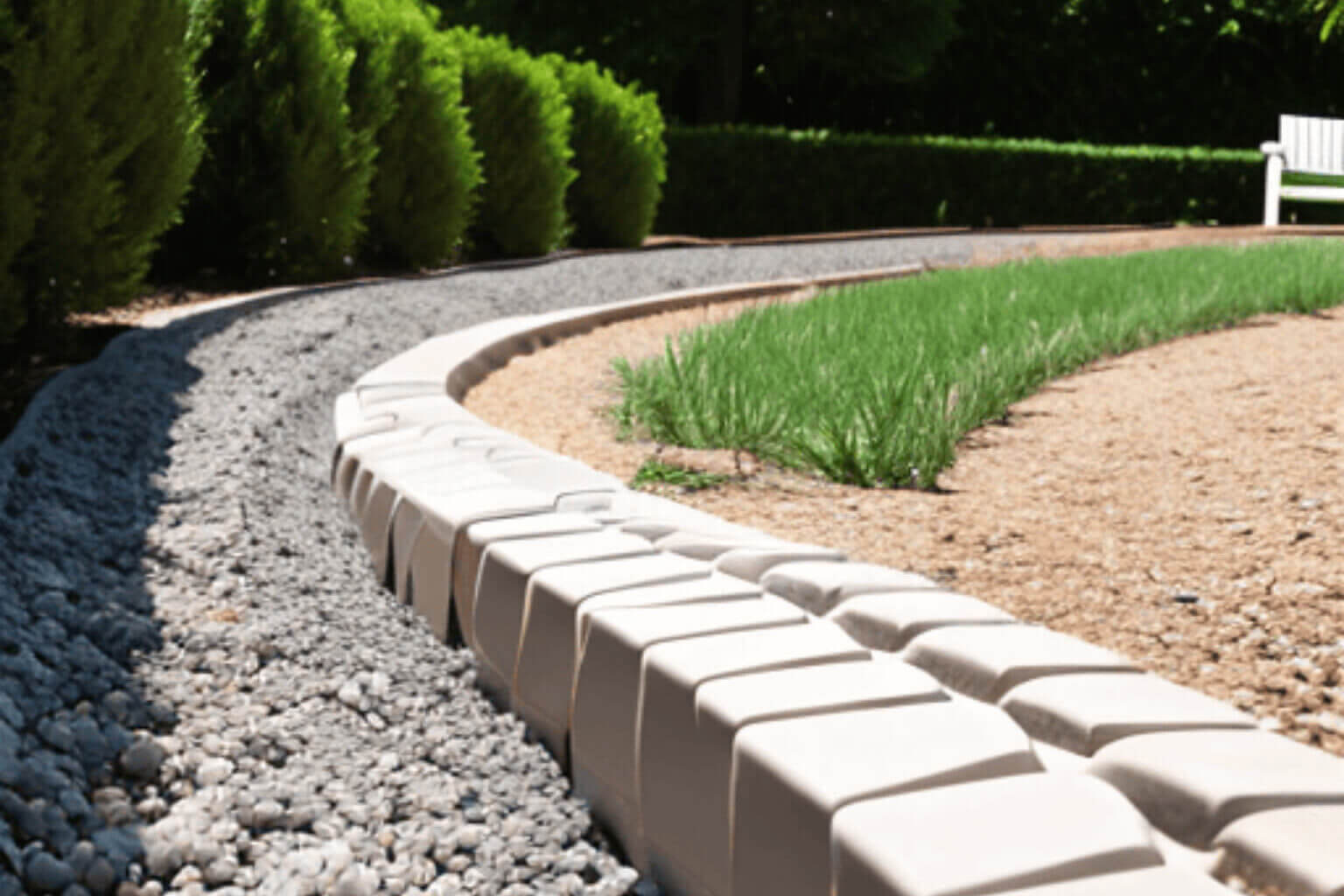
French drains can also look good in your yard. Many use decorative stone or river rock on top. The drainage channel can be worked into your landscaping so it looks planned, not just functional. Some homeowners plant groundcover or low plants next to the drain to help it blend in.
Cons of Installing a French Drain
While the benefits are significant, there are some potential negatives to consider:
Risk of Clogging
Over time, fine sediment, dirt, and organic material can get into the gravel and around the pipe, making the drain less effective. Using the wrong gravel or leaving out the filter fabric during installation makes this happen faster. If a French drain gets clogged, it may need to be dug up and rebuilt, which can be costly. The best way to prevent early clogging is to use good materials and wrap the pipe in filter fabric during installation.
Pipe Damage
Plastic perforated pipe, the most common type used in French drains, can be damaged over time by the weight of the gravel and soil above it. This is more likely if people, vehicles, or heavy equipment often cross over the drain. If the pipe collapses, it will stop draining and need to be dug up for repairs. Using a stronger pipe and making sure it’s buried at the right depth during installation can help prevent this problem.
Underground Utility Hazards
Any digging project comes with the risk of hitting underground utilities. Power lines, gas lines, water mains, and communication cables all run underground. Hitting one can be dangerous and very expensive to fix. Before starting any French drain project, call 811, the national “call before you dig” line, to have utilities marked in your yard. A good contractor will always do this, but it’s worth checking before work begins.
Getting the Right Help
Experienced homeowners can install a French drain themselves. However, it requires a lot of digging, careful grading to ensure the drain flows correctly, and knowledge of local drainage and utility lines. If you make a mistake, it is hard and costly to fix because the whole system is buried.
For most people, hiring a qualified gutter professional is the best way to make sure your drain is installed right the first time. A professional can look at your property’s drainage issues and suggest the best type and location for the drain.