What Are Gutter Downspouts?
Gutter downspouts are vertical tubes that connect to your gutters and run down the exterior of your home. Their purpose is simple but essential: they carry rainwater from the roof to the ground and direct it away from the house.
Downspouts work together with your gutters as a complete drainage system. After water flows into the gutter, it moves toward an outlet and enters the downspout, which uses gravity to guide the water safely downward.
Where Are Downspouts Located?
Installers typically place downspouts along exterior walls, most often at corners or at the ends of long gutter runs. This placement helps each section of the roof drain efficiently without overwhelming the gutter system.
What Do Gutter Downspouts Do?
Gutter downspouts control where rainwater goes after it leaves your roof. Instead of letting water spill over the gutter edge or collect near your home, downspouts guide it safely away.
How Downspouts Work With Gutters
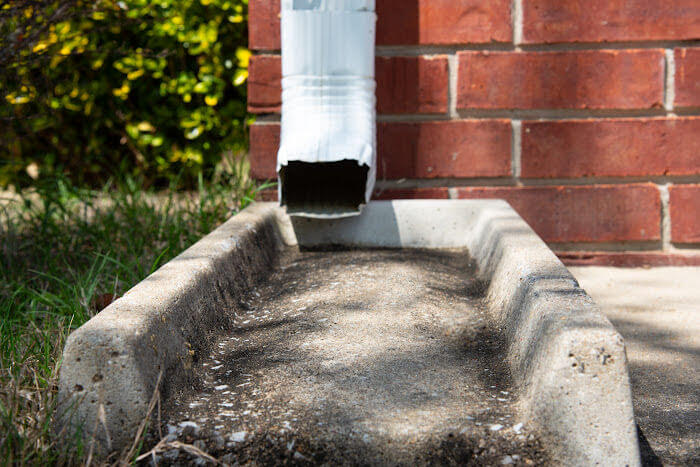
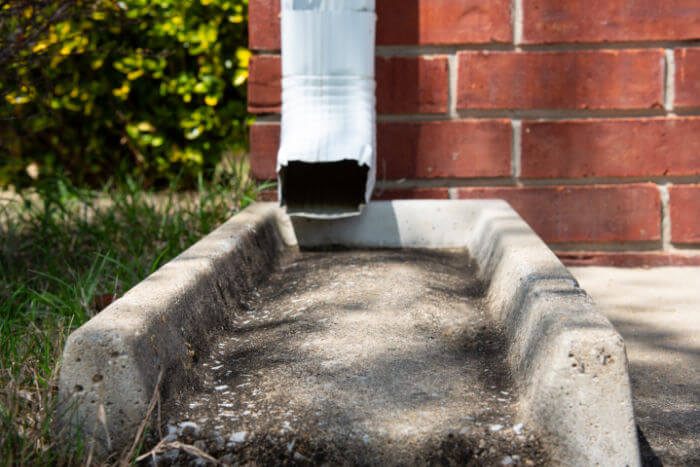
Rainwater flows from the roof into the gutter, travels toward the downspout opening, and then moves straight down the downspout. At ground level, the system releases the water away from the foundation, often with the help of an extension or splash block.
Why Are Gutter Downspouts Important?
Downspouts play a critical role in protecting your home from water-related damage.
1. They Protect the Foundation
Without downspouts, water can collect around the foundation. Over time, this buildup leads to soil erosion, foundation cracks, and basement leaks, which can cause serious structural problems.
2. They Help Prevent Roof and Siding Damage
Proper drainage reduces the risk of wood rot, mold growth, peeling paint, and stains on siding and fascia boards. It also helps stop water from backing up under roof edges.
3. They Reduce Landscape and Soil Erosion
Uncontrolled runoff can wash away soil, damage flower beds, and undermine walkways or driveways. Downspouts help spread water over a wider area to limit erosion.
How Many Downspouts Does a House Need?
The number of downspouts your home needs depends on several factors rather than a single rule.
- Home size and roof area: Larger roofs collect more water, which usually means you need more downspouts to handle the volume.
- Gutter length and layout: Long gutter runs, roof valleys, and complex layouts often require additional downspouts. Many homes place one every 30 to 40 feet of gutter.
- Local rainfall and climate: Homes in areas with frequent storms or heavy rainfall may need extra downspouts or larger sizes to prevent overflow.
Common Types of Gutter Downspouts
Homeowners encounter different downspout styles and materials based on their gutter system and budget.
Rectangular vs. Round Downspouts
- Rectangular (square) downspouts are the most common and typically pair with K-style gutters.
- Round downspouts often pair with half-round gutters and are popular on older or custom homes.
Downspout Materials
Manufacturers commonly make downspouts from aluminum, vinyl, steel, or copper. Aluminum remains the most popular option because it’s affordable and resists rust. Copper costs more but stands out for its durability and appearance.
Where Should Downspouts Drain?
Where downspouts release water matters just as much as having them installed.
Downspouts should discharge water at least 4 to 6 feet away from the foundation to reduce the risk of moisture buildup near the home.
Downspout extensions and splash blocks help move water even farther away and spread it across a wider area. Extensions can also direct water toward a driveway or underground drainage system for added protection.
Do Downspouts Need Maintenance?
Yes. Routine maintenance helps keep your gutter system working efficiently.
Cleaning and Clearing Clogs
Clean gutters and downspouts at least once a year — and more often if trees surround your home. If water doesn’t flow freely, flush the downspout with a hose from the bottom up. For stubborn clogs, you may need a plumber’s snake.
Inspecting for Damage or Disconnection
Check regularly for loose fasteners, gaps, rust, dents, or peeling paint. Repairing or replacing damaged downspouts helps prevent leaks, overflow, and siding damage.
Gutter Downspout FAQs
Are gutter downspouts required?
Most building codes require roof runoff to drain away from the foundation. Downspouts are the most common way to meet this requirement, although local rules can vary.
Can you have too many downspouts?
Extra downspouts usually aren’t harmful and can improve drainage, as long as they release water in the right locations.
How long should a downspout be?
Downspouts typically run from the gutter to ground level, with extensions added to move water several feet away. The exact length depends on home height and drainage needs.
Can downspouts be buried underground?
Yes. Downspouts can connect to underground drain pipes to carry water farther from the home. Homeowners often choose this option when surface drainage isn’t ideal or when they want a cleaner look.
Find an Experienced Gutter Contractor
While some maintenance tasks are DIY-friendly, professional installation ensures your gutters and downspouts are properly sized, placed, and secured. Experienced contractors have the tools and expertise to complete the job safely and efficiently, helping you avoid future repairs.
If you’re considering repairs or a full gutter system replacement, working with a vetted local contractor can save time and money.
Find the Right Contractor for Your Gutters Project
Whether you’re ready to begin your project now or need some expert advice, our network of contractors are here to help. With a few simple questions, we’ll find the best local professionals for you