Understanding Gutter Guard Options
Taking care of your gutters is key to protecting your home. Gutter guards keep out debris and make cleaning easier. With so many choices, it can be hard to know which one to pick. This guide will walk you through your options so you can choose with confidence.
Before we get into the details, it helps to know the main types of gutter guards. The most common are mesh, screen, brush, foam, and solid guards. Each type has its own features.
Mesh Gutter Guards
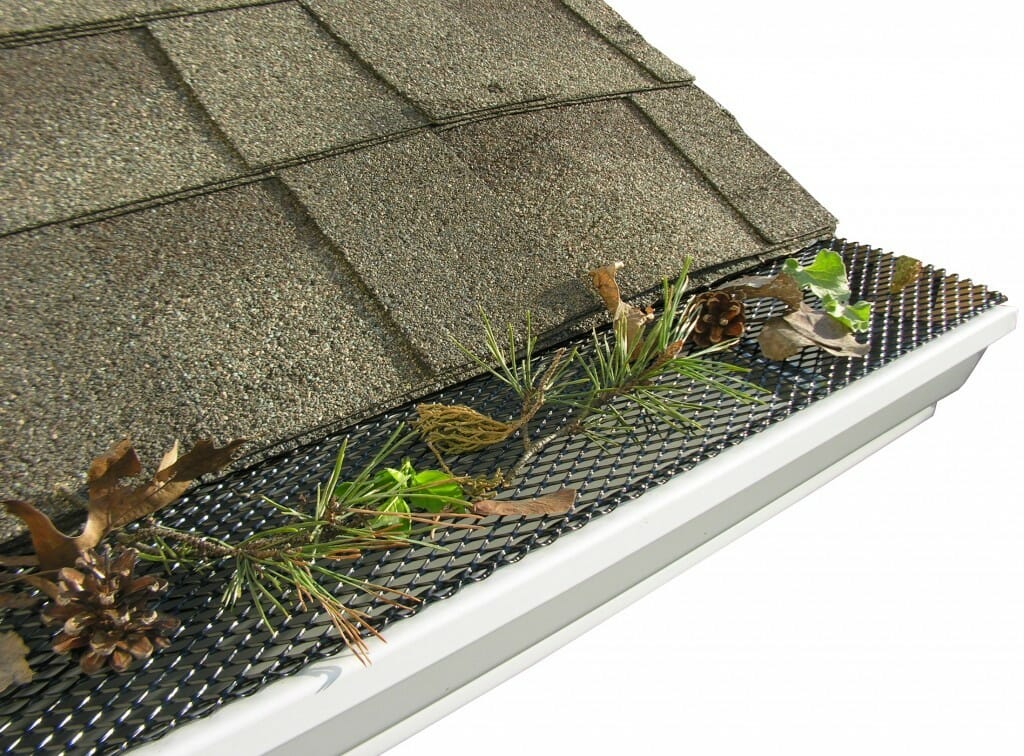
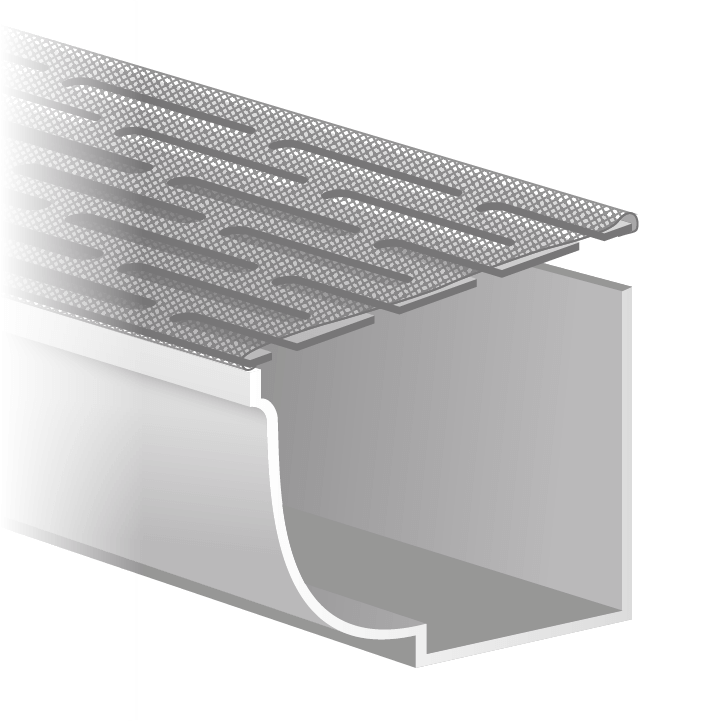
Mesh guards have small holes that let water in but keep out leaves and debris. They are usually made from metal or strong plastic. Stainless steel mesh guards are especially tough and do not rust or corrode easily.
Pros Cons
Screen Gutter Guards
Screen guards work like mesh guards but have bigger holes. They let water flow well while still blocking most debris.
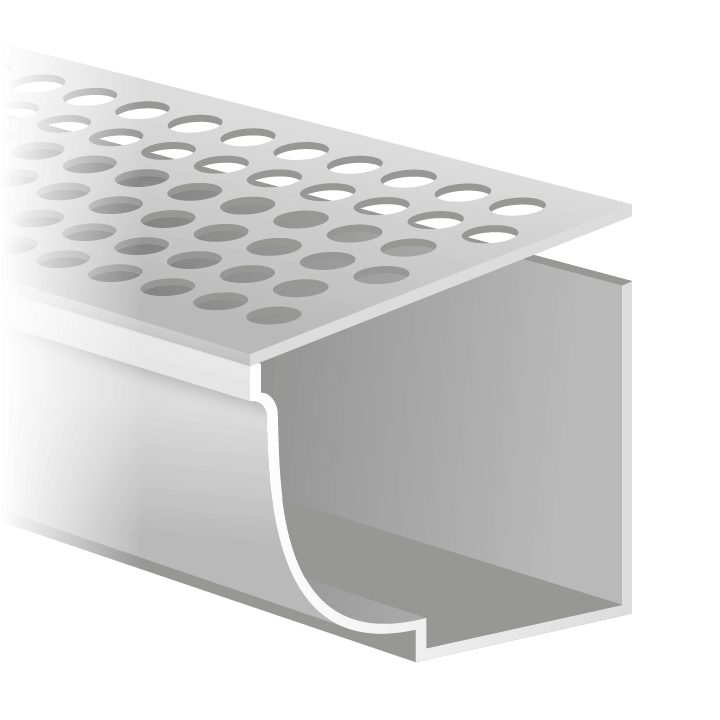
Pros Cons
Brush Gutter Guards
Brush guards look like big bottle brushes that fit inside your gutter. Water can flow through, while the bristles catch leaves and other debris.
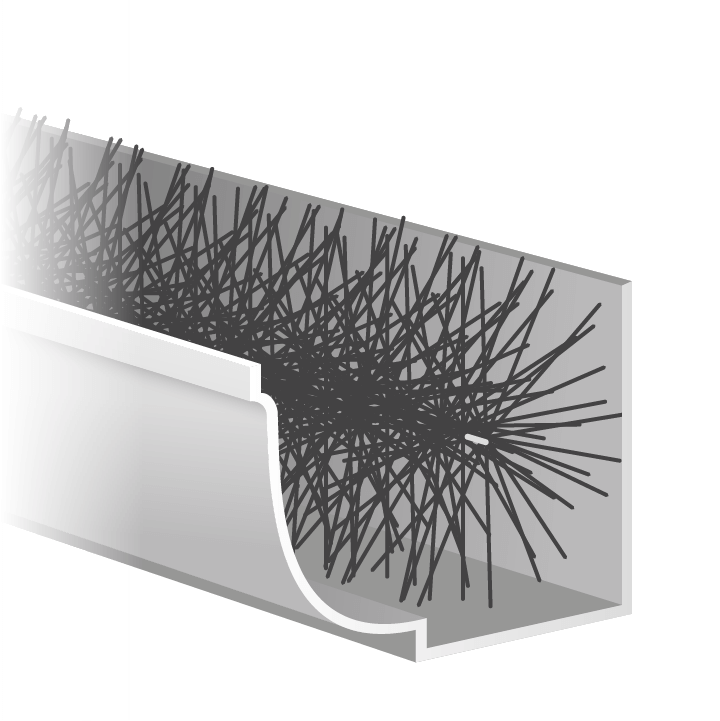
Pros Cons
Foam Gutter Guards
Foam guards sit right inside the gutter. Water passes through the foam, but debris stays on top.
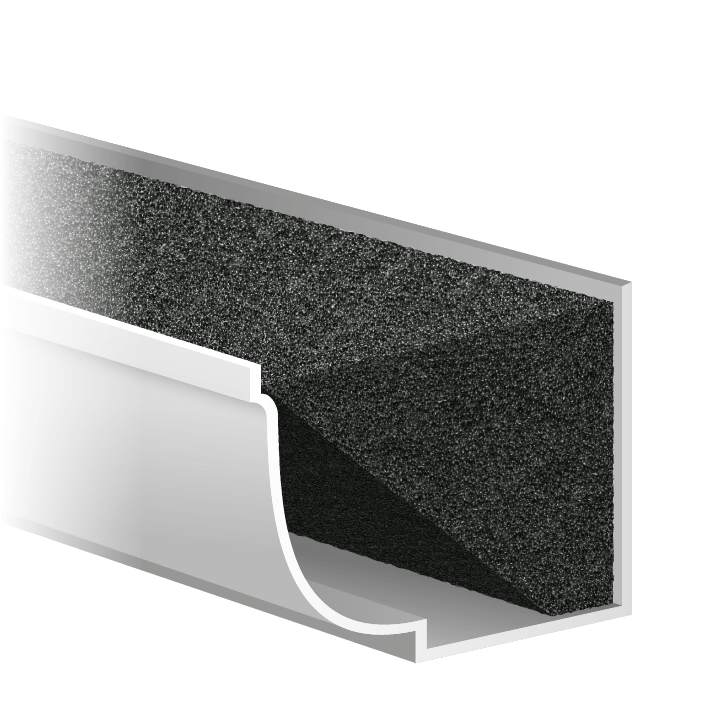
Pros Cons
Learn More: How Do Gutter Guards Work? Are They Worth It?
Material Matters
When choosing gutter guards, it’s important to think about what they’re made of. Common materials include aluminum, stainless steel, PVC, and copper. Each has its own benefits.
- Aluminum: is lightweight, rustproof, and typically affordable.
- Stainless steel: is highly durable and resists rust but can be on the pricier side.
- PVC: is inexpensive and easy to work with but may not withstand extreme temperatures as well as metal options.
- Copper: boasts a distinctive look and exceptional durability but is the most expensive.
Gutter Guards Pros and Cons in Detail
Every type and material of gutter guard has its own pros and cons. You’ll often need to weigh the cost against how well it works and how long it lasts.
Pros
- Less frequent cleanings
- Prevention of rust and corrosion within gutters
- Protection from blockages leading to water damage
- Prevention of pests nesting
Cons
- Initial investment can be significant
- Some may require professional installation
- Not all options are equally effective against different types of debris
How to Choose Gutter Guards
When picking gutter guards, keep these points in mind:
- Local Environment: If your home is surrounded by pine trees, fine mesh gutter guards might be best, as they can prevent pine needles from entering the gutters. In contrast, if you’re only dealing with larger leaves, a screen or brush type might suffice.
- Climate: If you live in an area with heavy snowfall or frequent storms, choose a durable material like stainless steel that can withstand the weight and force.
- Maintenance Willingness: If you prefer a set-it-and-forget-it option, invest in a high-quality stainless steel mesh guard. If you don’t mind the occasional maintenance, a brush or foam guard could be suitable and more budget-friendly.
- Aesthetic Preference: Some gutter guards are more visible than others. If curb appeal is important to you, look for low-profile designs or materials that complement your home’s exterior.
- Budget: Balance your budget with the need for efficiency and longevity. Sometimes spending a bit more upfront can save you significantly in long-term maintenance and repair costs.
- Warranty and Performance: Always check if your gutter guard options come with a warranty. A good warranty can provide peace of mind and assurance of the product’s quality.
The best gutter guard system for your home depends on things like your local weather, what you prefer, and your home’s needs. Look at the pros and cons of each type and material. You might also want to talk to a professional installer to see what would work best for you. Adding gutter guards can save you time, help you avoid expensive repairs, and make your gutters last longer, so it’s worth choosing carefully.
Find the Right Contractor for Your Gutters Project
Whether you’re ready to begin your project now or need some expert advice, our network of contractors are here to help. With a few simple questions, we’ll find the best local professionals for you