

Forced Air vs. Central Air: What’s the Difference?
Forced air and central air are often confused, but they are not the same thing. Forced air refers to how air is distributed through your home, while central air refers specifically to a cooling system.
In many homes, central air conditioning actually uses a forced air system to deliver cooled air through ducts. Understanding how these systems work together can help you choose the best option for your home and budget.
What Is Forced Air?
Forced air is a heating and cooling distribution system that uses ductwork and vents to move air throughout your home. The air is “forced” through the system using a blower fan.
Forced air systems are most commonly paired with:
In other words, forced air is the delivery method, not the cooling unit itself.
What Is Central Air?
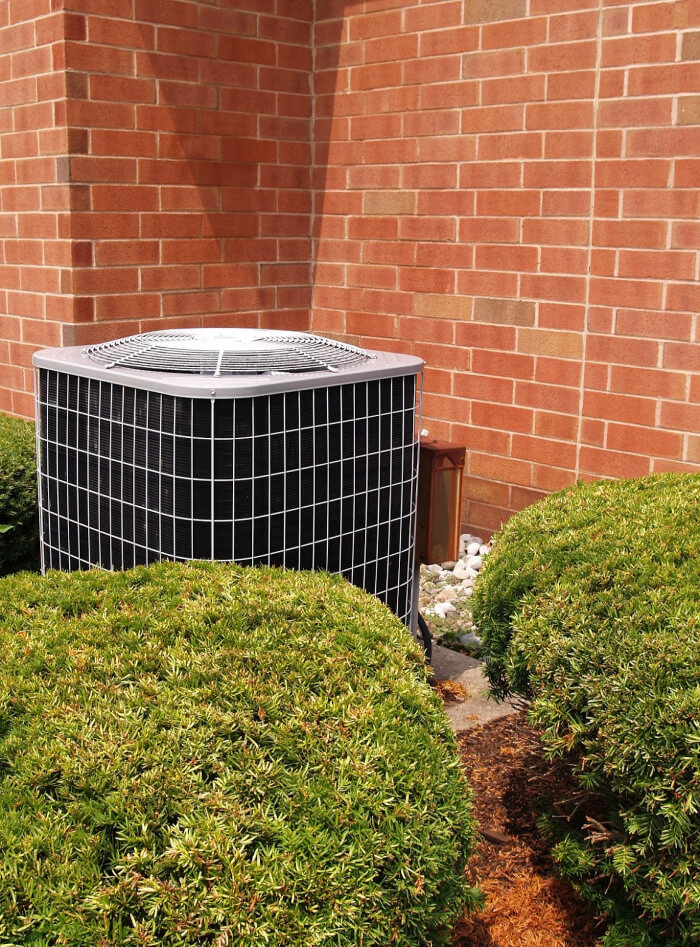
Central air conditioning is a system that cools air in a central unit and distributes it through ducts, typically using a forced air system.
A central AC system includes:
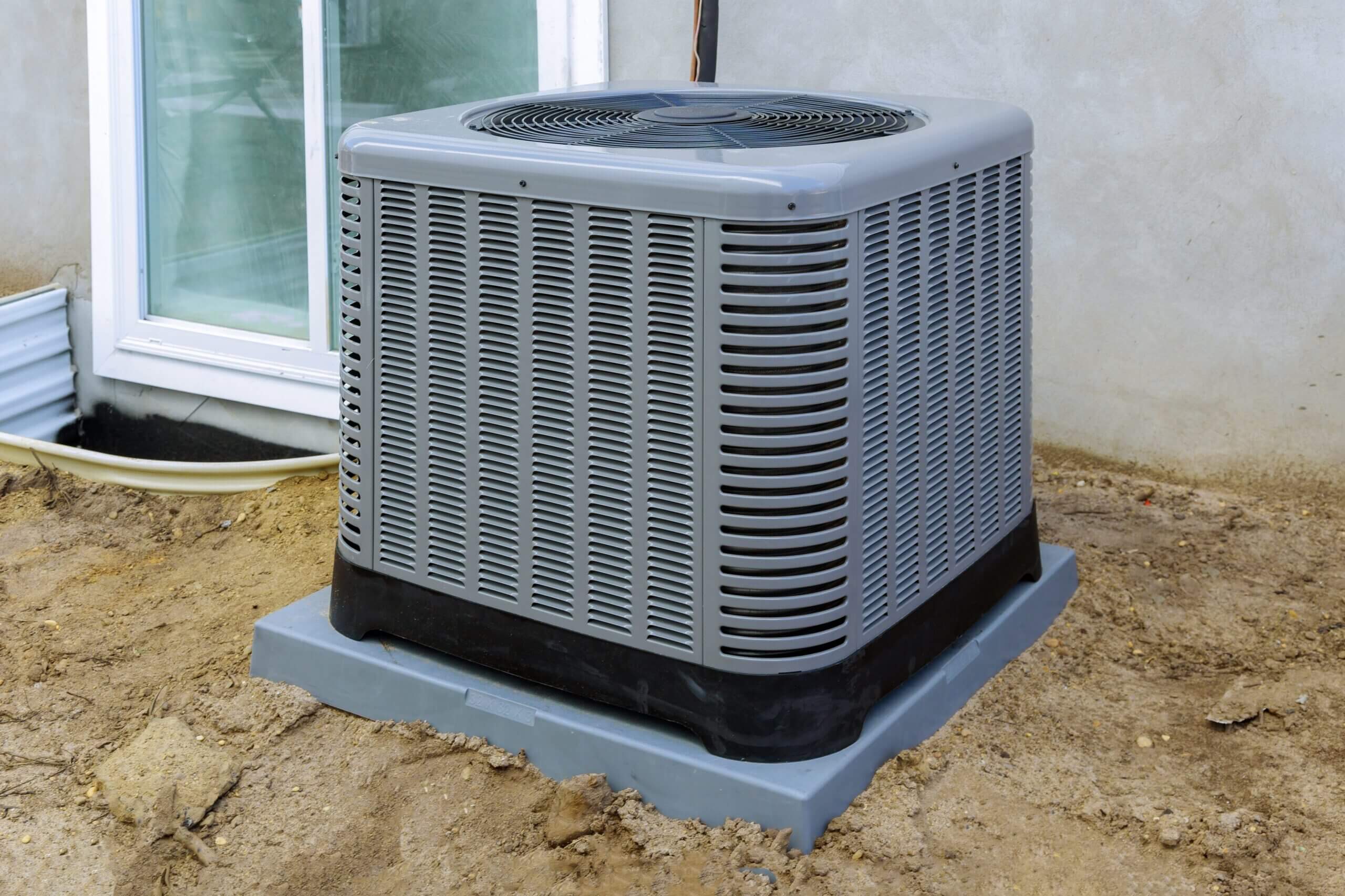
- An outdoor condenser unit
- An indoor evaporator coil
- A blower (shared with a furnace or air handler)
Most central air systems rely on forced air to circulate cooled air throughout the home.
Forced Air vs. Central Air: Key Differences
| Feature | Forced Air | Central Air |
|---|---|---|
| Definition | Air distribution system | Cooling system |
| Primary Function | Moves heated or cooled air | Cools indoor air |
| Uses Ductwork | Yes | Yes (in most homes) |
| Works With | Furnaces, heat pumps, AC | Requires forced air system |
| Standalone System | No | No (needs duct system) |
Cost Comparison: Forced Air vs. Central Air
Costs depend on whether you already have ductwork installed. Adding a new system without ducts is significantly more expensive.
| System Type | Average Cost |
|---|---|
| Forced Air Furnace (Heating Only) | $3,000 to $7,500 |
| Central Air Conditioning (With Existing Ducts) | $3,500 to $8,000 |
| Central Air + New Ductwork | $7,000 to $15,000+ |
| Full HVAC System (Furnace + AC) | $6,000 to $12,000+ |
If your home already has a forced air system, adding central air is usually more affordable.
Efficiency: Which Uses Less Energy?
Efficiency depends on the equipment used, not just the system type.
- Central Air: Measured by SEER (Seasonal Energy Efficiency Ratio). Higher SEER means lower energy use.
- Forced Air Heating: Measured by AFUE (Annual Fuel Utilization Efficiency) for furnaces.
Modern high-efficiency systems can significantly reduce energy consumption, especially when paired with proper insulation and sealed ductwork.
Pros and Cons of Forced Air vs. Central Air
Forced Air Pros
- Works for both heating and cooling
- Compatible with multiple HVAC systems
- Fast temperature changes
Forced Air Cons
- Requires ductwork
- Can spread dust and allergens
- Duct leaks can reduce efficiency
Central Air Pros
- Whole-home cooling
- Consistent temperatures throughout the house
- Improves indoor comfort in hot climates
Central Air Cons
- Higher upfront cost if ducts are not installed
- Energy costs can be high during peak summer months
- Requires regular maintenance
Is Forced Air Better Than Central Air?
Neither system is inherently better. They serve different purposes.
- Choose forced air if you need a system to distribute heating and cooling throughout your home.
- Choose central air if you want efficient, whole-home cooling and already have ductwork.
In most homes, the best solution is a combination of both systems working together.

What Does Forced Air Mean for a House?
If a home has forced air, it means it uses ductwork and vents to distribute air from a central system. This setup allows homeowners to easily add central air conditioning or upgrade heating systems without major changes.
Forced air systems are common in newer homes and provide flexibility for both heating and cooling upgrades.
Is Forced Air Gas or Electric?
Forced air systems can be powered by either gas or electricity, depending on the type of furnace or heat pump installed.
- Gas Furnaces: More common in colder climates and often lower operating costs
- Electric Furnaces: Lower upfront cost but higher energy costs in many regions
- Heat Pumps: Electric systems that provide both heating and cooling
Which System Is Best for You?
The right choice depends on your home, climate, and budget.
- Best for Existing Homes With Ducts: Central air with forced air system
- Best for New Installations: Full HVAC system (furnace plus central AC)
- Best for Energy Efficiency: High-SEER central AC or heat pump
Next Steps
Choosing between forced air and central air does not have to be complicated. A licensed HVAC professional can evaluate your home, existing ductwork, and energy needs to recommend the best solution.
Modernize can connect you with trusted HVAC contractors in your area so you can compare quotes, explore system options, and move forward with confidence.
-
Split Air Conditioning Systems
What is a Split Air Conditioner? A split air conditioner consists of two main parts – a compressor located outside and an inside air outlet unit. Unlike a system that... -
How Do Air Conditioners Work?
How Do Air Conditioners Work? Understanding how air conditioners work is essential for homeowners considering a new system or seeking to maintain their current one. At their core, air conditioners... -
Ductless Air Conditioners: A Guide
How Much Does a Ductless AC System Cost? In our experience, most homeowners pay between $3,800 and $14,500 fully installed. It’s a wide range that comes down to two variables:... -
How Much Does Central AC Cost to Install?
Central AC Installation Cost The cost to install central air conditioning typically ranges from $5,000 to $15,000 for most homes. This includes the AC unit, labor, and basic setup, but... -

Air Conditioning Unit Size Calculator
What Size AC Unit Do I Need? Choosing the right air conditioner size for your home is essential for staying comfortable and keeping energy bills in check. If your unit... -

Air Conditioner Compressor Replacement Costs
What to Know About AC Compressor Replacement Costs Replacing the compressor in your central air conditioning system can be a major expense, but it may be necessary to keep your...