HVAC
Emergency Heating Repair: What to Do When Your Heat Goes Out
When your heat suddenly stops working — especially on a cold night — it can feel stressful and urgent. Emergency heating repair services exist to restore heat quickly and safely, but knowing what truly counts as an emergency, what to check first, and what it might cost can make the situation much less overwhelming. This guide walks you through immediate steps, safety considerations, pricing expectations, and how to prevent future heating emergencies.
Find the best hvac pros in your area.

The Modernize Mission
We help homeowners make confident decisions through our reliable, up-to-date, and unbiased information and average project costs. All of our content is thoroughly reviewed and fact-checked by our team of home improvement experts. Learn more about how we maintain these values.
What Counts as an Emergency Heating Repair?
Not every heating issue requires a middle-of-the-night service call. However, some situations do qualify as true emergencies and should be handled right away.
When It’s a True Emergency
Call an emergency heating professional immediately if you experience:
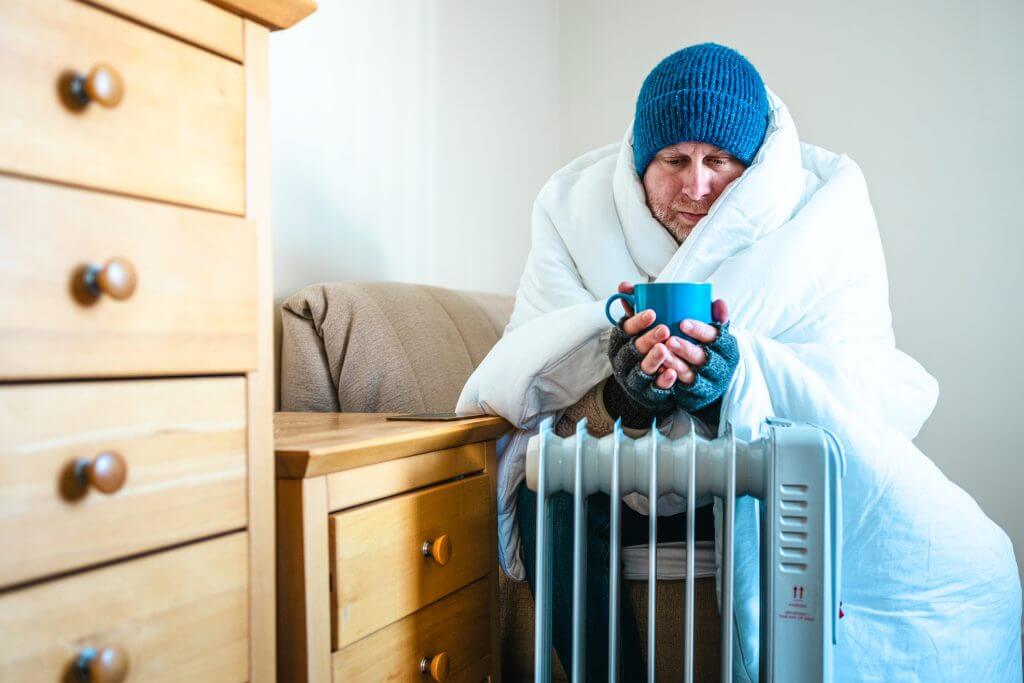
- No Heat in Freezing Weather: Indoor temperatures dropping near freezing, especially with young children, older adults, or medically vulnerable people in the home.
- Gas Smell (Rotten Egg Odor): This can indicate a gas leak. Leave the house immediately and contact your gas company or emergency services before calling an HVAC pro.
- Carbon Monoxide (CO) Alarm Sounding: Exit the home, call emergency services, and do not re-enter until it’s declared safe.
- Electrical Burning Smell or Visible Sparks: Turn off power to the system at the breaker and call a professional. Do not continue to run the system.
- Frozen or Burst Pipes Due to Lack of Heat: Loss of heat that has already caused, or may soon cause, plumbing damage.
Issues like loud noises, uneven heating, or short cycling are urgent, but not always “middle-of-the-night” emergencies unless conditions are unsafe or dangerously cold inside.
Safety Risks of Ignoring Heating Emergencies
Delaying a true heating emergency can lead to:
- Frozen and burst pipes, causing thousands of dollars in water damage.
- Carbon monoxide exposure, which can be life-threatening.
- Electrical fires, if malfunctioning components continue to run.
- Health risks for babies, older adults, or those with medical conditions.
When in doubt, treat safety concerns seriously and call a professional.
What to Do Before Calling for Emergency Heating Repair
Before you schedule an emergency visit, there are a few quick, safe checks that may restore heat without a service call.
Check Power, Thermostat, and Breakers
- Thermostat Settings: Make sure it’s set to “Heat,” the temperature is above the current room temp, and the batteries (if any) are working.
- Power Switch: Many furnaces and heat pumps have a nearby switch that looks like a light switch. Make sure it’s in the “On” position.
- Circuit Breaker: Check your electrical panel for a tripped breaker. Reset once, if it trips again, call a pro.
Inspect Filters and Vents
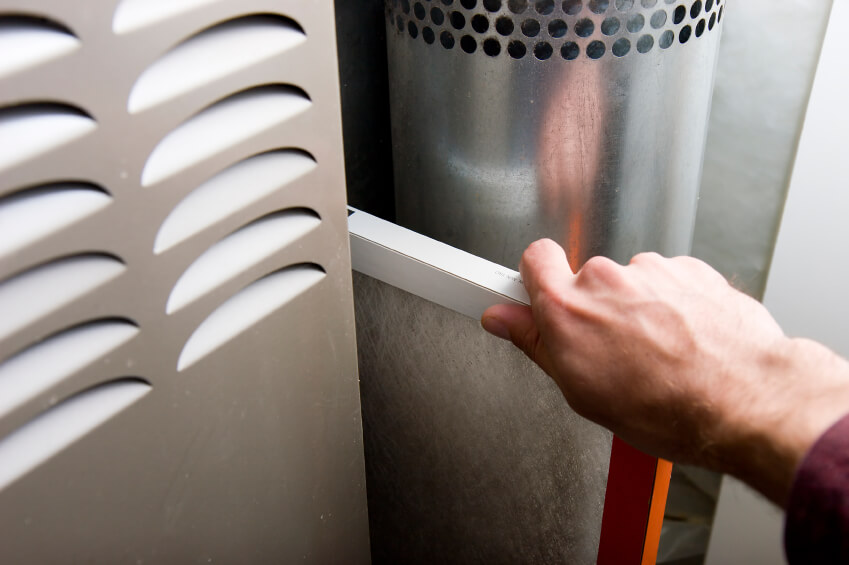
- Air Filter: A clogged filter can cause the system to overheat and shut down. If it’s visibly dirty, replace it and see if the system restarts.
- Vents and Registers: Ensure supply and return vents are open and not blocked by furniture, rugs, or boxes.
Know When to Stop and Call a Pro
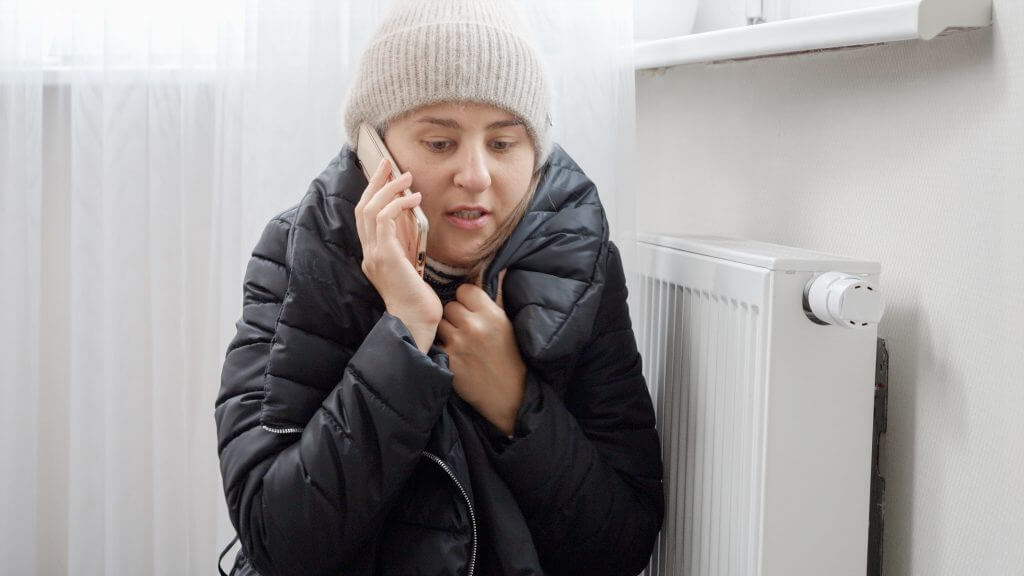
If you’ve checked the basics and the system still won’t run or you hear grinding, buzzing, or smell burning — stop troubleshooting and call a professional.
Avoid:
- Opening gas lines.
- Disassembling electrical components.
- Bypassing safety switches.
These can create serious safety hazards and may void warranties.
How Much Does Emergency Heating Repair Cost?
Emergency heating repair typically costs more than a standard service visit due to after-hours, weekend, or holiday rates.
On average, homeowners can expect:
- Standard Heating Repair (Non-Emergency): On average, homeowners spend $150 to $400 for furnace or heat-pump repairs.
- Emergency or After-Hours Visit: Higher service call fees plus parts and labor have many emergency calls landing between $200 to $900.
Total emergency heating repair costs often fall somewhere between a typical daytime service call and a major repair, depending on:
- Time of day and urgency.
- Type of system (furnace, heat pump, boiler, ductless unit).
- Whether replacement parts are readily available.
If the technician recommends a larger repair or full system replacement, they’ll usually provide an itemized estimate before proceeding.
Factors Affecting Emergency Service Pricing
Emergency pricing depends on:
- Time and Day: Nights, weekends, and holidays usually have higher fees.
- System Type and Complexity: Boilers, hybrid systems, or older equipment can take more time to diagnose.
- Parts Availability: Special-order parts may require temporary fixes or follow-up visits.
- Travel Distance and Service Area: Remote locations or heavy storm demand can increase costs.
How to Find a Reliable 24/7 Heating Repair Service
In an emergency, you may be tempted to call the first number you see, but it’s worth taking a few minutes to choose a reputable company.
What to Ask Before Booking
When you call, ask:
- “Do you offer true 24/7 emergency service?”
- “What is your emergency service call fee?”
- “Is the diagnostic fee applied toward the repair?”
- “Are your technicians licensed and insured?”
- “Do you carry common parts for my system brand on the truck?”
Clear answers to these questions can help you avoid surprise charges and long delays.

Verifying Local Availability
- Search phrases like “emergency heating repair near me“ and check:
- Online reviews and star ratings.
- Response time promises.
- Whether they service your specific system type.
- Look for companies that offer same-day or 24/7 dispatch and have a physical presence in your area.
Modernize can also connect you with vetted local HVAC pros, helping you compare options and choose a contractor that offers reliable emergency service as well as routine maintenance.
Preventing Future Heating Emergencies
Once your heat is back on, it’s worth thinking about how to avoid another urgent call.
Importance of Regular Tune-Ups
Annual maintenance helps technicians:
- Clean burners, coils, and components.
- Check electrical connections and safety switches.
- Verify gas pressures and refrigerant levels (for heat pumps).
- Catch worn parts before they fail during a cold snap.
Well-maintained systems are less likely to fail unexpectedly and often run more efficiently, saving on energy bills.
Monitoring Warning Signs Early
Call a pro for a standard (non-emergency) visit if you notice:
- New or louder noises (banging, screeching, rattling).
- Uneven heating from room to room.
- Frequent cycling on and off.
- A sudden jump in energy bills.
- A yellow or flickering gas flame instead of steady blue.
Addressing these early can prevent a middle-of-the-night breakdown.