HVAC
What Is an Electric Heat Pump? A Guide
Average Cost: $6,500 – $12,000
Wondering if heat pumps use electricity? Learn about the types of heat pumps, how they work, the fuel they use, and how much they cost.
Find the best hvac pros in your area.

The Modernize Mission
We help homeowners make confident decisions through our reliable, up-to-date, and unbiased information and average project costs. All of our content is thoroughly reviewed and fact-checked by our team of home improvement experts. Learn more about how we maintain these values.
Table of Contents
- What Is an Electric Heat Pump?
- Is a Heat Pump Electric or Gas?
- How Do Electric Heat Pumps Work?
- How Does an Electric Heat Pump Work in Winter?
- How Much Does an Electric Heat Pump Cost?
- Are Electric Heat Pumps Worth It?
- Electric Heat Pump vs. Other Heaters
- Electric Heater vs. Heat Pump
- Electric Furnace and Heat Pump Hybrid
- Electric Heat Pump Takeaways
What Is an Electric Heat Pump?
An electric heat pump is an all-electric HVAC alternative to furnaces and air conditioners. They come in a variety of types and can be adapted to nearly any home. Because they work by transferring heat rather than generating heat, heat pumps are one of the most energy-efficient ways to heat and cool a home. Here’s a quick guide to heat pump types, how they work, their benefits, and how to decide if one’s right for your home.
Is a Heat Pump Electric or Gas?
Most residential heat pumps use electricity as their power source. However, there are different types of pumps that use gas or thermal energy to operate.
Related: What are my electric heating options?
Here are the most common electric heat pumps:
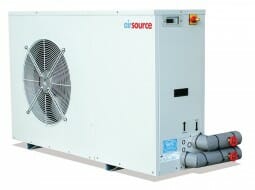
- Air-Source: Duct or ductless (mini split) models absorb heat from the air outdoors and transfer it indoors.
- Geothermal: This type of heat pump absorbs heat from underground and moves it inside to heat a home.
- Water-Source: These types of heat pumps require a consistent body of water nearby, like a well or lake, to extract heat and transfer it indoors. Note that these are typically used in commercial buildings but can work for residential homes if they’re close to a water source.
- Hybrid: This dual-fuel system includes an electric heat pump and furnace to maintain a home’s temperature during extremely cold weather.
How Do Electric Heat Pumps Work?
Like a refrigerator, an electric heat pump works by transferring heat to warm or cool a home. During fall and winter, the heat pump moves heat from the outdoors inside the home. Likewise, during spring and summer, it moves heat from inside the house to the outdoors.
While the heat source differs for each electric heat pump type, heating and cooling methods are similar. Here’s how an electric heat pump works in colder months:
- The heat pump’s exterior fan brings outdoor air into the unit.
- Refrigerant from the outdoor coil absorbs heat from the air and turns it into a gas.
- High-pressure refrigerant is moved to a compressor. There, it’s pressurized then transferred to the heat pump’s indoor coil.
- Indoor coil acts as a condenser, releasing heat that gets distributed by an air handler inside a home.
During warmer months, the above process is reversed to move warm air from inside to outside the home.
Related: Evaporator Coil Replacement Cost
How Does an Electric Heat Pump Work in Winter?
What about when it’s really cold outside? This is a common concern of homeowners who live in colder climates.
Heat pumps work well in mild to moderate cold climates. There is still heat in the air during winter. The external unit of an electric heat pump collects it, uses refrigerant to extract it, and transfers it to the inside of your home.
An important caveat to heat pumps is that they begin losing efficiency in extremely cold temperatures. Homes in the Northeast and areas that experience consistent sub-zero temperatures should have a backup heating system. This could be a cold-weather heat pump, or a hybrid option that switches to gas heating when it’s too cold.
How Much Does an Electric Heat Pump Cost?
Electric heat pump installation costs homeowners $9,000 on average, and ranges between $6,500 and $12,000. The lower end of these cost averages includes ductless air source pumps or mini splits. Geothermal models and complex heating systems are the most expensive and can top $25,000 or more.
Here’s a breakdown of what you can expect to pay for each heat pump type. Keep in mind that monthly operating costs are averages. Specific costs depend on where you live, your home’s heating needs, and local electricity rates. A professional HVAC contractor is your best source for heat pump installation and operating costs in your area.
| Heat Pump Type | Average Installation Cost | Typical Monthly Heating Costs |
|---|---|---|
| Air source (ducted) | $6,500 to $12,000 | $50 to $200 |
| Ductless air source (mini split) | $2,000 to $6,000 per zone | $40 to $75 per zone |
| Geothermal | $15,000 to $35,000+ | $50 to $100 |
| Water source | $8,000 to $20,000+ | $40 to $120 |
| Hybrid | $8,000 to $18,000 | $50 to $150 |
See our heat pump installation guide for a more detailed look at installation and annual costs.
What Affects Costs?
Your heat pump installation costs will depend on a variety of factors, from the type and model of heat pump to the amount of labor required for installation.
- Heat Pump Type: Geothermal heat pumps are typically the most expensive, while single-phase mini split systems are the most budget friendly.
- System Size: The larger the home, the larger and more expensive the heat pump is required for reliable heating. A professional evaluation to calculate your home’s HVAC load, also called a Manual J, will help you get the correct pump size for your household needs.
- Efficiency Rating: SEER and HSPF rated heat pumps do a better job converting and transferring heat inside a home. But they typically come with higher price tags.
- Installation Complexity: Homes requiring new ductwork or repairs, electrical upgrades, or hybrid heat pump-furnace systems are more expensive than basic systems.
- Labor Costs: HVAC contractor rates vary by city and state, and emergency service rates can add 20% or more to your installation costs.
- Permit Fees: Local building codes may require specific regulations and permits, which can add several hundred dollars or more to the final cost.
- Incentives: Check for your state and local tax credits or rebates to reduce installation costs.
Are Electric Heat Pumps Worth It?
If you live in a climate with mild to moderate winters and summers, a heat pump makes a lot of sense. A single HVAC unit handles both heating and cooling, requires less energy to operate, and is two to three times more efficient than furnaces and air conditioning units.
That said, if you live in an area that experiences regular subzero temperatures, you may require a hybrid system or a traditional furnace to keep your home warm and comfortable.
Pros and Cons
Because heat pumps do double duty in heating and cooling a home, there are substantial advantages to choosing this type of HVAC system. But an electric heat pump might not be right for everyone. Here are the pros and cons to help you make an informed decision.
Pros:
- A single system heats and cools a home.
- Can be adapted to accommodate most homes.
- Duct and ductless heat pumps are available.
- Heat transfer operation makes them more energy efficient.
- Reduces monthly energy bills.
- Provides even and consistent heat compared to gas furnaces.
Cons:
- Requires higher upfront costs compared to furnace installation.
- Performance is reduced in extreme cold temperatures.
- Needs additional maintenance for both its cooling and heating operations.
- Electrical or ductwork upgrades may be required for installation.
- They are inoperable during power outages.
Electric Heat Pump vs. Other Heaters
Comparing operation, performance, and energy efficiency is a helpful way to determine which type of heater will best meet your home’s needs. What you ultimately decide will also come down to where you live (climate) and budget.
Here’s a quick performance comparison of the most common home heaters:
| Comparison Item | Electric Heat Pump | Gas Furnace | Electric Furnace | Electric Heater |
|---|---|---|---|---|
| Energy source | Electricity | Natural gas | Electricity | Electricity |
| Cold weather performance | Good | High | High | High |
| Energy efficiency | High | Good | Good | Moderate |
| Lifespan | 10 to 15 years | 15 to 20 years | 20+ years | 15 to 25 years |
| Includes cooling? | Yes | No | No | No |
Electric Heater vs. Heat Pump
Here are the top factors to consider if you are trying to decide between an electric heater and heat pump:
Electric heater advantages:
- Lower upfront costs
- Quickly heats small spaces
- Several types for different needs
- Easy to maintain
Electric heater disadvantages:
- No cooling ability
- Higher operating costs
- Not as energy efficient
- Requires multiple units to heat a home
Bottom line: Electric heaters are best for small or older homes without ducting, hard-to-heat rooms, or homes that only require spot heating in specific areas.
Electric Furnace and Heat Pump Hybrid
In this popular HVAC hybrid system, a heat pump typically acts as a home’s primary heat source, with the electric furnace serving as a backup during times of extreme cold when heat pump efficiency declines.
Modern HVAC hybrid systems typically include automatic switching between the heat pump and electric furnace when outside temperatures drop below a certain level. This has multiple benefits, including an increase in energy efficiency, lower utility bills, and a reduction of wear and tear on the system.
Electric Heat Pump Takeaways
An electric heat pump is one of the most energy efficient HVAC systems available to homeowners. Its various types and modular technology make it compatible with most homes, and it provides year-round comfort without the need for two units. While a heat pump is typically best for homeowners living in mild or moderate climates, hybrid systems or cold-weather heat pumps are options for regions that experience more extreme weather.
The best way to determine the best HVAC solution for your home is by talking to a professional contractor, and Modernize has you covered. Tap into our network of experienced HVAC pros for guidance, specific recommendations, and project estimates.