Insulation
Rigid Foam Board Insulation: What It Is, Types, and When to Use It
Rigid foam board is a good option for homeowners looking to improve their home’s energy efficiency at an affordable price. Its high R-values and water resistance make it suitable for areas that are vulnerable to heat loss, wind, and moisture.
Find the best insulation pros in your area.

The Modernize Mission
We help homeowners make confident decisions through our reliable, up-to-date, and unbiased information and average project costs. All of our content is thoroughly reviewed and fact-checked by our team of home improvement experts. Learn more about how we maintain these values.
Table of Contents
- What Is Rigid Foam Board Insulation?
- How Does Rigid Foam Board Insulation Work?
- Where Is Rigid Foam Board Commonly Used?
- Types of Rigid Foam Board Insulation
- Rigid Foam Board Insulation vs. Other Insulation Types
- Benefits of Rigid Foam Board Insulation
- Foam Board Insulation Drawbacks to Consider
- How Much Does Rigid Foam Board Insulation Cost?
- Where Should You Use Rigid Foam Insulation in Your Home?
- Can You Install Rigid Foam Board Yourself?
- How to Choose the Right Rigid Foam Insulation
What Is Rigid Foam Board Insulation?
Rigid foam board is a type of insulation that comes in stiff slabs to improve a home’s energy efficiency and moisture resistance. Available in a variety of materials, foam board insulation helps maintain a home’s interior temperature to keep it comfortable all year long while reducing energy consumption for heating and cooling.
How Does Rigid Foam Board Insulation Work?
Foam board’s slab construction offers a continuous layer of insulation. Each slab is cut to size and fit into place, then covered with drywall. When joined and sealed properly, insulation boards offer a solid barrier against outdoor temperatures, moisture, wind, and pests.
Where Is Rigid Foam Board Commonly Used?
Rigid foam board insulation can be installed in any room of the home. Because it costs more than traditional insulation (more on costs below), many homeowners opt to use it in the areas that often need it the most:
- Exterior Walls
- Roofs
- Foundations
- Basements
- Attics
Types of Rigid Foam Board Insulation
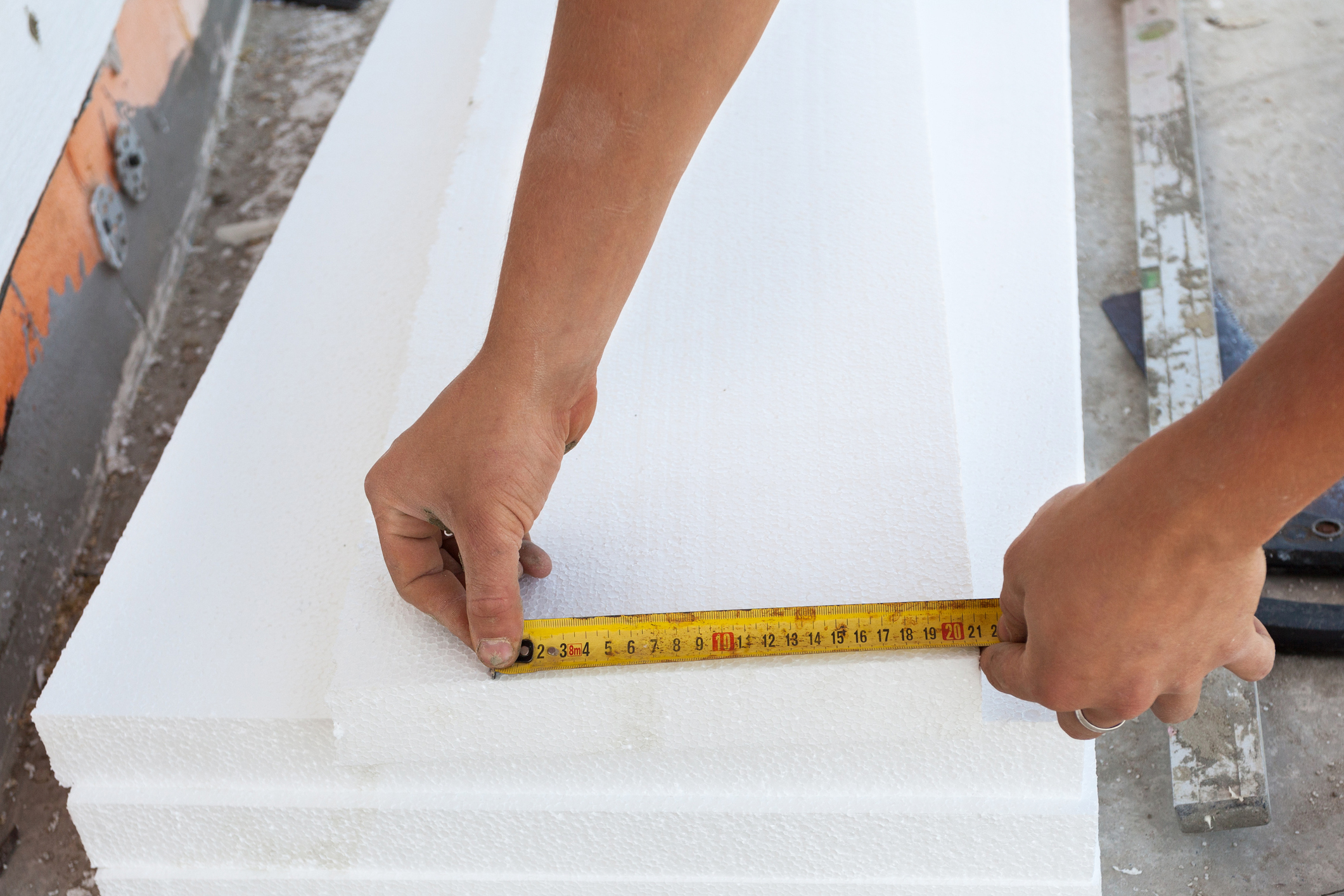
Foam board insulation comes in a few different types that vary by material and manufacturing method. Each has its own advantages and drawbacks, as well as ideal applications. Here are the three most common types of foam board insulation you will come across with contractors and at retail stores:
| Foam Board Insulation | R-Value per Inch | Best For |
|---|---|---|
| Expanded Polystyrene (EPS) | 3.6 to 4.0 | Roofs, walls |
| Extruded Polystyrene (XPS) | 5.0 | Basements, foundation walls, crawl spaces |
| Polyisocyanurate (Polyiso) | 6.0 to 6.5 | Roofs, attics, walls |
Expanded Polystyrene (EPS)
Expanded polystyrene boards are made from sheets or blocks of millions of fused beads that trap air, providing a cost-effective insulation option.
- Pros: Budget-friendly, consistent R-value over time, recyclable
- Cons: Lower R-value compared to other insulation boards, decreased moisture resistance, combustible
- Best for: Walls, roof systems
- Cost range: $0.45 to $0.70 per square foot
Extruded Polystyrene (XPS)
Polystyrene resin crystals are heated to a liquid form, then pressed into sheets, cooled, and cut to standard dimensions. Extruded boards create a closed-cell construction that offers more water resistance and long-term durability.
- Pros: Improved water resistance, higher R-value, easier to install
- Cons: More expensive, some loss of R-value over time, combustible
- Best for: Basement walls, foundation walls, crawl spaces, beneath a concrete slab
- Cost range: $0.85 to $1.25 per square foot
Polyisocyanurate (Polyiso)
Polymers create a chemical reaction resulting in a rigid, solid material that is shaped, cured, and cooled into boards. This premium insulation board offers the highest R-value and often includes a reflective aluminum facing that provides even more heat protection.
- Pros: Excellent heat resistance, durable, provides a more airtight seal
- Cons: Expensive, reduced performance in cold temperatures, absorbs moisture
- Best for: Above-grade applications like roofs, walls, and attics
- Cost range: $1.10 to $1.60 per square foot
Rigid Foam Board Insulation vs. Other Insulation Types
How does foam board insulation compare to other types of home insulation? Here is a quick breakdown, including R-values, pricing, and where each works best.
| Insulation | R-Value | Pros | Cons | Installed Cost per Sq. Ft. |
|---|---|---|---|---|
| Rigid foam board | 3.6 to 6.5 | Higher R-values, moisture resistant | Requires thermal barrier, higher cost | $0.95 to $4.10 |
| Fiberglass | 2.9 to 3.8 | Budget option, available everywhere | Low moisture resistance, shorter lifespan | $1.00 to $3.80 |
| Spray foam | 3.5 to 7.0 | Highest R-values, long lifespan | Most expensive, requires professional installation | $1.50 to $4.50 |
Foam Board vs Fiberglass Insulation
Fiberglass is one of the most common and affordable types of insulation on the market. Fiberglass rolls are available in multiple thicknesses and R-values and are designed to roll out between studs, joists, and rafters. While it is a relatively simple DIY project, unsafe and improper installation can result in skin and respiratory issues along with decreased energy efficiency.
Foam Board vs Spray Foam Insulation
With R-values ranging from 3.5 to 7.0, spray foam is a popular choice that offers reliable insulation and energy efficiency. Open-cell foam works best for attic insulation and interior walls, and closed-cell foam provides insulation and moisture protection for basements, crawl spaces, exterior walls, and roofs. The cost for open-cell foam is similar to that of foam board insulation, while closed-cell foam is typically the most expensive of all insulation options.
Benefits of Rigid Foam Board Insulation
Rigid foam board reduces three major issues that affect a home’s performance and comfort: heat, air, and moisture.
R-Value and Energy Efficiency
Foam board offers good heat resistance, with R-values from 3.6 to 7.0 depending on the type, board thickness, and overall density. When cut to size, installed over wall studs, and sealed properly, foam board insulation reduces heat transfer from the outdoors to a home’s framing — known as thermal bridging — to improve a home’s energy efficiency.
Moisture Resistance
Compared to fiberglass rolls, extruded polystyrene insulation in particular offers superior resistance to water and moisture to prevent mold growth and damage. Other insulation board types should be installed with a vapor barrier for additional moisture protection.
Durability and Longevity
Foam board insulation offers a long lifespan for the money compared to other types of insulation. The type of foam board, manufacturer, and installation quality will all affect degradation and performance. Here’s a snapshot of the average lifespan of common home insulation types:
- Foam board insulation: 30 to 50 years
- Fiberglass insulation: 15 to 25 years
- Spray foam insulation: 50+ years
Foam Board Insulation Drawbacks to Consider
While there are many advantages to foam board insulation, there are several drawbacks depending on budget, installation preferences, and sustainability concerns.
Cost Compared to Other Insulation
Foam board insulation occupies the mid-range spot in the market, with material and installation costs higher than fiberglass insulation.
Installation Challenges
If insulation boards are not cut to the right size and sealed properly, air gaps will decrease their energy efficiency. Because foam boards require precise cuts and experience working with the material, professional installation is recommended, resulting in higher project costs.
Environmental Considerations
Most rigid foam insulation boards are derived from fossil fuels and are responsible for greenhouse gas emissions during manufacturing. During disposal, insulation boards are not biodegradable and can break down into microplastics that can affect local wildlife and water supplies.
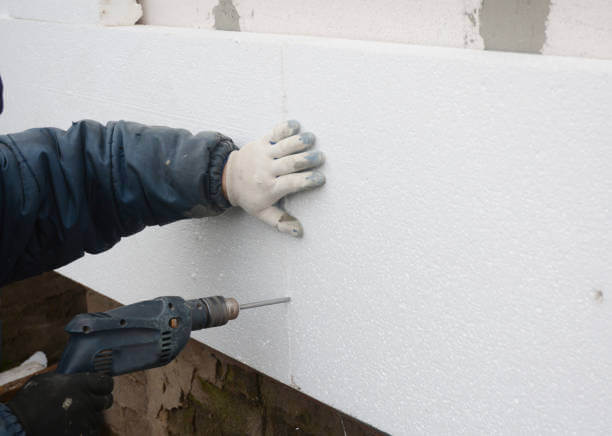
How Much Does Rigid Foam Board Insulation Cost?
Foam board insulation costs from $0.45 to $1.60 per square foot. The type of foam board, thickness, quantity, and professional installation all impact project costs. See the cost breakdown of each type below, along with what you can expect to pay for labor.
Material Costs by Type
The cost ranges for EPS, XPS, and Polyiso vary due to different manufacturing methods, overall board density, and their R-values and thermal efficiencies.
| Foam Board Type | Material Cost per Sq. Ft. | Installed Cost per Sq. Ft. |
|---|---|---|
| Expanded Polystyrene (EPS) | $0.45 to $0.70 | $0.95 to $3.20 |
| Extruded Polystyrene (XPS) | $0.85 to $1.25 | $1.35 to $3.75 |
| Polyisocyanurate (Polyiso) | $1.10 to $1.60 | $1.60 to $4.10 |
Installation Costs
The labor to install foam board insulation ranges from $0.50 to $2.50 per square foot. Local labor rates and demand impact professional estimates. Accessibility is also a factor — crawl spaces and other areas that require more complex cutting and sealing may cost more to insulate.
Where Should You Use Rigid Foam Insulation in Your Home?
Foam board insulation works well throughout the home, but certain types are better suited to specific rooms, spaces, and applications. Because of their materials and manufacturing methods, each foam board type performs better in some areas than others.
Best Areas for Installation
Foam board insulation is ideal for areas that need reliable protection against extreme heat or cold, wind, and water. It provides an air and vapor barrier that delivers long-term durability in spaces that are most vulnerable to heat loss and moisture damage.
- Roofs
- Basements
- Crawl Spaces
- Exterior Walls
- Attics
When Foam Board May Not Be the Best Choice
While foam board insulation offers impressive performance and energy efficiency, it is highly flammable and not the safest option in areas with high heat.
- Near Chimneys
- Utility Rooms
- Exposed Walls
- Unvented Attics
Can You Install Rigid Foam Board Yourself?
Foam board installation is a straightforward DIY project, but it takes time, diligence, and precision to make the proper cuts required for airtight seals. Complex board cuts and meticulous sealing can be time-consuming, and you will also need to install drywall over the insulation when the job is complete. If you don’t have the time or the tools, we recommend hiring a professional for installation.
Basic Installation Steps
If you are interested in doing the work yourself — or simply want to know what your contractor is up to — here is how to install foam board insulation:
- Select your foam board and calculate how much you will need for your project.
- Gather materials and tools: protective equipment, foam board, seam sealant, adhesive, measuring tape, utility knife, straightedge, caulking gun, level, and a jigsaw or saw.
- Remove old insulation and ensure the area is clean and dry.
- Measure the dimensions of your space and cut foam boards precisely with a utility knife or saw.
- Apply foam-board-compatible adhesive to the backs of boards with the caulking gun. Avoid the edges to prevent adhesive from seeping out the sides.
- Install the adhesive side to the surface, make sure it is level, and press firmly to ensure adhesion.
- Use sealant to cover the joints and where foam board edges meet. Cover with adhesive tape to reinforce seals.
- Install drywall over the insulation as a thermal barrier to comply with fire safety codes.
Common Mistakes to Avoid
Proper installation ensures foam board insulation delivers the thermal protection and energy efficiency needed to maintain a home’s interior temperature and provide all-season comfort. Make your DIY foam board project a success by avoiding these common installation pitfalls:
- Wrong insulation type: Choose the best board type for above- and below-grade areas.
- Incorrect board thickness: Thicker boards offer a higher R-value and more energy efficiency.
- Gaps between boards: Air gaps between boards reduce insulation performance.
- Improper sealing: Moisture can become trapped and result in structural decay.
How to Choose the Right Rigid Foam Insulation
EPS, XPS, and Polyiso each have strengths and drawbacks. Here’s how to select the right one for your needs.
Consider Climate and R-Value Needs
What areas need insulation? How cold does it get where you live? Recommended R-values vary by climate zone and may also impact the type and thickness of the foam board you need.
Factor in Moisture Exposure
Do you need insulation for below-grade areas? Extruded polystyrene is the most moisture resistant and works best for basements, crawl spaces, and foundations.
Balance Budget and Performance
Rigid foam board costs more than fiberglass insulation, but you will enjoy lower energy bills in the long run. Foam board also has a longer lifespan and is less susceptible to moisture damage, reducing repair and replacement costs.
When it comes to selecting the best foam board for your budget, if you are installing it above grade, you will have a choice of EPS and Polyiso. While Polyiso comes with a higher price tag, it offers a higher R-value per inch compared to EPS. If the area you want to insulate requires a high R-value, it may be more cost-effective to use a thinner Polyiso board instead of a thick EPS board. Your insulation contractor can provide specific recommendations and costs for your unique situation.