Insulation
What Is Wall Insulation? Types, Costs, and What Homeowners Need to Know
Wall insulation is material placed inside or on your home’s walls to slow heat transfer. It helps keep warmth in during winter and blocks heat in summer. This upgrade is cost-effective, lowers energy bills, improves comfort, and reduces outside noise.
This guide explains the main types of wall insulation, their costs, how to pick the best option for your home, and when to hire a pro or do it yourself.
Find the best insulation pros in your area.

The Modernize Mission
We help homeowners make confident decisions through our reliable, up-to-date, and unbiased information and average project costs. All of our content is thoroughly reviewed and fact-checked by our team of home improvement experts. Learn more about how we maintain these values.
Table of Contents
- How Wall Insulation Works
- Types of Wall Insulation
- R-Value Recommendations by Climate Zone
- Which Type of Wall Insulation Is Best for Your Home?
- How Much Does Wall Insulation Cost?
- Signs Your Walls Need Better Insulation
- DIY vs. Professional Installation
- Common Mistakes to Avoid
- Benefits of Wall Insulation
- FAQs About Wall Insulation
How Wall Insulation Works
Heat moves through walls in three ways: conduction (through solid materials), convection (through air movement), and radiation (through surfaces). Insulation addresses all three by slowing conductive heat transfer, reducing air infiltration, and, in some cases, reflecting radiant heat.
Experts measure the effectiveness of insulation by its R-value — a rating of resistance to heat flow. Higher R-values mean better thermal performance. The right R-value for your walls depends on your climate zone, wall construction type, and whether you’re insulating new or existing walls. Most exterior walls in new residential construction target R-13 to R-21, though colder climates benefit from higher values.
Types of Wall Insulation
Most home insulation fits into a few main types. Each type has its own benefits, depending on your home’s design and what you need.
Fiberglass Batt Insulation
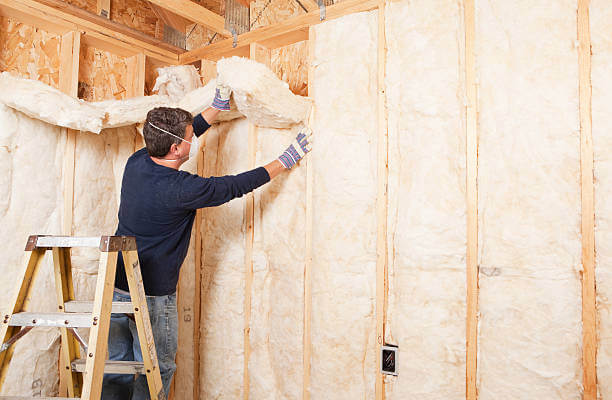
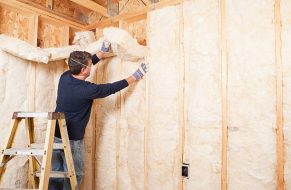
Fiberglass batts are pre-cut panels of spun glass fiber designed to fit between standard wall studs. They’re the most widely used wall insulation type in new residential construction due to their low cost, easy availability, and solid thermal performance. Standard batts for 2×4 stud walls are rated R-13 to R-15; thicker batts for 2×6 walls reach R-19 to R-21.
- Best for: Open walls in new construction or gut renovations
- Pros: Affordable, widely available, DIY-friendly in open walls, no professional equipment required
- Cons: Must fit properly to work well. Gaps, compression, or moisture can reduce its effectiveness. It does not seal air by itself.
Blown-In Fiberglass Insulation
Contractors commonly blow loose-fill fiberglass into wall cavities through small holes. A contractor drills access holes, blows in the material, and patches the holes afterward, so they can add insulation without opening up finished walls.
- Best for: Adding insulation to existing finished walls without major renovation
- Pros: Less disruptive than opening walls, good coverage in irregular spaces
- Cons: Needs professional equipment and may settle a bit over time.
Spray Foam Insulation
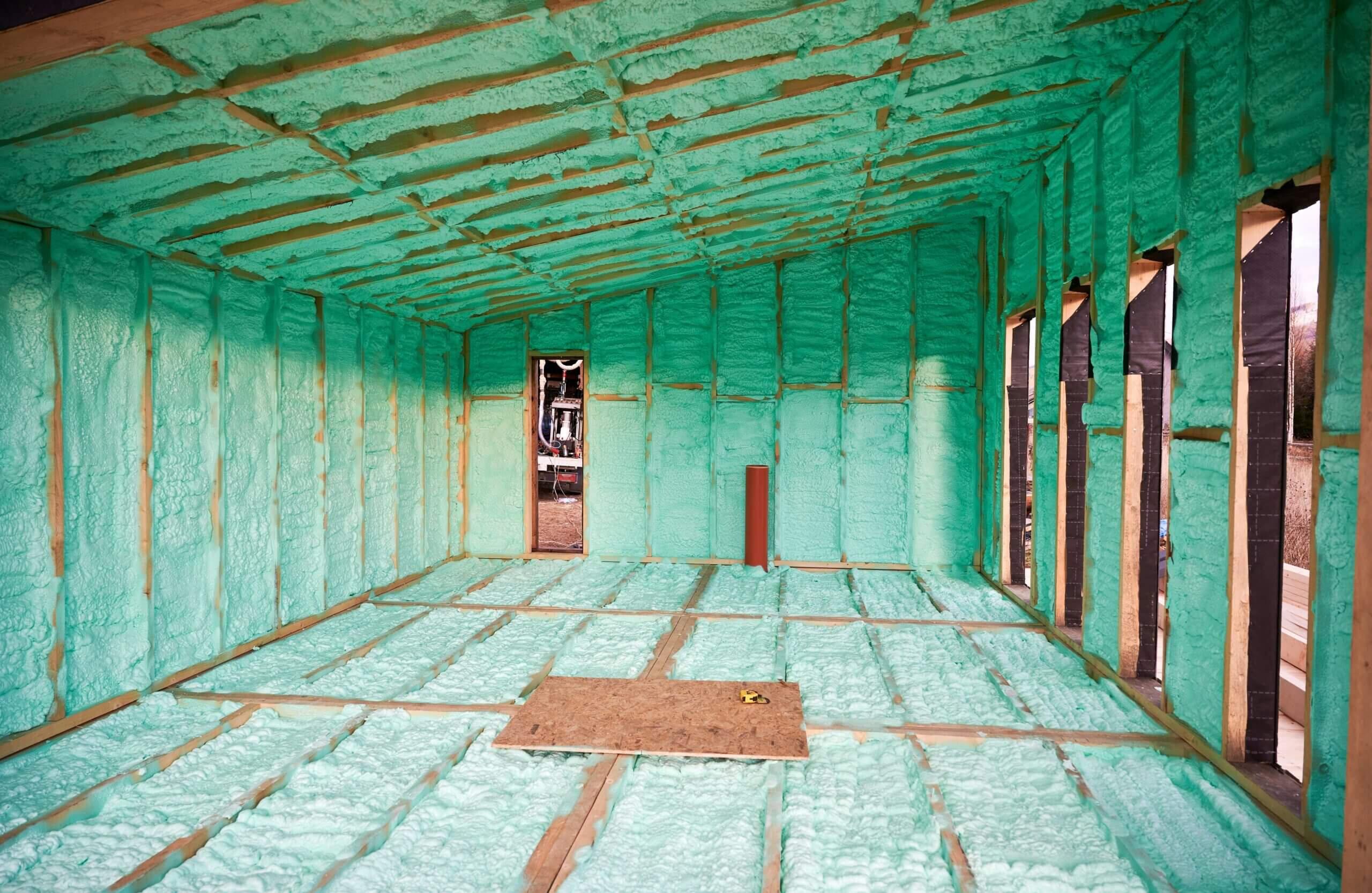
Spray polyurethane foam expands to fill wall spaces, gaps, and cracks. There are two types: open-cell foam, which is softer and lets vapor pass through, and closed-cell foam, which is denser, more rigid, and has a higher R-value per inch. Closed-cell foam also works as a vapor barrier and makes walls stronger.
- Open-cell foam: R-3.5 to R-3.8 per inch
- Closed-cell foam: R-6 to R-7 per inch
- Best for: New construction, major renovations, or homes with significant air leakage problems
- Pros: Seals air very well, closed-cell type has the highest R-value per inch, adds strength to walls, and resists moisture.
- Cons: Costs much more than fiberglass or cellulose, needs a professional to install, and gives off fumes during installation that require good ventilation.
Cellulose Insulation
Cellulose is made from recycled paper products — typically newsprint — treated with fire retardants and boric acid for pest resistance. It’s most commonly blown into wall cavities as loose fill and is one of the more environmentally friendly insulation options available.
- R-value: R-3.2 to R-3.8 per inch
- Best for: Retrofit insulation in existing walls, eco-conscious homeowners
- Pros: High recycled content, good air infiltration resistance, effective in irregular cavities, competitive cost
- Cons: May settle by 10% to 20% over time if not packed tightly, and can absorb moisture if it gets wet.
Mineral Wool (Rockwool) Insulation
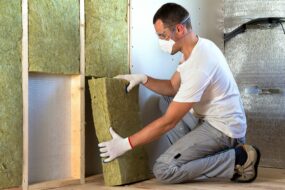
Manufacturers spin volcanic rock or industrial slag into fibers to create mineral wool, which is sold under names like Rockwool and Roxul. It is denser than fiberglass, naturally fire-resistant to very high temperatures, and offers better soundproofing than most other batt insulation. Additionally, it keeps its shape better when compressed.
- R-value: R-3.7 to R-4.2 per inch
- Best for: Homeowners prioritizing fire resistance, soundproofing, or performance in high-moisture areas
- Pros: Fire-resistant, excellent sound dampening, moisture-resistant, holds shape under compression better than fiberglass
- Cons: Costs more than standard fiberglass batts, is heavier, and is a bit harder to cut and install.
Rigid Foam Board Insulation
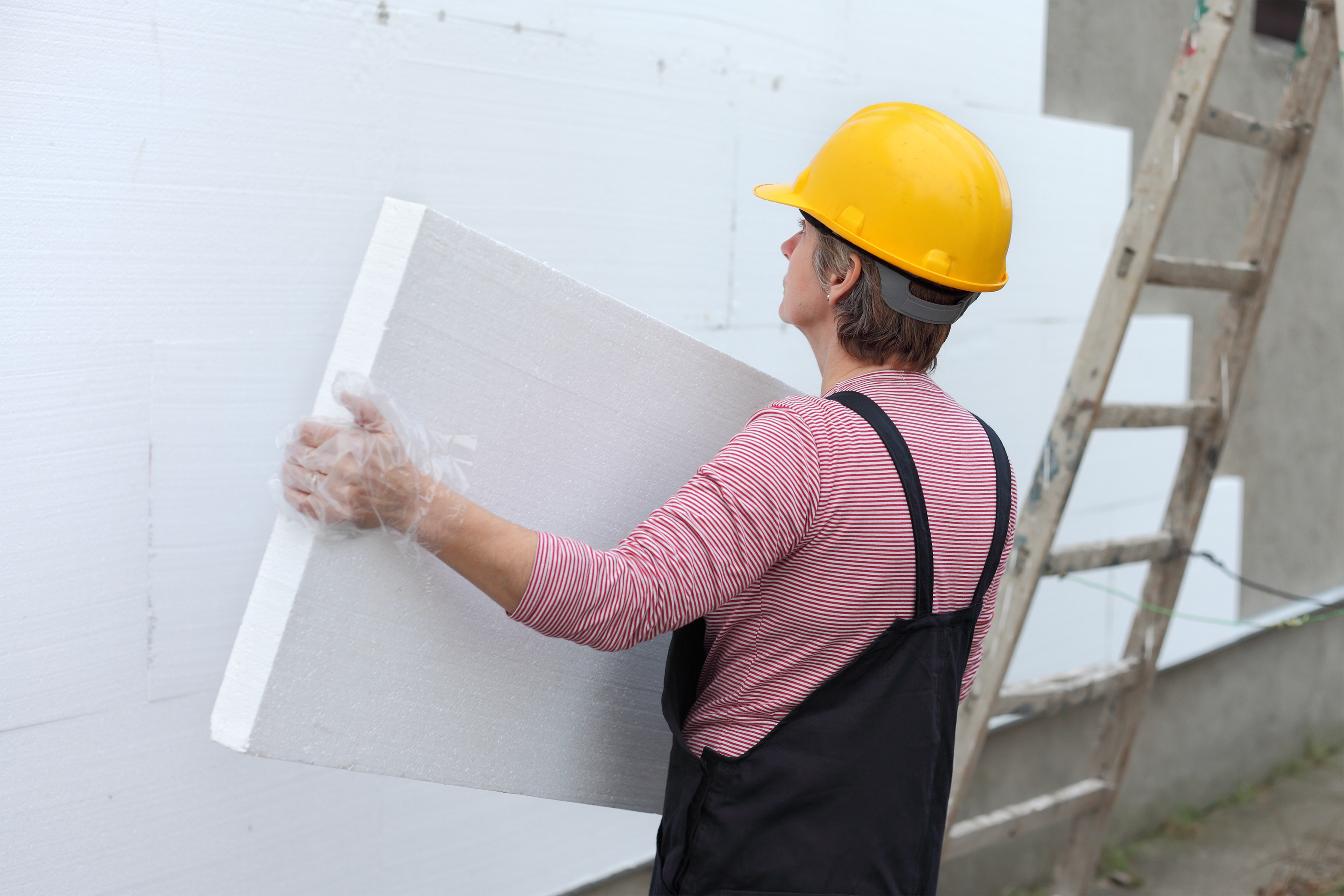
Rigid foam panels, which come in expanded polystyrene (EPS), extruded polystyrene (XPS), and polyisocyanurate, are solid boards used on the inside or outside of walls. They are most often used on the outside of walls as a continuous insulation layer during new construction or re-siding, which stops heat loss through studs.
- R-value: R-3.8 (EPS) to R-6.5 (polyiso) per inch
- Cost: $0.25 to $1 per square foot for materials; installation varies significantly based on scope
- Best for: New construction, exterior re-siding projects, adding continuous insulation without reducing interior space
- Pros: High R-value in a thin profile, moisture-resistant, eliminates thermal bridging
- Cons: Usually needs a professional to install and is not practical for adding to finished interior walls.
R-Value Recommendations by Climate Zone
The 2021 International Energy Conservation Code recommends the following R-values for exterior walls based on climate zone:
| Climate Zone | Recommended Wall R-Value |
|---|---|
| Zones 1 and 2 | R-13 or R0 + R10 CI |
| Zone 3 | R20 or R13 + R5 CI or R0 + R15 CI |
| Zones 4, 5, 6, 7, and 8 | R20 + R5 CI or R13 + R10 CI or R0 + R20 CI |
*CI stands for “continuous insulation,” which contractors apply to the exterior of the wall assembly just inside the cladding.
These numbers are for standard 2×4 wood-framed exterior walls. Homes built with concrete block, steel framing, or structural insulated panels may need different insulation.
Which Type of Wall Insulation Is Best for Your Home?
The best option depends on whether your walls are open or finished, your climate, and your budget.
- For new construction or major renovations with open walls, fiberglass batts are the most affordable starting point. Mineral wool adds fire resistance and soundproofing for a bit more money. However, spray foam is worth the extra cost in very hot or cold climates or if your home has a lot of air leaks.
- For existing homes with finished walls, blown-in cellulose or blown-in fiberglass are the most practical choices. Both can be installed through small holes without opening up the walls. Dense-pack cellulose is usually preferred because it seals air well and is more eco-friendly.
- For exterior insulation during re-siding, adding rigid foam board as a continuous layer over the existing wall is the best way to improve wall performance without disturbing the inside of your home.
How Much Does Wall Insulation Cost?
For a typical 1,500-square-foot home, wall insulation usually costs between $1,500 and $9,000, depending on the material, how easy it is to access the walls, and whether the walls are open or finished. You will spend much less to insulate during new construction than to retrofit because the walls are already open.
In general, this is how much you can expect to pay for each type of insulation:
- Fiberglass batts: $0.30 to $1.50 per square foot
- Cellulose (blown-in): $0.50 to $2.40 per square foot
- Mineral wool batts: $1.40 to $2.10 per square foot
- Open-cell spray foam: $1.50 to $2.50 per square foot*
- Closed-cell spray foam: $3.50 to $5.25 per square foot*
- Rigid foam board: $7 to $12 per square foot*
*Note: Spray foam and rigid foam board insulation are priced by “board foot,” which is equal to 1 square foot at a 1-inch thickness. The costs in the list above are based on a 3.5 inch thickness.
Insulating during new construction usually costs 30% to 50% less than adding insulation to finished walls since there is no need for demolition, drilling, or patching. If you are renovating and the walls are open, it is the best time to upgrade your insulation.
Signs Your Walls Need Better Insulation
If some rooms are always warmer or cooler than the rest of your house, even when your heating or cooling is working, you may have poor wall insulation. Other signs include walls that feel cold or hot compared to inside walls, drafts near outlets or switches on outside walls, higher energy bills without more usage, and too much outside noise coming in.
Builders constructed most homes before 1980 with little or no wall insulation. Building codes and insulation standards have changed a lot since then, so older homes may need upgrades.
DIY vs. Professional Installation
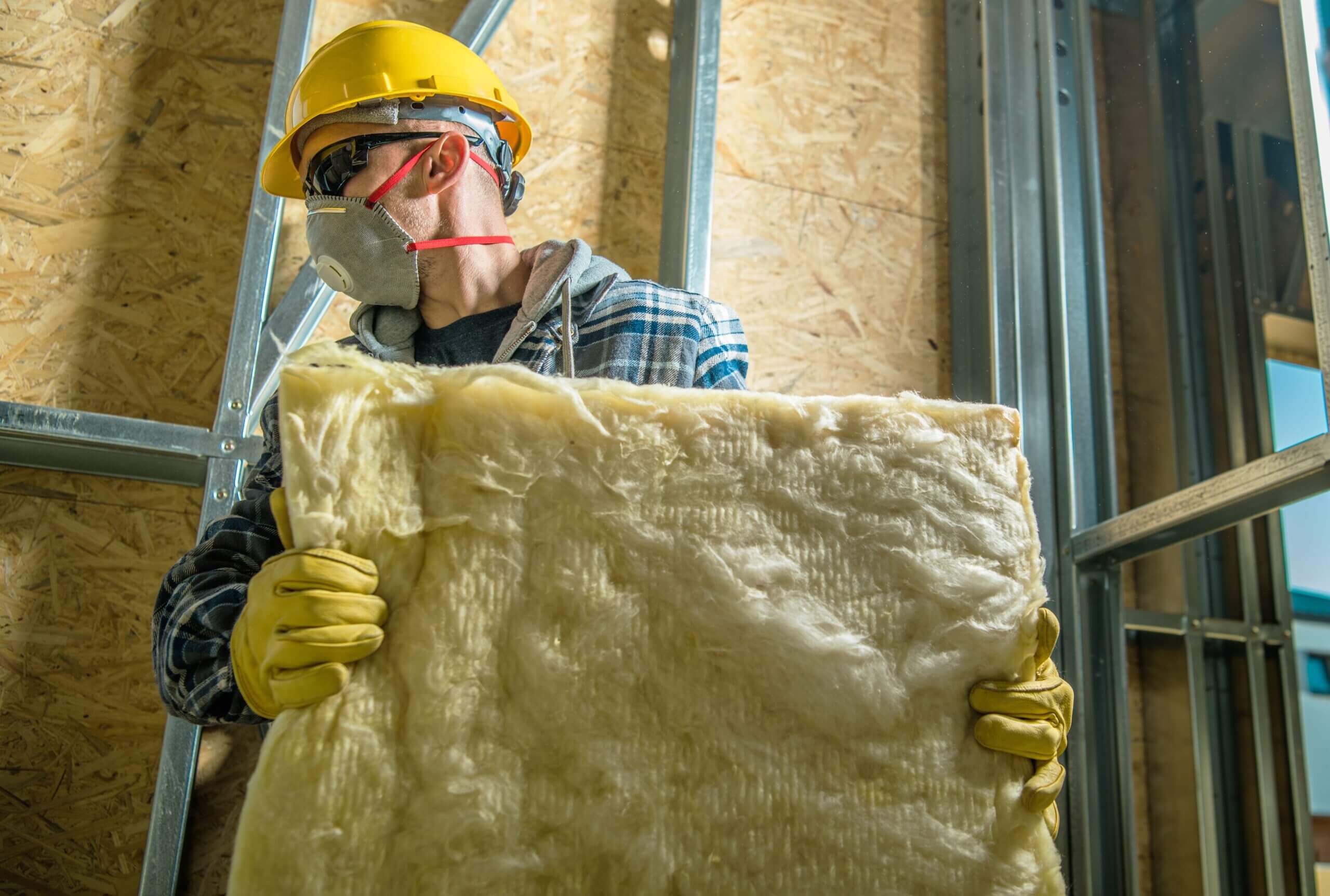
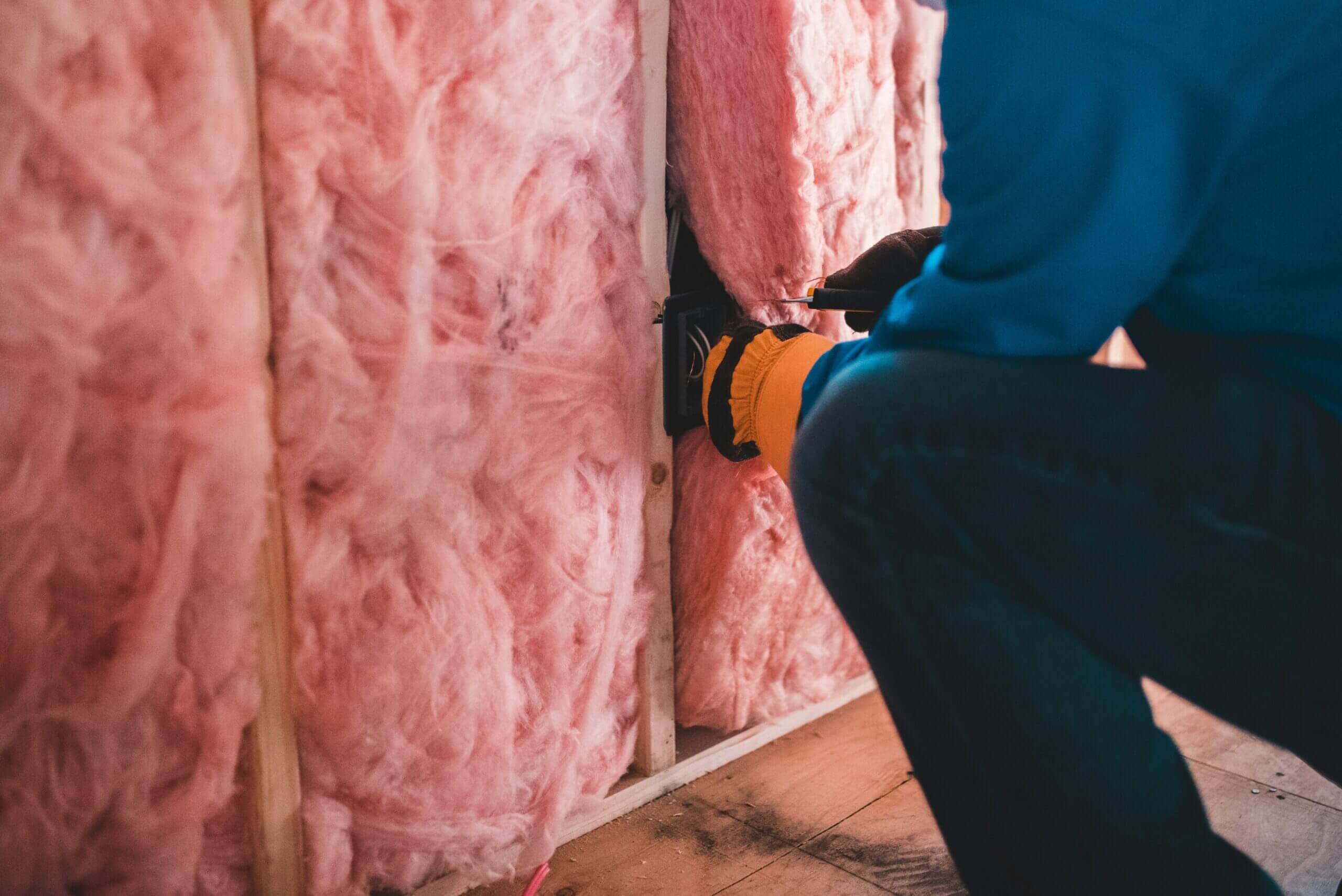
Fiberglass batts in open wall spaces are the easiest insulation for DIY projects. If you are renovating and the walls are open, you can install standard batts without special tools if you are comfortable with basic construction. Always use gloves, eye protection, and a respirator since fiberglass fibers can irritate your skin and lungs.
Blown-in insulation, spray foam, and dense-pack cellulose all need special equipment and professional skill. Trying to install spray foam without training is a common and expensive mistake. If you do not mix or apply the foam correctly, it may not expand, stick well, or could cause moisture problems. Dense-pack cellulose also needs special tools to pack it tightly and seal air gaps.
For adding insulation to finished walls, it is best to hire a professional, no matter what material you use. Placing access holes, patching, and making sure the insulation covers everything behind the walls all take experience to do well.
Common Mistakes to Avoid
- Installing batts in the wrong thickness for your stud depth is one of the most common errors. Compressed insulation performs significantly below its rated R-value. A 3.5-inch R-15 batt crammed into a space designed for R-13 loses meaningful performance.
- Not sealing air leaks is a common and costly mistake. Insulation slows heat transfer but does not stop air movement by itself. If you do not seal gaps around electrical boxes, pipes, and where walls meet the ceiling, you can still lose a lot of energy. Using spray foam or caulk before installing insulation greatly improves wall performance.
- Skipping a vapor barrier assessment in humid or mixed climates can lead to moisture problems inside wall cavities. Whether a vapor barrier is needed, and on which side of the wall, depends on your climate zone and wall construction. In mixed climates, vapor-open assemblies that allow walls to dry in both directions are often preferable to vapor barriers.
- Picking insulation just because it is cheaper, without thinking about how well it is installed, often leads to poor results. A well-installed R-13 batt will work better than a poorly installed R-19 batt in most cases.
Benefits of Wall Insulation
Lower heating and cooling bills are the main financial benefit. The U.S. Department of Energy says that proper insulation and air sealing can cut energy costs by 15% or more. Many people notice better comfort right away, with more even room temperatures and fewer drafts.
Insulation also reduces noise from outside and between rooms, which many homeowners appreciate. Additionally, it helps your heating and cooling system last longer and can increase your home’s value and energy rating, which matters more to buyers today.
Connect with local insulation pros near you — get quotes and compare prices.