
Get Matched by Modernize
-
 Share details about your home project
-
 Quickly connect with top-rated local pros.
-
 Compare quotes and choose the best fit.
Why Generators Are Different in Oregon
Oregon has a marine west coast climate with moderate wildfire risk, about 12 days above 90°F per year, and average wind speeds of 7.9 mph. Power outages in Oregon often aren't caused by the storm that just passed — they're caused by the utility preemptively cutting power to prevent wildfires, or by grid infrastructure damaged in a previous fire season. Public Safety Power Shutoffs (PSPS) can be announced days in advance or happen with little notice, and they can last anywhere from a few hours to several days. A standby generator gives you independence from those decisions.What Local Generator Contractors Do
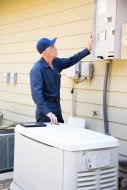
Generator contractors in Saint Paul handle installation, maintenance, and repair for standby and portable systems. Common services include:- Whole-home standby generator installation (natural gas or propane)
- Automatic transfer switch (ATS) installation
- Portable generator transfer switch installation
- Battery backup and solar-plus-storage integration
- Generator repair and troubleshooting
- Annual maintenance and load testing
- Fuel system connections (gas line and propane tank)
- Permit acquisition and utility coordination
- Generator replacement and upgrade
Generator Options for Oregon's Outage Profile
Oregon's outage profile — planned shutoffs, rolling blackouts, and wildfire-related grid disruptions — creates a few distinct use cases. For homeowners on natural gas, a whole-home standby generator is the most reliable option: it starts automatically, runs indefinitely on pipeline gas, and requires no manual action during a PSPS event. For homes in areas where gas supply could also be disrupted during a wildfire emergency, propane standby or a battery backup system paired with solar are worth considering. A local contractor can walk through your fuel options and grid exposure before recommending a system.| Type | Typical Installed Cost | Notes for Oregon |
|---|---|---|
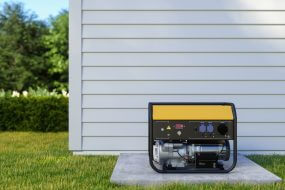
| Standby generator (10–16kW) | $4,000 – $8,000 | Essential circuits; good for shorter PSPS events |
| Standby generator (18–22kW) | $8,000 – $15,000 | Full home coverage; recommended for extended outages |
| Large standby (24–48kW) | $12,000 – $25,000+ | Large homes, EV charging, high electrical load |
| Propane standby | $8,000 – $18,000 | Good where gas supply may be disrupted |
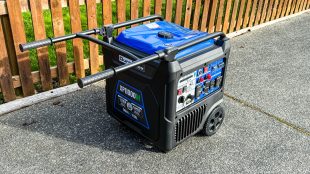
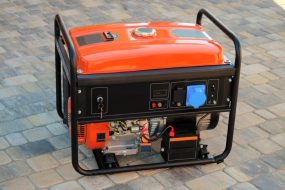
| Portable generator (7–12kW) | $800 – $2,000 (unit only) | Short-term backup; lower upfront cost |