Siding
House Siding Repair Cost
Average Cost: $300 – $1,800
The average homeowner spends about $1,050 on siding repair, depending on the material, the extent of the damage, and local labor rates. Material prices vary widely. Vinyl is among the most affordable to repair, while fiber cement and natural wood tend to cost more. Labor typically makes up 40% to 60% of the final bill and can increase if the repair requires color matching, replacing sheathing, or addressing moisture damage behind the siding. This guide covers the full breakdown of siding repair costs by material, damage type, square footage, and more.
Check repair pricing near you with free, no-obligation quotes.

The Modernize Mission
We help homeowners make confident decisions through our reliable, up-to-date, and unbiased information and average project costs. All of our content is thoroughly reviewed and fact-checked by our team of home improvement experts. Learn more about how we maintain these values.
Cost of Siding Repair in 2026
On average in 2026, homeowners spend $300 to $1,800 to repair house siding. Minor fixes, such as patching a small vinyl crack, can be as low as $150, while major repairs involving moisture damage, structural issues, or replacing large sections of siding can reach $5,000 or more. In this guide, we’ll break down siding repair costs by material, type of damage, and project size so you can budget effectively and know what to expect before hiring a contractor.
Cost ranges reflect current national averages derived from industry research, contractor pricing, and homeowner-reported projects, adjusted for scope and regional labor differences.
Get connected with trusted siding repair pros near you.
Get 3 to 4 local siding repair quotes in your area, free and with no obligation. You’ll be matched with professionals who can repair siding, not just sell full replacements.
Siding Repair Cost by Material
The type of siding on your home plays the biggest role in determining repair costs. Vinyl siding repair costs are typically the lowest, while wood, composite, and fiber cement repairs tend to fall on the higher end due to material costs and labor complexity. Below is a breakdown of average repair prices by material.
Labor is the biggest swing factor in siding repair costs, which is why prices can vary significantly by region and access.
| Siding Material | Average Repair Cost |
|---|---|
| Vinyl | $150 to $500 |
| Wood | $200 to $1,000 |
| Fiber Cement | $300 to $1,200 |
| Aluminum | $200 to $700 |
| Engineered Wood | $250 to $900 |
| Stucco | $500 to $1,800+ |
See what siding repairs typically cost in your area based on your material and damage type.
Related: See our siding types guide.
Siding Repair Cost by Issue
The type of problem you’re facing also affects your siding repair cost. Some issues are cosmetic, while others signal deeper moisture or structural problems.
- Broken or Cracked Siding: $150 to $600. Common for vinyl and aluminum; typically a quick panel replacement.
- Rot and Mold: $500 to $2,500. Mostly affects wood siding and areas with persistent moisture; may require replacing sheathing or framing.
- Water Damage: $300 to $3,000. Costs vary depending on whether moisture has penetrated beyond the siding and into wall layers.
- Sun Damage or Fading: $200 to $800. Often involves replacing visibly faded panels to maintain uniform siding color.
- Fire or Heat Damage: $400 to $2,500. Pricing depends on how much insulation and siding must be replaced.
We match you with repair specialists based on the specific problem you’re dealing with.
Cost by Square Foot
Most siding repairs fall between $3 and $12 per square foot, depending on material and project complexity. Vinyl tends to cost the least per square foot, while stucco, fiber cement, and engineered wood land on the higher end. Expect the total cost to increase if the repair requires special color matching or removal of multiple panels to access the damaged area.
Cost by Extent of Damage
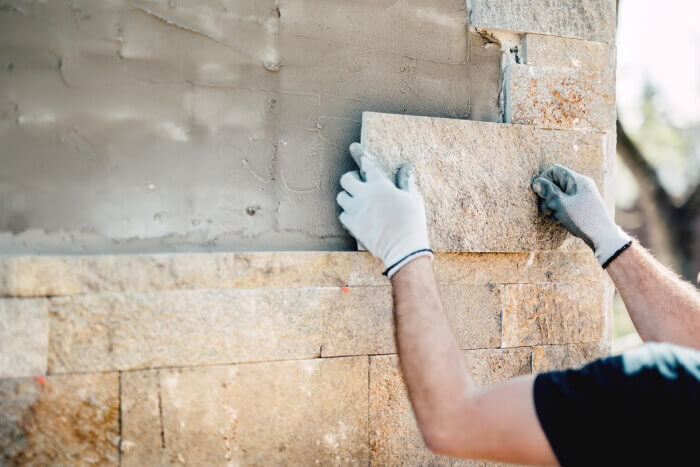
The more extensive the damage, the more labor and material you’ll need. Here’s what typical repair categories look like:
- Minor Damage: Small cracks, dents, or one-panel replacements cost $150 to $400.
- Moderate Damage: Multiple panels, color matching, or small areas of water damage cost $400 to $1,200.
- Major Damage: Structural rot, mold issues behind siding, or large section replacements cost $1,200 to $5,000+.
Regional Cost Differences
Siding repair costs aren’t the same everywhere, and labor rates are often the biggest reason. Materials can also be more expensive in regions with extreme weather or stricter codes, especially if contractors recommend higher-performance products.
In general:
- Coastal regions may see higher prices due to moisture-resistant materials and detailing.
- Cold-climate states may require insulated or reinforced siding to meet performance needs.
- Urban areas tend to have higher labor rates than rural markets.
- Storm-prone areas may require additional repairs (or upgrades) to meet local requirements.
If you want the most accurate price for your home, comparing a few local bids is the fastest way to estimate your total siding repair cost.
Related: Siding repair cost in Nebraska
Siding Repair vs. Replacement
Not all damaged siding needs to be replaced, but sometimes replacement is the smarter long-term choice. Repairs are typically best for small, localized issues. Replacement is better when the damage is widespread, the siding has reached the end of its lifespan, or you want to upgrade to a more durable material.
When to Repair: Small cracks, isolated rot, loose panels, or damage affecting less than 10–15% of a wall—especially when the rest of your siding is still in good condition.
When to Replace: Widespread warping, large moisture-damaged areas, mold behind the siding, or older siding that’s brittle, discontinued, or inefficient.
You’ll be matched with siding pros who can help you compare repair vs. replacement options based on your damage and budget.
How to Save on Siding Repair Costs
- Compare multiple quotes. Get at least three estimates to identify fair pricing and scope of work.
- Repair early. Addressing small issues quickly can prevent costly rot or water damage later.
- Use leftover materials. If you have spare siding panels from past work, provide them to reduce material costs.
- Choose spot repairs when possible. Replacing only the affected section is more affordable than a full wall repair.
- Plan repairs during off-season. Contractors may offer better rates in late fall or winter.
Siding Maintenance Tips to Prevent Future Repairs
A few basic maintenance habits can extend the life of your siding and reduce long-term repair costs.
- Wash siding annually to remove mildew and dirt.
- Repaint or reseal wood siding every few years.
- Keep shrubs, sprinklers, and mulch away from siding.
- Fix loose panels before wind pulls them free.
- Inspect after major storms for early signs of damage.
Regular maintenance often prevents small problems from becoming costly repairs.
Get 3 to 4 local siding repair quotes in your area, free and with no obligation.
Signs Your Siding Needs Repair
Small siding issues can escalate quickly, especially when moisture gets behind panels. Catching problems early can help prevent larger repair bills. Here are common warning signs to watch for:
- Soft, spongy, or warped spots that suggest water infiltration
- Cracks, holes, or loose boards caused by storms or impact
- Fading and brittleness from prolonged sun exposure
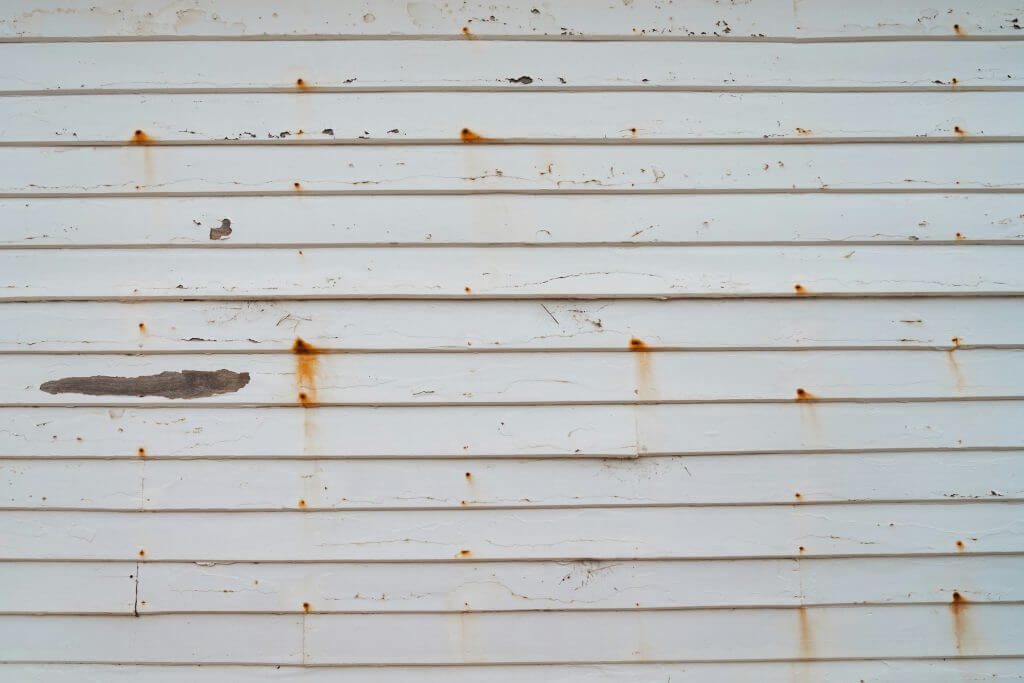
- Peeling paint or bubbling caulk around seams
- Musty odors indoors or unexplained interior wall moisture
If you notice any of these issues, it’s best to schedule an inspection sooner rather than later.
DIY Siding Repair vs. Hiring a Pro
Some siding repairs are simple enough for handy homeowners, like replacing a single vinyl panel or re-caulking joints. However, large repairs, structural damage, or anything involving moisture intrusion should be handled by a professional.
DIY works best when:
- Damage is small and cosmetic.
- The material is easy to work with, like vinyl.
- You already have the necessary tools.
Hire a contractor if:
- You see mold, rot, or soft wall sheathing.
- Panels need to be cut, shaped, or color-matched.
- Your siding is fiber cement, wood, or metal.
- Multiple areas are affected.
Professional repairs can cost more upfront but help prevent bigger issues from hidden damage.
Next Steps
Because siding problems can worsen quickly, especially when moisture is involved, it’s best to address repairs as soon as you notice cracks, warping, soft spots, or loose panels. Small cosmetic fixes can be DIY-friendly, but any signs of rot, structural damage, or water infiltration are best handled by a professional. If you’re ready to repair your siding, Modernize can connect you with pre-vetted contractors in your area for inspection, guidance, and quotes.
See siding repair pricing in your area in about 2 to 3 minutes.
Cost ranges shown reflect current national averages based on a synthesis of industry research, contractor-reported pricing, and homeowner-reported projects across the U.S. Data is normalized into unified low-to-high ranges to account for differences in labor rates, materials, system types, and project scope. Regional and state-level figures reflect typical local market conditions but are not quotes; actual costs vary by location, home characteristics, and the severity of the repair.