Foundations
How Much Does Mudjacking Cost? (2026 Guide)
Average Cost: $500 – $1,800
Mudjacking typically costs $500 to $1,800, with most projects priced at $3 to $8 per square foot. Smaller jobs may cost as little as $200, while larger or more complex repairs, including foundation slab lifting, can exceed $2,500.
Find the best foundations pros in your area.

The Modernize Mission
We help homeowners make confident decisions through our reliable, up-to-date, and unbiased information and average project costs. All of our content is thoroughly reviewed and fact-checked by our team of home improvement experts. Learn more about how we maintain these values.
How Much Does Mudjacking Cost?
Mudjacking typically costs $3 to $8 per square foot, with most homeowners paying $500 to $1,800 for standard residential projects.
Small repairs like a single sidewalk panel may cost as little as $200, while larger jobs like foundations can reach $2,500 or more. Compared to full concrete replacement, which often costs $4,000 to $12,000, mudjacking is one of the most cost-effective ways to fix sunken concrete.
Most contractors also charge a minimum service fee of $200 to $300, so very small jobs often fall within that range regardless of square footage.
For a full breakdown of structural repair pricing, see our guide to foundation repair cost.
What Will Your Mudjacking Cost?
Your total cost depends on the size and severity of the settled area:
- Small repairs ($200–$600): single slabs or steps
- Moderate projects ($600–$1,500): patios, small driveways
- Large or structural repairs ($1,500–$3,000+): foundations or widespread settlement
Mudjacking Cost by Project Type
Costs vary based on project size, slab condition, and accessibility. The table below reflects typical residential pricing.
| Project | Typical size | Average cost |
|---|---|---|
| Sidewalk panel (1 to 2 slabs) | 20 to 40 square feet | $200 to $500 |
| Patio | 100 to 300 square feet | $400 to $1,200 |
| Single-car driveway | 300 to 400 square feet | $500 to $1,000 |
| Two-car driveway | 400 to 600 square feet | $600 to $1,500 |
| Garage floor | 200 to 500 square feet | $500 to $1,400 |
| Foundation (standard) | Varies | $800 to $2,500 |
| Foundation (extensive) | Varies | $3,000 to $8,000+ |
| Steps (per set) | N/A | $150 to $400 |
| Pool deck | 500 to 800 square feet | $800 to $2,000 |
Most contractors charge a minimum of $200 to $300 per visit, regardless of project size. Small single-panel repairs often hit the minimum instead of the per-square-foot rate.
Foundation Mudjacking Cost
Mudjacking for foundations typically costs $800 to $2,500, with more complex jobs reaching $3,000 to $8,000+. Unlike flat surfaces, foundation lifting requires greater precision and is often part of a larger structural repair plan.
Mudjacking is most effective for slab foundations and void filling, but it does not address structural cracks or deep foundation movement.
See our full guides on foundation repair methods and foundation repair costs.
Driveway Mudjacking Cost
Mudjacking a driveway usually costs $500 to $1,500, depending on how many slabs have settled and how severe the drop is.
Sidewalk Mudjacking Cost
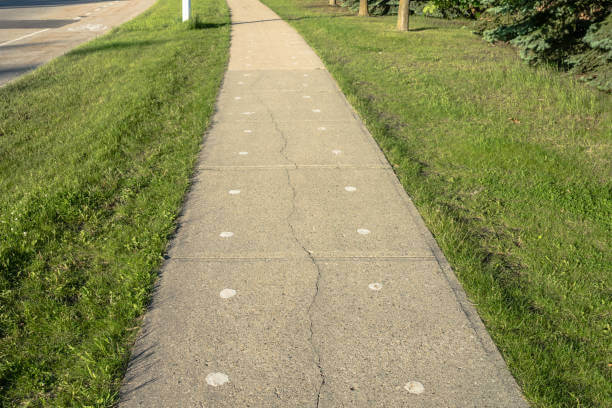
Sidewalk repairs typically cost $200 to $500 per panel. These are among the most common mudjacking jobs because uneven slabs create tripping hazards.
Patio Mudjacking Cost
Repairing a patio generally costs $400 to $1,200. Settlement is often caused by poor initial compaction, water runoff, or root growth.
Garage Floor Mudjacking Cost
Garage floor lifting costs $500 to $1,400 for most homes. Settlement typically occurs at edges or corners where water intrusion is more common.
Mudjacking vs. Polyurethane Foam Lifting
Mudjacking is often compared to polyurethane foam lifting, which uses a different material and cost structure. Mudjacking is usually cheaper, while foam lifting offers more precision and longer-term stability.
| Factor | Mudjacking | Polyurethane foam lifting |
|---|---|---|
| Material | Cement, soil, and water slurry | Expanding polyurethane foam |
| Cost per square foot | $3 to $8 | $8 to $25 |
| Hole size drilled | 1 to 2 inches | 5/8 inch |
| Curing time | 24 to 72 hours | 15 to 30 minutes |
| Weight added to soil | Significant | Minimal |
| Longevity | 5 to 10 years typically | 10 years or more |
| Best for | Large slabs, budget projects, driveways, patios | Precision lifting, areas near or beneath foundations, interior floors |
| DIY-friendly | No | No |
When Mudjacking Is the Better Choice
Mudjacking is usually the best option for large areas like driveways and patios where cost is the main concern. It’s widely available, proven, and significantly cheaper per square foot.
The tradeoff is weight. The slurry adds load to the soil, which can lead to future settling if underlying issues are not fixed.
When Foam Lifting Is Better
Foam lifting is typically better for foundations, interior slabs, or areas requiring precision. It’s lighter, cures quickly, and uses smaller holes, but typically costs two to three times more.
What Affects Mudjacking Cost?
Mudjacking costs can vary widely, even for projects that look similar. The biggest price differences usually come down to the size of the repair, how much the slab has settled, and the conditions beneath it.
Size of the Sunken Area
Larger areas require more material, more injection points, and more labor. Most contractors charge by the square foot, but very small jobs often hit a minimum service fee, which can make them more expensive per square foot.
Depth of Settlement
The deeper a slab has sunk, the more material is needed to lift it. A slab that has dropped several inches will cost significantly more to repair than one with minor settling.
Type of Slab (Foundation vs. Flatwork)
Mudjacking costs vary depending on what’s being lifted:
- Flatwork (driveways, patios, sidewalks): Usually less expensive due to easier access and simpler lifting
- Foundation slabs: Require more precision and may involve structural considerations, increasing cost
Number of Injection Points
Contractors drill holes across the slab to pump the material underneath. More holes allow for better control and leveling, but also increase labor time and patching costs.
Condition of the Concrete
Mudjacking works best when the slab is still structurally sound. If the concrete is heavily cracked, crumbling, or deteriorating, additional repairs or full replacement may be needed, increasing total costs.
Soil and Drainage Conditions
Underlying soil issues are a major cost driver. If erosion, poor drainage, or soil shrinkage caused the settlement, those problems may need to be fixed before or during mudjacking.
- Adding drainage solutions (like French drains or grading) increases upfront cost
- Skipping these fixes can lead to future settling and repeat repairs
Accessibility
Open, easy-to-reach areas are cheaper to repair. Costs increase if the slab is:
- near landscaping or structures
- behind fences or tight access points
- difficult to reach with equipment
Regional Labor Rates
Labor costs vary by location. Urban areas and regions with higher construction demand typically have higher pricing. It’s common to see estimates vary by 30% or more for the same job in different markets.
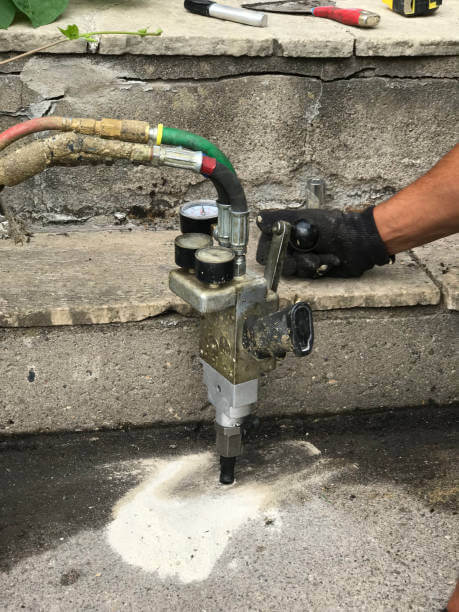
How Does Mudjacking Work?
Mudjacking lifts concrete by filling the void underneath it.
- Drilling. The contractor drills holes through the concrete slab, typically 1 to 2 inches in diameter, spaced every 4 to 6 feet across the sunken area.
- Pumping. A slurry mixture, usually made of Portland cement, soil, and water, is pumped through the holes under pressure. The slurry fills the gaps under the slab and starts to lift it.
- Lifting. As the slurry fills the gap and pressure increases, the slab rises. The contractor watches the process closely to avoid lifting the slab too much, which could make it uneven or stress it.
- Patching. After the slab is at the right height, the drill holes are filled and patched with cement. The patches are usually visible but not very noticeable.
Most jobs take 2 to 4 hours, with curing time of 24 to 72 hours before full use.
Why Do Concrete Slabs Sink?
Concrete settles when the soil beneath it loses support. Common causes include:
- Poor compaction during installation
- Water erosion or drainage issues
- Freeze-thaw cycles
- Tree roots
- Plumbing leaks
Fixing the underlying cause is key to preventing future sinking.
When Mudjacking Makes Sense
Mudjacking is a strong option when the slab is intact and the problem is simply voids or soil movement underneath.
It works best when:
- The slab is structurally sound
- Settlement is localized
- The cause can be corrected
It is not ideal when:
- Concrete is cracked or deteriorating
- Settlement is ongoing or severe
- Structural foundation issues are present
DIY vs. Hiring a Pro
Mudjacking is not a DIY project. It requires specialized equipment and experience to ensure even lifting and avoid cracking the slab.
Homeowners can:
- Identify problem areas
- Get multiple quotes
- Fix drainage issues beforehand
What to Look for in a Mudjacking Quote
A proper estimate should include:
- square footage or number of slabs
- number of injection points
- material used
- labor and setup fees
- patching and cleanup
Connect with local foundation repair pros to get quotes and compare pricing.
This content was created with the assistance of AI and reviewed, edited, and fact-checked by our editorial team for accuracy and clarity. See our Editorial Policy for more details.
FAQs About Mudjacking
Related Guides
Modernize Customer Portal Select your product below to sign in.

Modernize Bathroom Remodel Rating Methodology
How We Rate Bathroom Remodel Products and Companies We use two different sets of criteria depending on what we’re rating. For products and brands (like bathtubs, showerheads, and steam shower systems), we focus on how well they perform their core function, how durably they’re built, how much they cost relative to what you get, and how easy they are…