Groundworks AquaStop CrawlSeal Vapor Barrier: What Is It and Is It Worth It?
Average Cost: $5,000 to $15,000
Key Features
- 20-mil reinforced polyethylene liner is thicker than most consumer options
- Only available through Groundworks and its regional brands

The Modernize Mission
Modernize maintains homeowner-first editorial integrity, meaning we accept no commissions and no partner links for this review. Our reviews are thoroughly fact-checked by our home improvement experts. Ratings are determined by a sophisticated algorithm to rate brands, including analyses of products, materials, quality, costs, sizes, durability, energy efficiency, and warranties.
Table of Contents
What Is the AquaStop CrawlSeal Vapor Barrier?
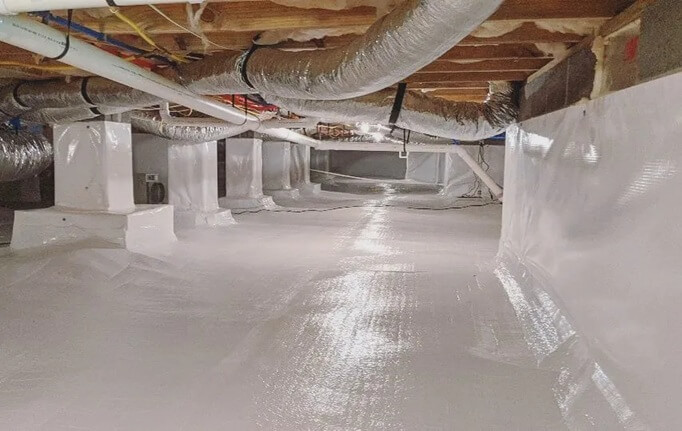
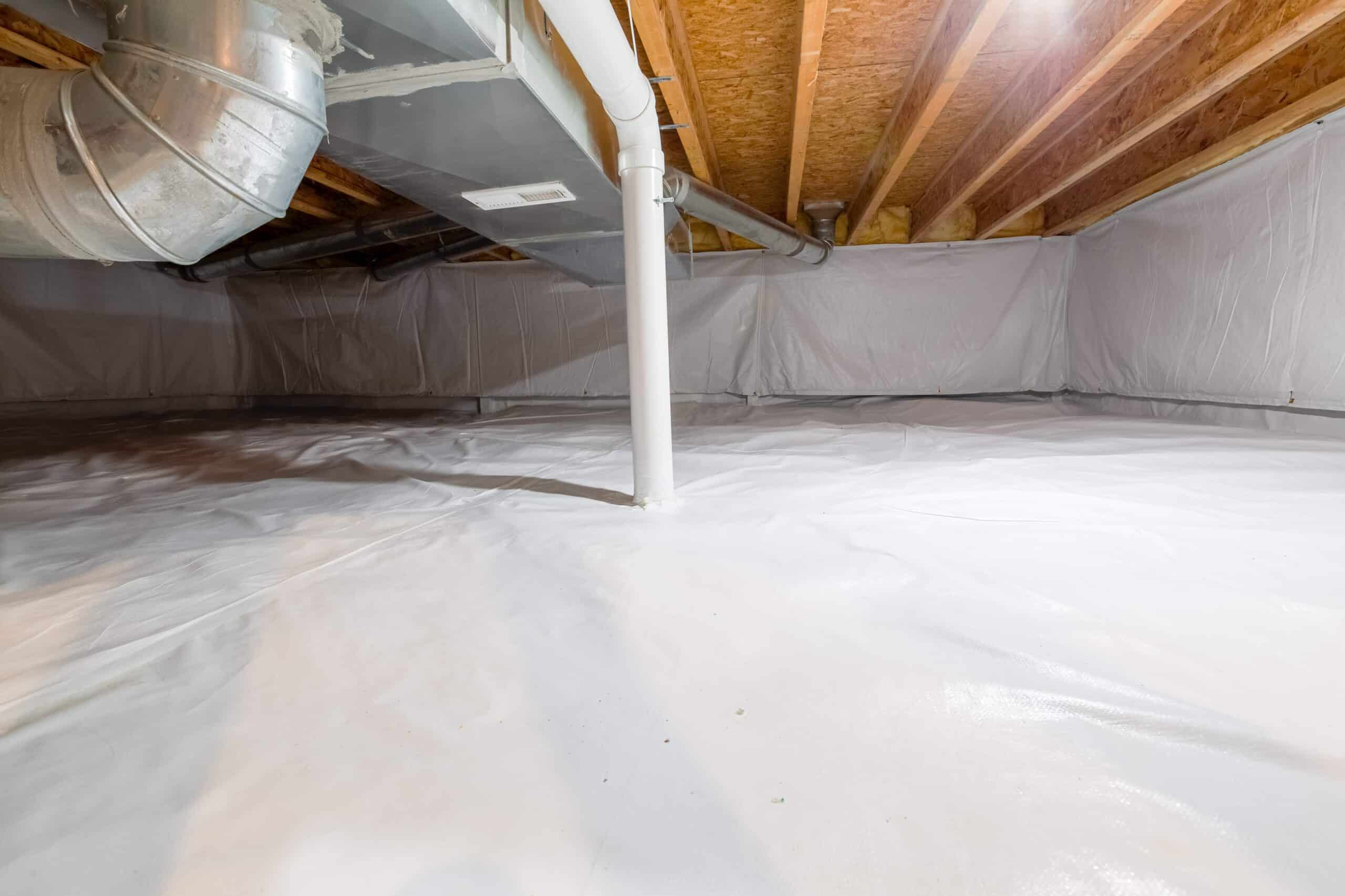
CrawlSeal is a strong, reinforced plastic liner that covers the floor and walls of your crawl space, forming a sealed barrier between the ground and your home. At 20 mil or thicker, it is much more durable than the 6-mil polyethylene sheets you find at hardware stores. Those thinner sheets are meant for temporary use and usually last only three to 10 years before breaking down.
CrawlSeal is usually installed as part of a complete crawl space encapsulation system, along with drainage matting, insulation, dehumidifiers, and sump pumps if needed. The aim is to turn a damp, unprotected crawl space into a sealed area that keeps out moisture, pests, and air quality issues for the long term.
According to U.S. Department of Energy (DOE) Building America research, sealing and conditioning a crawl space delivers energy savings of 15% to 18% on heating and cooling costs, while reducing crawl space humidity by more than 20%. ENERGY STAR corroborates this range, citing 15% average savings from crawl space air sealing and insulation combined.
Why Modernize Recommends CrawlSeal
CrawlSeal is a good choice for homeowners who want professional crawl space encapsulation and are working with Groundworks or one of its regional brands. Its 20-mil reinforced design is a real upgrade over consumer options, the professional installation comes with a warranty, and it works together with Groundworks’ other waterproofing products — like drainage matting, sump pumps, and dehumidifiers. This means it is part of a complete moisture management system, not just a single liner.
An important caveat: CrawlSeal is a proprietary product available only through Groundworks. If you are comparing quotes, keep in mind that you are evaluating a Groundworks-only system against products from other providers — not comparing CrawlSeal to a generic option. If you choose a different installer, they will offer a similar product under another name.
Why You Might Need a Vapor Barrier
Crawl spaces are prone to moisture problems even in homes that have never experienced flooding. Groundwater, soil humidity, and seasonal temperature changes all drive moisture into unprotected crawl spaces. You may benefit from encapsulation if you notice:
- Musty smells in your home or HVAC system
- Mold growth or water stains in the crawl space
- Uneven floors or sagging floor joists
- Cold or drafty floors in winter
- High indoor humidity levels
- Increased allergy or asthma symptoms
An Advanced Energy 100-home field study conducted for the U.S. Environmental Protection Agency (EPA) found that the stack effect pulls about 40% to 50% of first-floor air up from the crawl space. This means the air quality in your crawl space directly affects what your family breathes indoors. The EPA also lists indoor air pollution as one of the top five environmental health risks, with moisture and mold as major contributors.
CrawlSeal Features and Specifications
The AquaStop CrawlSeal system is designed to be durable and to work well with other waterproofing products:
- Thickness: 20-mil or thicker reinforced polyethylene, which is about two to three times thicker than the standard sheeting you find at hardware stores.
- Coverage: Attached to both the crawl space floor and walls, creating a continuous barrier instead of just covering the floor.
- Microbial resistance: Treated to prevent mold and mildew from growing on the liner surface.
- Energy impact: Reduces air infiltration from the crawl space, which can lower the workload on your HVAC system if your crawl space is a major source of air loss.
- Longevity: Designed to last over 20 years with professional installation and backed by Groundworks’ transferable warranty on certain services.
- System compatibility: Made to work with AquaStop drainage matting, sump pumps, and dehumidifiers as part of a complete encapsulation system.
Cost and Installation
CrawlSeal installation usually costs between $5,000 and $15,000 for most homes. The price depends mainly on the size of your crawl space, site conditions, and whether you include drainage or dehumidification equipment. A simple liner installation in a clean, easy-to-access crawl space falls at the lower end of the range. A full encapsulation with drainage matting, a sump pump, and a dehumidifier falls at the higher end or above.
A standard installation includes:
- Site inspection and moisture assessment
- Cleaning and leveling the crawl space floor
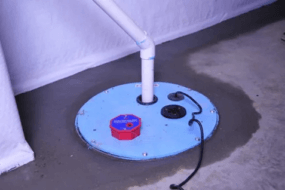
- Installation of drainage matting and sump pump (if needed)
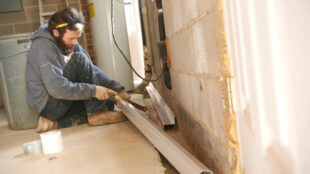
- Wall and floor liner attachment and sealing
- Optional dehumidifier installation for complete moisture control
Most projects are finished in one to three days, depending on the size and condition of your crawl space. Groundworks gives pricing only through in-home estimates, so you cannot get an online quote. Financing is available through third-party lenders at many locations. Be sure to confirm the annual percentage rate (APR) before you sign.
How CrawlSeal Compares to Standard Vapor Barriers
Most crawl space moisture problems are first addressed with basic polyethylene sheeting — 6-mil rolls from hardware stores that cost a few hundred dollars. This can work for minor, short-term moisture control. But for long-term protection in a humid or water-prone crawl space, there is a significant difference in performance:
| Feature | CrawlSeal Vapor Barrier | Standard Plastic Sheeting |
|---|---|---|
| Thickness | 20-mil reinforced | 6 to 10 mil (non-reinforced) |
| Tear & Puncture Resistance | High (professional-grade) | Low to moderate |
| Mold and Mildew Resistance | Treated to prevent growth | Not treated |
| Coverage | Floor and walls sealed | Floor only (in most cases) |
| Longevity | 20+ years with proper install | 3 to 10 years |
| Installation | Professional, warrantied | DIY or unlicensed contractor |
The main difference is in coverage and longevity. Standard sheeting only covers the floor and breaks down after a few years in humid conditions. CrawlSeal covers both the floor and walls, is treated to resist mold, and comes with a professional installation warranty — making it a fundamentally different product, not just a more expensive version of the same thing.
The main trade-off is cost and access. A DIY installation with a basic liner costs $500 to $2,000 in materials. A professional CrawlSeal installation costs $5,000 to $15,000. If you have mild, seasonal moisture and no structural issues, a DIY solution might be enough. But if your home has ongoing humidity, water problems, or air quality issues, professional encapsulation is a more lasting fix.
Considerations Before Buying
CrawlSeal is a solid product, but there are a few things to know before making a decision:
- Groundworks-only availability: CrawlSeal is a proprietary system. You cannot buy it separately or have another contractor install it. If you are comparing quotes, other providers will offer similar liners under different names. Compare specifications and warranty terms directly.
- Full encapsulation usually involves more than just the liner: Most homes with serious moisture problems also need drainage matting, a dehumidifier, or a sump pump to address the water source — not just the liner. The $5,000 to $15,000 price range covers a full system. A quote for just the liner may be lower, but it might not solve the whole problem.
- Warranty terms vary: Groundworks’ transferable warranty covers certain services. Get in writing which parts of your installation are covered and for how long before you sign.
Final Verdict: Is CrawlSeal Worth It?
For homeowners who choose Groundworks for crawl space encapsulation, CrawlSeal is a well-designed product. It is thicker and more durable than consumer options, is professionally installed, and is built to work as part of a complete moisture management system. The 20-mil thickness and microbial treatment are genuine technical advantages over standard sheeting — not just marketing terms.
Whether CrawlSeal is worth the price depends on how serious your crawl space problem is. If you have ongoing moisture, mold, or air quality issues, professional encapsulation is the right solution, and CrawlSeal is a solid choice in that category. For minor or seasonal dampness, a less expensive fix might be enough. Start with the free Groundworks inspection. If the recommended solution seems larger than your problem warrants, consider getting a second opinion from an independent contractor before you decide.