Bathroom Remodel
Corner Shower Installation
Average Cost: $2,895 – $7,955
The average cost to install a standard-size custom 36 x 36 corner shower is typically between $2,895 and $7,955. This includes the price of materials, including the glass shower door, wall and floor materials, and professional labor.
Compare the best shower contractors in your area.

The Modernize Mission
We help homeowners make confident decisions through our reliable, up-to-date, and unbiased information and average project costs. All of our content is thoroughly reviewed and fact-checked by our team of home improvement experts. Learn more about how we maintain these values.
Table of Contents
- Corner Shower Installation at a Glance
- What Is a Corner Shower?
- Corner Shower Dimensions
- Custom Corner Shower vs. Corner Shower Kits
- Corner Shower Installation Cost
- How a Corner Shower Is Installed
- Types of Corner Shower Enclosures
- Corner Shower Doors
- Pros and Cons of Corner Showers
- Ways to Save on a Corner Shower
- Corner Shower FAQs
- What Are Next Steps?
- Sources
A corner shower maximizes both space and function, which makes it a smart fit for small bathrooms and a stylish option for larger ones. This guide covers corner shower costs, sizes, types, doors, and installation, so you can plan your project with confidence.
Corner Shower Installation at a Glance
- Typical cost: $2,895 to $7,955 for a custom 36 x 36 corner shower, and about $1,500 to $4,000 for a prefab kit installed.
- Standard size: 36 x 36 inches, with 30 x 30 inches as the usual code minimum.
- Door cost: $600 to $5,000 installed, depending on style and glass. Neo-angle doors run $1,000 to $3,500.
- Timeline: 1 to 3 days for a prefab unit and 5 to 10 days or more for a custom tile shower.
- Biggest price lever: Moving the drain or plumbing, which can double a budget.
What Is a Corner Shower?
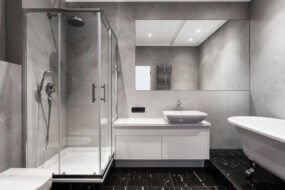
A corner shower is a shower built into the corner of a bathroom, using two existing walls with glass panels or a door on the other sides. It takes up less floor space than most shower layouts, so it works well in small bathrooms, guest baths, and spaces converted from half baths.
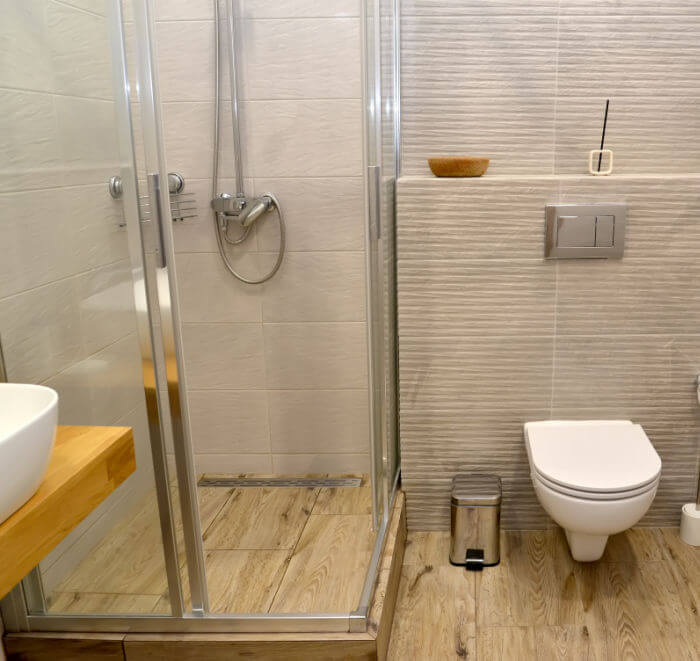
Corner showers also add style in larger rooms. Browse corner shower ideas for design inspiration. Most come in three shapes: square or quadrant, neo-angle (an angled front), and curved. We compare them below.
Corner Shower Dimensions
The standard corner shower measures 36 x 36 inches. That size is roomy enough for a comfortable shower and fits most bathrooms. For a moderate-sized room, plan on no more than about 40 inches wide. These sizes are the footprint of the shower base, so the finished interior is slightly smaller.
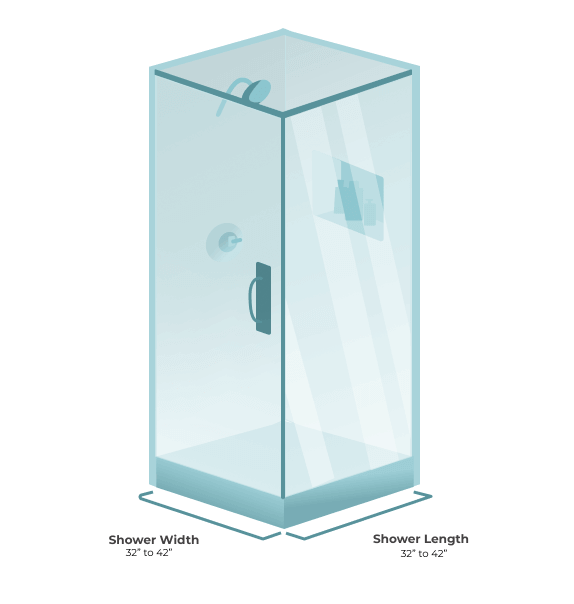
| Size | Best For | Notes |
|---|---|---|
| 30 x 30 inches | Tiny homes, apartments, converted half baths | Usual code minimum; feels tight for most adults |
| 32 x 32 inches | Small bathrooms | A common stock size in prefab kits |
| 36 x 36 inches | Most bathrooms | The standard; NKBA suggests it as the practical minimum |
| 38 x 38 to 42 x 42 inches | Neo-angle showers | The angled front trims usable interior space |
| 60 x 60 inches or more | Large bathrooms | More like a walk-in shower |
Minimum corner shower size by code
The International Residential Code requires a shower to have at least 900 square inches of floor area and a minimum dimension of 30 inches, measured at the finished interior. Local codes vary, so confirm the rules with your contractor.
Tile and waterproofing take about an inch off each wall. A stall framed at exactly 30 inches can finish near 28 and fail inspection, so frame it at 32 or 33 inches to get a usable 30.
Custom showers can be built to specific dimensions outside these standard sizes to fit unusual layouts. You can learn more in our guide to standard shower sizes.
Custom Corner Shower vs. Corner Shower Kits
You can install a corner shower two ways: hire a contractor to build a custom shower, or buy a prefabricated kit and install it yourself or hire an installer. A kit costs less and goes in faster. A custom shower costs more but lets you choose every material and dimension.

| Feature | Corner Shower Kit | Custom Corner Shower |
|---|---|---|
| Installed cost | $1,500 to $4,000 | $2,895 to $7,955 (36 x 36); $8,000 to $12,000+ for complex builds |
| Install time | 1 to 3 days | 5 to 10 days or more |
| Design flexibility | Limited sizes and finishes | Any size, tile, niche, or bench |
| Maintenance | No grout to seal | Grout needs periodic care |
| DIY friendly? | Often, with basic skills | No; waterproofing and tile need pros |
Custom corner shower
Custom corner showers fit your bathroom layout and design preferences. You control size, materials, and features, including built-in seats, niches, and multiple showerheads. The trade-off is a higher price and a longer installation.
Corner shower kits
Corner shower kits are prefabricated units with the components you need to install them. They are more budget-friendly and easier to install, which makes them popular with DIYers. The trade-off is less flexibility in design and size.
Corner Shower Installation Cost
A custom 36 x 36 corner shower costs $2,895 to $7,955 installed, and a prefab kit costs about $1,500 to $4,000 installed. Prices vary with shower type, materials, size, brand, and extras. Our shower cost calculator can estimate your own project.
Corner shower cost at a glance
| Project Type | Typical Installed Cost |
|---|---|
| Prefab corner shower kit | $1,500 to $4,000 |
| Custom 36 x 36 corner shower | $2,895 to $7,955 |
| Complex custom build (stone tile, curved glass, moved drain) | $8,000 to $12,000+ |
| Shower door only | $600 to $5,000 |
Cost by shower size
| Size | Estimated Cost | Typical Features |
|---|---|---|
| Small (32 x 32 inches) | $2,800 to $6,500 | Basic prefab or tile |
| Medium (36 x 48 inches) | $5,500 to $10,500 | Quality prefab, custom tile, glass door |
| Large (48 x 60 inches or more) | $8,500 to $15,000+ | Walk-in threshold, frameless glass, built-in bench |
Cost breakdown by component
| Component | Typical Cost |
|---|---|
| Demolition and prep work | $500 to $1,500 |
| Shower pan | $900 to $3,500 |
| Tile installation and waterproofing | $2,000 to $5,000 |
| Tile floor replacement | $700 to $2,000+ |
| Glass door installation | $300 to $800 (labor) |
| Plumber labor | $85 to $175 per hour |
Corner shower kit costs
The kit itself typically costs $400 to $2,000. Basic kits with a simple stall and a curtain sit at the low end, and kits with sliding or hinged glass doors and better materials cost more. Add labor of about $500 to $1,500 if you hire an installer, and your installed total usually lands between $1,500 and $4,000.
Custom corner shower costs
A contractor will visit your space and recommend a design and size. Custom builds can use top-quality materials, frameless glass doors, and features like built-in seats or multiple showerheads. A standard 36 x 36 custom shower averages $2,895 to $7,955. Natural stone, curved glass, and moved plumbing can push costs to $8,000 to $12,000 or more.


Factors that influence cost
- Materials. Acrylic, fiberglass, glass, and tile all price differently. See our guide to the best tile for showers.
- Shower door type. Frameless glass doors cost more than framed or semi-frameless options.
- Size and design. Larger and more complex designs cost more.
- Brand and quality. Premium products come with a higher price tag.
- Labor. Professional installation adds a lot to the cost, especially for custom designs. Labor typically runs 40% to 60% of a custom tile project.
- Extra features. Built-in benches, shelves, multiple showerheads, and special lighting increase the total.
- Plumbing changes. Moving the drain or supply lines is the biggest budget risk and can double your costs. Check plumbing permit requirements before you start.
Installation costs
Labor depends on the job’s complexity and local rates. Plan on about $500 to $1,500 for a prefab corner shower and $2,500 to $6,000 or more for a custom tile shower. Labor covers demolition, plumbing adjustments, and any added construction.
Ask every contractor for a detailed quote that lists all costs, and compare quotes line by line to avoid surprises. Read up on how to avoid hidden costs, too.
How a Corner Shower Is Installed
A prefab kit goes in over one to three days. A custom tile shower takes longer because each layer needs time to cure. Here is how a custom build typically goes:
- Demolition and prep. The crew removes the old shower and checks the framing, subfloor, and plumbing.
- Plumbing rough-in. A plumber sets the drain and supply lines. Moving the drain happens here.
- Pan and waterproofing. The crew builds or sets the sloped shower pan, then applies a waterproofing membrane to the floor and walls.
- Tile and grout. Installers set the wall and floor tile, then grout it after the adhesive cures. Learn more about shower tile installation.
- Glass and fixtures. Custom glass is measured after the tile is done, then fabricated and installed. This step can add 1 to 3 weeks. Then the plumber sets the valve trim and showerhead.
- Sealing and cleanup. The crew caulks the seams and tests for leaks.
Our guide to what to expect during a shower remodel covers each stage in more detail. You can try a kit yourself with basic skills, but leave waterproofing and plumbing to pros. Read our tips on DIY bathroom remodels before you decide.
Types of Corner Shower Enclosures
Like any other shower, a corner shower comes in three main enclosure types:
- Frameless. This corner shower has no metal supports. Our guide to frameless showers covers this in more detail.
- Semi-frameless. A good middle-ground option, this enclosure has metal supports at the top and bottom but leaves the door frame-free. Read our semi-frameless shower guide for details.
- Framed. Metal supports go around all parts of this shower type, including the door. Read our framed shower guide for more information.
Corner showers also come in a few shapes beyond these three styles:
| Shape | Common Sizes | Best For | Watch Out For |
|---|---|---|---|
| Square or quadrant | 32 x 32 to 48 x 48 inches | Maximum interior room | The door swing needs clearance |
| Neo-angle | 36 x 36, 38 x 38, 42 x 42 inches | Small bathrooms and tight layouts | Three glass panels cost more, and the angle trims interior space |
| Curved or round | Varies | A softer, more unusual look | Custom glass raises the price |
Neo-angle corner showers
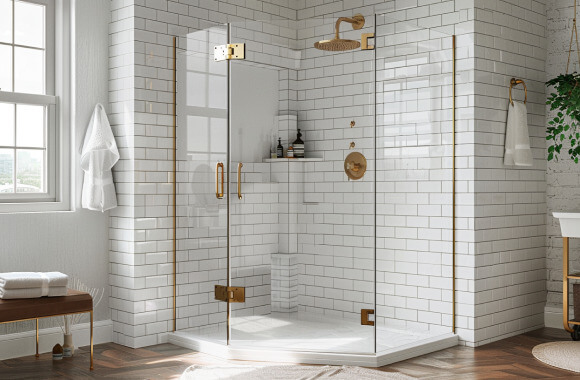
A neo-angle shower uses two glass side panels and an angled door that cuts across the corner. It is a classic space-saver for small or secondary bathrooms. The trade-off is the glass: three panels and two seams mean more fabrication and more custom work if your walls are out of square. A neo-angle also makes a rectangular bench harder to fit.
Walk-in corner showers
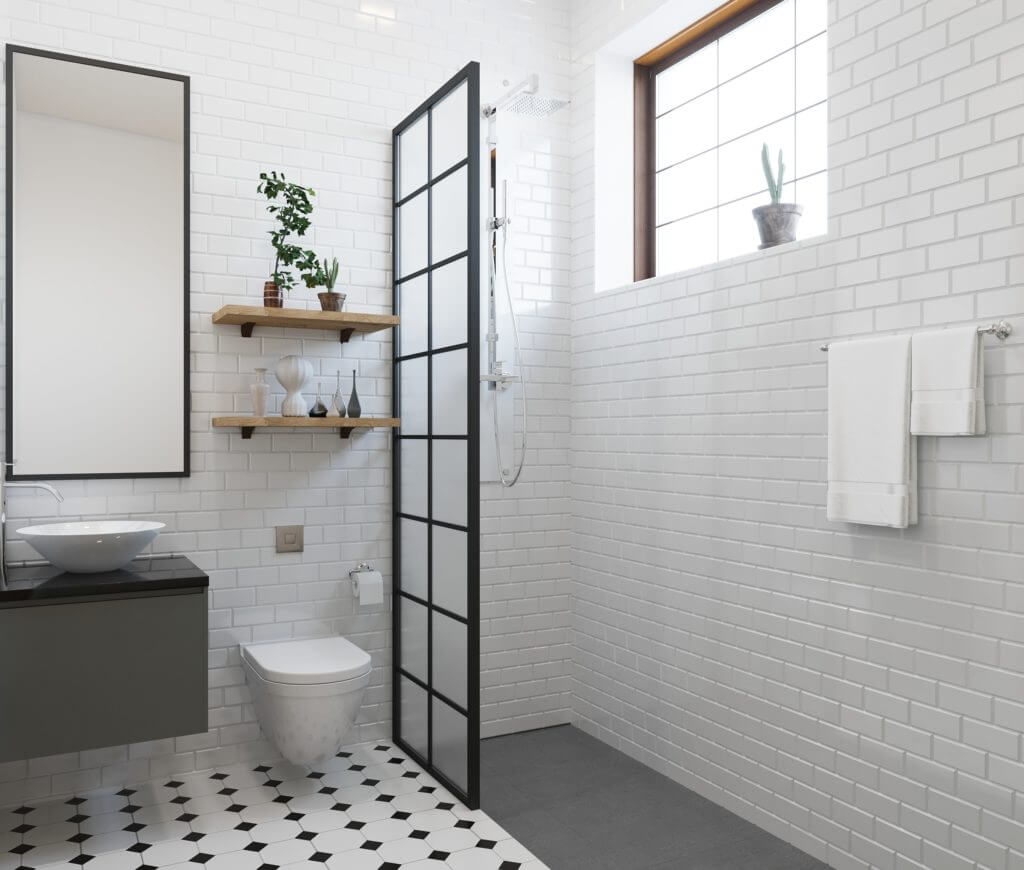
Walk-in showers in a corner setup suit accessibility and offer a seamless look, and they often appear in modern bathrooms. Many homeowners assume walk-in showers only work in large bathrooms, but plenty of small walk-in shower ideas fit into a corner. Our walk-in shower guide can tell you more, and you can see typical walk-in shower costs.
Corner bathtub shower combo

If you want both a bath and a shower, a corner tub and shower combo is an excellent choice. It suits larger bathrooms and offers the luxury of both. You can read why they’re so popular in our tub and shower combo guide.
Round corner showers
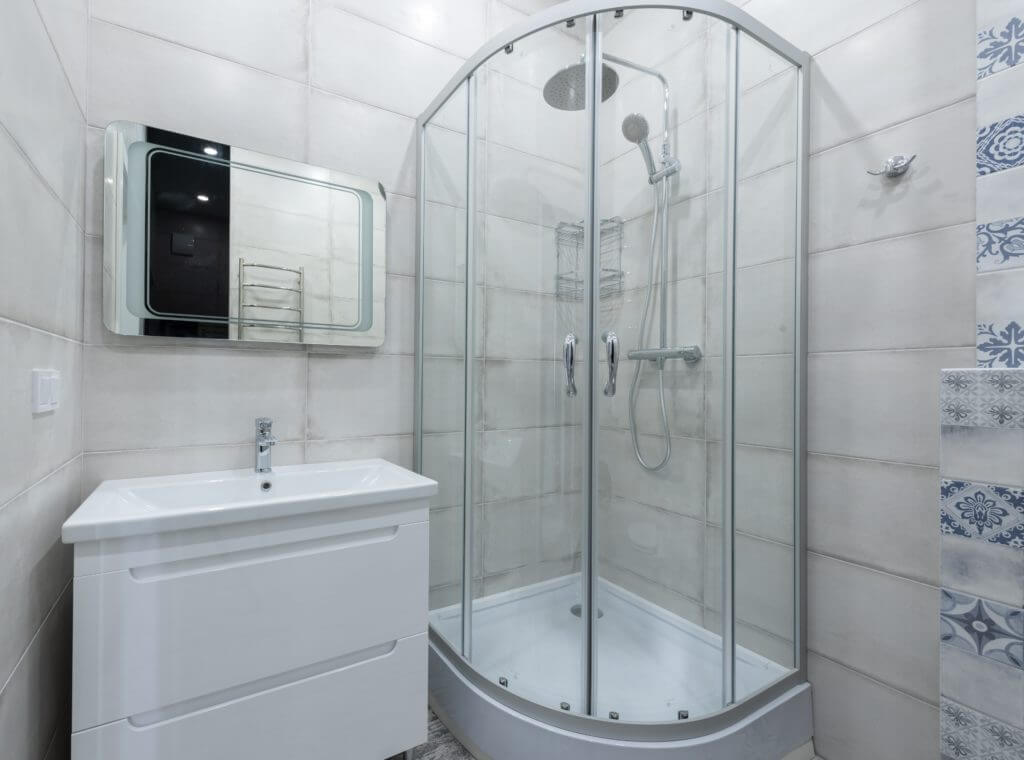
For a more unusual look, consider a corner shower with rounded glass instead of a square enclosure. It adds visual appeal while still fitting neatly into the corner.
Corner Shower Doors
You can always use a curtain rod and shower curtain, which costs as little as $25. For a built-in option, here are the corner shower glass door options to consider. Our guide to shower door types covers them all.
| Door Type | Installed Cost | Notes |
|---|---|---|
| Framed | $600 to $1,200 | Most affordable; more visible hardware |
| Semi-frameless | $800 to $1,300 | Sleek look at a mid-range price |
| Frameless | $1,100 to $5,000 | Thick glass; modern and easy to clean |
| Sliding (bypass) | $700 to $2,000 | Saves space; tracks need cleaning |
| Bi-fold | $900 to $2,000 | Good for the tightest spaces |
| Neo-angle | $1,000 to $3,500 | Made for angled corner showers |
Framed, semi-frameless, or frameless corner shower door
These match the enclosure types, but they include only the door, which makes them more affordable than a full enclosure. They suit corner showers built into an existing alcove or nook.
- Framed doors. These have metal supports all the way around and tend to be the cheapest glass door option.
- Semi-frameless doors. These combine a hint of framing for structure with the elegance of frameless glass.
- Frameless doors. Frameless glass gives a sleek, modern look and is easy to maintain.
Sliding, bi-fold, and neo-angle doors
These door styles offer something different and may suit bathrooms on either end of the size range.
- Sliding doors. They save space because they don’t need extra room to open.
- Bi-fold doors. They suit the smallest spaces since they need very little clearance.
- Neo-angle doors. They come with a corner shower where two glass walls sit at angles from the corner and a glass door connects them.
Pros and Cons of Corner Showers
Pros
- Space-Saving: Uses two existing walls and frees up floor space.
- Flexible Fit: Works in small baths, guest baths, and converted spaces.
- Style Options: Choose square, neo-angle, or curved designs.
- Budget Range: Kits start low, and custom builds can scale up.
Cons
- Tight Interior: Small sizes can feel cramped, especially for taller users.
- Narrow Entry: Neo-angle doors can be hard for mobility aids.
- More Glass Seams: Multi-panel enclosures need careful sealing.
- Feature Overload: Benches and dual showerheads quickly crowd a small footprint.
If accessibility matters, review bathroom accessibility modifications before you choose a layout.
Ways to Save on a Corner Shower
Several choices can cut your total without hurting quality:
- Keep the drain and supply lines where they are, since moving plumbing is the biggest cost driver.
- Choose a standard size, because stock enclosures cost far less than custom glass when your opening matches.
- Pick a semi-frameless or framed door instead of fully frameless glass.
- Consider a prefab kit if you don’t need custom tile, niches, or a bench.
- Limit extras. A bench or second showerhead can crowd a corner shower and add cost.
- Get at least three quotes before you sign.
Prefab kits cost less upfront, but some block later upgrades like recessed niches, premium glass, and custom tile layouts. Weigh the savings against how long you plan to stay. If you want to convert a tub, see the cost of a tub-to-shower conversion.
Corner Shower FAQs
Here are quick answers to the questions homeowners ask most about corner showers.
How much does it cost to install a corner shower?
A custom 36 x 36 corner shower typically costs $2,895 to $7,955 installed, including materials, a glass door, and labor. A prefab kit costs about $1,500 to $4,000 installed. Complex builds with stone tile, curved glass, or moved plumbing can reach $8,000 to $12,000 or more.
What is the standard size of a corner shower?
The standard corner shower is 36 x 36 inches. Smaller sizes run 30 x 30 or 32 x 32 inches, and neo-angle units often measure 36 x 36, 38 x 38, or 42 x 42 inches. Larger corner showers reach 60 x 60 inches.
What is the smallest corner shower allowed by code?
The International Residential Code sets the minimum at 30 x 30 inches (900 square inches) of finished interior space. Tile and waterproofing take about an inch off each wall, so frame the opening at 32 or 33 inches. Check your local code before you build.
Is a 36 x 36 corner shower big enough?
Yes. A 36 x 36 shower is the standard size and gives most adults enough room to wash and turn. A neo-angle at this size feels slightly smaller inside because the angled front cuts into the space.
What is the difference between a neo-angle and a square corner shower?
A neo-angle shower has an angled front with three glass panels, which saves floor space and suits tight bathrooms. A square corner shower has a right-angle footprint with more interior room and a simpler door. Neo-angle glass usually costs more.
How long does it take to install a corner shower?
A prefab corner shower usually takes 1 to 3 days. A custom tile corner shower takes about 5 to 10 days or more because of waterproofing cure time, tile setting, and glass fabrication. Custom glass can add 1 to 3 weeks after the tile is finished.
Can I install a corner shower myself?
You can install a prefab kit yourself if you have basic skills and your plumbing stays in place. Hire a pro for custom tile, waterproofing, and any plumbing changes, because mistakes can cause leaks and water damage behind the walls.
What are the disadvantages of a corner shower?
Corner showers can feel cramped at small sizes, and neo-angle designs have a narrow entry that is harder for mobility aids. Multi-panel glass needs more sealing and costs more. A bench or dual showerheads can crowd a small footprint.
How much does a corner shower door cost?
Corner shower doors cost about $600 to $5,000 installed. Framed doors cost $600 to $1,200, semi-frameless doors $800 to $1,300, and frameless doors $1,100 to $5,000. Neo-angle doors cost $1,000 to $3,500.
What Are Next Steps?
Now that you know the basics, here are a few possible next steps:
- Learn more about everything involved in your project by reading our shower remodel guide.
- Check out the other types of showers to make sure you’re choosing the best fit for your home.
- Read our guide to choosing a contractor to find shower remodeling pros near you.
If you’d rather have Modernize do the research, click the button below and answer a few questions about your project. We’ll match you with up to three or four professionals so you can find the best price and the best pro for your renovation.