We help homeowners make confident decisions through our reliable, up-to-date, and unbiased information and average project costs. All of our content is thoroughly reviewed and fact-checked by our team of home improvement experts. Learn more about how we maintain these values.
Choosing the right shower door can dramatically change the look, feel, and function of your bathroom. The right style can make a small bathroom feel larger, highlight custom tilework, or provide privacy where needed. In this guide, we’ll walk through the most popular shower door types, their pros and cons, typical costs, and what each one is best for.
Sliding or bypass doors glide along a track and are ideal for tub/shower combinations or bathrooms with limited space.
Cost: $350 to $1,500
Best for: Small bathrooms, tubs, alcoves
Notes: Tracks may require extra cleaning.
Pivot (Best for Larger Bathrooms)
Pivot doors rotate on a pin at the top and bottom, allowing them to swing inward or outward.
Cost: $500 to $2,500
Best for: Freestanding showers
Notes: Needs floor space for swing.
Hinged (Best for Freestanding Showers)
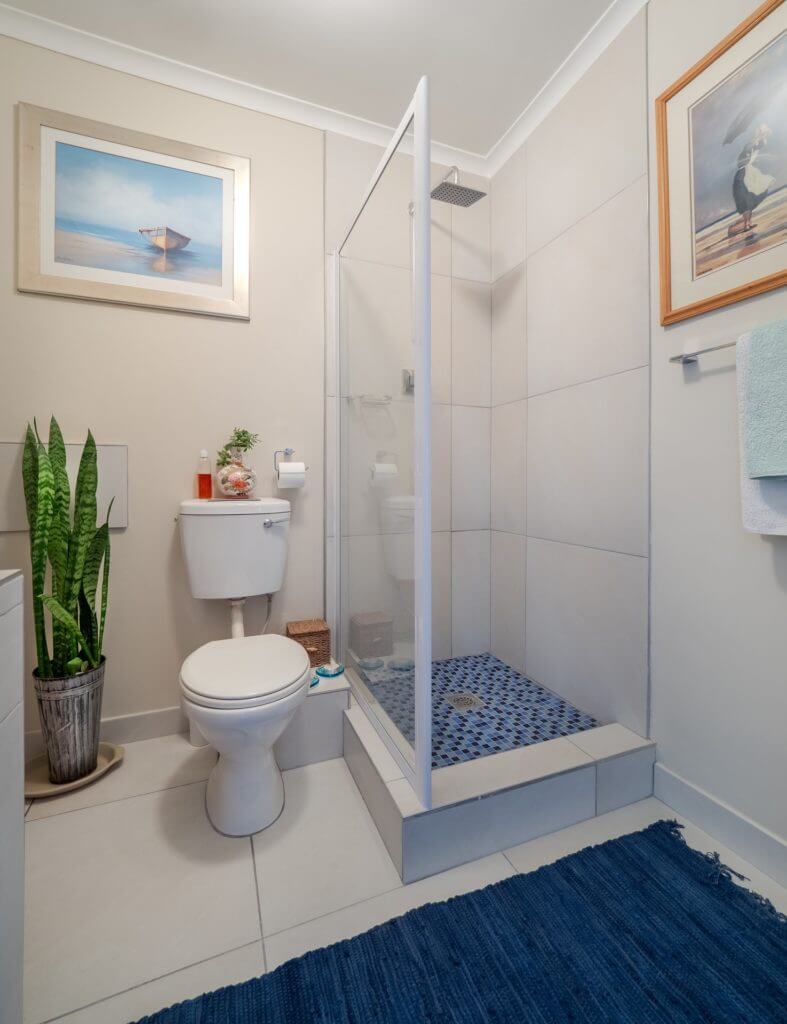
These swing open like a traditional door and offer a wide entry.
Cost: $600 to $3,000
Best for: Large bathrooms
Notes: Requires swing clearance.
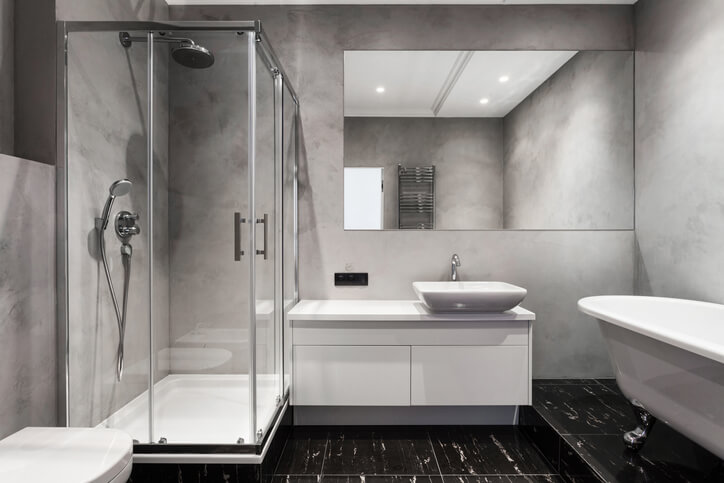
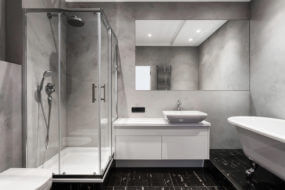
Neo-Angle Shower Doors (Best for Corners)
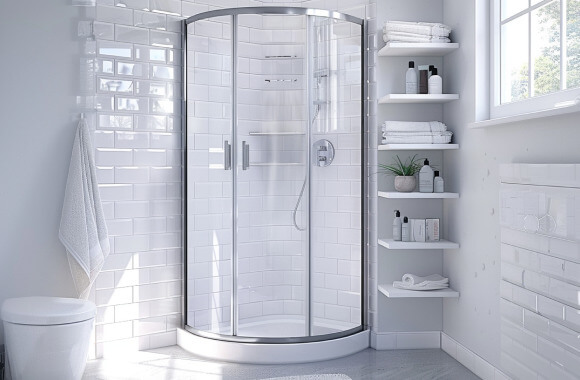
Designed specifically for corner showers, these save valuable square footage.
Cost: $500 to $1,700
Best for: Small bathrooms or corner installations.
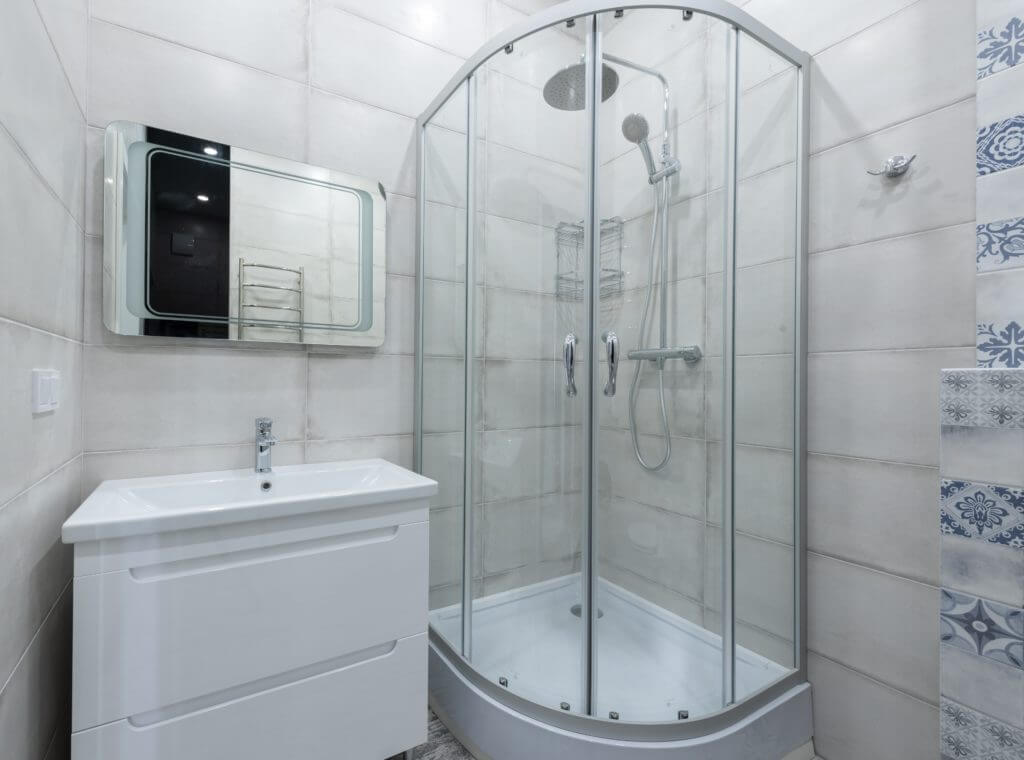
Curved
Curved tracks save space and make corner showers feel larger.
Cost: $600 to $2,500
Best for: Small bathrooms needing better flow.
Bi-Fold or Tri-Fold Doors
Panels fold to create an extra-wide opening with minimal floor clearance.
Cost: $300 to $1,000
Best for: Tight bathrooms or awkward layouts.
Steam Shower Doors
Fully enclosed, insulated doors designed to trap steam.
Cost: $1,000 to $4,000+
Best for: Steam shower upgrades.
Fixed Panels / Walk-In Shower Screens
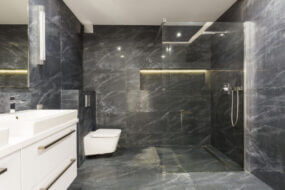
A stationary glass panel creates an open, modern look without requiring a swinging door.
Cost: $300 to $1,500
Best for: Walk-in showers; minimalist bathrooms.
Framed vs. Frameless vs. Semi-Frameless Shower Doors
Framed Shower Doors
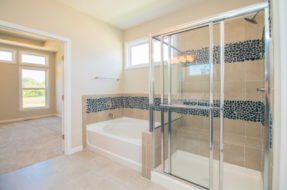
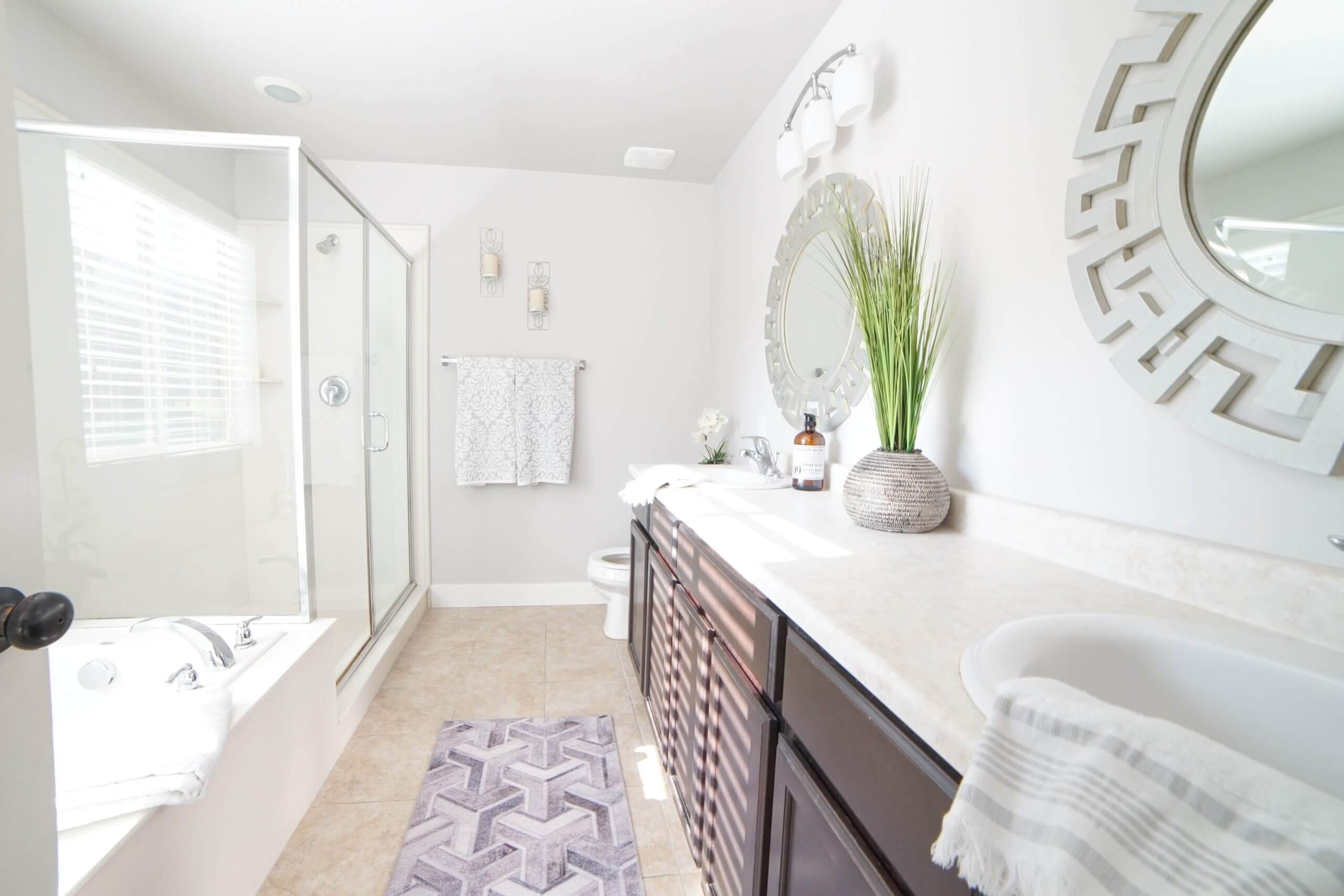
Framed shower doors have metal framing around all edges of the glass. They’re the most budget-friendly option and offer strong support, making them ideal for families, rentals, and homeowners who want a simple, reliable upgrade. The downside is that the visible metal can make the bathroom feel smaller and requires more cleaning around the frame.
Frameless Shower Doors
Frameless doors use thick, tempered glass and minimal hardware for a sleek, open look. They’re great for showing off tilework, modern remodels, and bathrooms where you want to maximize natural light. They cost more due to the heavier glass and precise installation needed, but they offer the most high-end appearance.
Semi-Frameless Shower Doors
Semi-frameless doors sit between the two styles, with framing around the outer edges but little to none around the door itself. This gives a cleaner, lighter look than fully framed doors at a more affordable price than frameless. They’re a strong choice for homeowners seeking a modern feel without the higher cost.
Best Shower Door Companies
These shower door brands are known for reliability, durability, and stylish design options. Each offers models suited to different budgets and bathroom styles.
Brand
Top Model
Best For
DreamLine
Enigma-X / Essence
Modern frameless styles; luxury look on mid-range budget
What’s the difference between pivot and hinged shower doors?
Pivot doors rotate on a pin at the top and bottom, while hinged doors swing open on side-mounted hinges. Pivot doors can sometimes swing both ways, while hinged doors typically open outward only.
Which is better, a pivot or a sliding shower door?
Sliding doors are ideal for small bathrooms since they don’t require floor clearance. Pivot doors offer a cleaner, modern look and a wide, luxurious opening but need space to swing.
What are the best shower doors for small bathrooms?
Sliding doors, curved doors, neo-angle doors, and bi-fold doors are the most space-efficient options.
What are the best types of shower doors for tubs?
Sliding or bypass doors are the most common and practical doors for tub/shower combinations.
What kind of door is best for a walk-in shower?
Frameless pivot doors, fixed glass panels, and hinged doors work well for walk-in showers, depending on your available space.
Glass Shower Door Replacement Guide
Plan your shower door replacement project with our handy cost guide.
Framed shower doors offer the lowest cost while still providing durability and reliability.
How do I clean and maintain my shower door?
Use a squeegee daily, avoid abrasive cleaners, and clean tracks and seals monthly to prevent buildup and mildew.
What are trending shower door designs for 2026?
Popular trends include clear frameless glass, black hardware, fluted or textured glass, oversized walk-in panels, and spa-style steam enclosures.
How to Find the Best Contractor for Your Needs
Hiring the right contractor ensures proper installation, watertight seals, and long-lasting performance. Look for licensed and insured pros with strong reviews, ask about warranties, and request multiple quotes to compare pricing and project scope. Modernize can connect you with vetted local shower door installers who can help you choose the right door style and complete your project with confidence.