

How Much Does Carpet Repair Cost in 2026?
Carpet repair typically costs between $150 and $1,200, with the national average around $400. Small spot repairs usually cost $100 to $300, while bigger jobs like fixing pet damage, replacing the pad, or repairing water damage can go over $1,500. Acting quickly often keeps repair costs lower than replacing part of the carpet.
Carpet Repair Cost at a Glance
- National average: $400
- Typical range: $150 to $1,200
- Low-end repairs: $100 to $300
- High-end repairs: $1,000 to $1,500+
- Biggest cost drivers: damage size, carpet type, labor rates, matching material availability, and pad condition
Typical Carpet Repair Costs by Project Size
- Small repair: $100 to $250
Best for burns, small stains, or a loose seam in one area - Moderate repair: $250 to $800
Best for larger pet damage, multiple seam issues, or re-stretching a room - Major repair: $800 to $1,500+
Best for water damage, large patches, or repairs involving the carpet pad underneath
Pricing estimates are based on 2026 national contractor pricing data and industry cost averages from sources like Angi, HomeAdvisor, and flooring professionals. Actual prices vary by location, carpet type, and project scope.
What Kind of Carpet Repair Do I Need?
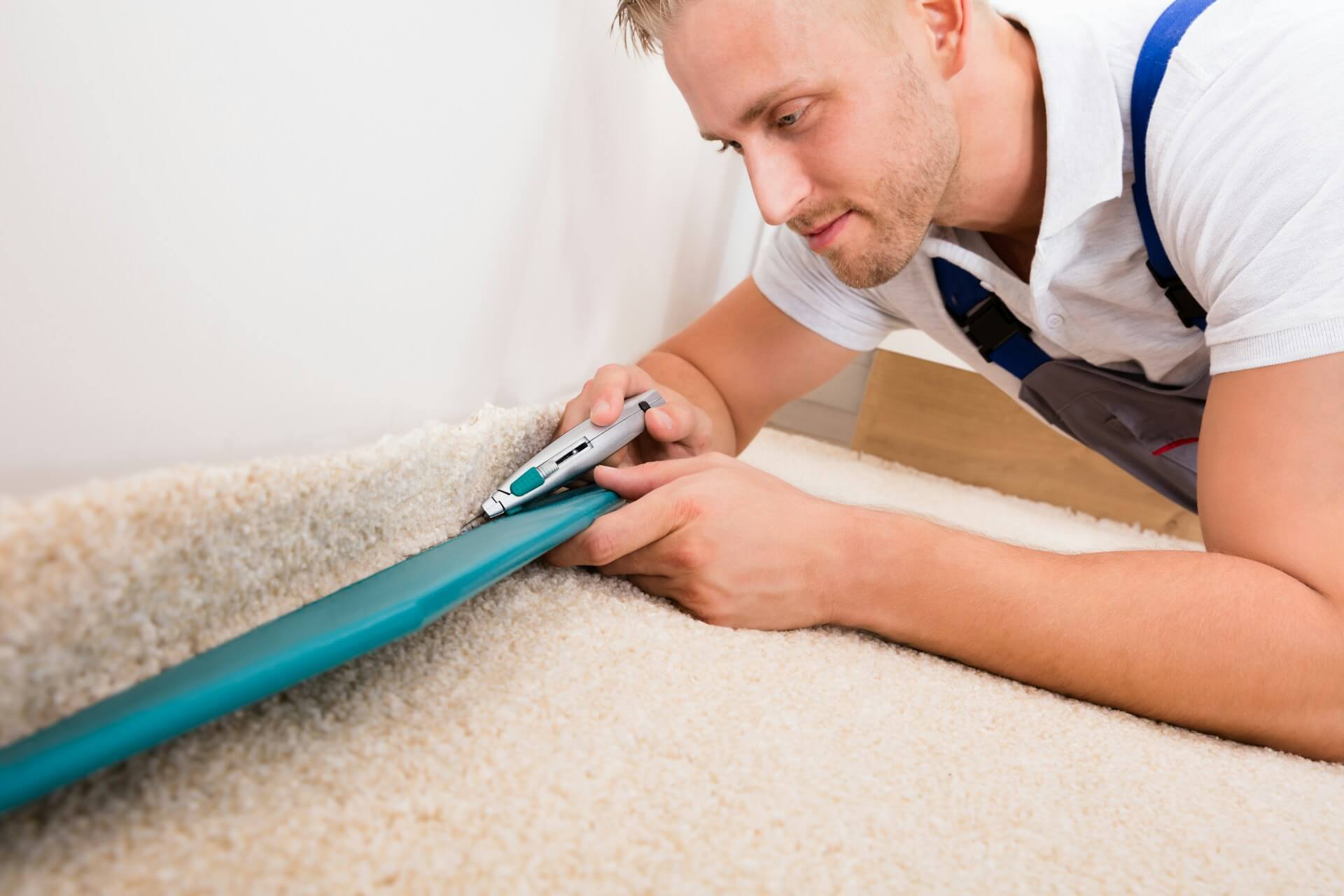
If you are unsure what repair your carpet needs, begin by looking at the visible problem. Contractors often figure out the right repair based on what you can see, feel, or smell.
Common Carpet Problems and the Repair They Usually Need
- Loose or rippled carpet: This is usually caused by age, poor installation, or normal wear. It is typically fixed with carpet re-stretching.
- Burns, pet damage, or stains in one spot: Small, localized damage is often repaired with carpet patching, especially if matching carpet is available.
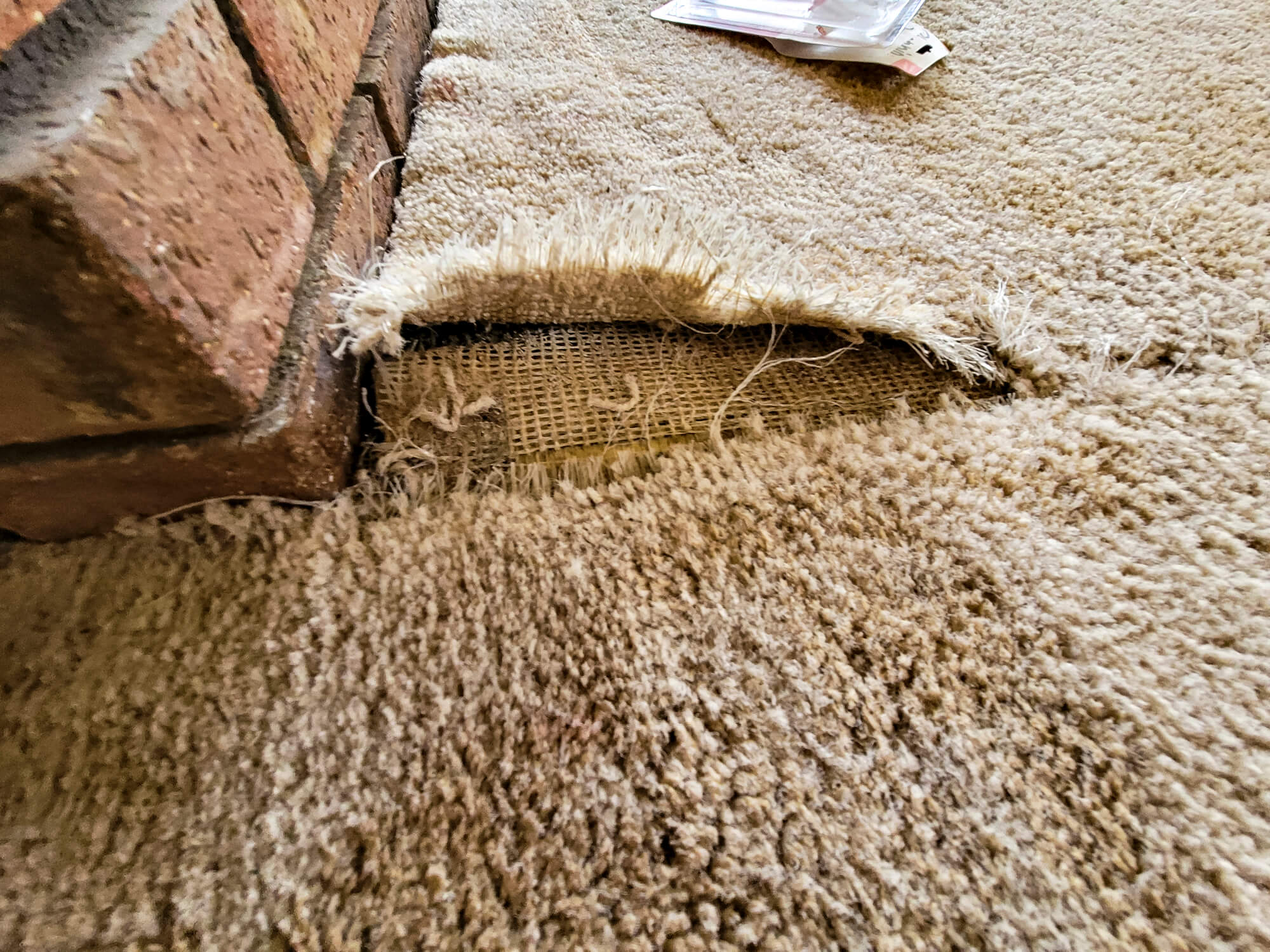
- Seams pulling apart or fraying: This usually calls for seam repair or seam reinforcement, especially in high-traffic areas.
- Persistent dampness, odor, or mildew smell: This may point to pad damage, moisture intrusion, or partial water damage. In these cases, repair may involve partial replacement and pad repair, not just surface work.
If you notice buckling in many areas, strong mildew smells, or damage in several rooms, replacing the carpet might be a better financial choice than repairing it.
Carpet Repair Cost by Type of Repair
Different carpet issues need different repair methods. Jobs that take more time, skill, or require matching materials usually cost more.
| Repair Type | Typical Cost Range |
|---|---|
| Carpet patching (small area) | $100 to $300 |
| Carpet seam repair | $150 to $350 |
| Carpet re-stretching (per room) | $100 to $250 |
| Pet damage repair (larger area) | $300 to $800 |
| Water-damaged carpet repair | $500 to $1,500+ |
What These Repairs Usually Include
- Carpet patching:
Used for small burns, holes, stains, or chewed sections. Repairs are least noticeable when leftover carpet from the original installation is available. - Seam repair:
Used when carpet seams separate, fray, or lift. This is common where carpet meets another flooring type or in high-traffic zones. - Re-stretching:
Used to remove ripples, wrinkles, and slack carpet. This is one of the most affordable repairs and can also reduce tripping hazards. - Pet damage repair:
Usually covers torn fibers, digging damage, or damage near doorways and corners. Costs rise quickly when multiple areas are affected. - Water damage repair:
Often includes removing the damaged section, replacing pad material, checking for moisture below the carpet, and reinstalling or patching the visible surface. This is one of the most expensive repair categories because hidden damage is common.
A good rule to remember is that surface damage is usually cheap to fix, but costs rise quickly if moisture, padding, or large areas are affected.
Carpet Repair Cost by Problem
If you know the problem but not the repair method, these are the price ranges homeowners most often see.
| Problem | Typical Cost Range |
|---|---|
| Small stains or burns | $100 to $250 |
| Pet chewing or tearing | $200 to $800 |
| Loose or wrinkled carpet | $100 to $300 |
| Partial water damage | $500 to $1,500+ |
Minor issues are usually cosmetic and affordable to fix. Moderate issues often require more labor than homeowners expect, and major problems often involve the carpet pad or hidden moisture below the surface.
What Factors Affect Carpet Repair Cost?
Many things can increase or decrease your carpet repair costs. Understanding these factors can help you compare estimates with more confidence.
Size of the Damaged Area
Fixing a small spot costs much less than repairing several feet of carpet. When damage spreads beyond one area, it becomes harder to match materials and takes more work.
Type of Damage
Burns, loose seams, and minor wrinkles are usually simpler to fix. Water damage, repeated pet damage, and pad failure are more expensive because they often affect more than just the visible carpet.
Carpet Material and Style
Plush, patterned, Berber, and specialty carpets often cost more to fix because they are harder to match. If repairs are not done carefully, they can be more noticeable.
Availability of Matching Carpet
Repairs tend to cost less and look better if you have leftover carpet from the original installation. If there is no matching material, the contractor might use carpet from a closet or suggest replacing part of the carpet.
Carpet Pad Condition
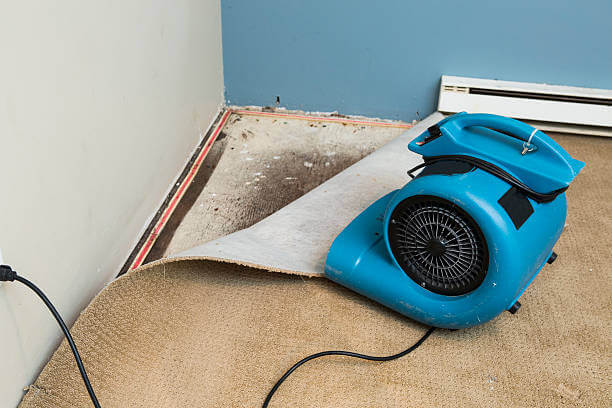
If the pad under your carpet is wet, crushed, moldy, or worn out, it will also need repair or replacement. This adds to the labor and material costs and is a common reason repair estimates go up.
Room Layout and Accessibility
It is easier to repair carpet in open rooms than around built-ins, stairs, tight corners, or heavy furniture. Complicated layouts can make the job take longer.
Local Labor Rates
As with most flooring jobs, carpet repair is more expensive in big cities and high-cost areas than in smaller or less expensive places.
Urgency
Urgent repairs usually cost extra, especially if you need the work done before selling your home, an open house, moving in, or a holiday event.
Signs You Need Carpet Repair
Spotting carpet damage early can help you avoid a much bigger and more expensive repair later on.
Early Warning Signs
- Wrinkles or ripples forming across the floor
- Visible seam separation
- Thinning, fraying, or matting in high-traffic areas
- Carpet edges pulling away from walls or thresholds
- Burns, stains, or pet damage in one contained area
Signs the Problem May Be More Serious
- Persistent odor after cleaning
- Dampness underfoot
- Recurring damage in the same spot
- Mildew smell or signs of moisture
If problems keep coming back, the issue might be more than just the carpet surface. You may also need to fix the pad, deal with moisture under the floor, or correct poor installation.
How Long Does Carpet Repair Take?
Most carpet repairs are finished quickly, often in just one visit.
- One to two hours: small patches or seam repairs
- Half day: re-stretching or multiple localized repairs
- One full day or more: water-damaged carpet, larger section replacements, or specialty carpet work
Most people can stay at home during repairs, but you may need to move some furniture for a short time.
Carpet Repair Cost by Region
Your location affects repair costs since labor rates, demand, and material availability change from one region to another.
- South: $120 to $900
- Midwest: $100 to $850
- Northeast: $150 to $1,200
- West: $180 to $1,500+
People living in higher-cost areas, especially in the West and Northeast, usually pay more for labor and bigger repairs. Water-damaged carpet also costs more in places with high humidity or frequent moisture problems.
Carpet Repair Cost by State
State-level costs can vary based on local labor rates, demand, and the availability of carpet repair specialists.
| State | Typical Cost Range |
|---|---|
| Alabama | $120 to $800 |
| Alaska | $200 to $1,500 |
| Arizona | $140 to $1,000 |
| Arkansas | $110 to $750 |
| California | $180 to $1,500+ |
| Colorado | $150 to $1,100 |
| Connecticut | $160 to $1,200 |
| Delaware | $140 to $1,000 |
| Florida | $130 to $950 |
| Georgia | $120 to $900 |
| Hawaii | $220 to $1,600 |
| Idaho | $130 to $900 |
| Illinois | $140 to $1,000 |
| Indiana | $120 to $850 |
| Iowa | $110 to $800 |
| Kansas | $110 to $800 |
| Kentucky | $120 to $850 |
| Louisiana | $120 to $900 |
| Maine | $150 to $1,100 |
| Maryland | $150 to $1,100 |
| Massachusetts | $160 to $1,200 |
| Michigan | $130 to $950 |
| Minnesota | $140 to $1,000 |
| Mississippi | $110 to $800 |
| Missouri | $120 to $850 |
| Montana | $140 to $1,000 |
| Nebraska | $120 to $850 |
| Nevada | $150 to $1,100 |
| New Hampshire | $150 to $1,100 |
| New Jersey | $160 to $1,200 |
| New Mexico | $130 to $950 |
| New York | $170 to $1,300 |
| North Carolina | $120 to $900 |
| North Dakota | $130 to $950 |
| Ohio | $130 to $950 |
| Oklahoma | $110 to $800 |
| Oregon | $150 to $1,100 |
| Pennsylvania | $140 to $1,000 |
| Rhode Island | $150 to $1,100 |
| South Carolina | $120 to $900 |
| South Dakota | $120 to $850 |
| Tennessee | $120 to $900 |
| Texas | $120 to $950 |
| Utah | $140 to $1,000 |
| Vermont | $150 to $1,100 |
| Virginia | $140 to $1,000 |
| Washington | $160 to $1,200 |
| West Virginia | $120 to $850 |
| Wisconsin | $130 to $950 |
| Wyoming | $140 to $1,000 |
Can I Repair Carpet Myself?
DIY carpet repair works best for very small cosmetic problems only.
Safe DIY Tasks
- Trimming loose fibers
- Spot cleaning a fresh stain
- Temporarily flattening a lifted corner until a pro can assess it
Repairs Best Left to a Professional
- Seam repair
- Re-stretching
- Large patches or section replacement
- Water-damaged carpet
- Any repair where matching and appearance matter
Carpet repair can seem simple until a seam is visible, a patch does not match, or the carpet buckles again soon after. If DIY work is not done right, it can make professional repairs more costly because the damage may get worse or be harder to fix.
How to Save Money on Carpet Repair
You can keep carpet repair costs down with a few practical steps, without sacrificing quality.
- Address damage as soon as it appears
- Save leftover carpet from the original installation
- Get multiple written estimates
- Combine several small repairs into one visit
- Ask whether pad repair is included
- Confirm whether furniture moving and cleanup are included in the quote
Acting quickly is the best way to save money. Small damage is much cheaper to fix before it spreads, separates, or affects the pad underneath.
Repair vs. Replace: Which Makes More Sense?
When your carpet is damaged, you often have to decide if repairing it is worth it or if replacing it is a better investment.
| Situation | Repair Is Usually Enough | Replacement Is Usually Better |
|---|---|---|
| Size of damaged area | Damage is small and localized, usually under one square yard | Damage spans large sections or multiple areas |
| Availability of matching carpet | Leftover carpet from installation is available | No matching carpet exists or style is discontinued |
| Carpet age | Carpet is under 7 to 10 years old and in good condition | Carpet is near the end of its expected lifespan |
| Type of damage | Burns, small pet damage, loose seams, wrinkles | Extensive pet tearing, water saturation, or mold risk |
| Visibility of repair | Repair will blend in with surrounding carpet | Repair would remain obvious after completion |
| Home sale considerations | Minor repair restores acceptable appearance | Full replacement improves buyer appeal and confidence |
| Typical cost range | $100 to $800 | $1,500 to $4,500+ depending on room size |
Generally, repair is a good choice if the damage is small, the rest of the carpet is in good shape, and you have matching material. Replacement is better if repairs would still be noticeable, the problem keeps coming back, or the cost is close to buying new carpet.
Is Carpet Repair Worth the Cost?
In many cases, carpet repair is worth it, especially if the damage is small and the rest of the carpet is in good shape. Fixing problems early can help you avoid a costly replacement. Repairs are also a smart move before selling your home, since visible damage can turn off buyers.
Repair is usually a smart investment for:
- Recent, localized damage
- Wrinkles or seam issues that affect safety
- Burns or pet damage in a single section
- Cosmetic fixes before listing a home for sale
Replacement is usually the better value when:
- Damage affects multiple areas
- The carpet is already old or heavily worn
- Water damage has reached the pad or subfloor
- No matching carpet is available
If you are unsure, a local flooring contractor can quickly let you know if your carpet just needs a simple repair or if there is a bigger problem to address.
Get connected with local flooring professionals to get quotes and compare pricing.
Cost estimates on this page are based on 2026 national contractor pricing data and industry cost averages from sources like Angi, HomeAdvisor, and flooring professionals. Actual prices vary by location, carpet type, and project scope.
Compare top-rated flooring pros in your area.
Read real homeowner reviews, explore qualifications, and view promotions. Modernize makes it easy to browse professionals and find one that will be perfect for your project.



Carpet Repair FAQs
-
Best Types of Carpet
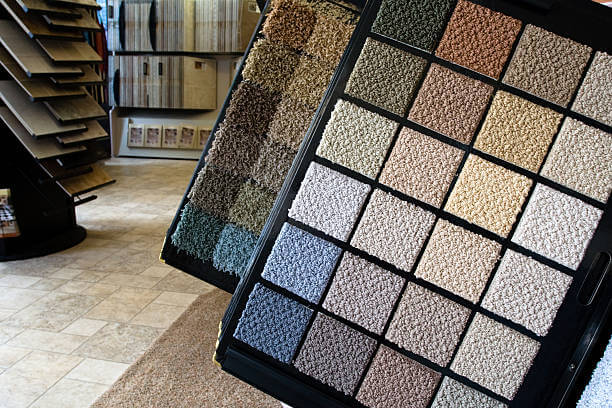
Types of Carpet Fiber Compare other flooring options in our comprehensive guide to flooring types. Nylon Nylon is the most popular carpet fiber in the U.S. and is used in... -

How Much Does Carpet Removal Cost?
How Much Does Carpet Removal Cost? Carpet removal typically costs between $1 and $5 per square foot. For most standard stretch-in carpets in an average room, people usually pay $1... -

Carpet Flooring
How Much Does Carpet Installation Cost? Carpet is one of the most affordable flooring options, but the total cost depends on more than just the carpet. Most projects include three... -
Types of Flooring
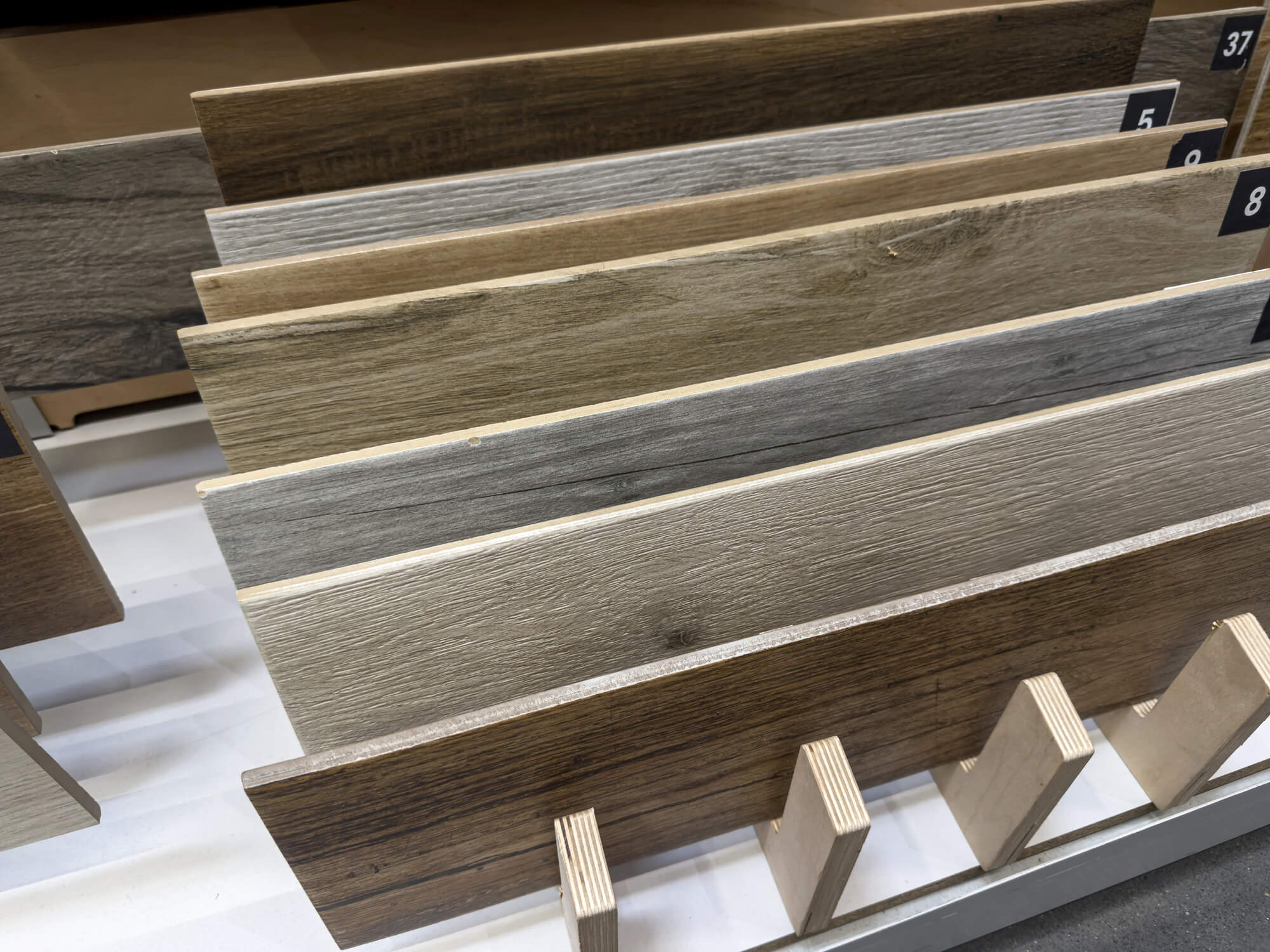
Types of Flooring: A Complete Comparison Guide The most popular flooring types include hardwood, luxury vinyl plank (LVP), tile, laminate, carpet, engineered hardwood, and vinyl sheet. Your best option depends... -
Best Flooring Companies
Best National Flooring Companies & Retailers In the U.S., the biggest flooring companies fit into two main groups. Some are full-service installers that manage everything from your first consultation to... -
Subfloor Replacement Costs
What Is a Subfloor and Why Replace It? Subfloors are the layers between your finished flooring and the supporting beams of your home. For instance, if you remove the luxury...