

How Much Does Hardwood Floor Repair Cost?
Most homeowners spend between $500 and $1,500 for hardwood floor repairs, with smaller cosmetic fixes near the low end and major structural or water damage at the high end. On a per-square-foot basis, hardwood floor repair generally ranges from about $2 to $25 per square foot, depending on the type of repair and how extensive the damage is. Severe water or subfloor damage can cost significantly more because it often involves replacing floorboards, mold remediation, and repairing subfloor framing.
| Project Type | Typical Cost Range | What’s Included |
|---|---|---|
| Typical Hardwood Floor Repair (Single Area) | $500 to $1,500 | Scratch repair, small patching, minor squeaks or cupping |
| Minor Repairs / Touch-Ups | $100 to $400 | Filling deep scratches, tightening a few boards, spot staining |
| Moderate Repairs (Boards & Sections) | $500 to $2,500 | Replacing several damaged boards or a small area of floor |
| Severe Damage / Water Damage | $1,000 to $6,000+ | Replacing larger areas, drying and treating water damage, subfloor repair |
| Full Refinishing (If Needed) | $3 to $8 per sq. ft. | Sanding, staining, and sealing the entire floor surface |
Cost ranges reflect current national averages derived from industry research, contractor pricing, and homeowner-reported projects, adjusted for scope, regional labor differences, and current 2026 market pricing.
Local labor rates, how hard it is to match your wood species and finish, and whether repairs require color-blending or spot refinishing are the biggest cost drivers. Keep in mind that once repairs affect more than 25 to 30 percent of a room, the cost often approaches full refinishing — at which point refinishing the whole space is usually the better value.
See typical repair pricing in your area based on your floor type and damage level.
For comparison, installing new hardwood floors typically costs more than most repairs. If your floor is badly worn but structurally sound, refinishing is often a more cost-effective option than replacement. You can learn more in our complete hardwood floor refinishing cost guide.
Hardwood Floor Repair Cost Per Square Foot
Many flooring professionals quote repair work on a per-square-foot basis, especially when larger sections of the floor are affected. Here are typical ranges for common repair types:
| Type Of Repair | Average Cost Per Sq. Ft. | Notes |
|---|---|---|
| Light Scratch Repair / Buff & Recoat | $1 to $3 | Surface-level wear where only the finish is damaged |
| Deeper Scratch & Dent Repair | $3 to $8 | Filling, sanding, and spot refinishing localized areas where the wood itself is damaged |
| Board Replacement (Small Patches) | $7 to $25 | Cutting out and replacing damaged boards, sanding, staining, and blending — single boards often run $100 to $350 each due to labor and finish matching |
| Cupping Or Minor Moisture Issues | $2 to $6 | Drying, re-fastening boards, and light sanding where needed |
| Water Damage Repair | $10 to $80 | Can include board removal, drying, mold treatment, and subfloor repair |
| Mold and Mildew Treatment | $10 to $25 | Required when moisture damage has progressed to mold growth; often needed alongside board or subfloor replacement |
| Subfloor Repair Or Replacement | $35 to $80 | When moisture or structural issues have damaged the subfloor |
Costs toward the lower end usually involve straightforward repairs in a small area. Costs toward the upper end are more common when repairs are complex, when the wood is an expensive or hard-to-match species, or when labor rates are higher in your area.
Get 3 to 4 local repair quotes so you can compare price and scope side by side.
Hardwood Floor Repair Cost By Type of Damage
The type of damage often determines what kind of repair you need and what you can expect to pay.
Scratches, Scuffs, and Surface Wear
Minor scratches and scuffs are some of the most common hardwood floor issues. Small areas may be treated with filler sticks, blending pens, or localized sanding and stain touch-ups.
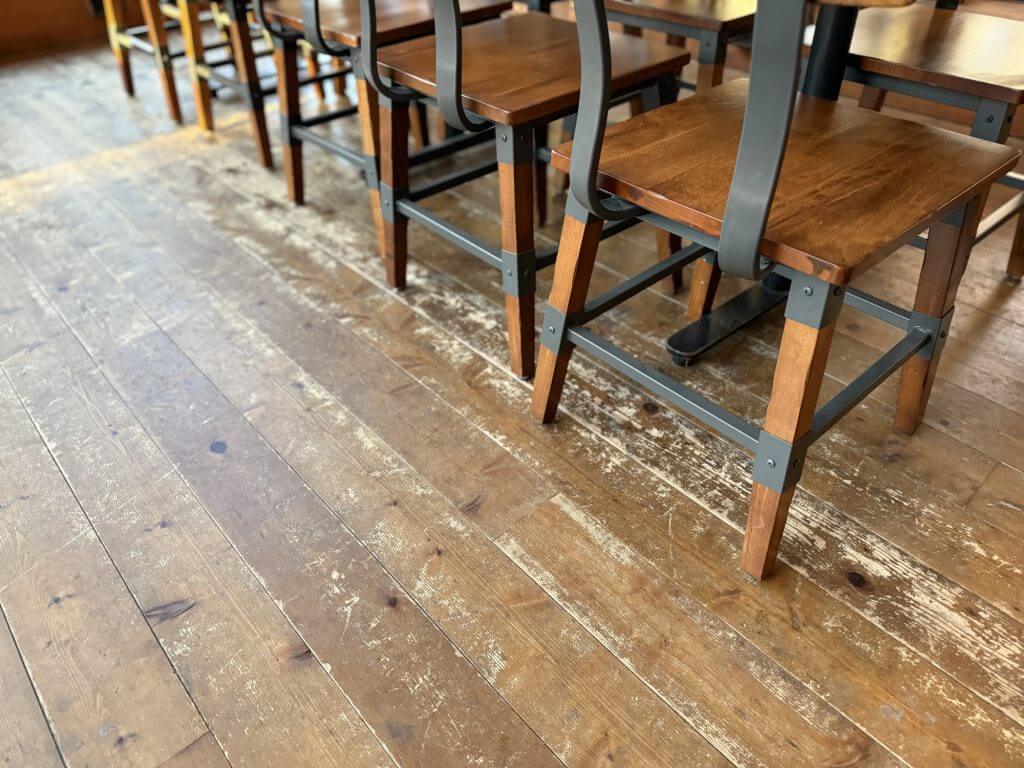
- Typical cost: $25 to $100 per scratch for localized professional repair, or $1 to $8 per sq. ft. when a larger area needs attention. Light surface scratches that affect only the finish can be buffed and recoated at the lower end of that range; deeper scratches that reach the wood require sanding, filling, and spot refinishing at the higher end.
- Best for: Light to moderate damage where the wood underneath is still solid.
Squeaky or Loose Boards
Squeaks are usually caused by floorboards rubbing against each other or against fasteners. Fixes may involve adding screws from below, shimming joists, or re-fastening boards from above.
- Typical cost: $200 to $1,000 per room for most repairs, depending on accessibility from below and how extensive the squeaks are. Severely damaged floors with weakened subfloor structure can run up to $6,000.
- Best for: Floors that move or creak but do not show major structural or water damage.
Gaps, Cupping, and Crowning
Seasonal changes in humidity can cause hardwood boards to shrink, expand, or warp. Cupping happens when the edges of the boards are higher than the center, often from moisture underneath.
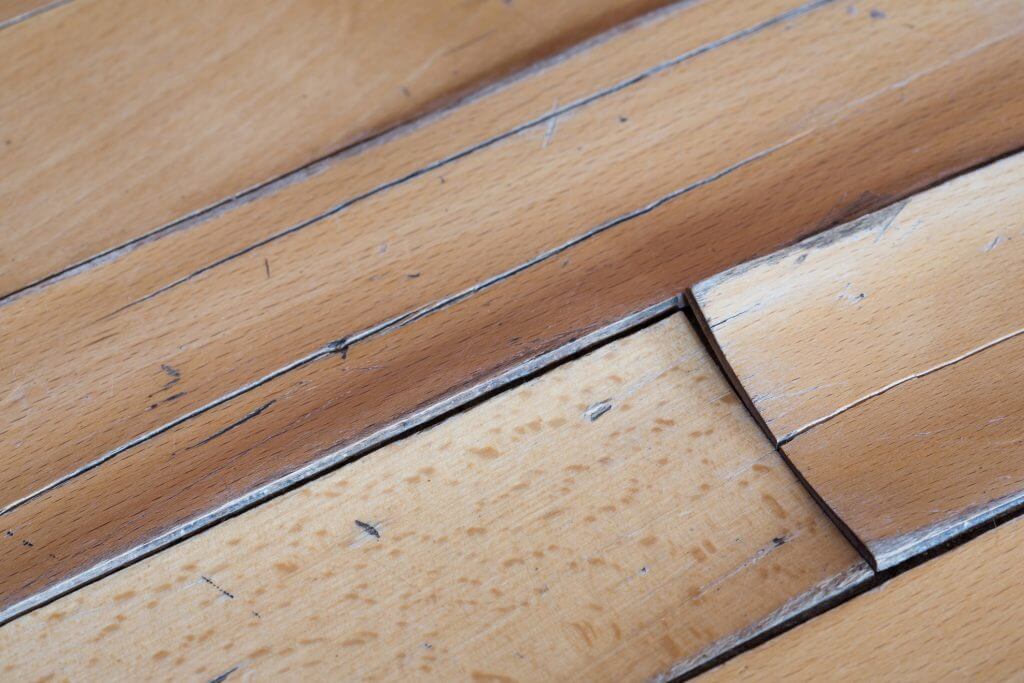
- Typical cost: $2 to $6 per sq. ft. for minor cupping and gap filling.
- Best for: Mild to moderate issues that can be addressed with moisture control, re-fastening, sanding, and refinishing.
Water Damage and Staining
Water damage is one of the costliest hardwood floor problems. Leaking appliances, plumbing leaks, or flooding can create dark stains, buckling, and mold.
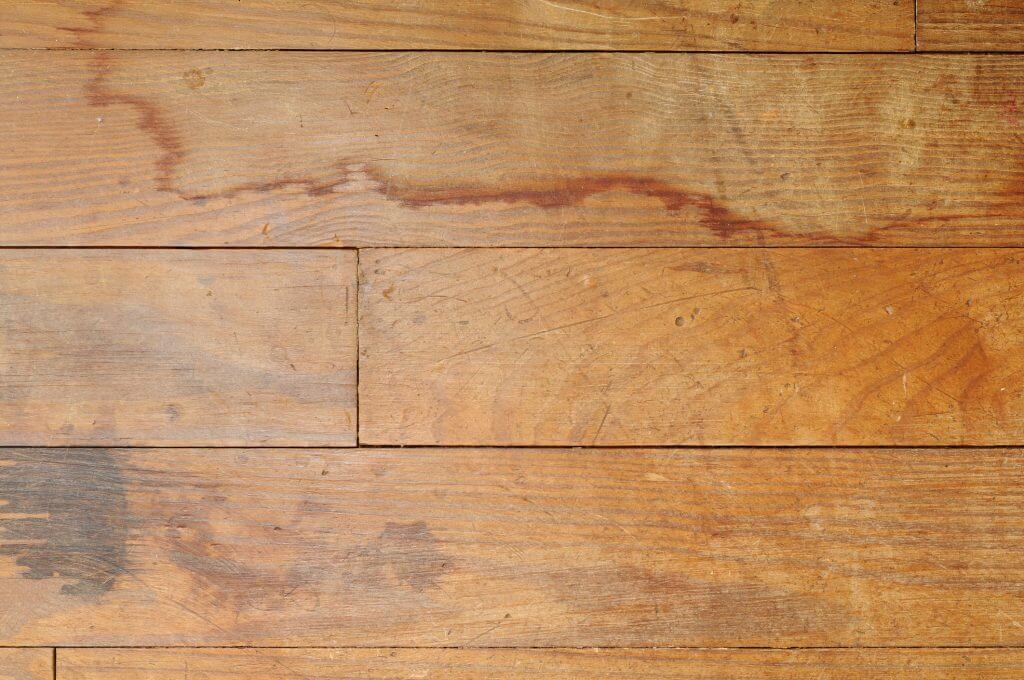
- Typical cost: $1,000 to $6,000+ depending on how far the water spread, whether the floor can be dried and sanded, and whether the subfloor is damaged.
- Per-square-foot range: $10 to $80 per sq. ft. for localized but severe water damage that requires board and subfloor replacement.
- Best for: Significant water exposure where boards are cupped, warped, or stained.
In some cases, the most cost-effective option is to replace damaged areas and then refinish the entire room. For more details on full refinishing, see our hardwood refinishing cost guide.
Water damage pricing varies by scope and local labor, so checking local costs is the fastest way to estimate your total.
Mold and Mildew
Water damage that goes unaddressed can lead to mold growth beneath or within the floorboards. Mold removal requires treating the affected area before any flooring repairs can begin.
- Typical cost: $10 to $25 per sq. ft. for mold remediation, in addition to the cost of replacing affected boards and subfloor material.
- Best for: Any floor where moisture damage has been present for more than a day or two — mold can develop faster than most homeowners expect.
If mold has spread to the subfloor, remediation is typically handled by a water damage restoration specialist before flooring repairs begin. Document the damage with photos before any work starts, as this type of damage is sometimes covered by homeowners insurance.
Pet Stains, Sun Fading, and Discoloration
Pet urine, harsh cleaners, and strong UV exposure can permanently discolor hardwood floors. Shallow discoloration can sometimes be sanded out; deeper stains may require board replacement.
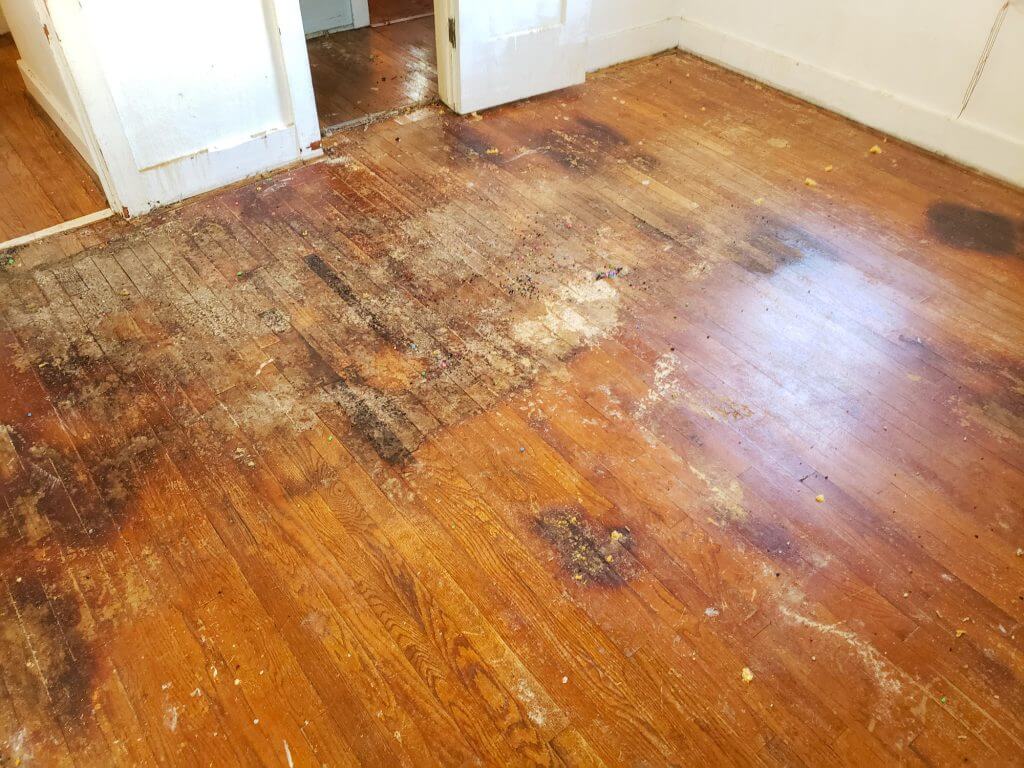
- Typical cost: $200 to $1,000 for small to moderate areas, especially if boards need to be replaced and color-matched.
- Best for: Localized stains where the rest of the floor is in good condition.
Uneven Or Sagging Floors
Uneven or sagging floors may indicate subfloor or structural issues. These repairs are more involved and can be significantly more expensive than simple surface repairs.
- Typical cost: $1,000 to $6,000 or more per room when floor joists or structural elements need repair.
- Best for: Serious safety or structural concerns that go beyond cosmetic damage.
Repair vs. Refinish vs. Replace
Not sure whether to repair, refinish, or replace your hardwood floor? Many homeowners start with spot repairs and then consider whole-floor refinishing if the damage is widespread.
| Option | Best For | Typical Cost Range |
|---|---|---|
| Spot Repair | Small scratches, a few damaged boards, minor squeaks | $100 to $1,500 (project total) |
| Refinishing | Worn finish, widespread surface scratches, dull or yellowed floors | $3 to $8 per sq. ft. |
| Partial Replacement | Severe damage in one area, water damage, or pet stains | $7 to $25 per sq. ft. of affected area |
| Full Replacement | Extensive damage, very thin floors, or wanting a new look | $6 to $25 per sq. ft. installed (similar to new hardwood installation) |
A useful rule of thumb: spot repairs make the most financial sense when damage covers less than 25 to 30 percent of your floor’s surface area. Once repairs start to exceed that threshold — or once blending becomes difficult due to an older stain or discontinued species — refinishing the entire room usually delivers better visual results at a comparable or lower cost. If your floors are an older or difficult-to-match species, your contractor may recommend replacing damaged boards and then refinishing the entire space so everything blends.
When considering a new floor, explore different types of hardwood flooring and compare the best hardwood floor brands before you choose a replacement.
You can compare repair and refinishing options with local pros before committing to replacement.
Key Factors That Affect Hardwood Floor Repair Cost
Every hardwood repair project is a little different. These are the main factors that influence your price:
- Size of The Damaged Area: Larger areas cost more, whether you’re replacing boards or refinishing an entire room.
- Type of Damage: Light scratches and minor squeaks are less expensive to fix than deep dents, pet stains, or water damage that reaches the subfloor.
- Wood Species and Grade: Common domestic species are easier and cheaper to match than rare or imported woods.
- Floor Construction (Solid vs. Engineered): Solid hardwood can typically be sanded and refinished multiple times. Engineered hardwood with a thin wear layer may have limited repair options and could require board replacement instead.
- Existing Finish and Color: Matching an existing stain and sheen can take extra time and materials, especially on older floors that have changed color over time. Discontinued species or finishes can push costs noticeably higher.
- Subfloor Condition: If water or structural issues have damaged the subfloor, you’ll pay more for repair or replacement before the new boards go down.
- Accessibility: Floors with access from below (like over a basement) may be easier to repair than those installed over concrete slabs, which require all work to be done from above.
- Local Labor Rates: Flooring contractors and handymen typically charge $30 to $60 per hour on average, with skilled repair specialists or difficult-to-access areas reaching up to $125 per hour.
- Furniture Moving: If contractors need to move furniture in and out of the repair area, expect to add $200 to $600 to the project cost. Clearing the area yourself before the crew arrives is one of the easiest ways to reduce the total bill.
- Minimum Service Charges: Many flooring professionals charge a minimum fee of $150 to $300 regardless of project size, to cover travel, setup, and equipment. For very small repairs, this minimum can represent most of the total cost — factor it in when deciding whether to bundle multiple small repairs into a single visit.
Ways To Save On Hardwood Floor Repairs
Repair costs can add up, but there are several ways to keep your project on budget:
- Address Small Issues Early: Fixing minor scratches or cupping early is usually far cheaper than waiting until boards or subfloors are severely damaged.
- Combine Repairs with Refinishing: If your floor is already due for refinishing, it may be more cost-effective to repair damaged boards and then refinish the whole space once rather than doing multiple smaller projects.
- Consider Less Expensive Species for Patches: In hidden areas like closets, contractors may be able to harvest boards and use them to patch visible damaged spots, then install new boards in the less visible area.
- Clear The Area Before the Crew Arrives: Moving furniture and rugs yourself before your contractor shows up can save $200 to $600 in labor that would otherwise go toward prep rather than the repair itself.
- Bundle Multiple Small Repairs Into One Visit: Most professionals charge a minimum service fee regardless of project size. Combining several small repairs into a single appointment means you pay that fee once instead of multiple times.
- Get Multiple Quotes: Compare at least three estimates from licensed, insured flooring professionals so you understand local pricing and repair options before committing.
- Do Simple Maintenance Yourself: Regular cleaning, using felt pads on furniture, and managing indoor humidity can all help prevent costly repairs later.
When to DIY and When to Hire a Professional
Some minor repairs can be DIY-friendly, but many hardwood floor repairs are best left to a professional, especially when matching stain colors or dealing with water damage.
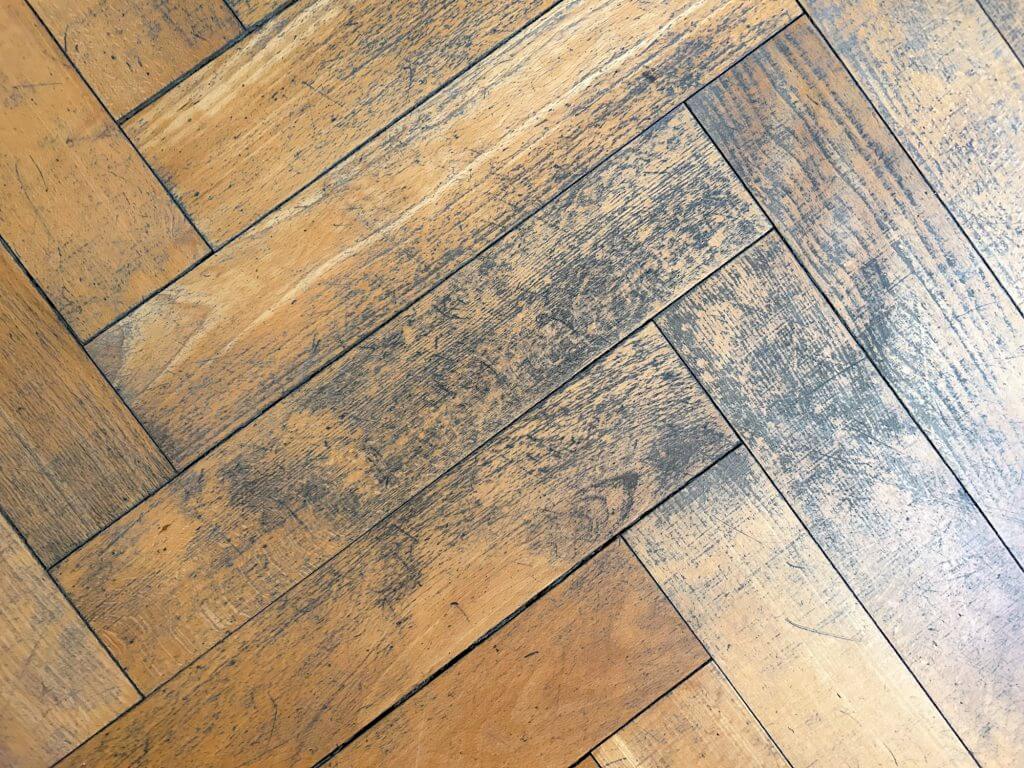
- DIY-Friendly Tasks: Small surface scratches, applying store-bought touch-up kits, or tightening a single board may be manageable if you’re comfortable with basic tools.
- Hire A Pro For: Deep scratches or gouges, large pet stains, cupping and crowning, squeaks across an entire room, water damage, mold, and anything involving subfloor or structural issues.
A flooring pro will have the right tools and experience to match your existing floor’s color and sheen, which is key to a repair that blends in instead of standing out.
How to Get Quotes for Hardwood Floor Repair
Because hardwood floor repair costs vary by region, damage type, and floor construction, the best way to get an accurate price is to request multiple quotes from local professionals. A flooring contractor can inspect your floors, explain whether repair, refinishing, or replacement is the best option, and provide a detailed estimate for each approach.
Check local costs to understand pricing for your specific floor type and damage level.
Cost ranges shown reflect current national averages based on a synthesis of industry research, contractor-reported pricing, and homeowner-reported projects across the U.S., adjusted for current 2026 market pricing. Data is normalized into unified low-to-high ranges to account for differences in labor rates, materials, system types, and project scope. Regional and state-level figures reflect typical local market conditions but are not quotes; actual costs vary by location, home characteristics, and the severity of the repair.
Compare top-rated flooring pros in your area.
Read real homeowner reviews, explore qualifications, and view promotions. Modernize makes it easy to browse professionals and find one that will be perfect for your project.



Hardwood Floor Repair Cost FAQs
-
Types of Hardwood Floors
What Are the Main Types of Hardwood Flooring? Before you pick a wood species, it’s useful to know that hardwood flooring comes in three main types: solid hardwood, engineered hardwood,... -
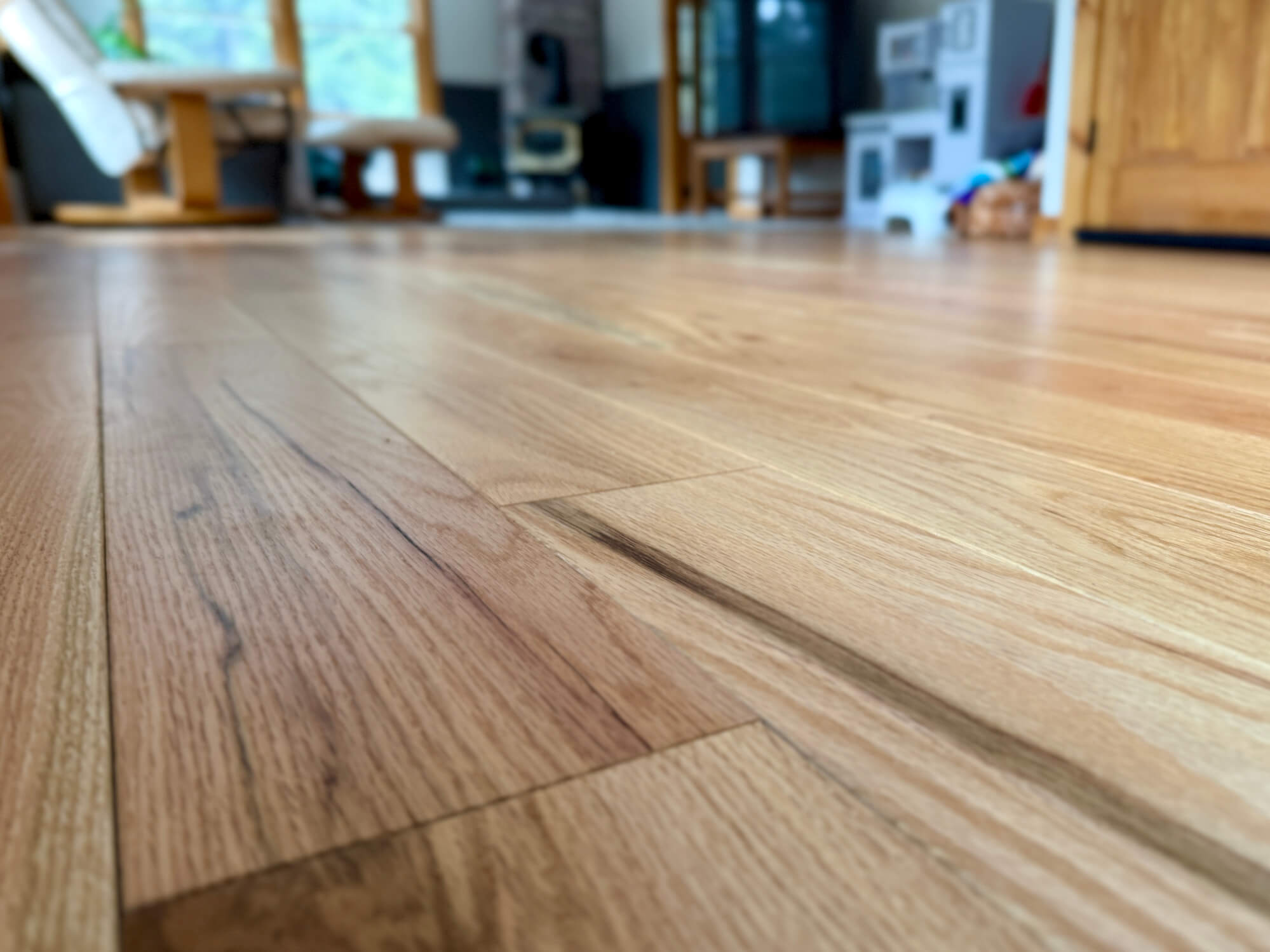
How Much Does It Cost to Refinish Hardwood Floors?
How Much Does It Cost to Refinish Hardwood Floors? Refinishing hardwood floors means sanding off the top layer, adding stain if you choose, and sealing the wood with a protective... -
Engineered Hardwood Cost
What Is Engineered Wood Flooring? Engineered wood flooring combines a real hardwood veneer with several layers of plywood or high-density fiberboard. The top layer, called the wear layer, gives the... -
Hardwood Flooring Installation Cost
Key Takeaways Most homeowners spend $3,500 to $11,000 total for hardwood floor installation Labor adds $3 to $8 per square foot on top of material costs Engineered hardwood ($3 to... -
Types of Flooring
Types of Flooring: A Complete Comparison Guide The most popular flooring types include hardwood, luxury vinyl plank (LVP), tile, laminate, carpet, engineered hardwood, and vinyl sheet. Your best option depends... -
Best Flooring Companies
Best National Flooring Companies & Retailers In the U.S., the biggest flooring companies fit into two main groups. Some are full-service installers that manage everything from your first consultation to...