Foundations
Basement Excavation Cost: What to Expect In 2026
Average Cost: $10,000 – $50,000 per project
Basement excavation costs vary widely, but most homeowners spend between $10,000 and $50,000. Your exact price depends on your home’s size, local soil conditions, and location.
- Turning a crawl space or partial basement into a full basement costs about $30 to $70 per square foot.
- Creating a new basement under an existing home is a bigger project, usually costing $50,000 to $150,000 or more.
- For new homes, basement excavation is often less expensive, starting around $1,500 and going up to $15,000.
Find the best foundations pros in your area.

The Modernize Mission
We help homeowners make confident decisions through our reliable, up-to-date, and unbiased information and average project costs. All of our content is thoroughly reviewed and fact-checked by our team of home improvement experts. Learn more about how we maintain these values.
Basement Excavation Cost Summary
This quick overview shows the most common basement excavation project types and their typical price ranges.
| Project | Typical cost |
|---|---|
| New construction excavation | $1,500 to $15,000 |
| Dig out crawl space to full basement | $30,000 to $70,000 |
| Add basement under existing home | $50,000 to $150,000+ |
| Basement underpinning (lower floor level) | $25,000 to $90,000 |
| Soil removal and hauling (per load) | $300 to $600 per truckload |
Note: Costs vary significantly by region. Projects in the Northeast and on the Pacific Coast tend to run 20% to 30% higher than national averages because of labor rates and soil conditions.
Sources: HomeAdvisor, Angi, National Association of Home Builders (NAHB), and regional contractor data. Cost ranges reflect 2025 to 2026 national averages and may vary by location.
What Factors Affect the Cost to Dig Out a Basement?
Several factors shape the cost to dig out a basement beyond size alone. Here are the most significant.
Soil Type and Conditions
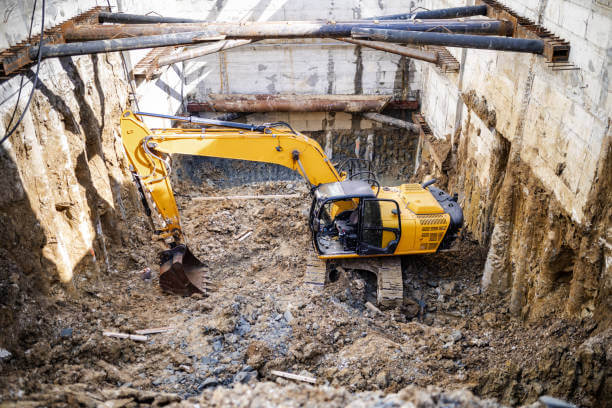
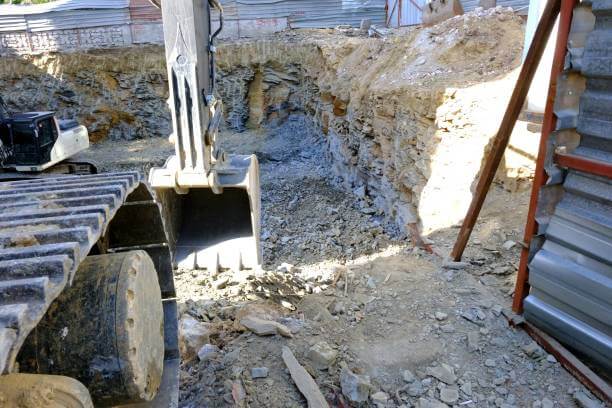
If your yard has sandy or loamy soil, excavation is usually straightforward and costs less. Clay or rocky ground can be much tougher to dig, sometimes requiring special equipment or even blasting. This can add $5,000 to $20,000 or more to your project. To help avoid unexpected costs, consider getting a soil test before you start collecting quotes from contractors.
Home Size and Basement Depth
Most basements are built to a depth of 8 to 9 feet. If you want a deeper basement, keep in mind that each extra foot increases the amount of soil crews need to remove and can make the project more complex. For example, excavating a 1,000-square-foot basement at 8 feet deep means moving about 300 cubic yards of soil, which is roughly 30 truckloads.
Access and Site Constraints
How easily crews can bring equipment to your home can have a big impact on your costs. If access is limited and heavy machinery cannot get close to the foundation, workers may need to dig by hand or use smaller tools, which takes more time and increases labor costs. Features like narrow lots, large trees, fences, or nearby utility lines can all make access more challenging.
Structural Support Requirements
If you are excavating under or next to your existing home, contractors need temporary supports called shoring to keep your house stable during the work. These supports, which are usually made of steel beams and posts, can cost between $5,000 and $20,000 depending on the size and type of your foundation.
Foundation Work
Excavation is just one part of the overall cost. Most basement projects also need new footings, waterproofing, a drainage system, and a concrete floor. These additional steps can add $20,000 to $40,000 to your total budget.
Permits and Engineering
In most places, you will need to hire a structural engineer and get building permits before you start basement excavation. Permit fees usually range from $500 to $3,000 or more, and engineering plans can cost between $1,500 and $5,000. Be sure to include these expenses in your initial budget.
How Much Does It Cost to Add a Basement to an Existing Home?
Adding a basement under an existing home, also known as a basement conversion, is a complex project and one of the most significant investments you can make in your home. Most homeowners spend between $50,000 and $150,000 or more for this type of work.
During this process, crews carefully remove soil from under your existing foundation in stages, pour new footings at a lower level, and reinforce your home’s structure as the work progresses. Methods like bench footing or underpinning help keep your home supported and safe every step of the way.
Key cost components for adding a basement include:
- Structural engineering and permits: $2,000 to $8,000
- Excavation and soil removal: $15,000 to $40,000
- Underpinning or bench footing: $20,000 to $60,000
- Waterproofing and drainage system: $5,000 to $15,000
- Concrete floor: $3,000 to $8,000
- Egress window, if required: $2,000 to $5,000 per window
Most basement excavation projects take between four and 12 weeks to complete, depending on the size of the job, soil conditions, and how quickly your contractor can schedule the work. In some cases, you may need to temporarily move out of your home if major structural work is required.
Can You Excavate a Basement Yourself?
For most homeowners, basement excavation is not a safe or practical DIY project. Risks like structural collapse, hitting utility lines, flooding, and building code violations make it important to hire experienced professionals. Still, you can take a few steps to help manage costs along the way:
- Pull your own permits in jurisdictions that allow it to save contractor markup
- Handle debris cleanup and site prep yourself
- Get three or more quotes, since excavation pricing varies widely between contractors
- Time the project for late fall or winter, when excavation contractors often have more availability and may price more competitively
Always hire a licensed structural engineer to review the project before breaking ground. For basement additions under existing homes, this is not optional. Most states legally require it.
Key Terms to Know
Understanding a few common excavation terms can make contractor quotes and project plans easier to follow.
Underpinning
The process of strengthening or deepening an existing foundation by extending it below its current depth. Contractors use this when adding a basement under an existing home or when soil conditions have shifted.
Bench Footing
A type of underpinning where contractors pour a new footing at a lower level beside the existing one, creating a bench of concrete. It is common in residential basement conversions because it is less disruptive than traditional underpinning.
Shoring
Temporary structural supports, typically steel beams and hydraulic posts, installed to hold the home’s weight during excavation. Crews remove shoring once permanent structural elements are in place.
Egress Window
A window large enough for a person to exit through in an emergency. Building codes in most states require at least one egress window in any basement used as a living space.
Cut and Fill
An excavation method where crews remove soil from one area and relocate it to another area of the property. This is common on sloped lots to create a level building pad.
Modernize can connect you with the top foundation pros in your area so you can get quotes and compare prices.
This content was created with the assistance of AI and reviewed, edited, and fact-checked by our editorial team for accuracy and clarity. See our Editorial Policy for more details.