Foundations
How Much Does It Cost to Raise a House?
Average Cost: $30,000 – $70,000 per project
Most homeowners spend between $30,000 and $70,000 to raise a house, though costs can range from $10,000 for smaller projects to $100,000 or more for larger homes or those needing a full foundation replacement. Lifting a smaller pier-and-beam home just a few feet is usually less expensive, while raising a larger home or meeting strict flood requirements can increase the price significantly.
This guide will help you understand what affects the cost, what to expect during the process, and how to decide if house raising is the right choice for your situation.
Find the best foundations pros in your area.

The Modernize Mission
We help homeowners make confident decisions through our reliable, up-to-date, and unbiased information and average project costs. All of our content is thoroughly reviewed and fact-checked by our team of home improvement experts. Learn more about how we maintain these values.
Table of Contents
- What Is House Raising?
- How Much Does It Cost to Raise a House?
- What Factors Affect the Cost to Raise a House?
- Cost Breakdown: What Are You Actually Paying For?
- Does Raising a House Save Money on Flood Insurance?
- Can You Raise a House Yourself?
- How Long Does It Take to Raise a House?
- Is It Worth It to Raise a House?
- FAQs About Raising a House
What Is House Raising?
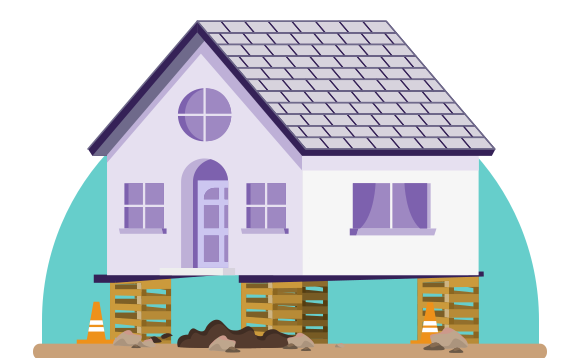
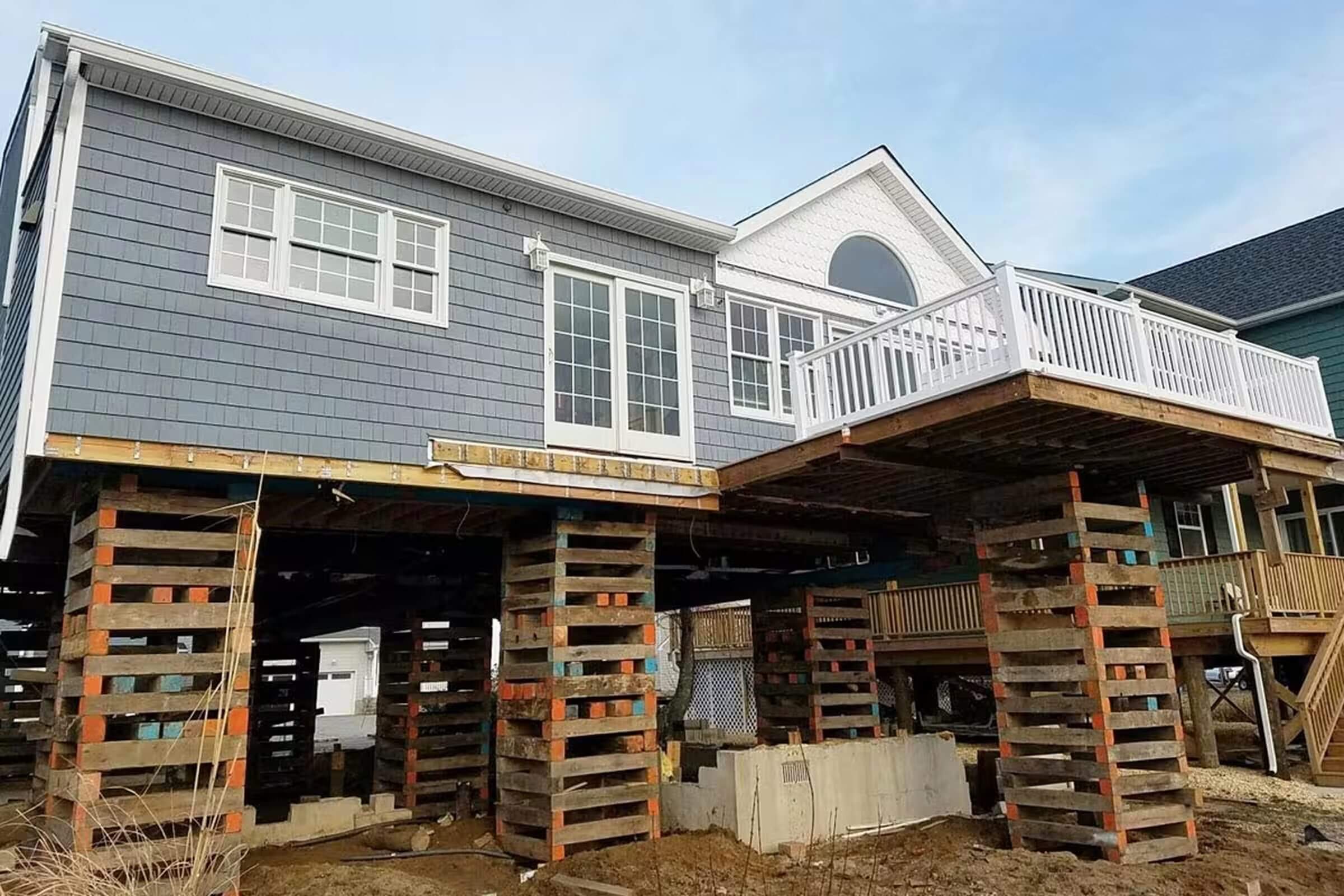
House raising, sometimes called house lifting, means temporarily lifting your entire home off its foundation with hydraulic jacks. This allows contractors to rebuild the foundation, add height to help prevent flooding, or move the home to a better spot on your lot. Because this is a complex project, you will need a licensed contractor and usually a building permit.
How Much Does It Cost to Raise a House?
While the cost to raise a house can range from $10,000 to $100,000 or more, most projects fall between $30,000 and $70,000. The price depends on the type of work needed. For example, raising a home just enough to meet flood requirements is usually less involved than lifting a house to replace an old or damaged foundation.
House Raising Cost Summary
- Pier-and-beam lift (small home): $10,000 to $25,000
- Flood elevation (average home): $30,000 to $70,000
- Full foundation replacement: $40,000 to $100,000+
- House raising + basement addition: $50,000 to $150,000+
- Mobile/manufactured home raising: $5,000 to $15,000
These are ballpark ranges. Your actual cost depends on the factors outlined below.
What Factors Affect the Cost to Raise a House?
Several factors can affect the total cost of raising your home. Here are the main things contractors consider when preparing an estimate.
Home Size
The size of your home is one of the biggest factors in the cost. Larger homes need more equipment, more workers, and more materials to lift safely. Lifting alone usually costs about $5 to $15 per square foot, not including foundation repairs or other work. For example, raising a 1,500-square-foot home will cost much less than lifting a 3,500-square-foot house.
Type of Foundation
The type of foundation your home has also affects the cost and complexity.
- Pier-and-beam homes are usually easier and less expensive to raise since they are already above the ground.
- Slab-on-grade homes are more challenging because the house must be separated from the concrete slab, which takes extra time and care.
- Homes with full basements are in the middle, depending on whether the basement walls will stay or need to be rebuilt.
Lifting Height
How high you need to lift your home will also affect the price. Lifting just a few inches to repair damaged wood is much simpler than raising your house several feet to meet flood safety standards. Each extra foot adds to the cost because it requires taller foundation walls, longer utility connections, and more support during the lift.
Reason for Raising
Why you need to raise your home will also play a big role in the overall cost and scope of the project.
- Flood compliance: Homeowners in flood zones often raise their homes to meet base flood elevation (BFE) requirements and reduce flood insurance premiums. This is one of the most common reasons for house raising.
- Foundation repair or replacement: If the existing foundation has failed, the home may need to be raised so it can be demolished and rebuilt.
- Crawl space improvement: Some homeowners raise their homes to create more usable crawl space height for encapsulation, insulation, or mechanical access.
- Adding a basement or garage: Raising a home to dig out and add a basement or ground-level garage is possible, but it is one of the most expensive variations of this project.
- Structural leveling: Homes that have shifted or settled unevenly may need to be raised and releveled.
Soil and Site Condition
Contractors will look at how easy it is to access your property, the slope of your lot, and the stability of the soil. Homes on steep lots, near water, or with soft ground need extra preparation and care, which can add $5,000 to $20,000 or more to your total cost.
Age and Condition of the Home
Older homes, especially those built before current framing standards, may need extra reinforcement to be lifted safely. If your home has structural damage, rot, or pest problems, these issues will need to be fixed before or during the project, which can increase the cost.
Geographic Location
Labor costs can vary depending on where you live. In regions like the Northeast and Gulf Coast, where house raising is more common, you may find more experienced contractors and better pricing. In areas where this work is rare, you might pay more for specialized skills.
Cost Breakdown: What Are You Actually Paying For?
Knowing what each part of the project costs can help you compare contractor bids and spot any unexpected charges.
- Engineering and permits: Most projects require a structural engineer’s assessment and a building permit. Budget $1,500 to $5,000 for engineering fees and $500 to $2,000 for permits, depending on your municipality.
- The lifting work: Labor and equipment for raising your home usually costs between $5,000 and $20,000, depending on the size of your house and how high it needs to go.
- Foundation work: This is often the biggest part of your budget. Pouring new concrete, building new walls, or installing a new slab can cost $10,000 to $50,000 or more by itself.
- Utility disconnection and reconnection: Plumbing, electrical, and HVAC systems must be temporarily disconnected and then extended or reconnected after the raise. Budget $3,000 to $10,000 depending on the complexity of your systems.
- Exterior finishing: After the lift, you may need new stairs, entry landings, skirting, or landscaping repairs. These finishing touches can add $2,000 to $15,000 to your total, depending on what is needed.
Does Raising a House Save Money on Flood Insurance?
Yes, raising your home can lead to savings on flood insurance, especially if you live in a high-risk area. Lifting your house above the base flood elevation can lower your National Flood Insurance Program (NFIP) premiums by an average of 30% per year. In some cases, these savings can pay for the project in 10 to 15 years.
If your home is in a Special Flood Hazard Area (SFHA), check with your local floodplain administrator before starting the project. You may be eligible for grants or low-interest loans through FEMA’s Hazard Mitigation Grant Program (HMGP) or your state’s mitigation programs, which can cover a significant portion of the cost.
Can You Raise a House Yourself?
No, raising a house is not a do-it-yourself project. It requires specialized hydraulic equipment, a licensed contractor, and usually a structural engineer and building permit. Attempting to lift a home without the right skills and tools can cause serious damage or injury.
That said, you can reduce costs by:
- Getting at least three bids from licensed foundation or house-raising contractors
- Handling minor prep work yourself, such as clearing access around the perimeter
- Asking your contractor what work can be completed after the lift to reduce project-phase costs
- Checking whether your homeowners insurance or a local mitigation grant covers any portion of the work
How Long Does It Take to Raise a House?
Most house-raising projects take one to three weeks from the start of lifting to finishing the foundation work. The entire process, including engineering, permits, utility work, and final touches, usually takes four to eight weeks. More complex projects, like adding a basement or replacing the whole foundation, can take several months.
Here is a general project timeline:
- Engineering assessment and permitting: Two to four weeks
- Site prep and utility disconnection: Two to five days
- The lift: One to three days
- Foundation work: One to three weeks
- Utility reconnection and finishing: One to two weeks
Is It Worth It to Raise a House?
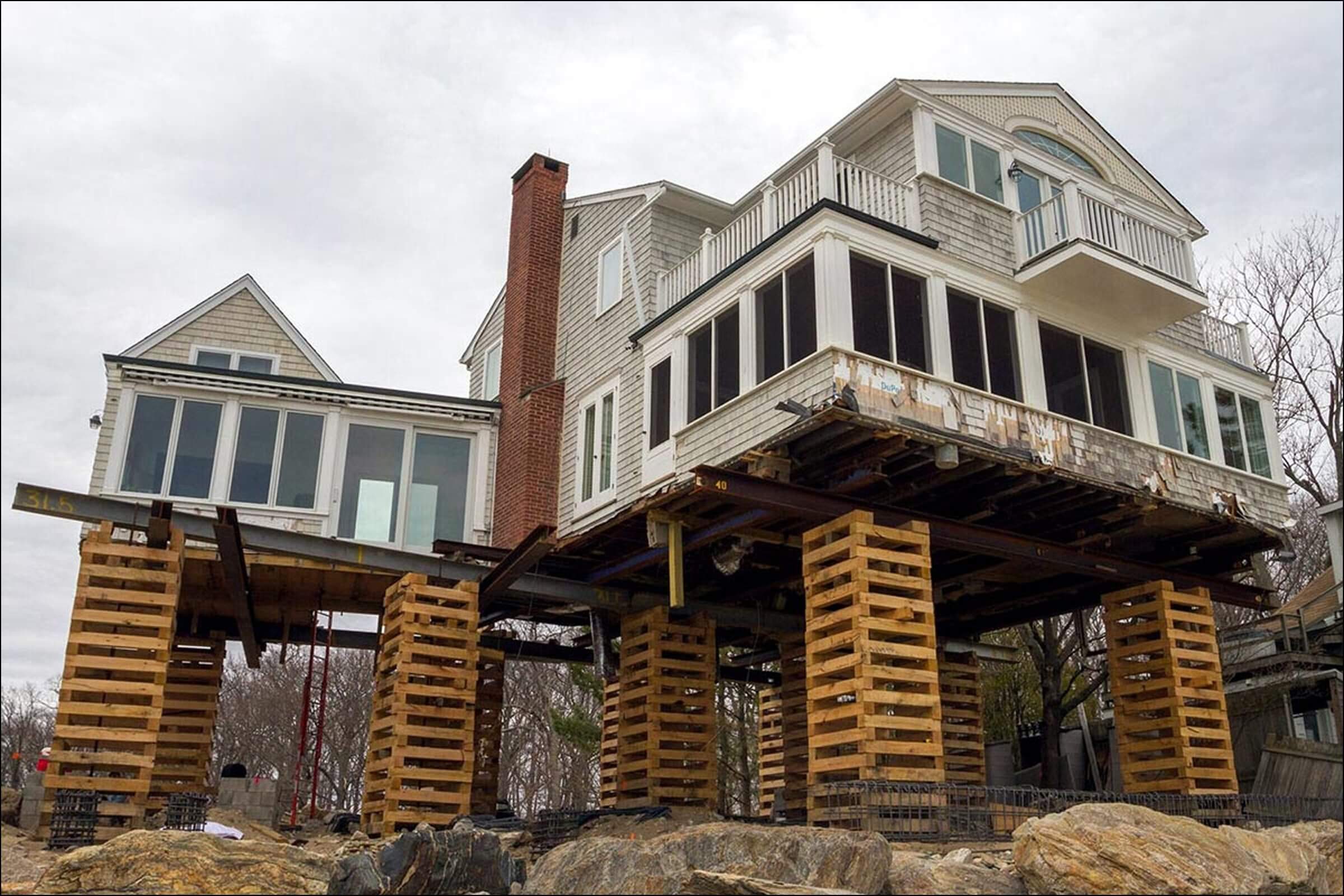
In the right situation, raising your house can be a smart investment. It is worth considering when:
- Your home is in a flood zone and you are paying high insurance premiums that elevation would reduce
- Your foundation has failed and replacement is the only long-term solution
- You want to add livable space below the home and the lot allows for it
- A structural engineer has confirmed the home is otherwise in good condition and worth the investment
Raising a house may not be the best choice if your home has major problems beyond the foundation, if the cost is higher than your home’s value, or if a buyout or relocation program would save you more money.
Ready to take the next step? Modernize can connect you with licensed foundation pros in your area.
This content was created with the assistance of AI and reviewed, edited, and fact-checked by our editorial team for accuracy and clarity. See our Editorial Policy for more details.