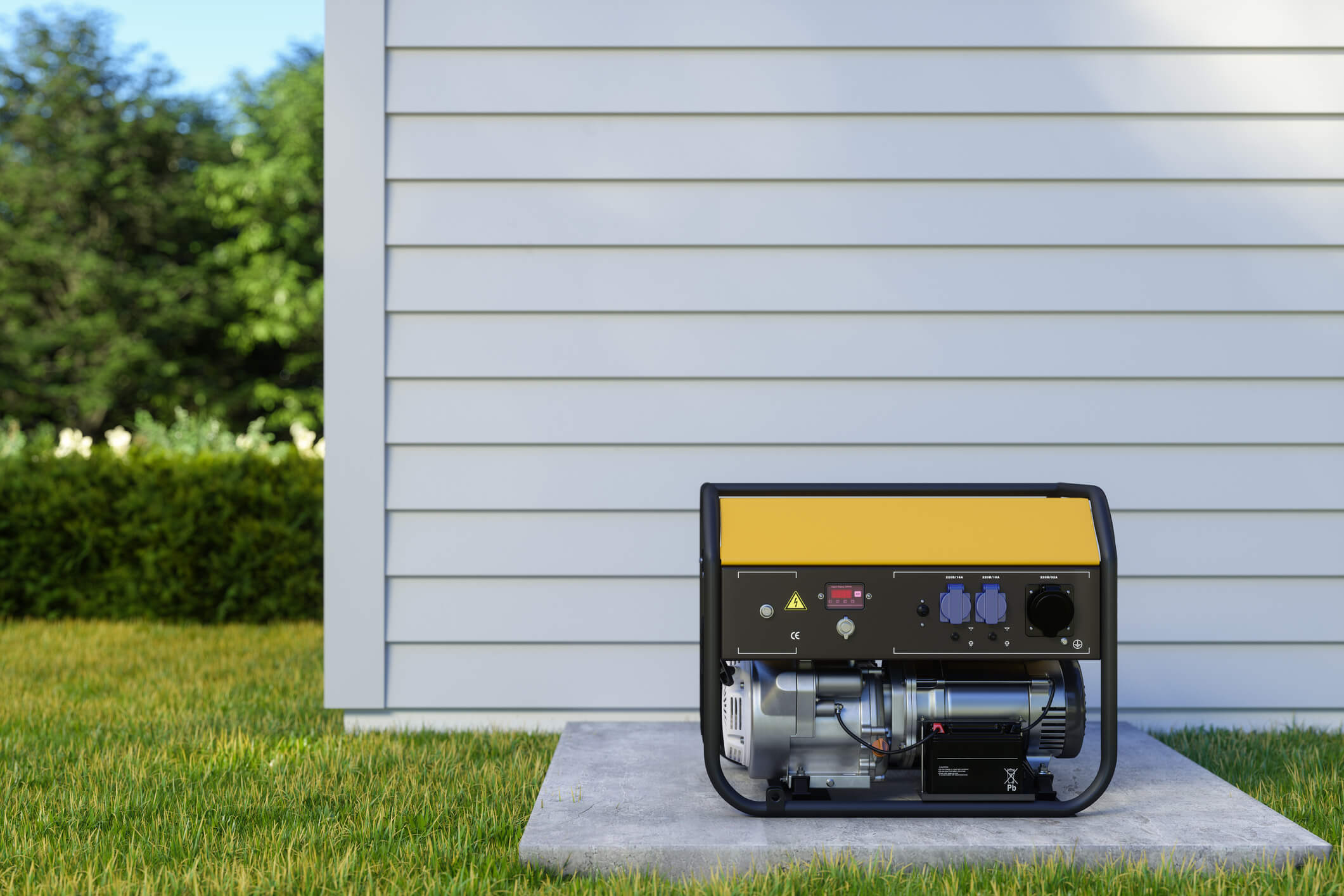
Generators
How to Hook Up a Generator To Your House
There are several safe, code-approved ways to connect a generator to your home, and the right method depends on the type of generator you have and how much power you need to run. Portable generators and standby generators connect very differently, and choosing the wrong setup can be dangerous or illegal. This guide explains how generators are connected to houses, what your options are, and why safety equipment, permits, and professional installation often matter.
Find the best generators pros in your area.

The Modernize Mission
We help homeowners make confident decisions through our reliable, up-to-date, and unbiased information and average project costs. All of our content is thoroughly reviewed and fact-checked by our team of home improvement experts. Learn more about how we maintain these values.
Table of Contents
- Can You Hook Up a Generator Directly to Your House?
- Step-by-Step: How to Hook Up a Portable Generator
- Generator Types and Connection Methods
- Safe Ways to Hook Up a Generator to Your House
- What You Should Never Do When Connecting a Generator
- Do You Need an Electrician to Hook Up a Generator?
- Permits, Codes, and Inspections
- How Long Does It Take to Hook Up a Generator?
- How Much Does It Cost to Hook Up a Generator to a House?
- Choosing the Right Generator Setup for Your Home
- FAQs About Hooking Up a Generator to a House
Can You Hook Up a Generator Directly to Your House?
No — never hook up a generator directly to your home without proper transfer equipment.
Plugging a generator straight into your electrical panel or a wall outlet is unsafe and often illegal. Without approved equipment to control power flow, a generator can:
- Send electricity back into utility lines (backfeeding) and endanger utility workers
- Overload your home’s wiring
- Damage appliances and electronics
- Create serious fire and electrocution risks
To connect a generator safely, install equipment that separates generator power from utility power. Homeowners typically use a transfer switch or an approved interlock system, both of which prevent power from flowing where it shouldn’t.
If you remember one rule, it’s this: A generator must never power your house unless you can safely isolate it from the utility grid.
Step-by-Step: How to Hook Up a Portable Generator
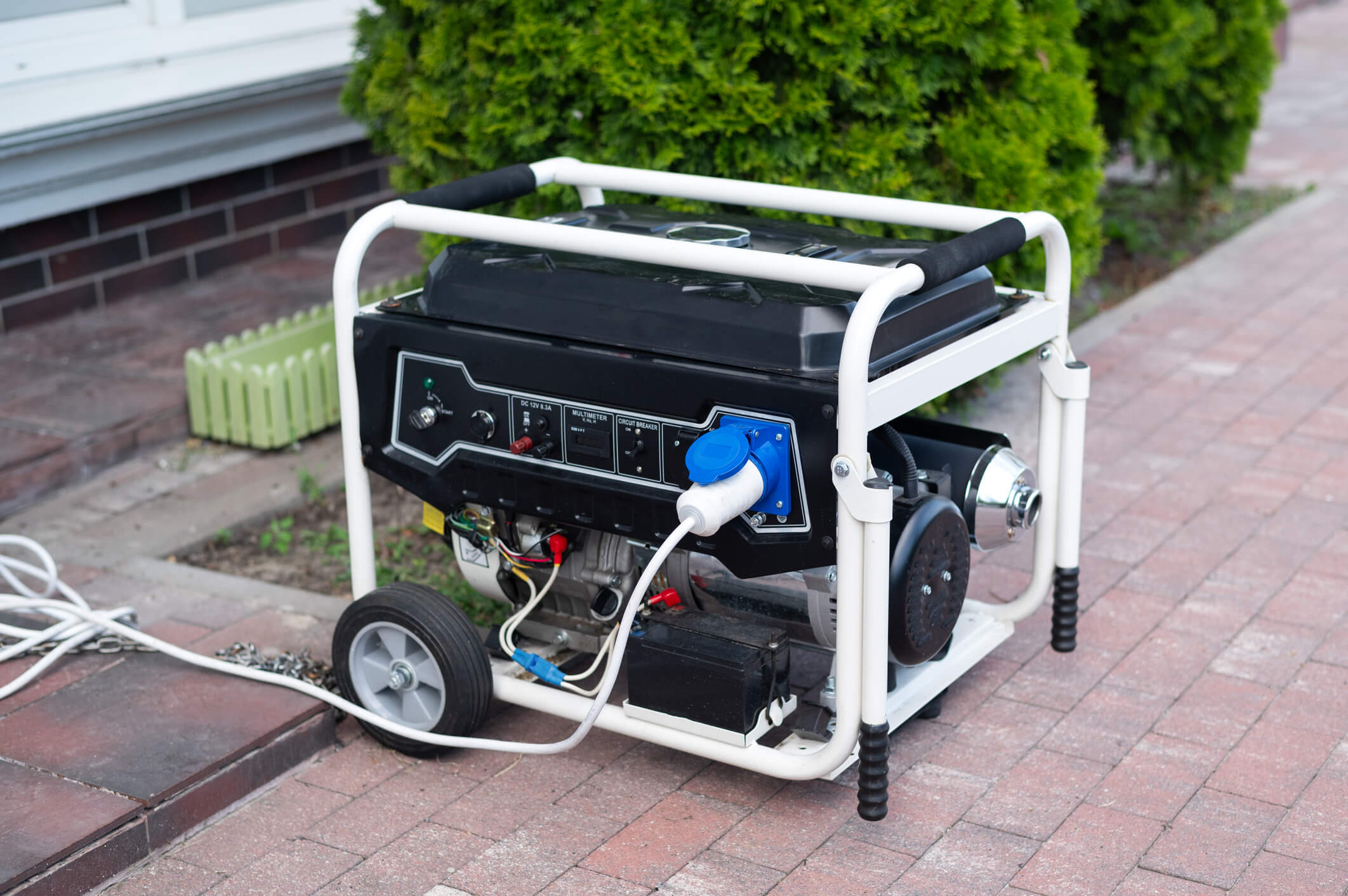
Hooking up a portable generator safely comes down to preparation, placement, and the right equipment. The steps below explain the process at a high level so you understand what’s involved without attempting unsafe electrical work.
Step 1: Choose a Safe Outdoor Location
Set the generator up outside only, far from doors, windows, and vents. Portable generators produce carbon monoxide, which can build up quickly and become deadly.
- Never run a generator in a garage, basement, or near open windows
- Follow the manufacturer’s clearance recommendations
- Place the generator on a flat, dry surface
Step 2: Decide How the Generator Will Power Your Home
Portable generators can power your home in two safe ways:
- Direct appliance connection using heavy-duty extension cords
- Connection through a transfer switch or approved interlock system installed on your electrical panel
If you want to power built-in circuits (like lights, outlets, or a furnace), you need a transfer switch or an interlock kit.
Step 3: Use Approved Cords and Inlets
If you plug appliances directly into the generator, use outdoor-rated, heavy-gauge extension cords designed for generator use.
If you power home circuits, connect the generator to a generator inlet box, which feeds power safely into your transfer equipment.
Step 4: Start the Generator and Manage Electrical Load
Once everything is connected, start the generator and bring loads online gradually. Portable generators have limited capacity, so prioritize essentials to avoid overloads.
- Start with critical systems (refrigerator, sump pump, heat)
- Avoid running high-demand appliances at the same time
- Watch for breaker trips or warning lights
Step 5: Shut Down Safely When Power Is Restored
When utility power returns, turn off connected loads, shut down the generator, and disconnect cords or inlet connections before switching back to normal power.
Important: Never connect a portable generator to a wall outlet or electrical panel without approved transfer equipment. This can cause backfeeding, fires, and serious injury.
Generator Types and Connection Methods
How a generator connects to your house depends largely on whether it’s portable or standby (whole-home). Each type comes with different capabilities, limitations, and safety requirements.
Portable Generators
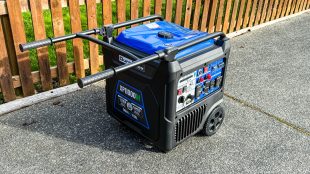
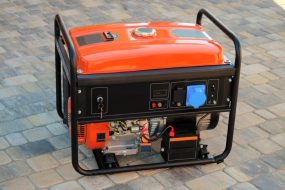
Portable generators are movable units you can use during short-term outages. They do not connect permanently to your home.
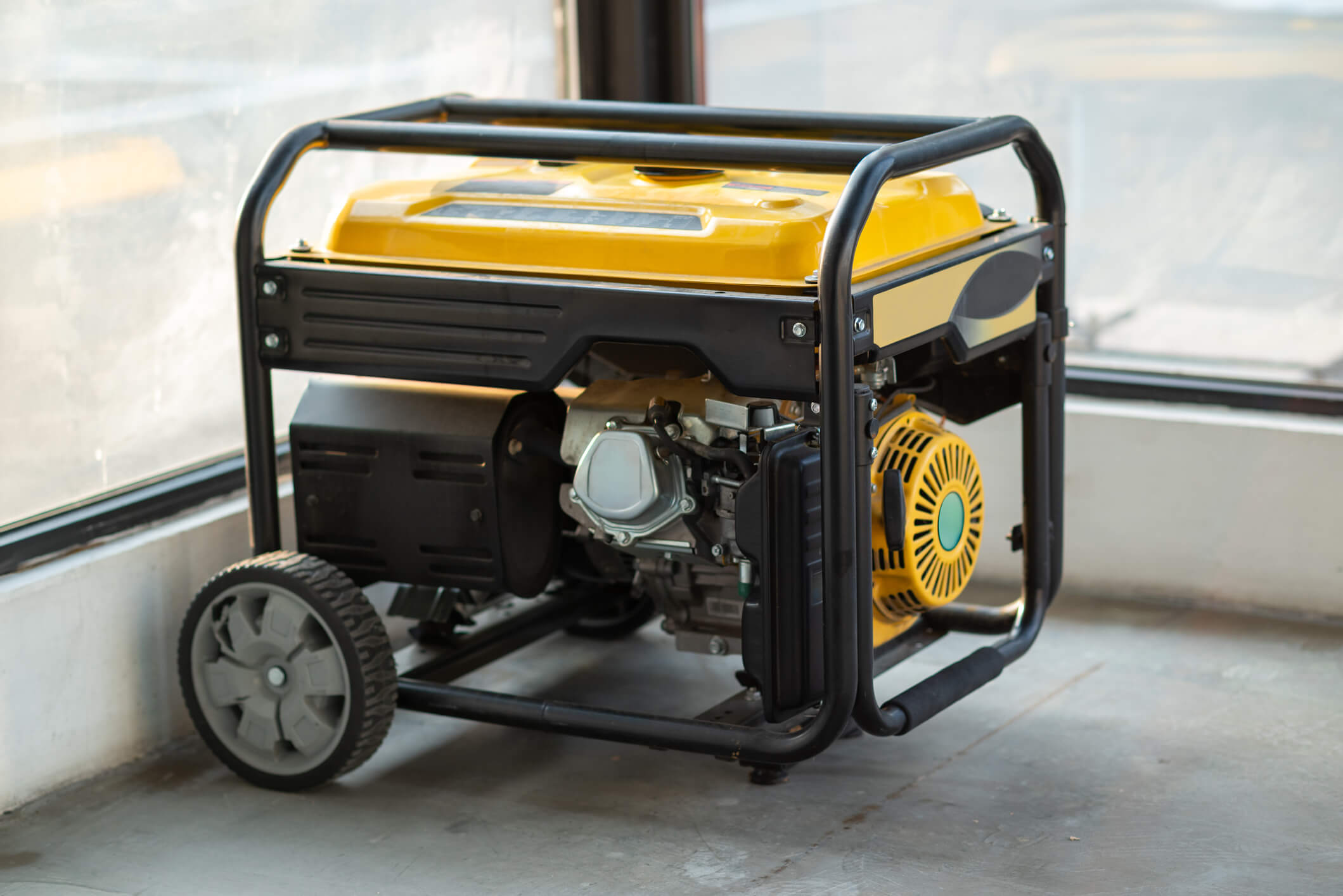
Common connection options for portable generators include:
- Plugging appliances directly into the generator using extension cords
- Connecting the generator to select home circuits through a manual transfer switch
- Using a generator inlet box with approved transfer equipment
Important limitations to understand:
- Portable generators usually cannot power an entire home at once
- You must start and shut them off manually
- You must refill fuel during use
- Because power capacity is limited, you must choose which circuits to run
Portable generators work best for essential items only, such as refrigerators, sump pumps, or a few lights, when you connect them safely.
Standby (Whole-Home) Generators
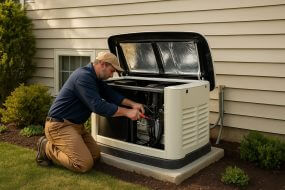
Standby generators are permanently installed systems that power part or all of your home automatically during an outage.
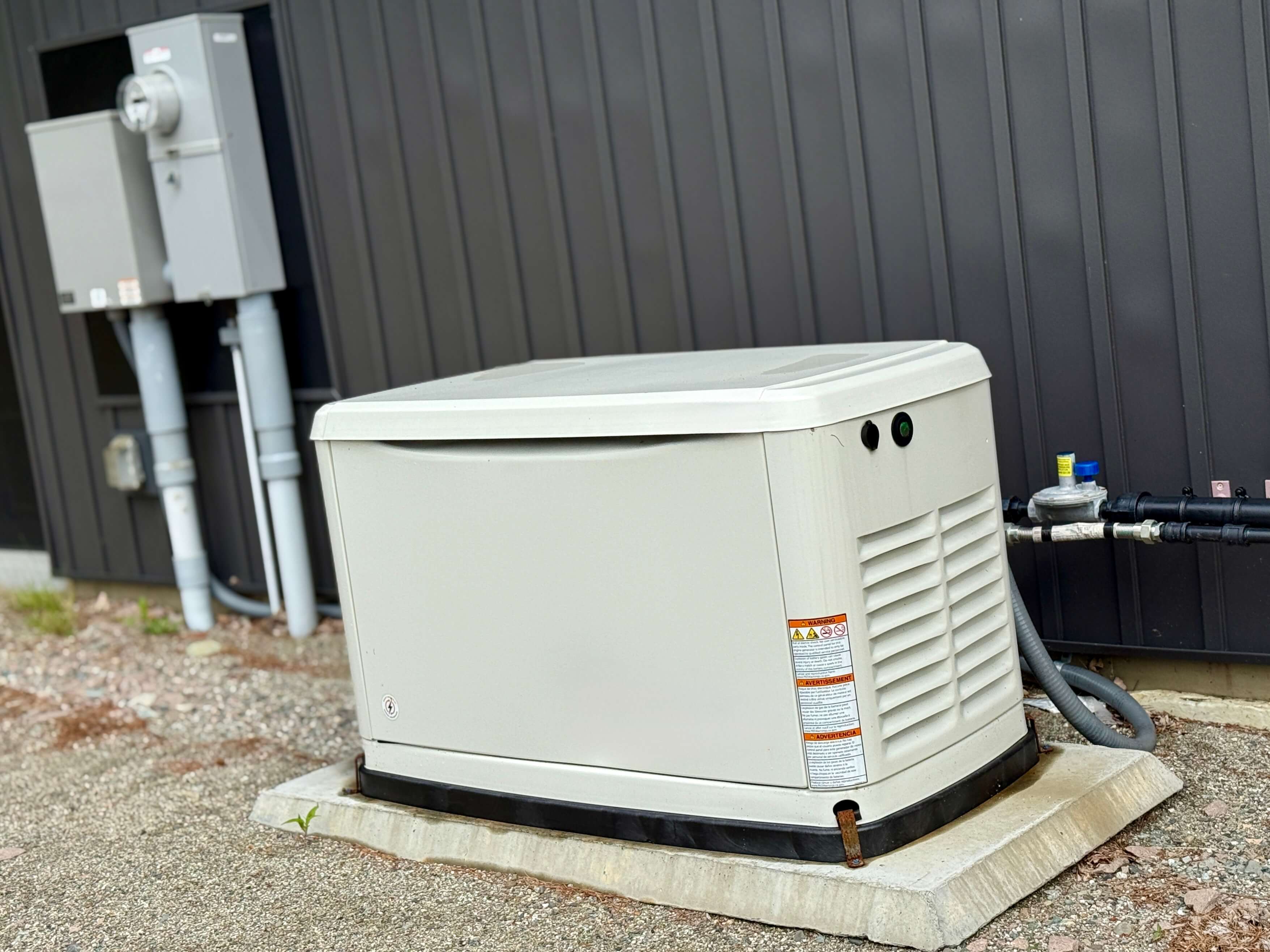
Key characteristics include:
- Hardwired connection to your electrical panel
- An automatic transfer switch that detects outages and switches power safely
- Runs on natural gas or propane
- Can power many or all household circuits
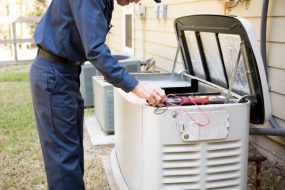
Because standby generators integrate directly into your home’s electrical system, most locations require professional installation, permits, and inspections. Once installed, they operate automatically and restore power within seconds of an outage.
Standby generators offer the most seamless option for homeowners, and they also come with the most code requirements.
Safe Ways to Hook Up a Generator to Your House
Only a few code-approved methods let you connect a generator to a home safely. These setups protect your family, your electrical system, and utility workers by controlling how power flows.
The right option depends on your generator type, power needs, and local code requirements.
Transfer Switch
A transfer switch is the safest and most common way to connect a generator to a house.
What it does:
- Switches your home’s power source from the utility to the generator
- Prevents generator power from feeding back into utility lines
- Lets you choose which circuits receive power
Why homeowners use transfer switches:
- Required for most permanent or semi-permanent generator hookups
- Available in manual (portable generators) and automatic (standby generators) versions
- Makes generator use safer, faster, and code-compliant
In most cases, a licensed electrician installs a transfer switch, and local authorities may require permits and inspections.
Interlock Kit
An interlock kit is a mechanical device that mounts on your electrical panel and prevents the main breaker and generator breaker from turning on at the same time.
How it works:
- Allows either utility power or generator power — never both
- Uses existing breaker spaces in the panel
- Requires a dedicated generator inlet
Important considerations:
- Some jurisdictions do not allow interlock kits
- You must use a kit specifically approved for your panel model
- Installation often requires permits and professional work
When permitted, an interlock kit can cost less than a transfer switch, but correct installation is critical for safety.
Dedicated Generator Circuits
Some homes use dedicated generator circuits instead of powering the entire electrical panel.
This setup:
- Powers only specific outlets or circuits (such as a fridge or sump pump)
- Reduces generator size requirements
- Helps limit overload risk
Homeowners often pair dedicated circuits with portable generators, typically through a manual transfer switch system.
What You Should Never Do When Connecting a Generator
Unsafe generator hookups can break the law and create serious risks for you, your neighbors, and utility workers.
Backfeeding Through an Outlet
Never plug a generator into a wall outlet or dryer outlet.
This practice, known as backfeeding, can:
- Send electricity into utility lines and risk severe injury or death
- Damage your home’s wiring and appliances
- Violate electrical codes and void insurance coverage
Backfeeding is one of the most common and dangerous generator mistakes.
Using Extension Cords Improperly
You can use extension cords with portable generators, but you need to use them correctly to avoid serious hazards.
Avoid:
- Running cords indoors or through windows and doors
- Using lightweight or damaged cords
- Overloading cords beyond their rated capacity
- Creating tripping hazards
If you use extension cords, choose heavy-duty, outdoor-rated cords and connect them only to appliances designed for generator use.
Do You Need an Electrician to Hook Up a Generator?
In many cases, yes. The need for an electrician depends on your generator type and the connection method you choose.
When DIY May Be Allowed
You can usually handle a few limited tasks, such as:
- Setting up and fueling a portable generator outdoors
- Plugging appliances directly into the generator with approved cords
- Starting and stopping the generator during outages
These situations do not require permanent electrical modifications.
When Professional Installation Is Required
You typically need a licensed electrician when you:
- Install a transfer switch or interlock kit
- Connect a generator to a home’s electrical panel
- Install a standby (whole-home) generator
- Must meet permit and inspection requirements set by local authorities
Professional installation helps you meet local codes, operate safely, and document the work, which matters for insurance and resale.
Permits, Codes, and Inspections
Codes regulate generator hookups for safety, and most permanent or semi-permanent installations require permits and inspections. Requirements vary by location, but the goal stays the same: connect your generator safely and prevent it from energizing utility lines.
In many areas, you need permits to:
- Install a transfer switch or interlock kit
- Connect a generator to a home’s electrical panel
- Install a standby (whole-home) generator
- Run new circuits or install generator inlet boxes
Inspections verify that:
- The setup isolates power from the utility grid
- Installers mount and wire equipment correctly
- Electrical connections meet local safety standards
Skipping permits or inspections can lead to fines, insurance issues, or problems when you sell your home.
How Long Does It Take to Hook Up a Generator?
The time required depends on the generator type and connection method.
Typical timeframes include:
- Portable generator (cords only): Minutes
- Manual transfer switch or interlock kit: 2 to 6 hours
- Standby generator installation: 1 to 3 days
Standby generator installs take longer because installers may need to handle electrical work, fuel connections, inspections, and coordination with local utilities.
How Much Does It Cost to Hook Up a Generator to a House?
Generator hookup costs vary widely based on equipment, labor, and local requirements.
General cost ranges:
- Manual transfer switch: $500 to $1,500 installed
- Interlock kit: $300 to $1,200 installed (where allowed)
- Standby generator connection: $3,000 to $8,000+ (installation only)
Factors that affect price include:
- Generator size and type
- Distance from panel to generator location
- Electrical panel upgrades
- Permit and inspection fees
- Local labor rates
These costs are in addition to the price of the generator itself.
Choosing the Right Generator Setup for Your Home
The best generator hookup depends on how much power you need and how often you experience outages.
Consider:
- Essential circuits: What must stay powered during an outage?
- Outage frequency: Occasional outages vs. frequent or long-term outages
- Budget: Upfront cost vs. long-term convenience
- Ease of use: Manual operation vs. automatic backup
Portable generators paired with transfer switches work well for limited needs, while standby generators fit homeowners who want seamless, whole-home protection.