Generators
Portable vs. Whole-House Generators: Which Is Right for You?
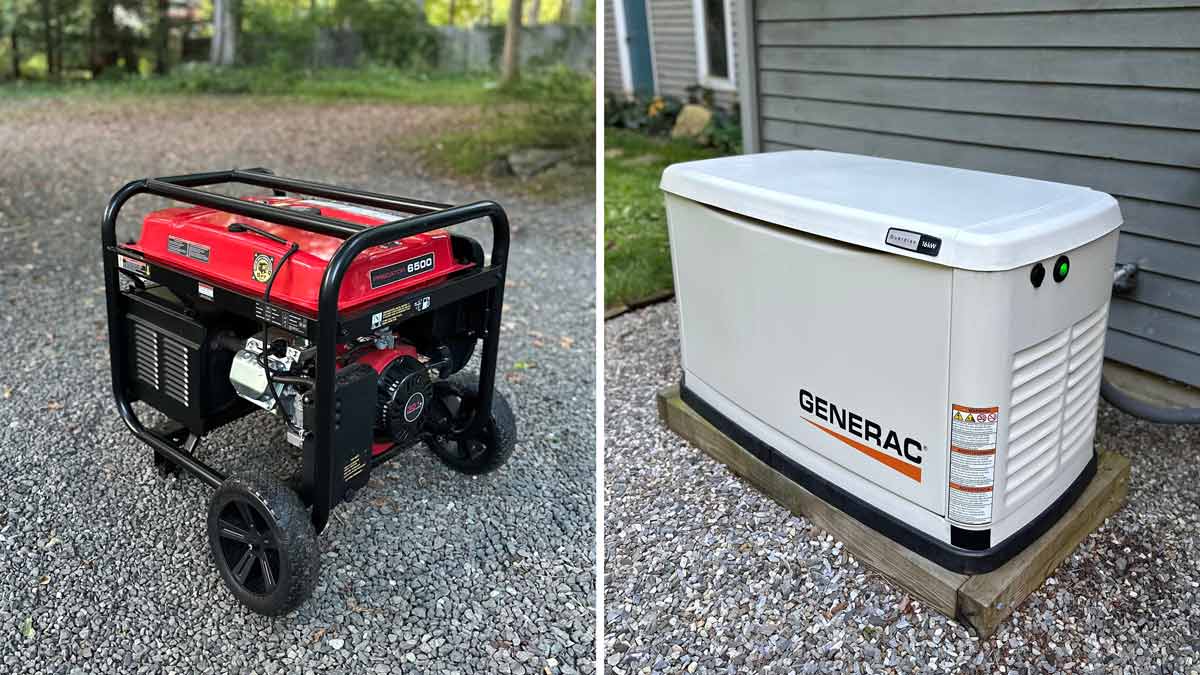
Power outages are becoming more common across the country, leading many homeowners to explore backup power options. The two most common solutions are portable generators and whole-house, or standby, generators. Each option meets very different needs, budgets, and expectations. This guide provides a clear side-by-side comparison to help you decide which generator best fits your home, lifestyle, and outage risk.
Find the best generators pros in your area.

The Modernize Mission
We help homeowners make confident decisions through our reliable, up-to-date, and unbiased information and average project costs. All of our content is thoroughly reviewed and fact-checked by our team of home improvement experts. Learn more about how we maintain these values.
Table of Contents
- Quick Comparison: Portable vs. Whole-House Generators
- What Is a Portable Generator?
- What Is a Whole-House Generator?
- Portable vs. Whole-Home Generators: Key Differences
- Which Generator Is Right for Your Home?
- Installation and Maintenance Basics
- Alternatives to Consider
- FAQs About Portable and Whole Home Generators
Quick Comparison: Portable vs. Whole-House Generators
Portable generators offer affordable, flexible backup power for essential items like phones, computers, and individual appliances. Whole-house generators cost more but deliver automatic, hands-free power for your entire home during an outage — from overhead lights and HVAC systems to refrigerators and washing machines.
Below is a simple, high-level comparison of these types of generators.
| Feature | Portable Generator | Whole-House Generator |
|---|---|---|
| Best for | Budget-conscious homeowners or those with occasional outages. | Homes with frequent outages or essential medical and electrical needs. |
| Power capacity | 2,000 to 8,000 watts; can run essentials like a fridge, lights, and small appliances. | 14 to 40 kW or more; can power HVAC, major appliances, and the entire home. |
| Fuel source | Gasoline or propane; requires manual refueling. | Natural gas or propane with a continuous fuel supply. |
| Operation and activation | Manual start using extension cords or a manual transfer switch. | Automatic activation through a transfer switch. |
| Installation requirements | Minimal setup; a transfer switch improves safety. | Requires professional installation, permits, and electrical and gas work. |
| Cost range | $400 to $2,500 or more for the unit; transfer switch $200 to $1,200. | $6,000 to $15,000 or more, including installation. |
| Noise level | Typically 60 to 90 decibels, depending on the model. | Generally quieter at about 60 to 70 decibels. |
| Maintenance needs | Oil changes, fuel stabilizer, and occasional test runs. | Professional servicing, annual inspections, and system testing. |
| Safety considerations | Carbon monoxide risk; must run outdoors with proper cabling. | Requires proper placement and ventilation but is safer once installed. |
What Is a Portable Generator?
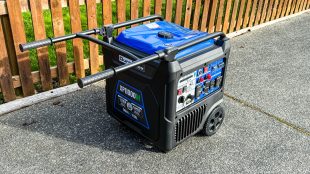
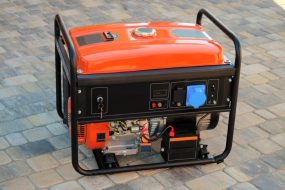
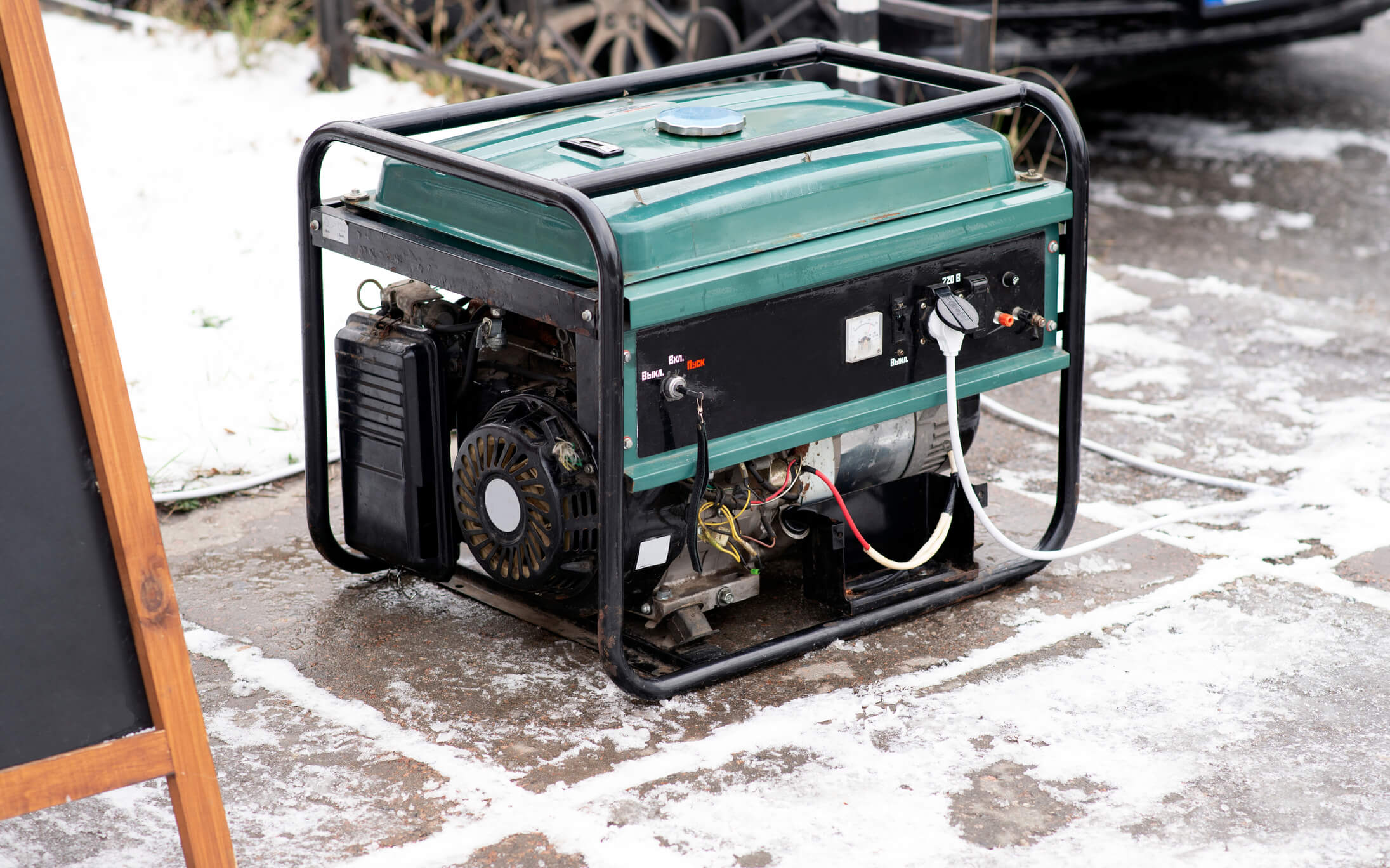
A portable generator is a small, movable unit that provides temporary power during an outage. These generators vary in size but typically support essential devices like refrigerators, lights, and chargers. They’re well-suited for short outages or occasional use.
How Portable Generators Work
Portable generators usually run on gasoline or propane. They produce limited power and must be refueled every few hours, depending on tank size and load. When the power goes out, you’ll need to:
- Move the generator outdoors and place it at least 20 feet from the home.
- Add fuel and start the engine manually using a pull start or electric start.
- Plug appliances directly into the unit or connect it to a manual transfer switch.
Pros and Cons of Portable Generators
Pros
- Affordable: Lower upfront cost than whole-house generators.
- Easy to move: Compact size makes storage and transport simple.
- Versatile: Useful for camping, job sites, tailgating, and temporary home backup.
- DIY-friendly: No professional installation required.
Cons
- Limited power: Can only run a small number of essential items.
- Manual operation: Requires setup, starting, and refueling during outages.
- Safety risks: Improper use can lead to dangerous carbon monoxide buildup.
- Noisy: Louder than most whole-house generator systems.
What Is a Whole-House Generator?
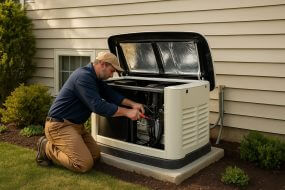
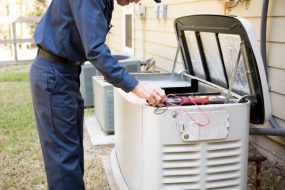
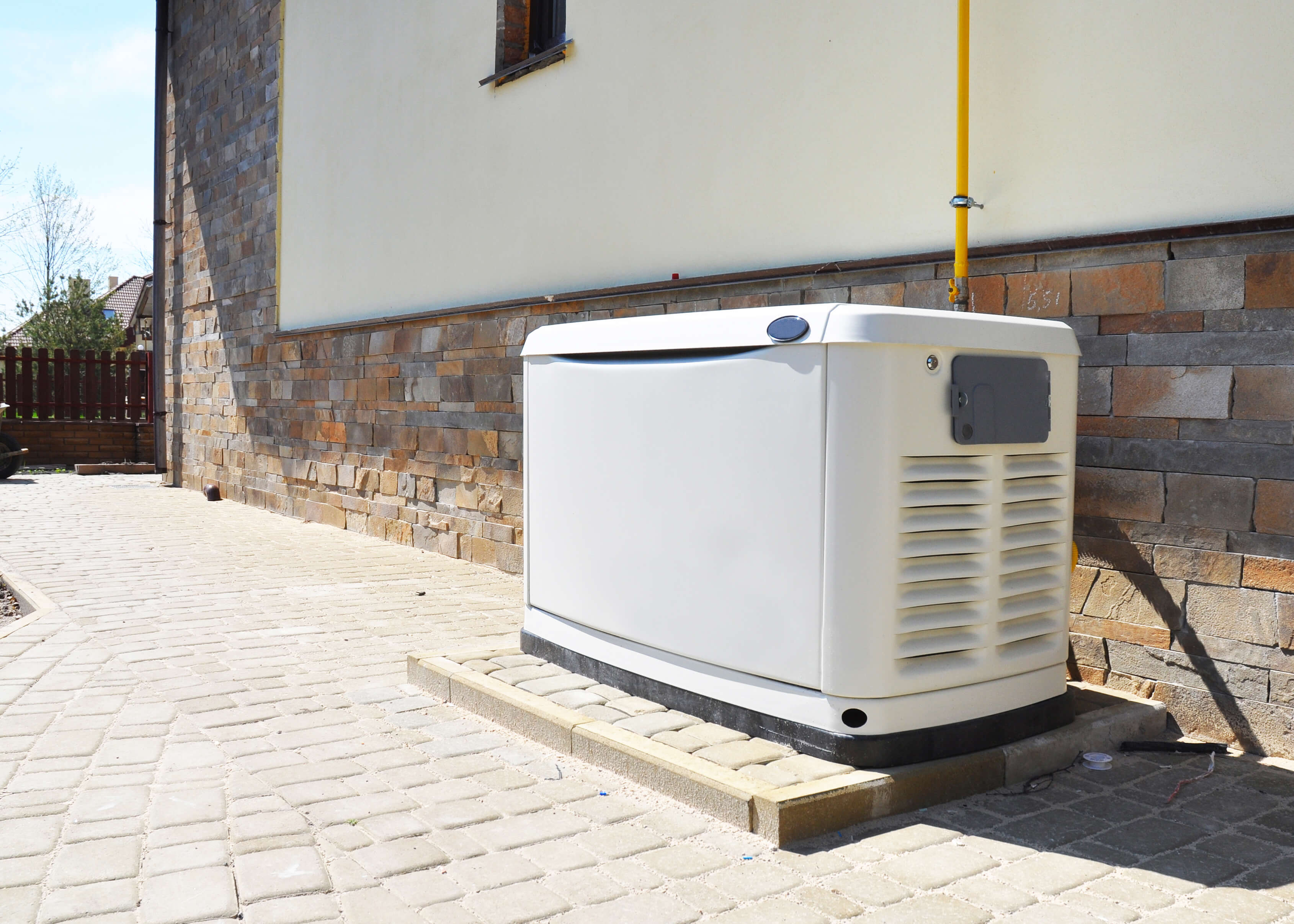
A whole-house generator, also known as a standby generator, is a permanent system installed outside your home. It automatically restores power within seconds of an outage and can power most or all of your home, depending on system size.
How Whole-House Generators Work
These generators connect to your home’s natural gas line or a large propane tank. An automatic transfer switch detects power loss and instantly shifts your home to generator power. When utility power returns, the system switches back and shuts down automatically.
Pros and Cons of Whole-House Generators
Pros
- Automatic operation: Seamless power restoration without homeowner involvement.
- High capacity: Can run HVAC systems, appliances, and full electrical loads.
- Ideal for long outages: Can run for days or weeks with continuous fuel.
- No refueling: Connected to a fuel source for uninterrupted operation.
Cons
- Higher cost: Significant upfront investment for equipment and installation.
- Ongoing maintenance: Annual inspections and professional servicing are recommended.
- Permanent installation: Not portable or easily relocated.
» Related: Standby Generator Maintenance Cost
Portable vs. Whole-Home Generators: Key Differences
Power Capacity and What They Can Run
- Portable: Typically 2,000 to 8,000 watts. Can power a refrigerator, lights, and small appliances.
- Whole-house: Usually 14 to 40 kW or more. Can run HVAC systems, well pumps, ovens, and entire panels.
Cost Breakdown
Portable Generator Costs
- Generator: $400 to $2,500 or more.
- Transfer switch (optional): $200 to $1,200.
- Fuel: Around $3 to $4 per gallon for gasoline or propane.
- Maintenance: Low-cost, DIY upkeep.
Whole-House Generator Costs
- Generator unit: $6,000 to $15,000 or more.
- Installation and permitting: $1,000 to $3,000.
- Maintenance: Annual servicing typically $200 to $500.
Safety Considerations
Portable generators must always operate outdoors and far from windows or vents to avoid carbon monoxide buildup. Use proper cords and consider a transfer switch for safer operation.
Whole-house generators are safer once installed but must meet clearance requirements and be professionally inspected.
Which Generator Is Right for Your Home?
The right generator depends on how often you lose power, your budget, and your household’s needs.
When a Portable Generator Makes Sense
A portable generator makes more sense when you:
- Experience occasional outages.
- Only need to power essential items.
- Want a budget-friendly option.
- Value portability for non-home use.
- Don’t mind manual setup.
When a Whole-House Generator Is the Better Choice
A whole-home generator makes more sense when you:
- Experience frequent or prolonged outages.
- Rely on medical devices or refrigerated medications.
- Work from home and need uninterrupted power.
- Want whole-home coverage, including HVAC.
- Prefer hands-free, automatic operation.
Installation and Maintenance Basics
Here are some basic requirements for generator installation and maintenance:
Portable Generator Setup Tips
- Always operate outdoors at least 20 feet from the home.
- Use outdoor-rated extension cords or a manual transfer switch.
- Add fuel stabilizer during long-term storage.
- Run the generator periodically to keep it in good condition.
- Store in a dry, ventilated area when not in use.
Whole-House Generator Installation Requirements
- Installation by a licensed electrician or generator professional.
- Permits and compliance with local codes.
- Concrete pad, gas line connection, and transfer switch.
- Annual inspections and routine servicing.
Alternatives to Consider
If neither generator type feels like the right fit, consider these alternatives:
- Solar generators: Quiet and portable, with no fuel required, but limited capacity.
- Home battery backup systems: High upfront cost, low maintenance, and often paired with solar.
- Hybrid setups: Combine portable generators with battery or solar systems.