Attic Insulation: A Key to Lower Energy Bills
Keeping your home warm in the winter and cool in the summer starts with proper attic insulation. Without it, your HVAC system works overtime, driving up energy bills as heat escapes during winter or infiltrates during summer. The good news? Adding or upgrading attic insulation is a relatively straightforward process. Whether you take the DIY route or hire a professional, you’ll enjoy significant savings on energy costs and a more comfortable home year-round.
Choosing the Right Attic Insulation
Selecting the right type of attic insulation depends on factors like your budget, the insulation’s effectiveness (R-value), and your comfort level with installation. Two common options are rolled insulation (batt) and blown-in insulation. Rolled insulation is highly effective but requires precise placement and can be more labor-intensive to install. Blown-in insulation, while easier to apply in irregular spaces, generally offers slightly lower insulation levels and may require layering with other materials for maximum efficiency. Attic insulation costs typically range from $1,500 to $4,500, depending on the type and size of the project.
How Much Attic Insulation Do You Need?
The R-value — a measure of insulation’s effectiveness — varies by region and your home’s needs. Experts recommend between R-38 and R-50 for attics in most climates. To achieve this, you may need one or more layers of insulation depending on the material used. Understanding how much insulation you need ensures energy efficiency without overspending on materials.
Don’t Skip Air Sealing
Before laying insulation, sealing air leaks in your attic is critical. Gaps around plumbing vents, chimneys, and attic access doors can allow conditioned air to escape. Use caulk, weather stripping, or fire-rated insulation to seal these areas, creating an airtight barrier and maximizing the insulation’s effectiveness.
Seal Your Pipes, Too!
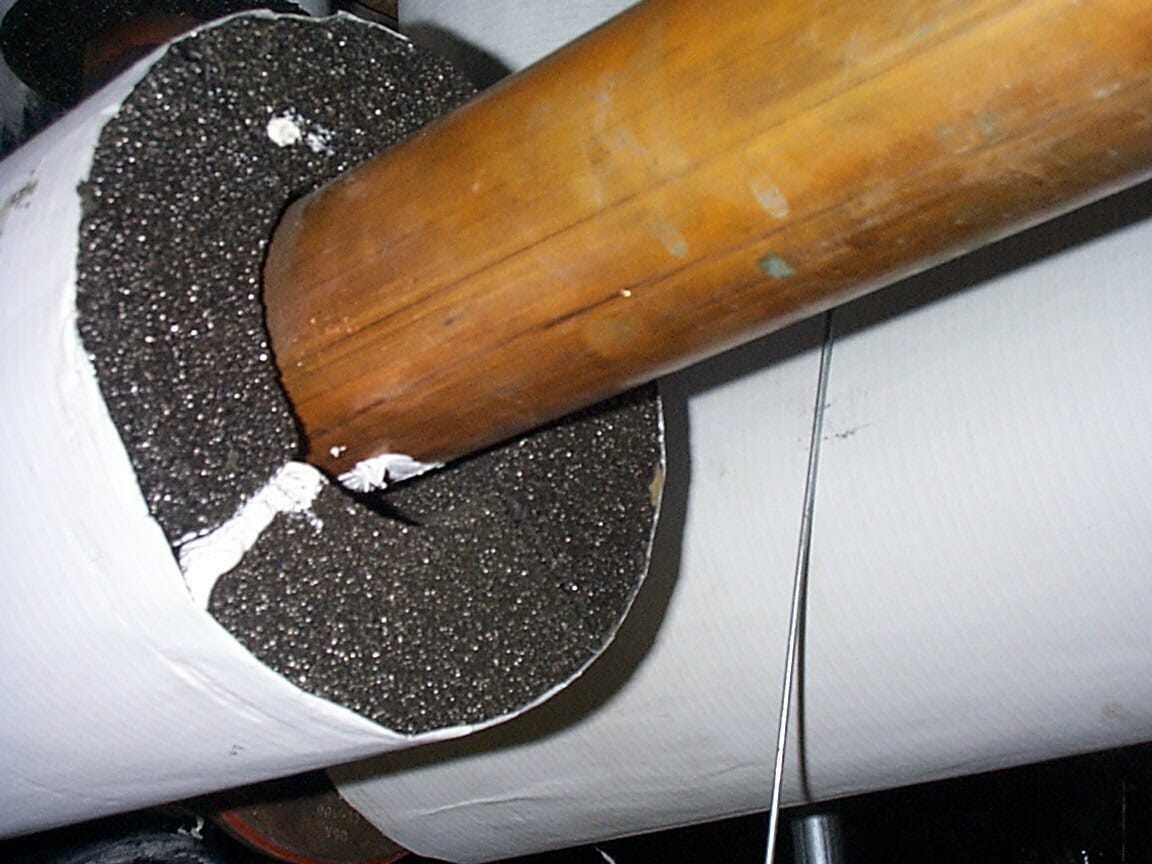
Any pipes that run into your attic should be sealed with foam insulation for two reasons. The first reason is to save energy by preventing heat loss from hot water lines. The second reason is to protect the pipes against freezing if you live in a colder climate. To insulate the pipes, simply slice pipe insulation vertically and slip it into place around the pipes. But each piece of insulation firmly against the one before it to create a solid seal throughout. Lock the insulation in place using special clips designed for the purpose, or with insulation tape.
Installing Rolled Insulation
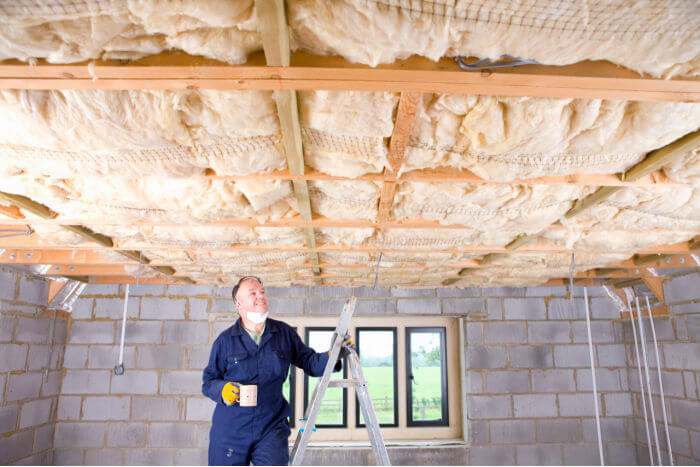
For rolled insulation, measure the joist spaces and cut the material to size. Begin with a vapor barrier if needed, then roll out the insulation snugly between the joists, ensuring there are no gaps. For optimal energy efficiency, you may need a second layer installed perpendicular to the first.
Installing Blown-In Insulation
Blown-in insulation is ideal for attics with uneven rafter spacing or difficult-to-reach areas. Using a blower or pouring by hand, fill the spaces between joists to the recommended depth. To contain the material, install barriers at attic edges and consider adding a rigid board layer for additional insulation and easier storage.
Additional Insulation Tips
- Seal Pipes: Foam pipe insulation prevents heat loss and protects against freezing in colder climates.
- Layer as Needed: If your attic lacks space for thick insulation layers, consider combining materials like rigid boards with blown-in insulation.
- Professional Help: For compliance with building codes and optimal results, hiring a professional might be worth the upfront cost.
By properly insulating your attic, you’ll reduce heating and cooling costs by 10-50%, depending on your home’s starting efficiency. Plus, you’ll improve your home’s resale value and enjoy greater comfort in every season. Whether you choose a DIY approach or enlist professional help, attic insulation is an upgrade that pays for itself over time.
Find the Right Contractor for Your Insulation Project
Whether you’re ready to begin your project now or need some expert advice, our network of contractors are here to help. With a few simple questions, we’ll find the best local professionals for you