
Are you doing a flooring project?
Modernize can pair you with three to four pros in your area, so you can compare options and save time and money.
- What Is Engineered Hardwood Flooring?
- Engineered Hardwood Flooring Quick Facts
- Engineered Hardwood vs. Solid Hardwood: What’s the Difference?
- How to Choose Quality Engineered Hardwood
- Where to Use Engineered Hardwood Flooring
- Where Not to Use Engineered Hardwood
- How Is Engineered Hardwood Installed?
- How Long Does Engineered Hardwood Flooring Last?
- Is Engineered Hardwood Easy to Clean?
- How Durable Is Engineered Hardwood?
- How Much Does Engineered Hardwood Cost?
- What Is Maintenance Like?
- Engineered Hardwood Flooring and Resale Value
- Engineered Hardwood Alternatives to Consider
Durable, long-lasting, and resistant to moisture and warping, engineered hardwood flooring is a popular choice among homeowners. It offers the look of real wood with added stability and often a more affordable price point than traditional solid hardwood. But if you are not familiar with this flooring type, you may be wondering what engineered wood flooring is, how it is made, and how it compares to solid hardwood.
In this guide, we answer common questions about engineered hardwood flooring — including how it’s constructed, where it works best, how it’s installed, and what it costs. If you’re still comparing different types of flooring, engineered hardwood is often chosen for its balance of durability, appearance, and value.
What Is Engineered Hardwood Flooring?
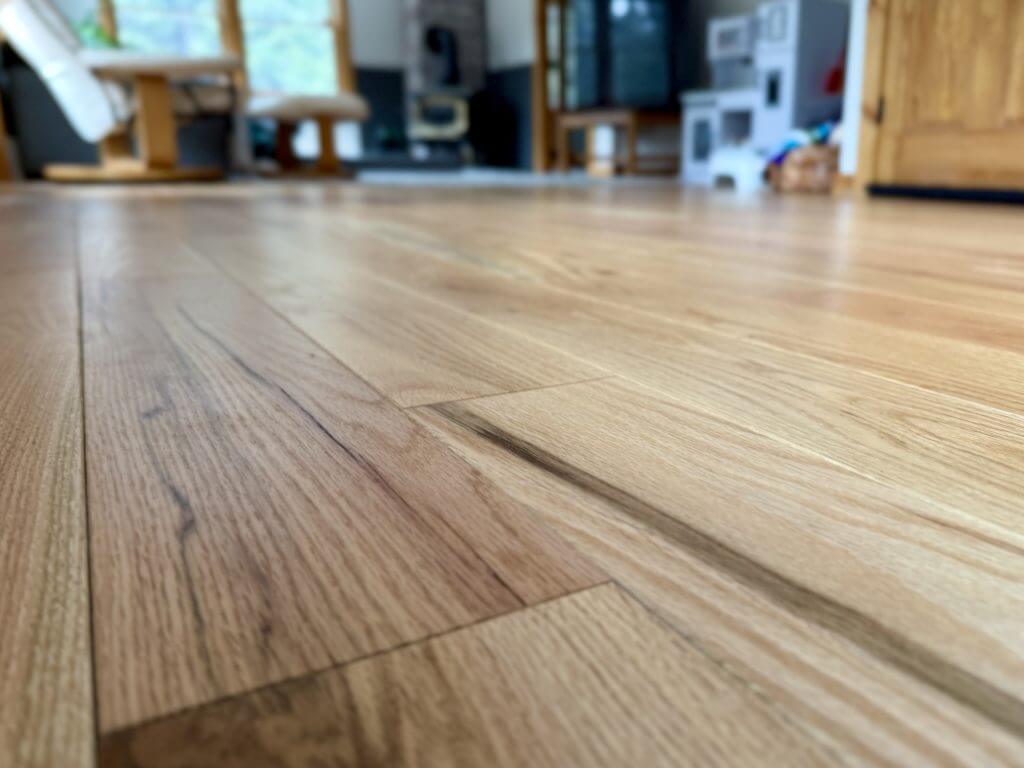
Engineered hardwood flooring is often described as the “best of both worlds” — combining the beauty of real wood with improved structural stability. Each plank is constructed with a thin layer of real hardwood (called the wear layer) bonded to multiple layers of plywood or high-density fiberboard beneath it.
These layers are stacked in alternating directions, which helps reduce expansion and contraction caused by changes in temperature and humidity. Because of this construction, engineered hardwood flooring is generally more stable than solid hardwood flooring and can perform better in areas where moisture or temperature fluctuations occur.
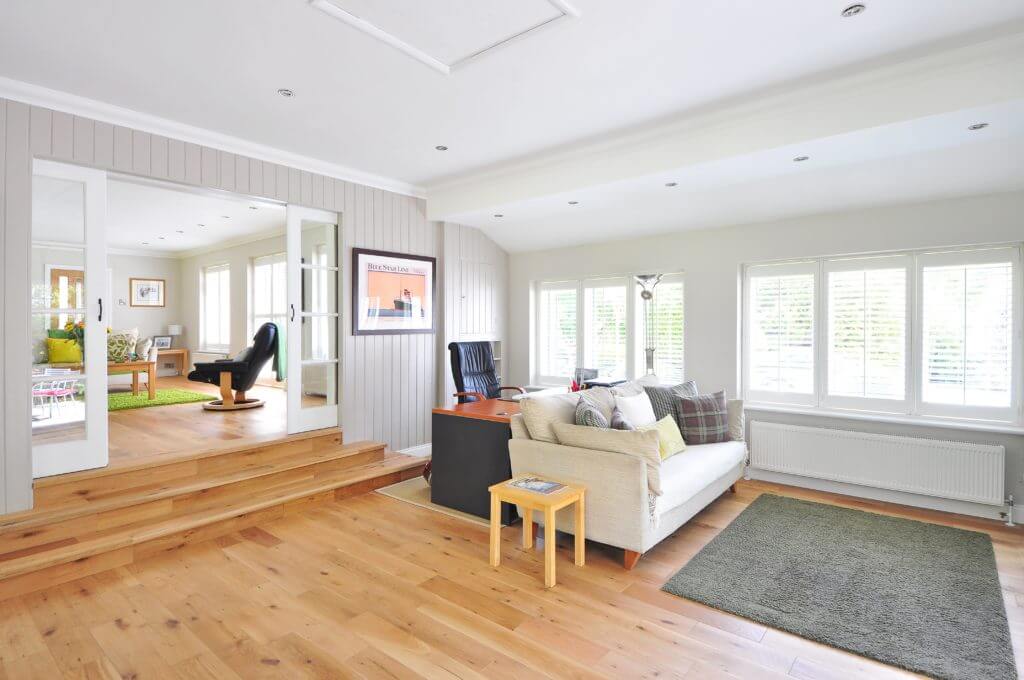
The visible surface layer is real hardwood, so once installed, engineered hardwood floors look nearly identical to solid hardwood floors. Oak, maple, hickory, and walnut are among the most common species used for the top veneer.
Engineered Hardwood Flooring Quick Facts
- Wear layer thickness: 1 mm to 6 mm
- Plank thickness: 3/8″ to 3/4″
- Plank width: 3″ to 10″
- Lifespan: 20 to 40 years
- Warranty: 10 to 30 years
- Average installed cost: $6 to $16 per square foot
Engineered Hardwood vs. Solid Hardwood: What’s the Difference?
Engineered and solid hardwood floors can look very similar once installed, but they differ in construction, performance, and long-term maintenance options. For many homeowners, engineered hardwood is the better fit in rooms where humidity changes are common, while solid hardwood may be preferred for its ability to be refinished multiple times.
- Construction: Engineered hardwood has a real-wood veneer over a layered core; solid hardwood is a single piece of wood throughout.
- Stability: Engineered hardwood is generally more dimensionally stable and less prone to cupping or warping.
- Refinishing: Solid hardwood can often be refinished multiple times; engineered hardwood may be refinished once or twice depending on wear layer thickness.
- Where it works best: Engineered hardwood can be a better choice over concrete and in below-grade spaces; solid hardwood is typically best for above-grade, climate-controlled areas.
How to Choose Quality Engineered Hardwood
Not all engineered hardwood is made the same. If you want a floor that holds up over time, focus on a few quality markers before you buy.
- Wear layer thickness: A thicker wear layer typically means better longevity and a higher chance the floor can be refinished later.
- Core construction: Multi-ply plywood cores tend to be more stable than lower-quality fiberboard cores, especially in changing humidity.
- Finish and topcoat: Factory-finished planks with durable topcoats often resist scratches and stains better than unfinished options.
- Plank locking system: Click-lock designs can simplify installation, while traditional tongue-and-groove may require glue or nails depending on the method.
- Warranty details: Compare what’s actually covered (finish wear, structural integrity, delamination) and whether the warranty is prorated.
Where to Use Engineered Hardwood Flooring
Engineered hardwood can be installed in most of the same rooms as traditional hardwood flooring, but it also performs well in areas where solid wood may struggle. Because the layered core construction improves dimensional stability, engineered hardwood can tolerate moderate moisture and temperature fluctuations better than solid wood planks.
If your home has a slab foundation or a concrete subfloor, engineered hardwood may be a practical option. Learn more about concrete flooring and subfloor options.
Where Not to Use Engineered Hardwood
Although engineered hardwood is more moisture-resistant than solid wood, it is not waterproof. Most flooring professionals recommend avoiding installation in areas with frequent standing water or excessive humidity, such as bathrooms, laundry rooms, or mudrooms that see heavy moisture exposure.
For rooms that regularly see water on the floor, homeowners often consider alternatives like tile flooring or vinyl flooring.
How Is Engineered Hardwood Installed?
Engineered hardwood flooring offers several installation options depending on the type of plank and the condition of the subfloor. Many modern products feature click-lock or tongue-and-groove edges that allow planks to connect securely during installation.
Floating Installation
Floating floors are one of the most common installation methods. Planks lock together without being attached to the subfloor, allowing the flooring to “float” above the surface. This method works well over existing flooring such as tile, vinyl, laminate, or wood if the surface is clean, stable, and level.
Glue-Down Installation
In this method, flooring adhesive is applied to the subfloor before planks are installed. Glue-down installations provide additional stability and are often used in high-traffic areas like living rooms and hallways.
Nail-Down Installation
For homes with plywood subfloors, engineered hardwood can be nailed into place using flooring nailers. This installation style is similar to traditional hardwood installation and creates a very secure floor.
Staple-Down Installation
Stapling planks to a plywood subfloor is another common installation option. Staples are driven through the tongue of each plank at an angle, securing the boards while keeping fasteners hidden once the floor is complete.
Find the Right Contractor for Your Flooring Project
Whether you’re ready to begin your project now or need some expert advice, our network of contractors are here to help. With a few simple questions, we’ll find the best local professionals for you
Labor can account for a significant portion of your total project. Learn more about typical flooring installation costs and what affects pricing.
How Long Does Engineered Hardwood Flooring Last?
With proper installation and routine care, engineered hardwood flooring typically lasts between 20 and 40 years. The lifespan largely depends on the thickness of the wear layer and the quality of the flooring product. Thicker wear layers allow for sanding and refinishing, which can extend the floor’s life.
Is Engineered Hardwood Easy to Clean?
Engineered hardwood floors are relatively easy to maintain. Regular sweeping or dust-mopping removes dirt and debris, while occasional vacuuming with a hardwood-safe setting helps keep floors clean. For deeper cleaning, use a manufacturer-approved hardwood floor cleaner and a lightly damp microfiber mop.
How Durable Is Engineered Hardwood?
Engineered hardwood flooring is designed to handle everyday household wear. Its layered core construction improves stability and reduces warping compared to solid wood. However, the surface layer is still real wood, so scratches, dents, and scuffs can occur.
To protect your flooring, use felt pads under furniture, avoid walking on floors with high heels or cleats, and wipe up spills promptly.
How Much Does Engineered Hardwood Cost?
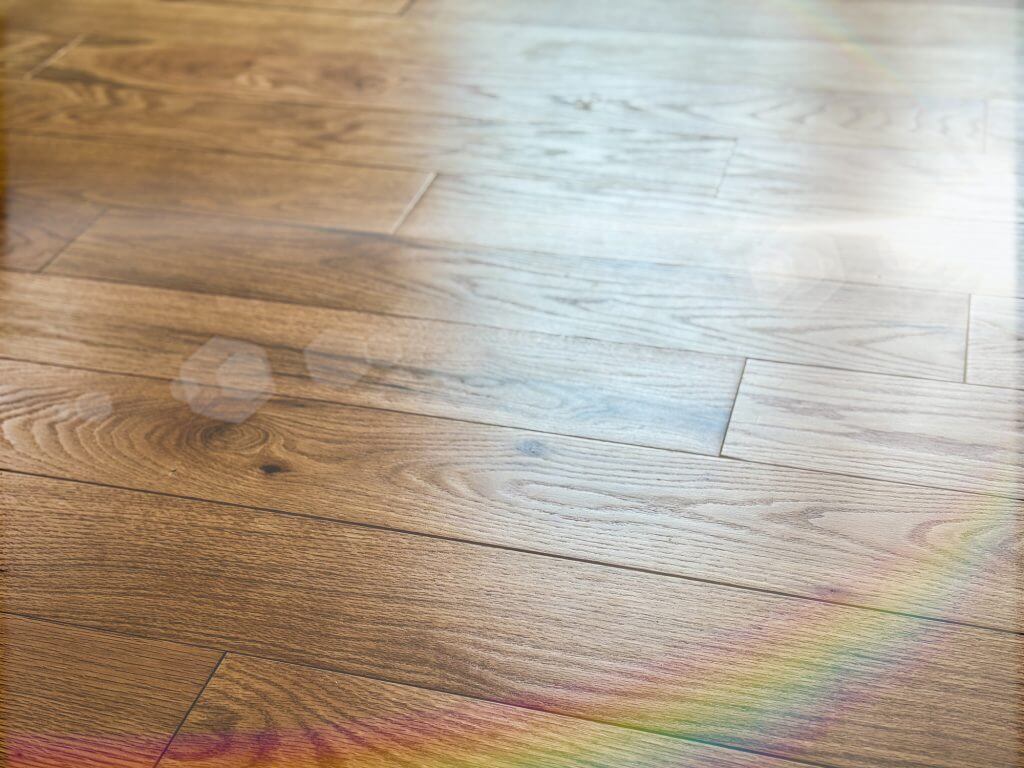
Several factors influence the price of engineered hardwood flooring, including wood species, plank thickness, wear layer depth, and plank width. Higher-quality products typically feature thicker wear layers and more durable cores.
Average installed cost: $6 to $16 per square foot
What Is Maintenance Like?
Routine cleaning helps preserve engineered hardwood floors, but over time you may want to address scratches or dullness. Depending on the thickness of the wear layer, engineered hardwood flooring may be sanded and refinished once or twice during its lifetime.
Floors with wear layers of 3 mm or thicker generally allow at least one refinishing. Always consult with a flooring professional before sanding to confirm your floor can safely be refinished.
If you’re comparing refinishing costs or planning future maintenance, see typical hardwood floor refinishing costs.
Engineered Hardwood Flooring and Resale Value
Wood flooring remains one of the most desirable features for homebuyers. According to industry surveys, more than half of homeowners already have wood flooring, and many buyers actively look for homes that include it.
Because engineered hardwood contains real wood on the surface, it delivers much of the same aesthetic appeal as solid hardwood flooring. While some buyers may still perceive solid hardwood as more premium, engineered hardwood floors can still improve a home’s appearance and marketability.
For homeowners who want the look of wood flooring with improved moisture resistance and often lower installation costs, engineered hardwood flooring offers a strong balance of style, performance, and value.
Engineered Hardwood Alternatives to Consider
If you like the look of wood but want to compare options before committing, these flooring types are commonly considered alongside engineered hardwood:
- Laminate flooring: A budget-friendly alternative that can mimic wood visuals and offers strong scratch resistance. Explore laminate flooring.
- Bamboo flooring: A renewable material with a wood-like appearance and a different grain pattern. Learn about bamboo flooring.
- Cork flooring: A softer, more cushiony material that offers comfort and sound absorption. See cork flooring.
For more guidance as you compare options and plan your project, visit our main flooring hub.
Find the Right Contractor for Your Flooring Project
Whether you’re ready to begin your project now or need some expert advice, our network of contractors are here to help. With a few simple questions, we’ll find the best local professionals for you
-
 Flooring
Pros and Cons of Different Flooring Types
Choosing the right type of flooring for your home is an important decision for both new homeowners and those preparing for a remodel or flooring upgrade. There are many different types... -
 research and planning
7 Great, Cheaper Alternatives to Hardwood Flooring
You love the look of hardwood floors, but the hefty price tag? Not so much. While the average price of a flooring project is $3,349, installing hardwood floors can be... -
 research and planning
Why Homeowners are Choosing Bamboo Floors
If you are thinking about updating the flooring in your home, bamboo may be the way to go. A 2021 survey by Modernize found that 33 percent of responding homeowners...
Reviews from Real Homeowners
Welcome to Homeowner Resources! We are the Modernize blog. Modernize pairs more than 3 million homeowners a year with pre-vetted contractors in their area. This blog started because we believe homeowners should know everything about their homes, from how their HVAC works to which front door colors they might love. On Homeowner Resources, you can find information on every part of your home, right down to how you can negotiate with contractors to get the best price. Here's more about the blog.
Need a contractor? Learn more about how Modernize finds the right pro for you.