Flooring
Engineered Wood Flooring Installation Cost
Average Cost: $2,500 – $7,000
The cost to install engineered wood flooring is typically $7 to $20 per square foot, including both materials and labor. Most homeowners spend between $2,500 and $7,000, with the average project costing around $4,750. Material prices range from $3 to $13 per square foot, depending on the veneer thickness, wood species, and grade. Labor usually adds another $3 to $8 per square foot.
Find the best flooring pros in your area.

The Modernize Mission
We help homeowners make confident decisions through our reliable, up-to-date, and unbiased information and average project costs. All of our content is thoroughly reviewed and fact-checked by our team of home improvement experts. Learn more about how we maintain these values.
Table of Contents
- What Is Engineered Wood Flooring?
- Engineered Wood Flooring Cost by Species
- Engineered Wood Flooring Installation Methods and Their Costs
- What Does Engineered Wood Flooring Labor Cost?
- Factors That Affect Engineered Wood Flooring Cost
- Engineered Wood vs. Solid Hardwood: How Do Costs Compare?
- Can You Install Engineered Wood Flooring Yourself?
- How to Save on Engineered Wood Flooring Installation
- Frequently Asked Questions
What Is Engineered Wood Flooring?
Engineered wood flooring combines a real hardwood veneer with several layers of plywood or high-density fiberboard. The top layer, called the wear layer, gives the floor the look and feel of solid wood. The layered core improves stability, so you can install engineered wood in places where solid hardwood often fails, like basements, over concrete, or above radiant heat.
The wear layer thickness is the clearest sign of quality in engineered wood flooring. Thicker veneers let you sand and refinish the floor more times, and they help the floor last longer before the surface reaches the core.
| Veneer thickness | Refinishing potential | Typical material cost |
|---|---|---|
| 1 to 2 mm (3/8″ total) | 0 to 1 times | $3 to $5 per sq. ft. |
| 2 to 3 mm (1/2″ total) | 1 to 2 times | $5 to $8 per sq. ft. |
| 3 to 6 mm (5/8″ to 3/4″ total) | 2 to 4 times | $8 to $13 per sq. ft. |
See our top picks for the best engineered hardwood flooring brands of 2026.
Engineered Wood Flooring Cost by Species
The wood species affects material cost more than any other factor. Domestic woods are easier to source and usually cost less, while exotic or imported woods cost more.
| Species | Material cost (per sq. ft.) |
|---|---|
| Red oak | $2 to $6 |
| White oak | $4 to $7 |
| Maple | $5 to $9 |
| Ash | $4 to $8 |
| Hickory | $5 to $10 |
| Walnut | $6 to $12 |
| Cherry | $7 to $13 |
| Mahogany | $6 to $8 |
These prices cover materials only. For professional installation, add $3 to $8 per square foot, depending on the method and the job’s complexity.
Engineered Wood Flooring Installation Methods and Their Costs
Your installation method has a big impact on total project cost. The three main methods are floating, glue-down, and nail- or staple-down. Each method changes labor needs, subfloor requirements, and total cost.
Floating (Click-Lock)
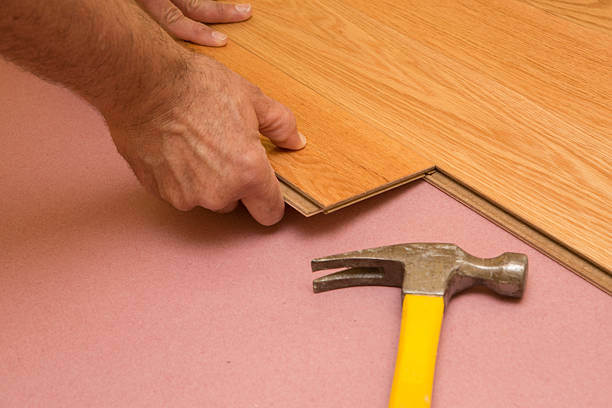
With this method, the planks click together and rest on top of the subfloor without attaching to it. You do not need glue or fasteners. Installers can usually complete this method the fastest, so labor costs are often the lowest. Floating floors also work with most subfloor types, including concrete, and they are a practical option for DIY projects.
- Labor cost: $3 to $5 per square foot
- Best for: Concrete subfloors, over radiant heat, DIY projects, rental properties
- Limitation: The floor can feel slightly hollow underfoot and produces more sound transmission than glued or nailed applications.
Glue-Down
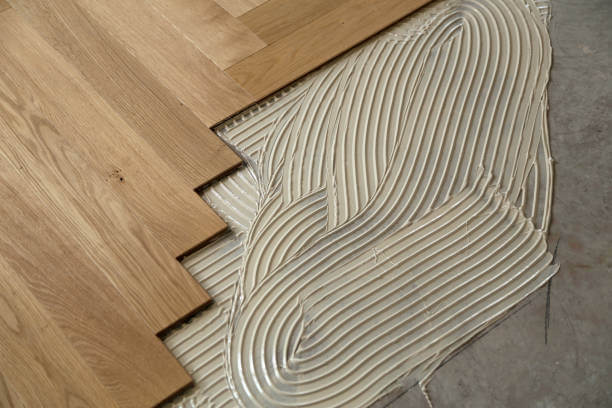
With this method, installers glue the planks directly to the subfloor with adhesive spread across the entire area. This creates a solid, quiet floor and works especially well over concrete subfloors. Because the method takes more time and materials, it costs more.
- Labor cost: $4 to $7 per square foot, plus adhesive at $0.50 to $1 per square foot
- Best for: Concrete subfloors, high-traffic areas, wide-plank installations where rigidity matters
- Limitation: More difficult to remove if the floor needs to be replaced. Adhesive fumes require ventilation.
Nail- or Staple-Down
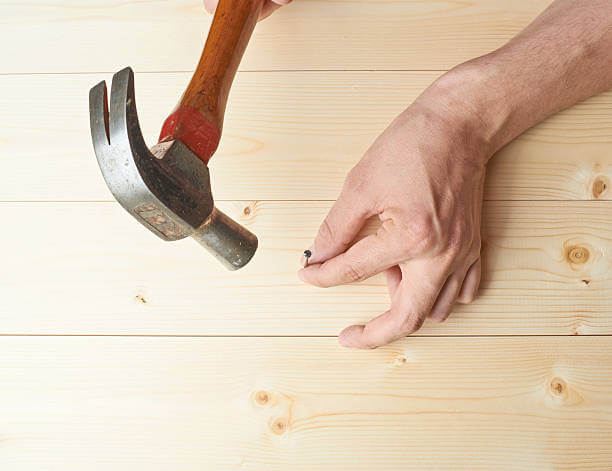
With this method, installers fasten the planks to a wood subfloor using cleats, nails, or staples driven through the tongue of each plank with a special nailer. This approach requires a wood subfloor and does not work over concrete. It creates a solid, traditional feel that closely resembles solid hardwood floors.
- Labor cost: $4 to $6 per square foot
- Best for: Wood subfloors, installations where a solid-hardwood-like feel is a priority
- Limitation: Requires a wood subfloor and is not compatible with concrete or below-grade applications.
What Does Engineered Wood Flooring Labor Cost?
On average, labor to install engineered wood flooring costs between $3 and $8 per square foot nationwide. The final price depends on the installation method, the amount of floor prep, the layout’s complexity, and local labor rates.
Beyond the per-square-foot installation rate, most projects include additional labor line items. Confirm these when you compare quotes:
- Old flooring removal and disposal: $1 to $3 per square foot. Carpet and vinyl removal usually cost less. Glued-down hardwood or ceramic tile usually costs more. Some contractors include this in the overall bid, while others price it separately.
- Subfloor preparation: $1 to $5 per square foot for leveling, patching, or adding a moisture barrier. This often creates surprise costs because you usually cannot see the subfloor’s condition until workers remove the old floor. Set aside an extra 10% to 15% of your budget for possible subfloor problems or replacement.
- Underlayment: $0.40 to $2.50 per square foot for materials. Installers often bundle this into the overall price for floating installations. Floating installations require it, and glue-down applications over concrete may also need a moisture barrier.
- Trim and transitions: $4 to $10 per linear foot for shoe molding, thresholds, and reducer strips. Many base installation quotes do not include these items.
- Stair installation: $40 to $120 per stair tread for engineered wood stair nosing and tread installation, depending on complexity.
Ask your contractor whether the quote includes removal, underlayment, trim, and subfloor preparation, or lists them separately. What the initial quote includes can change the total price significantly.
Connect with local flooring pros to get free quotes and compare prices.
Factors That Affect Engineered Wood Flooring Cost
Several project details can raise or lower the final price. When you understand these cost drivers, you can compare quotes more confidently and make smarter tradeoffs.
Veneer Thickness and Core Quality
Veneer thickness directly affects how many times you can refinish the floor and how long it will last. Thicker veneers cost more upfront, but they last longer and allow more refinishing, which adds long-term value. Core construction matters, too. Floors with more plywood layers stay more stable and resist shape changes better than floors with fewer layers or fiberboard cores.
Plank Width
Most engineered wood planks measure 3 to 5 inches wide. Wide planks, usually 6 to 12 inches, cost $5 to $18 per square foot for materials. Because you need fewer planks to cover a room, wide planks can reduce labor even though they raise material costs. However, wide planks also require a very flat, well-prepared subfloor because uneven spots show more clearly than they do with narrow planks.
Installation Layout Pattern
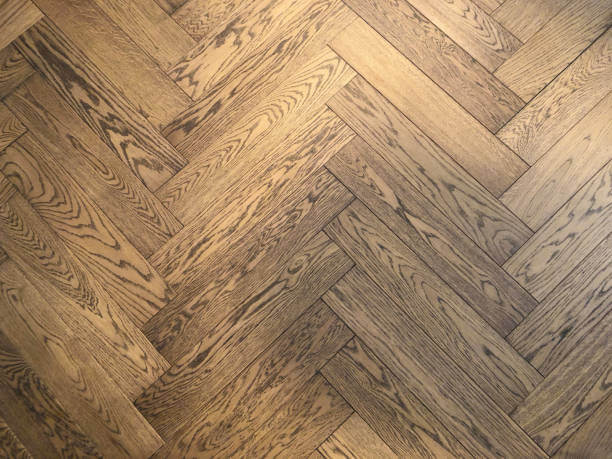
A straight installation costs the least. Diagonal layouts create about 10% more material waste. Herringbone and chevron patterns require the most labor, adding $2 to $4 per square foot in labor and 15% to 20% more material waste. If you want a patterned floor, build those extra costs into your budget.
Subfloor Type and Condition
A clean, level, dry wood subfloor gives you the lowest-cost starting point. If your home has a concrete slab, you will need a moisture barrier and usually a glue-down or floating installation. If the subfloor is uneven, workers must level or grind it before installation, which adds $1 to $5 per square foot depending on the severity. Moisture problems in a concrete slab can push costs even higher if you need repairs or specialty adhesives.
Prefinished vs. Site-Finished
Most engineered wood comes prefinished with a factory-applied coating, usually aluminum oxide. That finish is harder and more durable than most site-applied finishes, and you can use the floor right after installation. Site-finished engineered wood gives you more control over color because workers sand and finish it in your home, but that process adds two to three days and raises labor costs by several dollars per square foot.
Geographic Location
Local labor rates can shift flooring costs dramatically. In large cities or high-cost areas like California, New York, or the Pacific Northwest, rates are often 20% to 40% higher than the national average. To find a fair local price, get several quotes from installers in your area.
Engineered Wood vs. Solid Hardwood: How Do Costs Compare?
Engineered hardwood usually costs $7 to $20 per square foot installed, while solid hardwood costs $11 to $25 per square foot. It often costs less to install engineered wood because crews can install it faster, especially with floating or click-lock systems.
| Factor | Engineered wood | Solid wood |
|---|---|---|
| Material cost | $3 to $13 per sq. ft. | $5 to $15 per sq. ft. |
| Labor cost | $3 to $8 per sq. ft. | $5 to $10 per sq. ft. |
| Total installed | $7 to $20 per sq. ft. | $11 to $25 per sq. ft. |
| Refinishing cycles | 1 to 4 (veneer dependent) | 5 to 10 |
| Moisture resistance | High | Low |
| Below-grade installation | Yes | No |
| Over radiant heat | Yes | No |
| Lifespan | 20 to 40 years | 50 to 100+ years |
The price gap between engineered and solid hardwood grows on larger projects. For a 1,000-square-foot installation, the difference can reach $5,000 to $10,000 or more. If your subfloor or environment does not suit solid hardwood, such as a concrete slab, basement, humid area, or radiant heat setup, engineered wood is not only more affordable but often the only practical choice.
Can You Install Engineered Wood Flooring Yourself?
Floating click-lock engineered wood flooring is one of the more approachable DIY flooring projects for homeowners who can use basic tools. The planks snap together without glue or fasteners. You only need a tape measure, miter saw, tapping block, and pull bar. An experienced DIYer can usually install 200 to 300 square feet per day.
If you handle the work yourself, you can save $1,500 to $4,000 on a 500-square-foot project by avoiding the $3 to $8 per square foot labor cost. However, weigh these tradeoffs carefully:
- Subfloor preparation mistakes, such as poor leveling or missing moisture barriers, can cause the floor to buckle, squeak, or lose warranty coverage.
- Material waste from cutting errors usually runs higher for first-time installers than the standard 10% contingency.
- Most engineered wood product warranties require professional installation to stay valid. Confirm that before you buy.
- Glue-down and nail-down installations require much more skill and usually do not make good DIY projects.
If you want to take on a DIY project, choose a floating installation in a simple rectangular room with a clean subfloor. Leave complicated layouts, subfloor problems, and glue-down jobs over concrete to a professional.
How to Save on Engineered Wood Flooring Installation
You can lower costs in a few practical ways without sacrificing quality.
- Get three or four quotes from different contractors. Rates for the same job can vary by 20% to 40% in the same area. Comparing several quotes is the best way to avoid overpaying.
- Consider buying your own materials. Some contractors mark up materials. If you buy flooring directly from a supplier or home improvement store and provide it to your installer, you may save $0.50 to $2 per square foot. Check with your installer first to make sure they will use customer-supplied materials.
- Pick a simple installation layout. Straight layouts cost less than diagonal layouts, and both cost less than herringbone or chevron. If you want a high-end look on a budget, a wide-plank straight installation in a good domestic wood like white oak often gives you the best value.
- Try to schedule your project in the off-season. Flooring contractors usually stay busiest in spring and early summer. If you book in late fall or winter, you may get better pricing or more negotiating room, especially with smaller independent installers.
- Fix any subfloor problems before your installer arrives. Self-leveling compound and moisture barriers are not very expensive, but labor to install them adds up. If you can handle small subfloor fixes yourself, you can reduce labor costs.
Ready to start your flooring project? Get connected with local pros today.