Skip to content
Ready to start your project? Enter your ZIP to find local pros.
Please enter a valid 5 digit zip code

Double-Hung vs. Sliding Windows: Finding the Perfect Fit for Your Home

Airflow needs, available wall space and wall shape, and your budget will all help you decide between double-hung vs sliding windows.

Are you doing a Windows project?

Modernize can pair you with three to four pros in your area, so you can compare options and save time and money.

Get Started

Looking for a window type with lots of ventilation and flexibility on how much air flow you’re letting through? Then you should explore the pros and cons of double-hung vs sliding windows. Each type offers good air flow, but your choice will likely come down to window cost and the amount of wall space you have available for your new window. Here’s everything you should consider.

Must-Knows for Double-Hung Windows

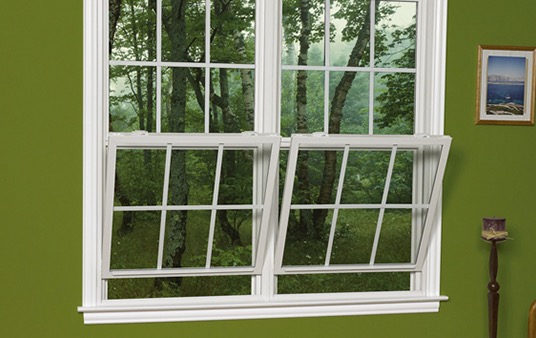
Double-hung windows consist of two sashes that move up and down within the frame. This traditional window style is the most popular window type across the United States.
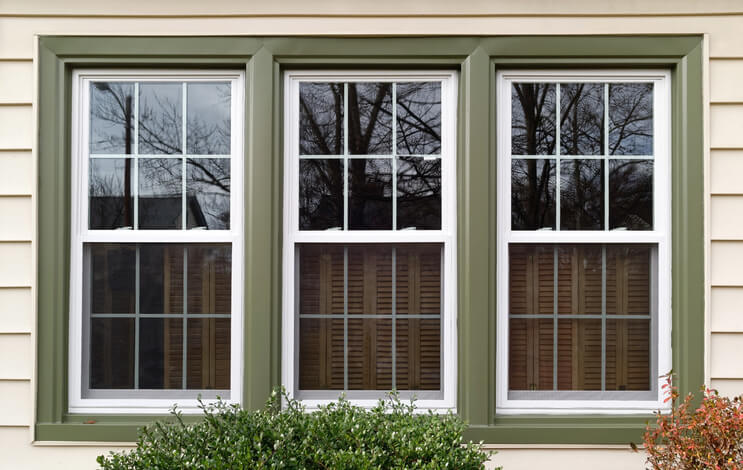
Line of three double-hung windows as seen on a home's exterior

Pros

  • Versatile ventilation
  • Easy to clean
  • Timeless look

Cons

  • Not as energy efficient as other window types
  • Typically requires more maintenance

Since both the upper and lower sashes of a double-hung window can be moved, you get a lot of control over how much air you want flowing into your home. Many types of double-hung windows also tilt in for easy cleaning.

However, all those moving parts add up to a less energy-efficient window. Since they move in so many different ways, there are then many spots for conditioned air to leak out or for the outside temperatures to find their way in.

Must-Knows for Sliding Windows

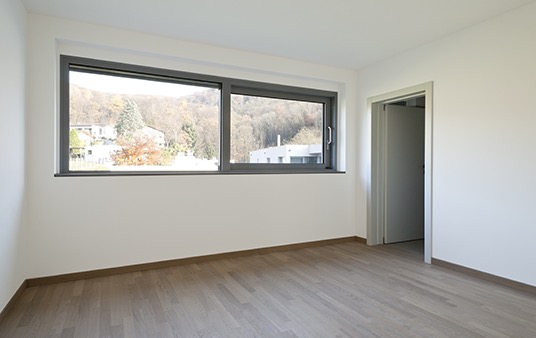
Sliding windows also allow for good ventilation, but typically don’t allow for the same level of control over just how much airflow you want.
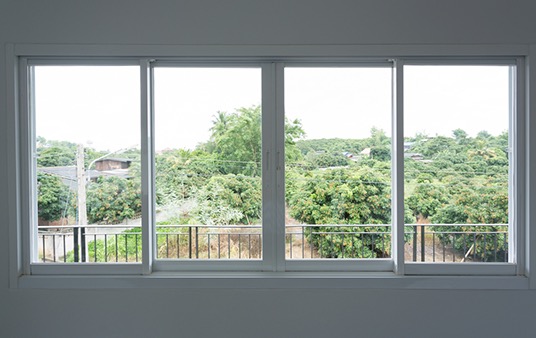
Large sliding window inside a home with a view of trees

Pros

  • Less maintenance
  • More energy efficient
  • Tons of sizes to choose from

Cons

  • More difficult to clean
  • Not as much control over amount of air flow

Since they have fewer moving parts, sliding windows tend to be more energy efficient than double-hung, and they also don’t have as many parts that can break down and require repair.

Some modern sliding windows will have two moving sashes, just like a double-hung window. However, single sash sliding horizontal windows are more common as well as less-expensive. With just one sash that slides open, you don’t have the kind of precise control over your airflow as you do with a double-hung window.

Double-Hung vs Sliding Windows: How to Choose

Your choice between a double-hung vs sliding window should come down to how energy efficient you need your window to be and how much wall space you have available. Here’s a look at their pros and cons side-by-side to help you make a final decision.

As a general rule, you should choose:

  • Double-hung if you have taller walls and are on a tighter budget.
  • Sliding if you have wider walls or shorter walls.

If you are curious what these windows would cost to install in your own home, the best way to find out is to get quotes. You can browse our window contractor directory, or you can ask Modernize to do the research for you by clicking the button below.

Find the Right Contractor for Your Windows Project

Whether you’re ready to begin your project now or need some expert advice, our network of contractors are here to help. With a few simple questions, we’ll find the best local professionals for you

Recommended Articles

Mother and daughter painting a wall together

Other Home Projects

Affordable Home Upgrades

We’ve all had that moment walking into a room thinking, “It’s fine, but…” Sometimes it’s dated hardware. Sometimes it’s lighting. Sometimes it’s just that nothing feels fresh anymore. Here’s the good news. You do not need a full renovation to fix it, and you do not need to tackle everything at once. The smarter approach…

Technician with clipboard looking at air conditioner for manual j calculation

HVAC

A Complete Manual J Guide

Manual J Load Calculations: The Essential Guide to Sizing a Home HVAC System Correctly When a homeowner needs a new HVAC system, one of the most important — yet least understood — steps in the process is the Manual J load calculation. While many contractors still rely on outdated rules of thumb, the reality is…

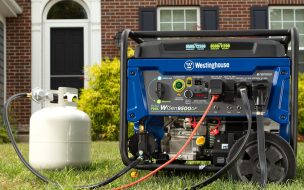
Dual-fuel portable generator connected to a propane tank

Generators

15 Practical Ways Homeowners Can Use a Generator

More Than Just Backup Power When people think about generators, they often picture them humming away during a blackout. While that is their most common role, generators are surprisingly versatile. From protecting your home during emergencies to powering up backyard celebrations, they can provide reliable electricity in many situations that would otherwise cause major inconvenience.…

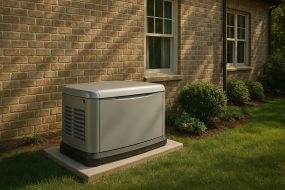
Standby generator installed outside a brick home

Generators

The Real Costs and Benefits of Installing a Whole-House Generator

Why Homeowners Consider Whole-House Generators A whole-house generator is more than just a convenience — for many homeowners, it’s peace of mind. Unlike portable units, these generators are permanently installed, connect directly to your home’s electrical system, and automatically kick on when the power goes out. But they’re also a significant investment. Understanding the full…

Reviews from Real Homeowners

About Us

Welcome to Homeowner Resources! We are the Modernize blog. Modernize pairs more than 3 million homeowners a year with pre-vetted contractors in their area. This blog started because we believe homeowners should know everything about their homes, from how their HVAC works to which front door colors they might love. On Homeowner Resources, you can find information on every part of your home, right down to how you can negotiate with contractors to get the best price. Here's more about the blog.

Need a contractor? Learn more about how Modernize finds the right pro for you.