HVAC
Heat Pumps vs. Mini-Splits: Which HVAC System Is Right for Your Home?
Heat pumps and mini-splits both offer efficient heating and cooling, but the best choice depends on your home’s layout and existing infrastructure. Ducted heat pumps are well suited for whole-home comfort in houses with existing ductwork, while mini-splits provide flexible, zoned temperature control without ducts. By comparing costs, efficiency, installation requirements, and long-term maintenance, homeowners can choose the system that delivers the best comfort and value for their space.
Find the best hvac pros in your area.

The Modernize Mission
We help homeowners make confident decisions through our reliable, up-to-date, and unbiased information and average project costs. All of our content is thoroughly reviewed and fact-checked by our team of home improvement experts. Learn more about how we maintain these values.
Table of Contents
Heat Pumps vs. Mini-Splits: Key Differences Explained
If you’re replacing your heating and cooling system, you’ve likely narrowed your search to two energy-efficient options: heat pumps vs. mini-splits. While they’re often discussed as competitors, they’re more closely related than many homeowners realize, and choosing between them comes down to ductwork, layout, climate, and budget.
This guide breaks down how heat pumps and mini-splits work, their pros and cons, average costs, and which system makes the most sense for different homes.
Heat Pumps vs. Mini-Splits: Key Differences at a Glance
| Feature | Heat Pump | Mini-Split |
| System type | Ducted | Ductless (type of heat pump) |
| Heating and cooling | Yes | Yes |
| Uses ductwork | Yes | No |
| Zoned control | Limited | Yes |
| Best for | Whole-home comfort | Targeted or room-by-room comfort |
| Average installed cost | $4,300 to $8,000 | $2,000 to $14,500 |
Important note: Mini-splits are technically ductless heat pumps. When homeowners compare “heat pumps vs. mini-splits,” they’re really comparing ducted heat pumps vs. ductless systems.
What Is a Mini-Split System?
Mini-splits are ductless heating and cooling systems made up of an outdoor compressor and one or more indoor air-handling units. Each indoor unit delivers air directly into a specific room or zone and is controlled independently.
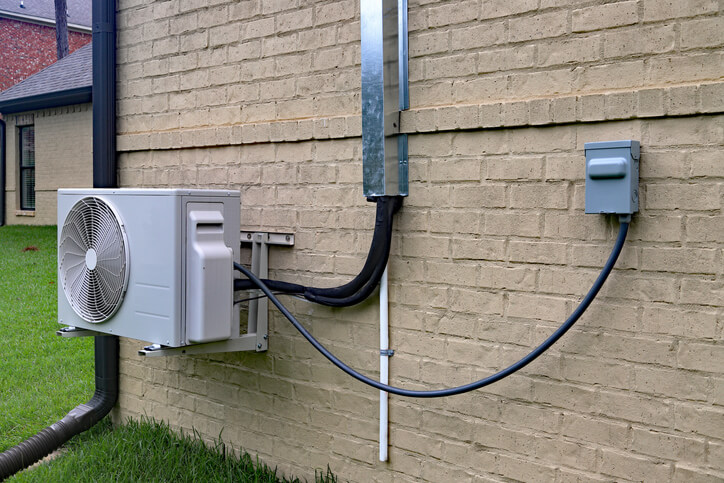
Because they don’t rely on ductwork, mini-splits are commonly used in older homes, additions, converted spaces, or anywhere installing ducts would be difficult or expensive.
Pros of Mini-Splits
- No ductwork required
- Excellent energy efficiency
- Zoned temperature control by room
- Quiet indoor and outdoor operation
- Flexible installation options
Cons of Mini-Splits
- Higher upfront cost for whole-home coverage
- Visible indoor wall or ceiling units
- Requires professional installation
- Filters in each unit need frequent cleaning
Best For
- Homes without existing ductwork
- Room additions or garage conversions
- Multi-family homes or finished basements
- Households with different comfort preferences by room
Mini-Split Cost Information
| System Type | Average Installed Cost |
| Single-zone system | $2,000 to $5,000 |
| Multi-zone system | $6,000 to $14,500 |
Costs increase with the number of indoor units and total square footage.
What Is a Heat Pump?
A traditional heat pump is a ducted system that provides both heating and cooling by transferring heat rather than generating it. In summer, it moves heat out of your home. In winter, it pulls heat from outdoor air and brings it inside. It can still work in cold weather, though efficiency drops as temperatures fall.
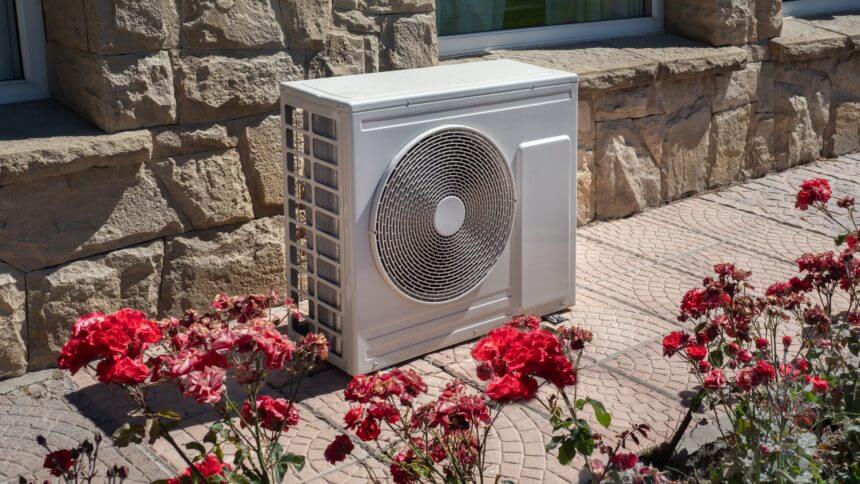
Heat pumps distribute air through ductwork, making them a natural replacement for homes with existing central HVAC systems.
Pros of Heat Pumps
- One system for heating and cooling
- Lower operating costs than furnaces or baseboard heat
- Compatible with existing ductwork
- No on-site combustion or direct emissions
- Even, whole-home temperature control
Cons of Heat Pumps
- Requires ductwork
- Less efficient in extremely cold climates unless cold-climate rated
- Higher upfront cost than some traditional systems
- Performance depends heavily on proper sizing and insulation
Best For
- Homes with existing ductwork
- Mild to moderate climates
- Replacing both an AC unit and furnace
- Homeowners prioritizing whole-home comfort
Heat Pump Cost Information
| Heat Pump Size | Home Size | Average Installed Cost |
| 2-ton | About 1,000 sq. ft. | $3,500 to $5,500 |
| 4-ton | About 3,000 sq. ft. | $4,000 to $7,300 |
| Average total | — | $4,300 to $8,000 |
Repair costs for heat pumps and mini-splits are generally similar, averaging $150 to $650 per repair, though mini-split repairs can run higher if specialized parts or brand-specific technicians are required.
Heat Pump vs. Mini-Splits: Head-to-Head Comparison
Which system comes out on top? Here’s how they compare across common decision factors.
| Category | Winner | Why |
| Appearance | Heat pump | Uses vents instead of visible indoor units |
| Zoning and customization | Mini-split | Individual room temperature control |
| Installation complexity | Mini-split | No ductwork required |
| Price for whole-home use | Heat pump | More cost-effective with existing ducts |
| Maintenance | Heat pump | Fewer filters and less hands-on upkeep |
| Repairs and service availability | Heat pump | More common systems and easier parts access |
| Energy efficiency | Tie | Depends on home layout and usage |
| Lifespan and durability | Tie | Both last 10 to 15 years with maintenance |
| Resale value | Heat pump | Appeals to a wider range of buyers |
Which System Is the Better Choice?
There’s no universal winner. The best system depends on your home.
Choose a mini-split if:
- Your home doesn’t have ductwork
- You’re conditioning specific rooms or additions
- Zoned temperature control matters most
- You want maximum efficiency in smaller spaces
Choose a heat pump if:
- Your home already has ducts
- You want whole-home heating and cooling
- You’re replacing both an AC unit and furnace
- A clean, low-profile appearance matters
Bottom Line
Mini-splits and heat pumps share the same energy-efficient technology, but they serve different needs. Mini-splits excel in flexibility and zoning, while ducted heat pumps shine in whole-home comfort and long-term value. The right choice comes down to how your home is built, how you use your space, and how much customization you want.