HVAC
Dual-Fuel Heat Pumps (Hybrid Heat Pumps): Cost, Pros, and Best Uses
Average Cost: $10,000 – $20,000
A dual-fuel heat pump (also called a hybrid heat pump or a gas furnace and heat pump system) pairs an electric heat pump with a gas furnace, then automatically switches between them based on outdoor temperature and efficiency. Average U.S. cost: about $15,000 installed, with many projects landing in a typical middle range of roughly $10,000 to $20,000 (with higher-end installs running above that when ductwork, electrical, or equipment upgrades are needed).
Find the best HVAC pros in your area.

The Modernize Mission
We help homeowners make confident decisions through our reliable, up-to-date, and unbiased information and average project costs. All of our content is thoroughly reviewed and fact-checked by our team of home improvement experts. Learn more about how we maintain these values.
Table of Contents
- What Are Dual-Fuel Heat Pumps?
- How Do They Work?
- What's Their Lifespan?
- Dual-Fuel Heat Pump Cost
- Cost vs. Other Heat Pump Types
- Cost to Repair
- Ways to Save on Heat Pump Costs
- Types of Dual Fuel Heat Pumps
- Pros and Cons of Dual-Fuel Systems
- Who Needs a Dual-Fuel Heat Pump?
- Best Dual-Fuel Heat Pump System
- Is a Dual Fuel Heat Pump Right for Me?
What Are Dual-Fuel Heat Pumps?
A dual-fuel heat pump system uses two heat sources: the heat pump handles milder weather efficiently, while the gas furnace takes over when temperatures drop and the heat pump becomes less cost-effective. In this guide, you’ll learn how hybrid systems work, what they cost, how they compare to other heat pump types, what repairs cost, and how to decide if dual-fuel is right for your home.
If you want a quick refresher on how standard heat pumps operate first, this explainer is a helpful baseline: How do heat pumps work?
How Do They Work?
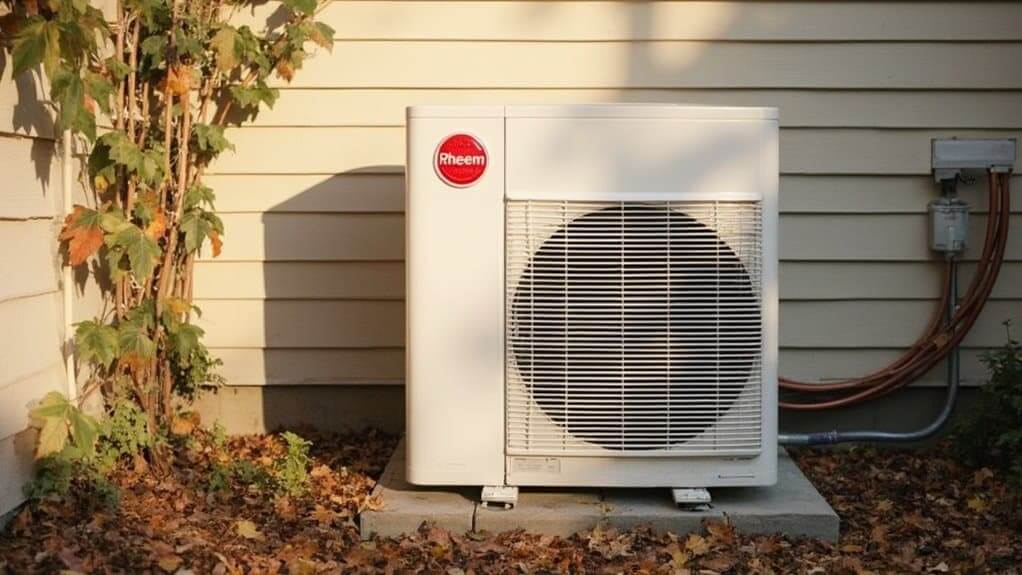
A dual-fuel system is basically a smart pairing:
- Heat Pump Mode (Electric): Runs first in moderate temperatures to heat (and cool) your home efficiently.
- Furnace Mode (Gas): Kicks in when it’s cold enough that the heat pump would run longer, struggle to keep up, or cost more to operate.
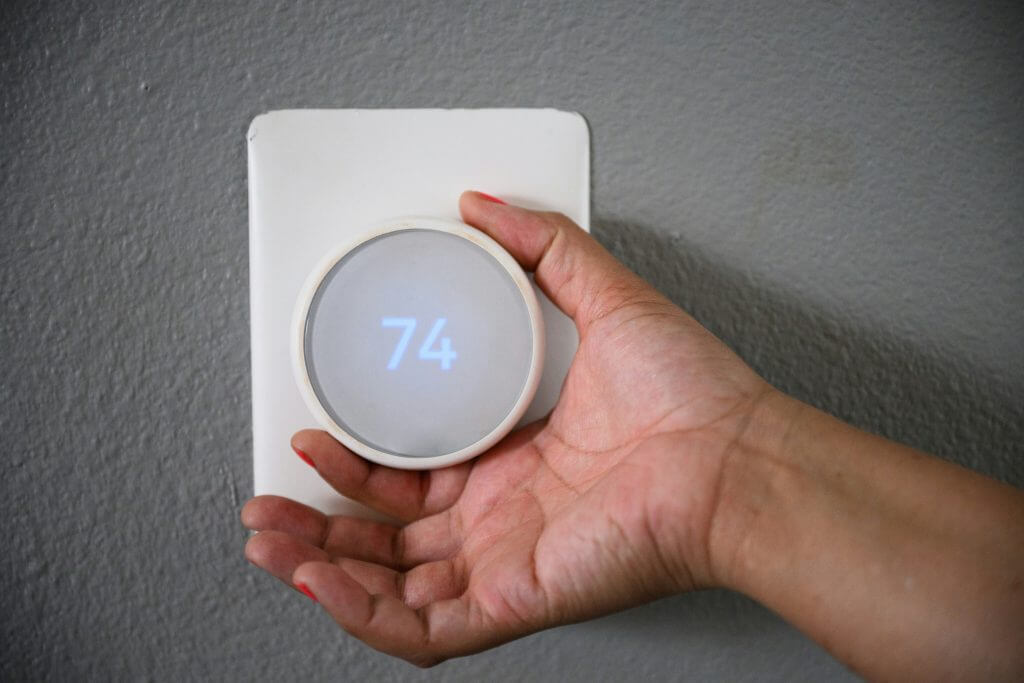
- Controls Decide the Switch: The thermostat or control board uses a “changeover” temperature (set by your installer) to choose the most efficient option.
You’ll see this described as a “hybrid” system because it blends electric efficiency with gas reliability in colder snaps.
What’s Their Lifespan?
Most dual-fuel systems last about 15 to 20 years with proper installation and routine maintenance. That said, real-world lifespan depends on:
- How often the system runs (climate + usage).
- Maintenance habits (filter changes, yearly tune-ups).
- Whether the equipment was sized correctly for the home.
If your current system is older, it can help to know the common signs you need a new HVAC system before deciding whether to repair, retrofit, or replace.
Dual-Fuel Heat Pump Cost
Average installed cost: about $15,000 (typical projects commonly fall between $10,000 to $20,000).
You can pay less if your ducts, electrical, and gas line are already in good shape. You’ll pay more when your project includes duct repairs, electrical upgrades, new thermostat or controls, or higher-efficiency equipment.
Typical Cost Breakdown
| Cost area | What it covers | Typical share of total |
|---|---|---|
| Equipment | Heat pump + gas furnace + coil or air handler components + thermostat or controls | Larger share |
| Labor | Removal, install, startup, refrigerant work, combustion checks, testing | Meaningful share |
| Upgrades | Ductwork fixes, electrical, gas line work, condensate drainage | Varies |
One quick note on incentives: tax rules and programs change. If you’re planning around credits or rebates, confirm with the IRS what’s currently available before you buy.
Cost vs. Other Heat Pump Types
Dual-fuel is often priced above a basic air-source setup because you’re paying for two systems working together. If you’re weighing alternatives for cold-climate heat pumps, start with how standard air-source heat pumps stack up on cost and performance. If you’re working with tight spaces or want room-by-room control, ductless heat pumps can make more sense. For higher upfront cost but strong efficiency, take a look at geothermal heat pumps.
Cost to Repair
Because dual-fuel systems have more components, heat pump repair costs can span both “heat pump style” fixes (refrigerant, defrost control, sensors) and “furnace style” fixes (igniter, flame sensor, gas valve). A good homeowner move is to price repairs with the same mindset you’d use for any heat pump issue, then factor in the furnace side if that’s where the failure is.
As a general benchmark, typical heat pump repair costs often land in the hundreds for minor issues, with major component failures (like compressors) running much higher.


Ways to Save on Heat Pump Costs
Dual-fuel can be a big ticket upgrade, so saving usually comes down to controlling scope and shopping smart.
- Get 3 to 4 quotes. You’re not just comparing price, you’re comparing equipment matchups, changeover settings, warranty terms, and install quality.
- Ask what’s included. Confirm thermostat or controls, permits, startup testing, and haul-away.
- Right-size the equipment. Oversized systems cost more upfront and can create comfort issues, ensure you get the right-sized system for your home.
- Fix duct leaks first. A leaky duct system wastes the efficiency you’re paying for.
- Use manufacturer warranties wisely. If parts are under warranty, you may only pay labor.
- Watch timing. Shoulder seasons (spring and fall) can be less hectic for contractors.
Some programs have shifted over time, so treat any “credit is available” claim as something to verify. The IRS page is your best starting point.
Types of Dual Fuel Heat Pumps
Most homeowners will see dual-fuel described more by configuration than by a long list of “types.” Here are the common ways it shows up in real installs.
Split-System Dual Fuel
This is the classic setup: an outdoor heat pump plus an indoor gas furnace and coil. It’s common in homes with existing ductwork and a conventional furnace footprint.
Packaged Dual Fuel
Some systems combine components in a more consolidated design. These are more common in certain regions and specific home layouts, but they’re less universal than split systems.
Pros and Cons of Dual-Fuel Systems
Advantages
- Lower operating cost in mixed climates where winters swing between mild and cold.
- Strong cold-weather backup when the heat pump would run long cycles.
- Comfort consistency in colder snaps, especially in drafty or older homes.
- Potentially lower wear on the heat pump if the furnace takes the harshest days.
Disadvantages
- Higher upfront cost than a single-fuel heat pump.
- More components to maintain (heat pump + gas furnace).
- Install quality matters even more because controls and changeover settings need to be dialed in.
- Not always the best fit if you don’t have gas service or you’re aiming to fully electrify.
Who Needs a Dual-Fuel Heat Pump?
Dual-fuel tends to shine when you have:
- Cold winters with frequent temperature swings (not just consistently mild).
- Existing natural gas service and a furnace that’s due for replacement soon.
- A larger home where performance and recovery time matter.
- A priority on comfort during cold snaps without fully abandoning heat pump efficiency.
You may want to avoid dual-fuel if:
- You’re fully electrifying the home.
- You don’t have gas available (or don’t want a gas appliance).
- Your climate is so mild that a standard heat pump is plenty.
Best Dual-Fuel Heat Pump System
The “best” is usually less about a logo and more about matching equipment to climate plus install quality. It can still help to compare reputable manufacturers, including the best heat pump brands that tend to be reliable across climates.
Quick checklist for choosing a system
- AHRI-matched heat pump and furnace pairing
- Strong warranty (and clear labor coverage terms)
- Installer who will set and explain the changeover temperature
- Proven cold-weather performance if you live in a colder region
Is a Dual Fuel Heat Pump Right for Me?
A dual-fuel heat pump is often a smart choice if you want heat pump efficiency most of the year with gas reliability when it’s truly cold. If you’re in a mixed climate, already have gas, and your furnace is aging out, the upgrade can feel practical rather than fancy.
If you want help comparing system options and pricing, Modernize can connect you with local HVAC pros so you can get accurate quotes and pick a setup that fits your home, climate, and budget.