HVAC
Heat Pump vs. Furnace
On this page
- What is a heat pump?
- What is a furnace?
- Which is right for me?
Find the best hvac pros in your area.

The Modernize Mission
We help homeowners make confident decisions through our reliable, up-to-date, and unbiased information and average project costs. All of our content is thoroughly reviewed and fact-checked by our team of home improvement experts. Learn more about how we maintain these values.
Table of Contents
- How to Choose: Heat Pump vs. Furnace
- What Is a Heat Pump?
- What Is a Furnace?
- Heat Pump vs. Gas Furnace
- Heat Pump vs. Furnace: Life Expectancy
- Packaged Systems: Heat Pump/Furnace Combos
- Heat Pump vs. Furnace: Which Is Right for Me?
- Heat Pump vs. Furnace: Frequently Asked Questions
- Next Steps: Choosing the Right Heating System for Your Home
How to Choose: Heat Pump vs. Furnace
Choosing between a heat pump and a furnace is a major decision that affects your home’s comfort, energy efficiency, and long-term costs. Furnaces have long been the standard heating solution in colder climates, while heat pumps are growing in popularity thanks to their ability to provide both heating and cooling with high efficiency. This guide compares heat pumps and furnaces by cost, efficiency, maintenance, and lifespan to help you decide which system best fits your home and budget.
| Feature | Heat Pump | Furnace |
|---|---|---|
| Primary Function | Heats and cools using electricity | Heats only using gas, propane, oil, or electricity |
| Best Climate | Mild to moderate winters | Cold and very cold climates |
| Upfront Cost | Higher initial cost | Lower upfront cost (gas models) |
| Operating Costs | Lower in mild climates | Lower in very cold climates |
| Energy Efficiency | Very high (moves heat rather than creating it) | Moderate to high (depends on AFUE rating) |
| Lifespan | 15 to 20 years | 20 to 30 years |
| Maintenance | Yearly service recommended | Yearly service recommended |
| Environmental Impact | Lower emissions, no combustion | Higher emissions for gas and oil models |
| Cooling Included | Yes | No (requires separate AC system) |
| Backup Heat Needed | Sometimes in cold climates | Not typically required |
| Ideal Homeowner | Wants one system for heating and cooling | Wants powerful, reliable heat in winter |
What Is a Heat Pump?
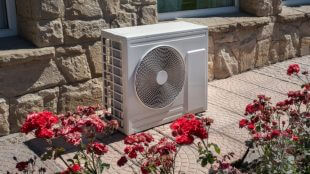
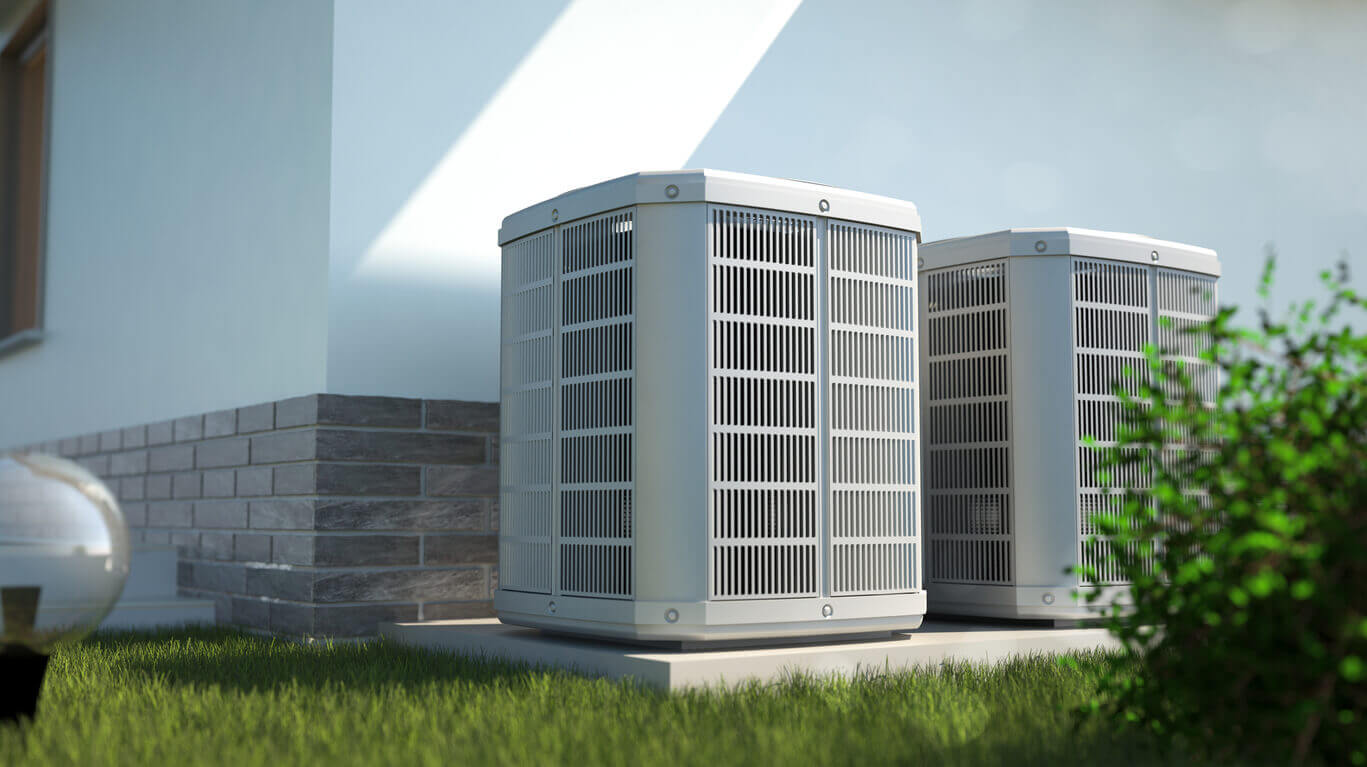
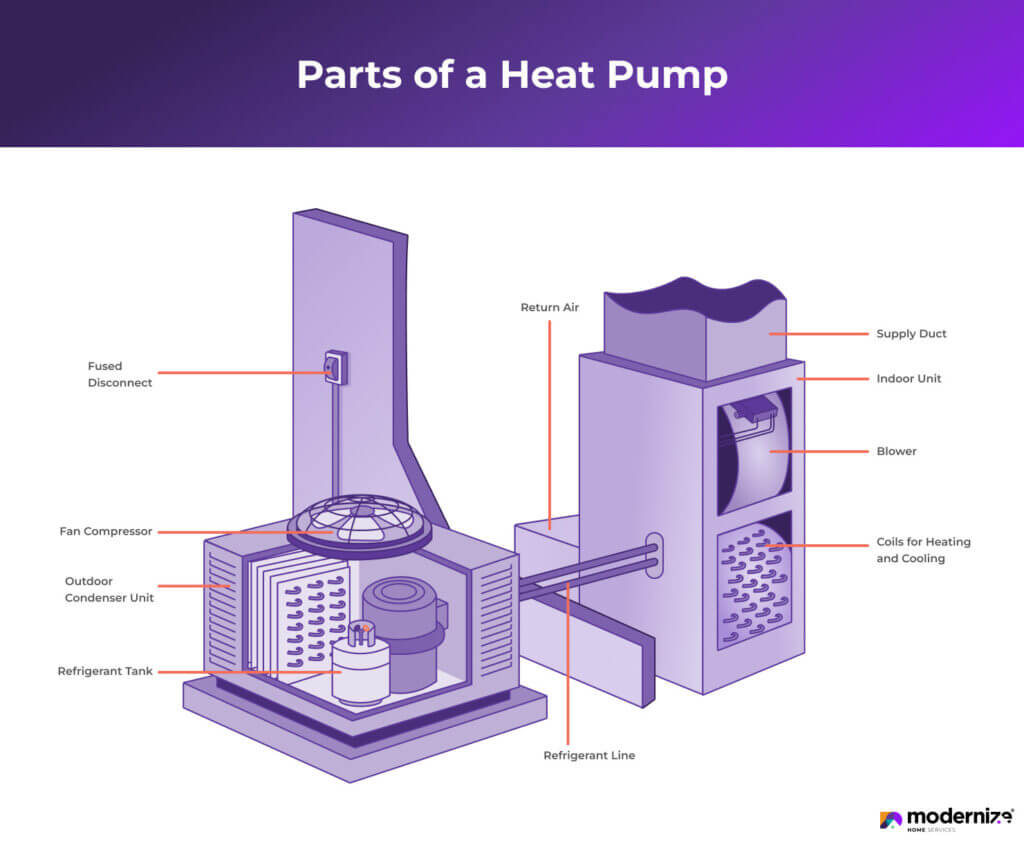
A heat pump is an HVAC system that transfers heat rather than generating it. In winter, it pulls heat from the outdoor air, ground, or water and moves it inside. In summer, the process reverses, removing heat from your home to provide cooling.
There are three main types of heat pumps, each suited to different homes and climates:
- Ductless Heat Pumps: Ideal for older homes or homes without existing ductwork. These systems heat and cool individual rooms or zones.
- Ducted Heat Pumps: Designed to work with existing ductwork, making them a good option for newer homes or those already equipped with ducts.
- Geothermal Heat Pumps: Use stable underground temperatures to heat and cool a home. These systems perform well in very cold climates but come with higher upfront costs.
See also: Air Source Heat Pump
What Is a Furnace?
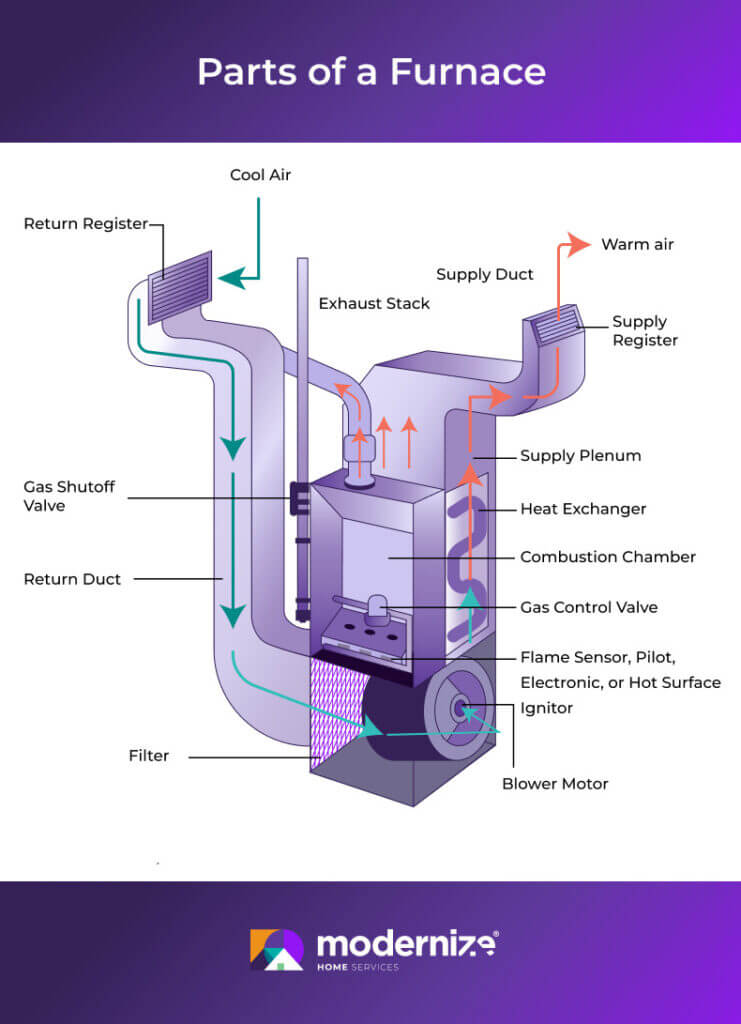
A furnace is a heating-only system that produces heat by burning fuel or using electricity. The system heats air through combustion or electric resistance, then distributes that warm air throughout the home using ductwork and a blower fan.
Gas and propane furnaces rely on a heat exchanger to safely transfer heat from combustion into the air. Electric furnaces operate similarly but use electric heating elements instead of fuel combustion.
Heat Pump vs. Gas Furnace
Comparing a heat pump directly to a gas furnace highlights some of the biggest differences homeowners consider when choosing a heating system.
- Cost: Heat pumps typically cost between $2,500 to $10,000 installed, while gas furnaces range from about $2,800 to $6,800.
- Energy Efficiency: Heat pumps can reach efficiency levels of 200% to 300% because they move heat rather than create it. Gas furnaces are rated by AFUE, usually ranging from 80% to 98%.
- Maintenance: Both systems require annual maintenance. Heat pumps need filter changes, coil cleaning, and refrigerant checks, while furnaces require inspections of burners, ignition systems, and blowers.
- Cooling Capability: Heat pumps provide both heating and cooling. Furnaces require a separate air conditioner for cooling.
Heat Pump vs. Furnace: Life Expectancy
Lifespan is another key factor when choosing between these systems. Heat pumps typically last 15 years or more, while furnaces often last 20 years or longer. Because heat pumps operate year-round for both heating and cooling, they tend to experience more wear over time, which can slightly shorten their lifespan compared to furnaces.
Packaged Systems: Heat Pump/Furnace Combos
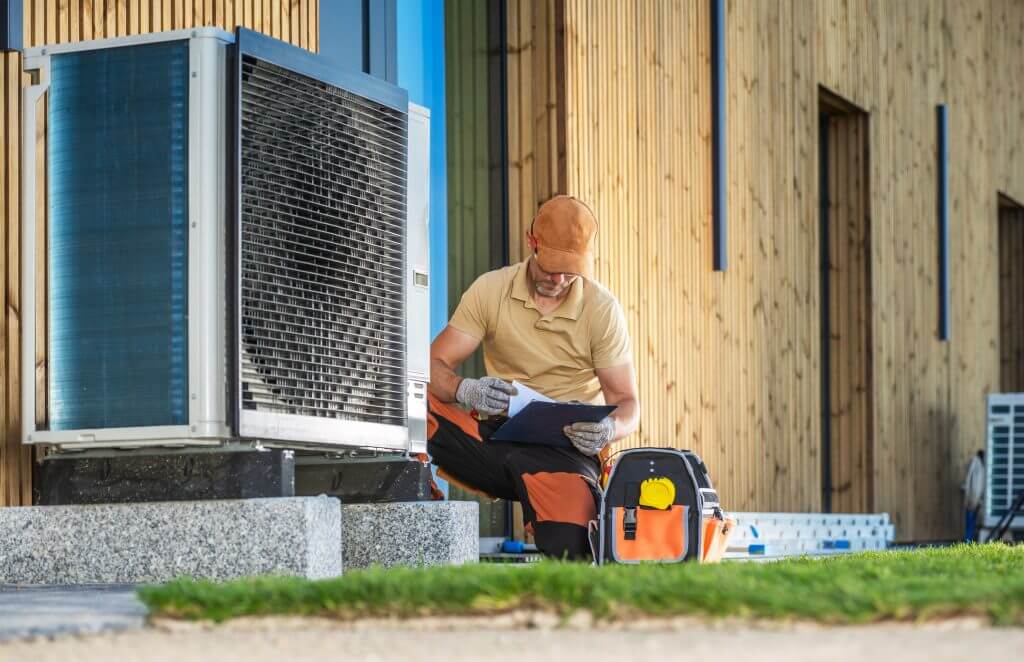
In colder climates, some homeowners choose a dual-fuel or packaged system that pairs a heat pump with a furnace. These systems automatically switch between the two based on outdoor temperatures.
The heat pump handles heating during mild and moderate weather, while the furnace takes over during extreme cold. This setup can improve efficiency and comfort, but homeowners should carefully weigh the added cost of maintaining two systems against alternatives like cold-climate heat pumps or high-efficiency furnaces.
Heat Pump vs. Furnace: Which Is Right for Me?
The best choice depends on your climate, energy costs, and comfort priorities. Heat pumps are an excellent option in mild to moderate climates and for homeowners who want one system for both heating and cooling. Furnaces remain a strong choice in regions with long, harsh winters where consistent high heat output is critical.
Evaluating your local climate, utility rates, and long-term goals will help determine which system makes the most sense for your home.
Heat Pump vs. Furnace: Frequently Asked Questions
Are heat pumps worth it in cold climates?
Yes, modern cold-climate heat pumps can work efficiently in low temperatures, but homes in extremely cold regions may benefit from a backup heat source or a dual-fuel system.
Can a heat pump replace a furnace?
In many homes, yes. A heat pump can fully replace a furnace, especially in moderate climates. In colder regions, some homeowners choose to keep a furnace as a backup.
How cold is too cold for a heat pump to work?
Standard heat pumps begin losing efficiency below freezing, but cold-climate models can operate effectively at temperatures well below 0°F.
Should I switch from a furnace to a heat pump?
Switching may make sense if you want lower operating costs, reduced emissions, and built-in cooling. Climate, electricity costs, and available incentives should all factor into the decision.
Next Steps: Choosing the Right Heating System for Your Home
Choosing between a heat pump and a furnace ultimately comes down to your climate, energy costs, home layout, and long-term efficiency goals. Heat pumps offer year-round heating and cooling with lower operating costs in mild to moderate climates, while furnaces remain a reliable option for consistent warmth in areas with harsh winters.
If you’re still not sure which system is best for your home, we recommend speaking with a licensed HVAC professional. A contractor can evaluate your home’s size, insulation, ductwork, and local energy rates to recommend the most cost-effective and comfortable solution.
Modernize can help you compare options and connect with trusted local HVAC contractors. Get multiple quotes, explore high-efficiency systems, and choose a heating solution that fits your budget, comfort needs, and long-term plans.