Sunrooms & Patios
What Is a Sunroom? Uses, Pros, and Cons
On this page
- What a sunroom is
- How they differ from porches
- What they’re used for
- Pros and cons
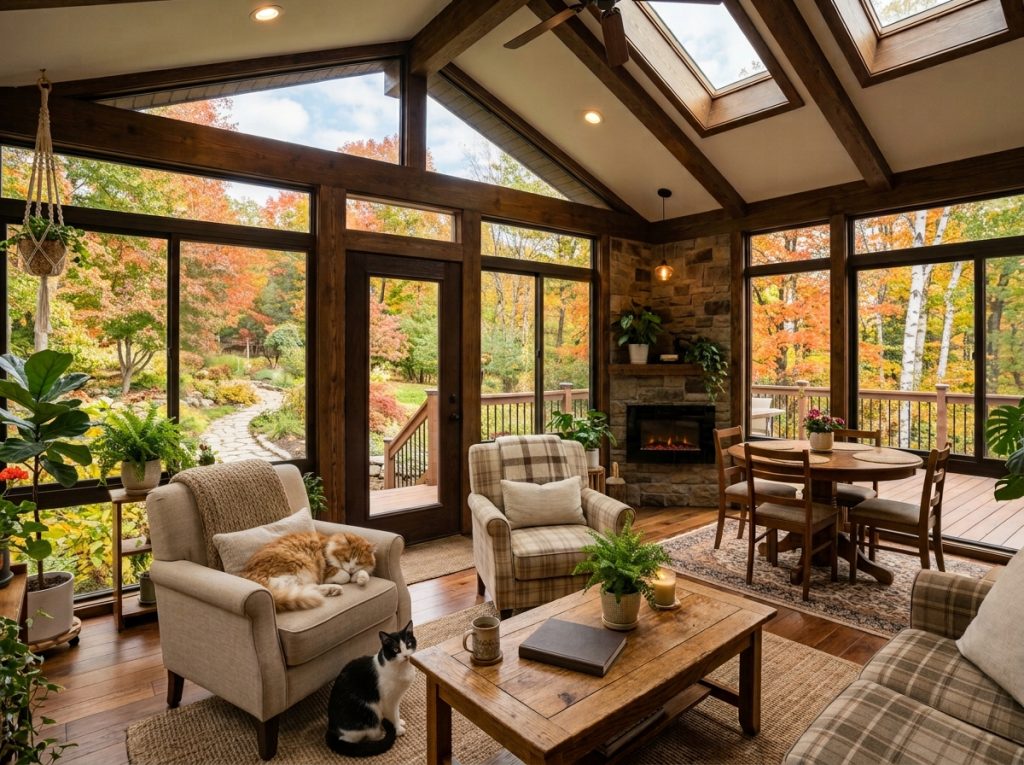
A sunroom is a glass-walled room attached to your home. It gives you daylight and outdoor views without the bugs, rain, and wind. Some sunrooms are heated and cooled so you can use them all year. Others are built for spring through fall.
Find the best sunroom pros in your area.

The Modernize Mission
We help homeowners make confident decisions through our reliable, up-to-date, and unbiased information and average project costs. All of our content is thoroughly reviewed and fact-checked by our team of home improvement experts. Learn more about how we maintain these values.
What Is a Sunroom?
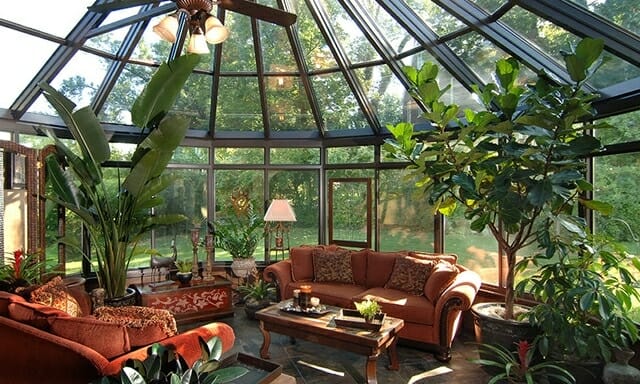
A sunroom is a room attached to your house with large windows or glass walls, built to bring in sunlight and outdoor views while keeping out weather and insects. You may also hear it called a sun porch, Florida room, or garden room. Most sit on the back or side of the house, often next to a kitchen, family room, or patio door.
This guide explains what a sunroom is, how it differs from similar spaces, and whether one fits your home. For styles, prices, and builders, see the guides linked in the next steps section.
Key takeaways
- What is a sunroom? A glass-heavy room attached to your house
- Where does a sunroom go? Usually the back or side of the home
- When can you use a sunroom? Spring through fall (three-season) or year-round (four-season)
- How much does a sunroom cost? $22,000–$75,000 for most projects
- Do you need a permit? Usually, so check with your building department and HOA
- Does it count as living space? Usually only four-season rooms
How a Sunroom Differs From a Porch or Addition
These spaces get mixed up a lot, and contractors don’t always use the same names. The easiest way to sort them out is by what the walls are made of and whether the room is heated and cooled.
| Space | Walls | Heating and cooling | Best for |
|---|---|---|---|
| Three-season sunroom | Glass or large windows | None | Spring through fall |
| Four-season sunroom | Insulated, with double- or triple-pane glass | Yes | Year-round use |
| Screened porch | Screens only | None | Airflow and bug protection |
| Patio enclosure | Screens or glass panels on an existing patio or deck | Usually limited | A lower-cost upgrade |
| Room addition | Standard walls with drywall | Yes | Any use (costs more than a sunroom) |
In short, if it’s attached to your house and has glass walls, it’s a sunroom. Whether it’s insulated and climate-controlled decides how much you’ll use it. A screened porch can’t block rain or cold, and a room addition costs more because it needs full walls and HVAC. If you’re leaning toward a porch, these heating and cooling ideas for screened porches can stretch its season.
Sunroom vs. solarium
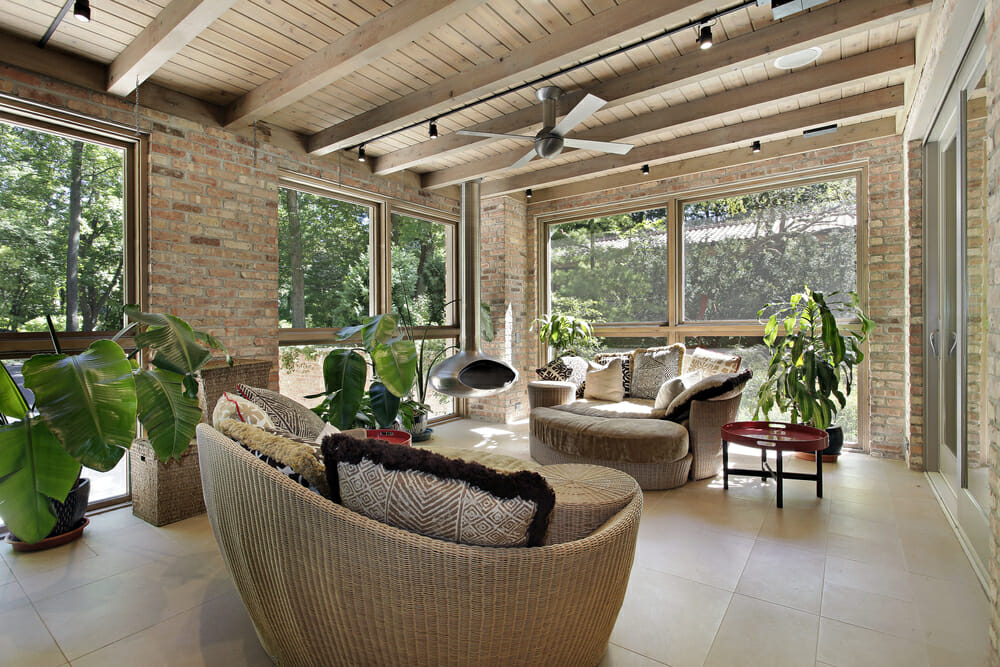
A solarium is a sunroom with a glass roof as well as glass walls. It lets in the most light and heat, so it needs shading and ventilation to stay comfortable. We cover solariums, conservatories, and roof styles in our types guide (see the next steps below).
What Do People Use a Sunroom For?
A sunroom works for almost anything that benefits from daylight. These are the most common uses:
- Relaxing: A reading nook, lounge, or spot for morning coffee.
- Dining: A breakfast area or casual dining room with a view.
- Working: A home office with natural light (best in a four-season room).
- Gardening: A bright place for houseplants and seedlings.
- Playing and making: A kids’ play area, craft room, or art studio.
- Entertaining: Extra seating when you have guests.
Need inspiration? Browse these sunroom ideas. Ready to furnish it? Our tips for decorating a sunroom can help.
What a Sunroom Is Made Of
Every sunroom has the same basic parts. The choices you make on each one shape comfort and cost.
- Foundation: A new concrete slab, or an existing deck or patio if it can support the room.
- Frame: Aluminum, vinyl, or wood.
- Glass: Single-pane, double-pane, or Low-E glass, which also blocks UV rays that fade furniture and floors.
- Roof: Solid, glass, or a mix of both.
- Doors: Often sliding glass doors or French doors to the yard or the house.
- Floor: Tile, vinyl, and other materials that handle sun and moisture. See our guide to sunroom flooring.
Pros and Cons of Adding a Sunroom
Pros
- Natural light: Brightens your home and gives you outdoor views in any weather.
- Lower cost than an addition: Typically costs less than building a standard room addition.
- Extra living space: Adds a room for relaxing, dining, or working.
- Protection from the elements: Keeps out rain, wind, and insects that a patio can’t.
- Resale appeal: Four-season rooms usually count as finished living space.
Cons
- Temperature swings: Glass heats up in summer and loses heat in winter.
- Upfront cost: Most projects run $22,000–$75,000.
- Partial payback: Expect to recover about half the cost at resale.
- Sun damage: Strong sun can fade furniture, rugs, and flooring.
- Higher bills: Four-season rooms may raise property taxes and insurance premiums.
Temperature swings are the biggest complaint. These tips on the energy efficiency of your sunroom can help.
Is a Sunroom Right for Your Home?
A sunroom is a good fit if you:
- Want more usable space but can’t afford a full room addition.
- Have a back or side yard with room to build.
- Already have a patio or deck in good shape.
- Will use the room often, not just a few weekends a year.
Think twice if you:
- Expect a big resale return (most owners recover about half).
- Live where summers are very hot and the room would face west.
- Want a room you’ll use all winter but plan to skip insulation.
Our take: in cold-winter areas, a four-season room is usually the better fit, because a three-season room sits empty for months. In mild climates, three-season is often enough. You can sometimes convert a three-season room later, but a contractor has to confirm the frame and foundation can handle it.
Which direction should a sunroom face?
In cooler climates, face the room south for the most light and warmth. East-facing rooms get gentle morning sun, which suits a breakfast spot. West-facing rooms can get hot in the afternoon. North-facing rooms stay cooler with softer light.
What to Know Before You Build
Permits and rules
Most areas require a building permit, and many HOAs have rules about additions. Property setbacks can also limit where you can build. Check all three before you sign anything. Your contractor can usually handle the permit paperwork. If you don’t have one yet, start with our guide on how to choose a contractor.
Insurance, taxes, and appraisals
Tell your insurance company when you add a sunroom, because the materials can affect your policy. A four-season room may also raise your property taxes since it counts as added living space. Three-season rooms are less likely to change your assessment. Ask your local assessor before you build.
Heating and cooling
If you want a year-round room, ask your contractor whether your current HVAC system can handle the extra space. If it can’t, you’ll need to budget for an upgrade or a separate system.
Next Steps for Your Sunroom Project
Once you know what a sunroom is, these guides help you plan the rest:
- Compare styles: See how screen rooms, three-season rooms, and four-season rooms stack up in our guide to sunroom types.
- Set a budget: Get prices by type, size, and component in our sunroom cost guide.
- Find a builder: Compare companies in our list of the best sunroom brands.
- Plan your payment: Review home improvement financing options.
Sunroom FAQs
Ready to see what a sunroom would look like on your home? Compare free quotes from local pros.