Bathroom Remodel
Best Bathtub Materials
On this page
- Most popular materials for bathtubs
- Cost ranges by bathtub material
- Tips for choosing the best material
Compare the best bathroom remodelers in your area.

The Modernize Mission
We help homeowners make confident decisions through our reliable, up-to-date, and unbiased information and average project costs. All of our content is thoroughly reviewed and fact-checked by our team of home improvement experts. Learn more about how we maintain these values.
Your choice of bathtub material affects more than just looks. It determines how long the tub lasts, how much upkeep it needs, and what you’ll spend now and down the road. Here’s a breakdown of the most common materials, their pros and cons, and typical costs to help you pick the right fit for your bathroom.
Best Bathtub Material Options
Acrylic bathtubs
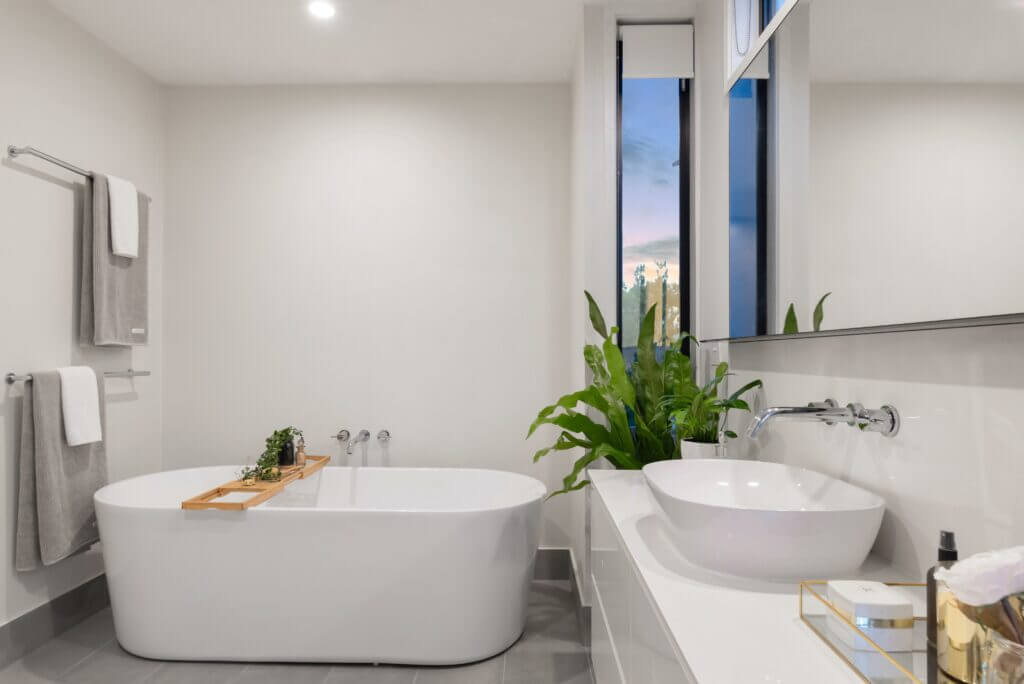
Acrylic tubs are molded from sheets of acrylic plastic and reinforced with fiberglass underneath. They’re popular because they’re affordable, come in nearly any shape or color, and work for almost any installation. With proper care, an acrylic tub typically lasts 15 to 20 years. Cheaper, thinner models are more prone to flexing and scratching than mid-range or higher-end ones.
Pros
- Lightweight: Easy to install, even on upper floors
- Affordable: Fits most budgets without sacrificing style
- Heat retention: Holds warmth better than steel or fiberglass
Cons
- Durability limits: Can scratch or flex if not reinforced
- Discoloration: May yellow over time with harsh cleaners
Porcelain-enameled steel tubs
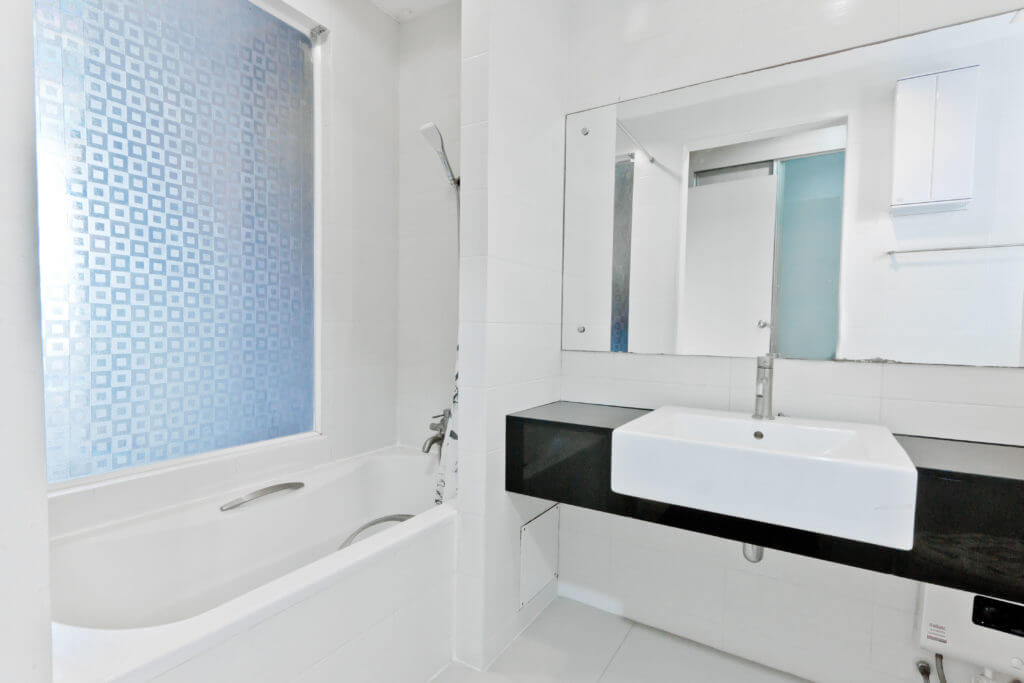
These tubs start as a stamped steel shell coated with porcelain enamel. The result is durable and easy to clean, but steel loses heat quickly. If the enamel chips, the exposed steel can rust, so repair small chips immediately.
Pros
- Budget-friendly: One of the most affordable options
- Durable finish: Easy to clean and resistant to stains
- Sleek look: Glossy surface fits modern bathrooms
Cons
- Chipping risk: Enamel can chip if hit with heavy objects
- Poor heat retention: Steel cools down faster than other materials
- Limited shapes: Mostly available in standard alcove sizes
Ceramic bathtubs
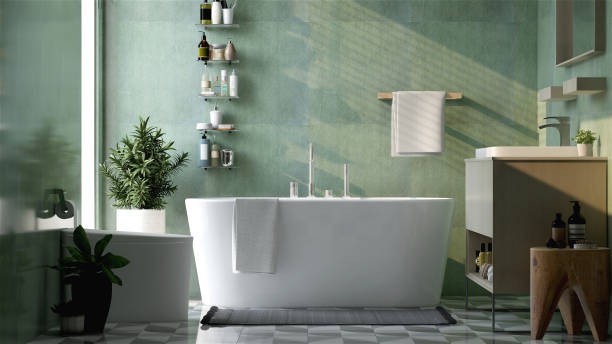
Ceramic tubs are shaped from fired clay and finished with glossy glaze, or built as a tiled surface over a base. They’re less common today but bring character to restoration-style bathrooms. If yours is tiled, expect ongoing grout care, since water behind failing grout can cause structural damage. The tub itself typically runs $500–$3,000, though labor for tiled installations pushes costs higher.
Pros
- Vintage appeal: Handcrafted look suits restoration projects
- Custom finishes: Wide range of colors and glazes
- Smooth surface: Comfortable and cool to the touch
Cons
- Fragile: Chips and cracks under impact
- High maintenance: Tiled versions need regular grout care
- Poor heat retention: Loses warmth quickly
Fiberglass bathtubs
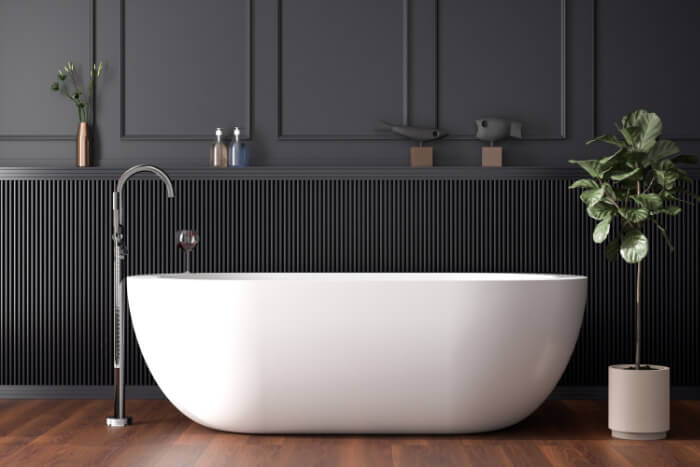
Fiberglass tubs are made from reinforced plastic molded into shape and coated with resin. They’re the cheapest and lightest option, making them ideal for secondary bathrooms or quick renovations. However, fiberglass is porous and absorbs water over time, which leads to cracking and warping.
Pros
- Lowest cost: The most budget-friendly material available
- Lightweight: Simple to install and move into place
- Versatile: Can be molded into many shapes
Cons
- Short lifespan: Typically lasts 10 to 15 years
- Scratches easily: Surface wears down faster than acrylic
Cast iron bathtubs
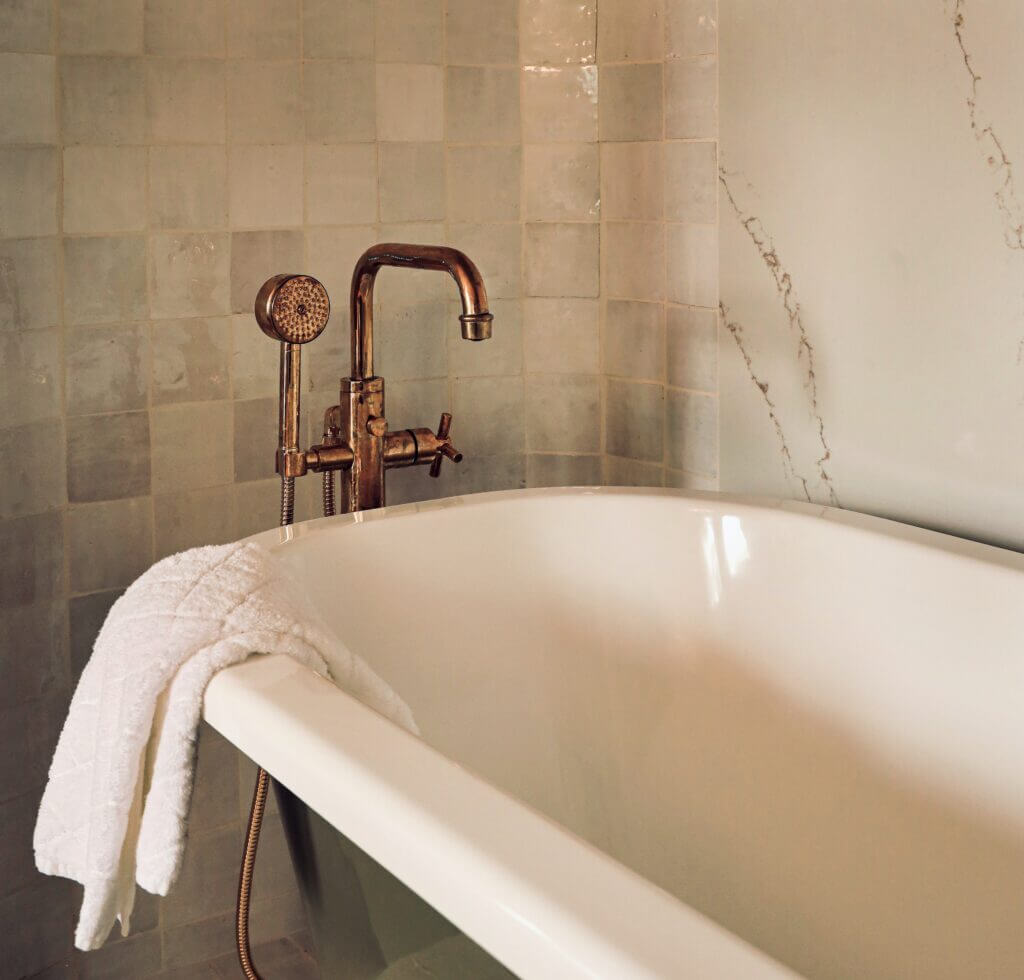
For a timeless, built-to-last tub, cast iron bathtubs are hard to beat. The enamel-coated iron holds heat exceptionally well. A well-maintained cast iron tub can last 50 years or more, but it typically weighs 300 to 500 pounds empty, so your floor may need reinforcement. That added weight and labor is why cast iron costs more.
Pros
- Extreme durability: Resists chipping and scratching
- Classic look: High-quality appearance that lasts decades
- Excellent heat retention: Keeps water warm for long soaks
Cons
- Very heavy: May require floor reinforcement
- High cost: More expensive than lighter materials
- Limited options: Fewer shapes and colors available
Stone resin tubs
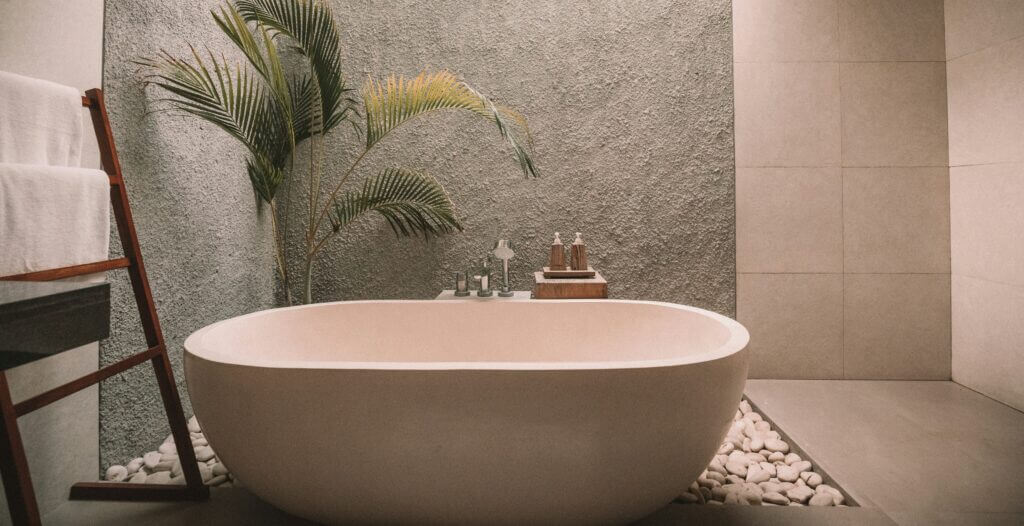
Stone resin tubs combine crushed natural stone with polymer resin. The result looks and feels like solid stone but weighs less and costs less. The matte or satin finish is non-porous and resistant to staining. These tubs typically last 25 years or more with minimal maintenance, which helps offset the higher price.
Pros
- Stone-like feel: Mimics natural stone at a lower weight
- Durable: Resistant to staining and cracking
- Heat retention: Holds warmth well during soaks
Cons
- Heavy: Heavier than acrylic or fiberglass
- Expensive: Higher upfront cost than basic materials
Solid surface bathtubs
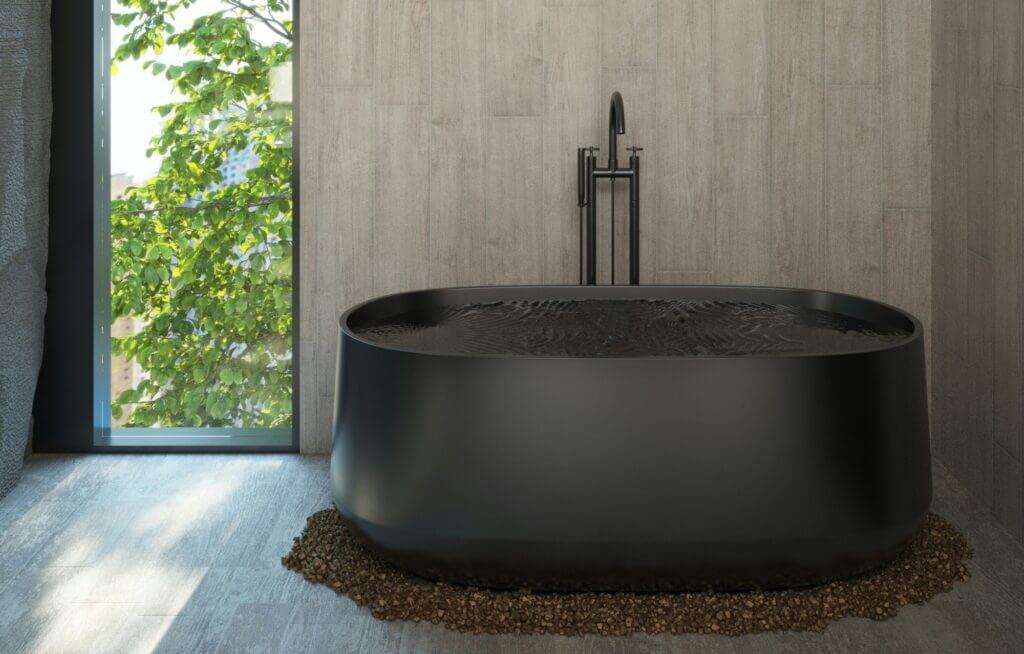
Solid surface tubs are made from a composite of crushed stone, acrylic, and resin. This creates a seamless, non-porous surface that resists stains and scratches. They hold heat well and are easy to clean, but installation is more involved than with lighter materials.
Pros
- Customizable: Available in many shapes and colors
- Low maintenance: Non-porous surface resists stains
- Modern aesthetic: Sleek, seamless look
Cons
- Costly: More expensive than acrylic or steel
- Complex install: Requires professional handling
Cultured marble tubs
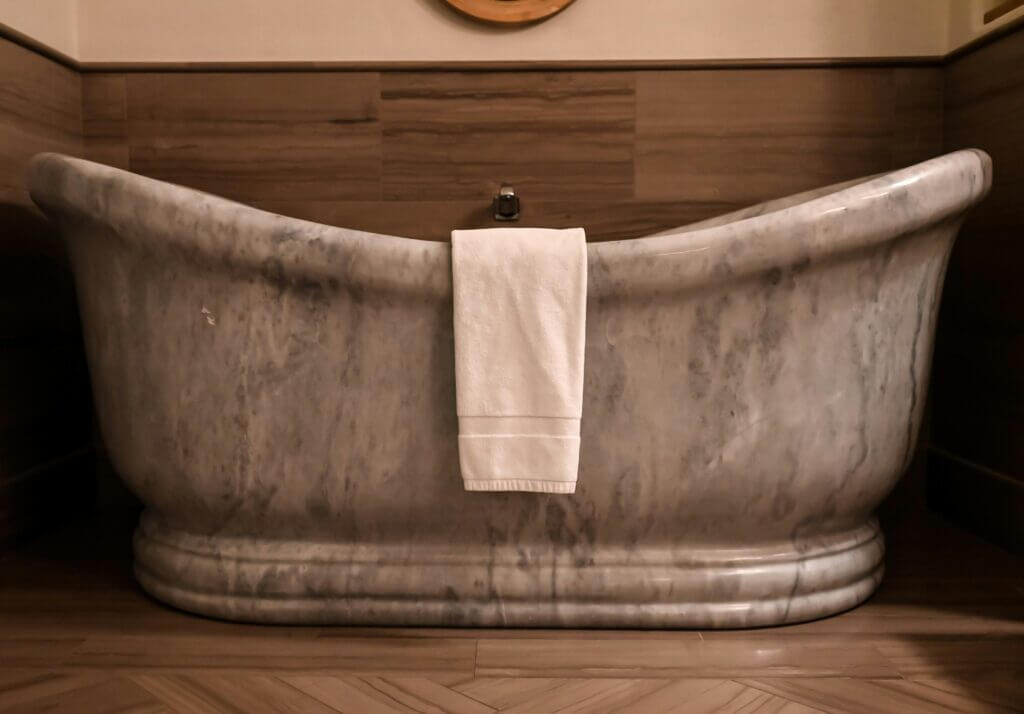
Cultured marble tubs are made from crushed limestone mixed with resin and coated with a gel for a smooth, glossy surface. This allows for various shapes and colors at a more accessible price than real marble. Wipe the tub down after each use, since cultured marble is prone to discoloration without regular care.
Pros
- Marble look: Mimics natural stone at a lower price
- Versatile: Comes in many colors and patterns
- Lighter weight: Often skips subfloor reinforcement
Cons
- Stain prone: Needs regular wiping to prevent discoloration
- Less durable: Scratches easier than natural stone
- Artificial feel: Doesn’t have the same texture as real marble
Copper bathtubs
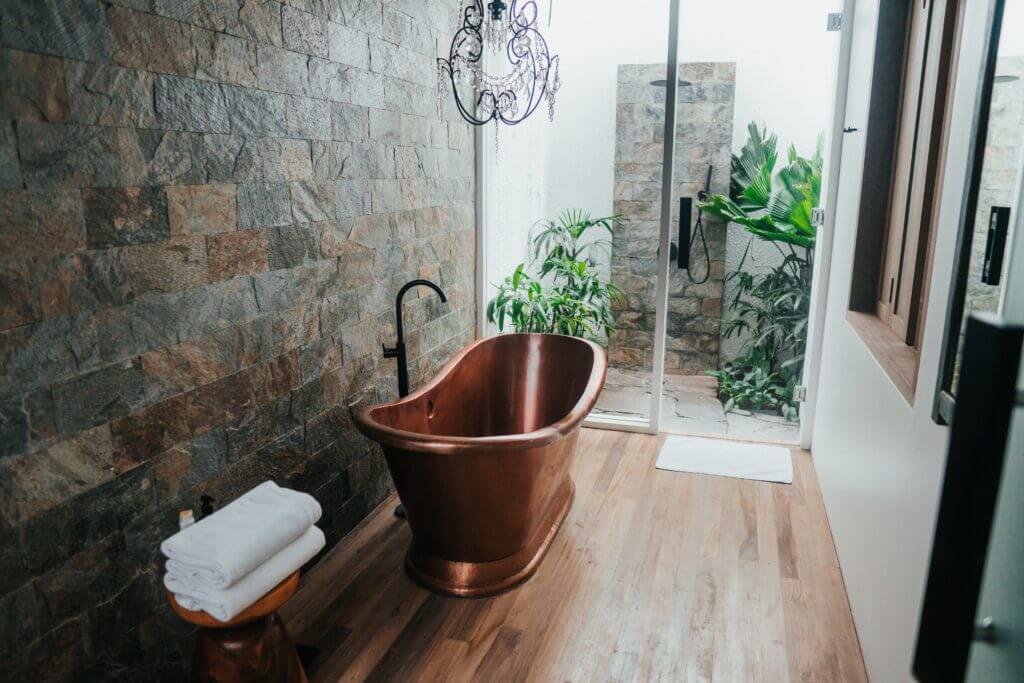
Copper tubs are typically handcrafted from hammered sheets, making every piece unique. The material holds heat exceptionally well and naturally resists bacteria, but it develops a patina over time. Some homeowners love the evolving look; others prefer to polish it away. Copper usually starts around $2,000 and climbs past $6,000 for custom pieces.
Pros
- Luxurious look: Distinctive, handcrafted appearance
- Natural resistance: Copper naturally repels bacteria
- Longevity: Extremely durable with proper care
Cons
- High cost: One of the most expensive options
- Maintenance: Requires polishing to preserve shine
Wood bathtubs
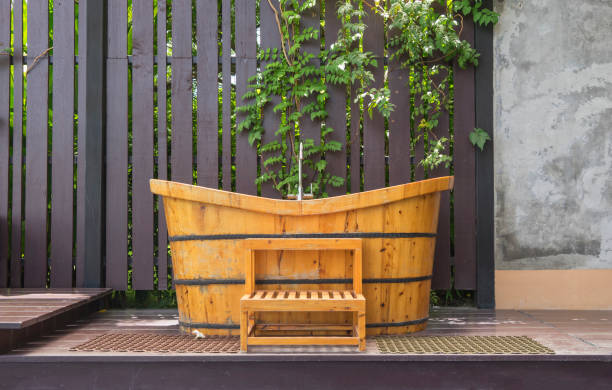
Wood tubs are rare and almost always custom-built from water-resistant hardwoods like teak, cedar, or hinoki (Japanese cypress). They bring a warm, organic look, but upkeep is intense: wood needs regular resealing, can’t handle harsh chemicals, and should be drained and dried after each use. Expect to pay $3,000–$10,000 or more.
Pros
- Unique aesthetic: Warm, organic look no other material matches
- Custom build: Made to specific dimensions
- Natural scent: Woods like hinoki release subtle aromas
Cons
- High maintenance: Needs regular resealing
- Water sensitive: Vulnerable to damage if not dried properly
- Expensive: Almost always custom-order and costly
Bathtub Costs by Material
Costs vary by material, size, quality, and brand. High-end materials tend to be more durable but cost more upfront, while basic materials are budget-friendly but may need replacing sooner.
| Bathtub material | Average installation cost |
|---|---|
| Acrylic | $700–$1,200 |
| Porcelain-enameled steel | $200–$1,000 |
| Fiberglass | $200–$900 |
| Ceramic | $5,000–$10,000 |
| Cast iron | $900–$5,000 |
| Stone resin | $2,000–$7,000+ |
| Solid surface | $2,000–$6,000 |
| Cultured marble | $1,500–$4,000 |
| Copper | $2,000–$6,000+ |
| Wood | $3,000–$10,000+ |
Tips for Choosing the Best Bathtub Material
Consider these key factors when picking a material for your home.
Durability
- Most durable: Cast iron or stone resin
Durability determines how long your tub lasts. Cast iron and stone resin resist chipping and fading best; a well-maintained cast iron tub can last 50 years or more. Acrylic falls in the middle at 15 to 20 years, while fiberglass wears fastest and usually needs replacing within 10 to 15 years.
Weight
- Lightest options: Acrylic or fiberglass
Lightweight materials like acrylic and fiberglass are easiest and cheapest to install since they don’t need extra structural support. Heavier materials like cast iron and stone resin (300 to 500 pounds empty) may require floor reinforcement. If you’re installing on an upper floor or in an older home, check your floor’s load capacity first.
Maintenance requirements
- Easiest to clean: Solid surface or porcelain-enameled steel
Non-porous materials like acrylic, solid surface, and stone resin wipe clean with mild soap and water. Cast iron’s enamel coating needs little more. Other materials ask for more attention: cultured marble should be wiped down after each use, and wood tubs need regular resealing. Pick a material that matches your actual cleaning habits.
Cost
- Cheapest options: Fiberglass or porcelain-enameled steel
Material affects your budget in two ways: upfront cost and long-term value. Fiberglass and porcelain-enameled steel are cheapest to buy but wear out soonest. Cast iron, stone resin, and solid surface cost more upfront but offer decades-long lifespans. Decide whether the lowest price tag or the lowest cost per year matters more to you.
Aesthetic appeal
- Most striking: Copper or stone resin
Your bathtub is a major visual element. Acrylic and solid surface come in the widest range of shapes and colors. Cast iron and copper lean classic and statement-making, while stone resin and cultured marble bring a clean, modern, stone-like look without the weight of natural stone.
Finding a Contractor
Before looking for a pro to install your new tub, we recommend you:
- Understand what’s involved in the project. Read our guide to bathtub remodeling for details.
- Decide on the style and material you want. Check out our guide to types of bathtubs to see your options.
- Know your current tub size and your ideal size. Our guide to standard bathtub sizes can help.
Once you know what you want, get three to four quotes to find the best price and the right professional. You can browse our contractor directory or let us match you with up to four pros by answering a few questions below.