Bathroom Remodel
Bathtub Faucet Replacement Cost
Average Cost: $150 – $600
Replacing a bathtub faucet is a small upgrade with a big impact. Whether you’re fixing leaks, combating corrosion, or just swapping out an outdated style for something modern, a new faucet refreshes your bathroom without the cost of a full remodel.
Find the best bathroom remodel pros in your area.

The Modernize Mission
We help homeowners make confident decisions through our reliable, up-to-date, and unbiased information and average project costs. All of our content is thoroughly reviewed and fact-checked by our team of home improvement experts. Learn more about how we maintain these values.
Key takeaways
- Average cost: Most replacements run $150–$600. Complex installs with new plumbing can reach $1,000–$2,000.
- Mount type matters: Freestanding faucets cost $150–$2,200, while simple wall-mount models range from $70–$800.
- Brand impact: Basic Moen or Delta models start under $150, but premium lines from the same brands can exceed $2,000.
- Lifespan: Faucets typically last 15–20 years. Age alone is a valid reason to upgrade.
- Repair vs. Replace: Swapping just a cartridge or spout is cheaper and can fix drips without buying a whole new fixture.
How Much Does It Cost to Replace a Bathtub Faucet?
Expect to pay between $150 and $600 on average for a bathtub faucet replacement. The final price depends on the fixture you choose and whether you hire a pro. Here’s how the costs break down.
Faucet Cost by Finish
The faucet itself makes up the bulk of the cost. Finishes like matte black or brushed brass usually cost more than standard chrome. Average prices for the fixture alone:
| Faucet | Average Cost |
|---|---|
| Basic tub spout and/or handle | $50 to $150 |
| Mid-range faucet set | $150 to $300 |
| High-end or specialty faucet | $300 to $800+ |
Faucet Cost by Mount Type
How the faucet attaches to your tub affects the price as much as the finish does:
| Mount Type | Average Cost Range (Faucet Only) |
|---|---|
| Wall mount | $70 – $800 |
| Tub wall mount | $90 – $950 |
| Tub deck mount | $100 – $1,000 |
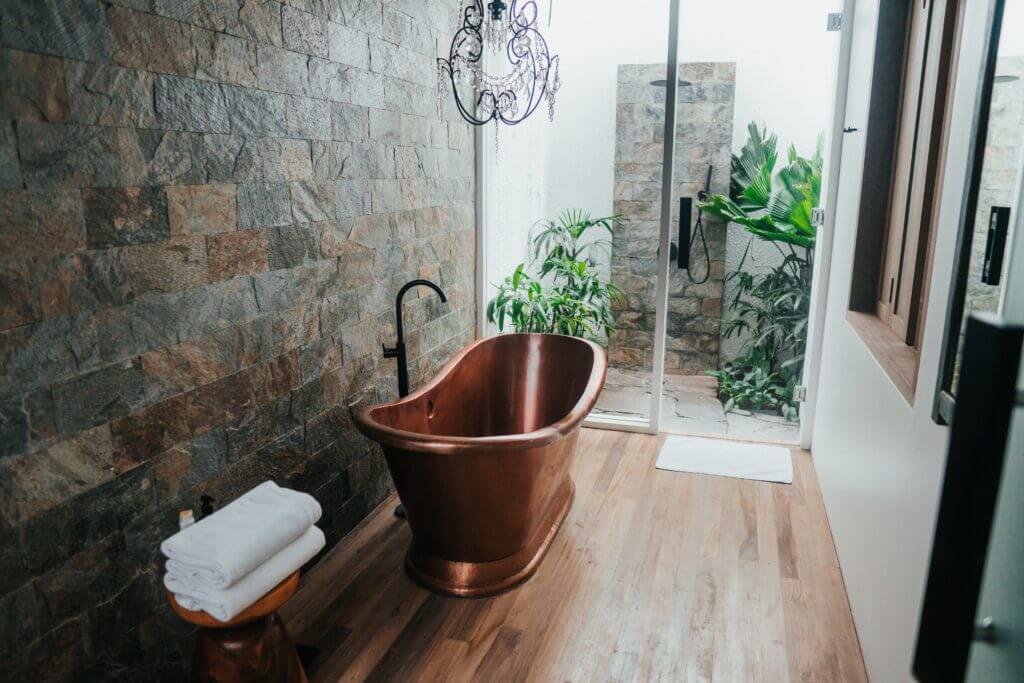
| Freestanding | $150 – $2,200 |
Freestanding faucets are the most expensive because they require exposed floor-mounted piping rather than hidden wall connections.
Faucet Cost by Brand
Brand influences price, largely due to premium finishes and features rather than core functionality. Average ranges:
| Brand | Average Cost Range |
|---|---|
| Moen | $100 – $2,100 |
| Delta | $90 – $2,600 |
| Kohler | $200 – $3,250 |
| Pfister | $120 – $1,100 |
| American Standard | $150 – $1,300 |
Labor Costs
Professional installation typically costs $100–$300. If you’re only replacing a cartridge, labor drops to $75–$200.
Prices vary based on accessibility, faucet type, and whether valves or pipes need replacement. If hidden water damage is found during installation, costs will rise. Full installations involving new plumbing or wall work can run $900–$1,300 total per faucet. Always confirm what’s included in your quote.
DIY vs. Professional Cost Comparison
DIY saves on labor, but mistakes can lead to leaks, wall damage, or voided warranties. Hiring a pro costs more upfront but includes warranty protection and peace of mind.
Signs Your Bathtub Faucet Needs Replacing
Faucets often show clear signs when they’re done. You’re likely past the point of simple repairs if you notice:
- Persistent leaks: Drips continue even after replacing washers or cartridges.
- Visible aging: Corrosion, rust, or heavy mineral buildup.
- Low or uneven pressure: Water flow is weak or sputters.
- Instability: Loose handles, cracked spouts, discolored trim, or uneven temperature control.
Most faucets last 15–20 years (Angi). If yours is older, replacement often makes more sense than another repair.
How to Replace a Bathtub Faucet
The process varies slightly by tub type, but the general steps remain the same. Handy homeowners can tackle this project with the right tools.
Tools You’ll Need
- Adjustable wrench
- Flathead and Phillips screwdrivers
- Allen wrench
- Pliers or cartridge puller
- Plumber’s tape
- Utility knife
- Rags or old towels
- Replacement faucet parts
Pros bring these plus specialty tools like valve keys and brand-specific pullers.


Step-by-Step Removal Instructions
- Turn off the water supply to the bathroom.
- Cover the drain to prevent losing small parts.
- Remove decorative caps on the handles.
- Unscrew handles using an Allen wrench or screwdriver.
- Gently pull off trim plates without damaging the wall.
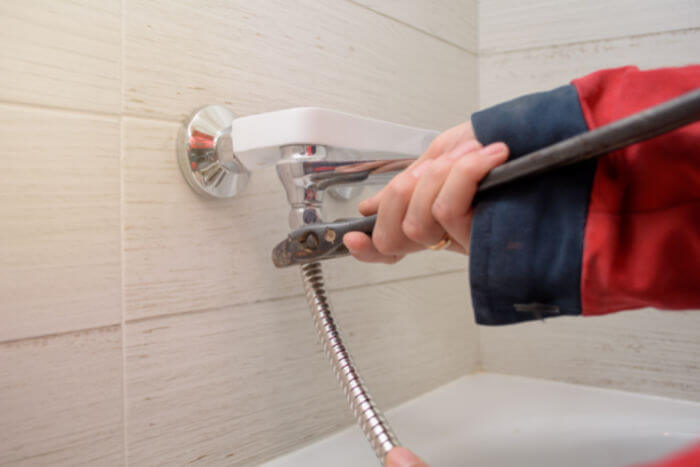
- Remove the tub spout: twist counterclockwise for threaded spouts, or loosen the set screw underneath for slip-on models.
- Inspect plumbing connections for corrosion or damage.
Bathtub Faucet Cartridge Replacement
If you’re fixing temperature issues or drips, you might only need to replace the cartridge. Ensure the new cartridge matches your faucet’s brand and model.
Steps to Replace a Cartridge
- Turn off the water supply.
- Remove the handle and trim.
- Extract the old cartridge using pliers or a puller.
- Insert the new cartridge, ensuring correct alignment.
- Reassemble the trim and handle.
- Turn the water back on and test.
How to Replace a Tub Faucet Handle
Swapping handles can improve both look and function.
Single-Handle Faucets
- Remove the handle screw and lift off the handle.
- Install the compatible replacement handle.
- Secure with screws.
- Test temperature control.
Two-Handle or Three-Handle Faucets
- Remove each handle.
- Inspect stems or cartridges for damage.
- Install new handles, noting hot/cold positions.
- Turn on water and test.
DIY vs. Professional Installation
You can replace a faucet yourself if you have some home improvement experience. Here’s how to decide.
When to DIY
- You’re replacing an old faucet with an identical model.
- Plumbing is accessible and undamaged.
- You’re comfortable with basic tools.
- No valve changes or soldering are required.
- You’re making minor repairs (like a cartridge swap).
When to Call a Pro
- Pipes are outdated, corroded, or damaged.
- You’re changing the faucet type or configuration.
- The valve is leaking or damaged.
- The faucet is installed in a tiled wall (risk of breaking tiles).
- You want a warranty on workmanship.
Professional installation reduces the risk of hidden leaks and costly future repairs.