10 Basic Plumbing Tips for Homeowners
When you buy a home, you quickly learn where the electric panel is, how to run the thermostat, and how to handle basic upkeep. Plumbing can feel different, especially when a leak starts. That’s normal. These 10 tips will help you feel more prepared to handle common plumbing issues (and know when to bring in a pro).
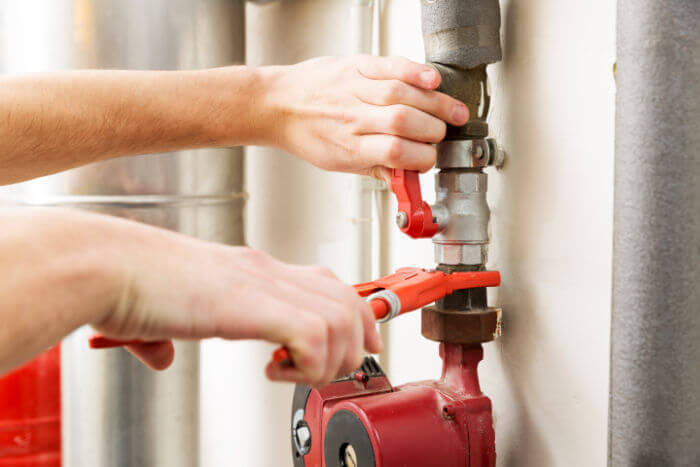
1. Know How to Shut Off the Water
Most homes have shutoff valves at individual fixtures and a main shutoff valve for the whole house.
Look under sinks and behind toilets for small shutoff valves (the knobs connected to the pipes). Turn them until the water stops. Your home’s main shutoff valve is usually located where the water line enters the house. Some homes may require a special tool (like a water shutoff key) to turn off water at the main.
2. Build an Emergency Plumbing Kit
A plunger is a must, but a few additional tools can make minor fixes much easier. Consider keeping these items on hand:
- Adjustable wrench
- Tongue-and-groove pliers
- Screwdrivers
- Plumber’s tape
- Pipe sealant
- Duct tape
- Set of hex keys
- Clip light for working under cabinets
- Auger or hand snake
3. Do a Little Research
Many small leaks can be fixed by tightening a fitting, replacing a worn part, or swapping an aerator. Before you panic, browse a few reputable how-to resources for common issues like running toilets and slow-draining sinks.
4. Keep It Simple (Skip Harsh Drain Chemicals)
Liquid drain cleaners can seem like an easy fix, but they can damage pipes over time and make future clogs harder to solve.
Instead, try baking soda and vinegar for a fizzing reaction that can loosen gunk. Follow with hot water to help flush the drain.
Tip! If a clog is caused by a hard object (like a small toy), try a wet-dry vacuum. A plunger may push the object deeper, but a vacuum can sometimes pull it out.
5. Take Care of Your Garbage Disposal
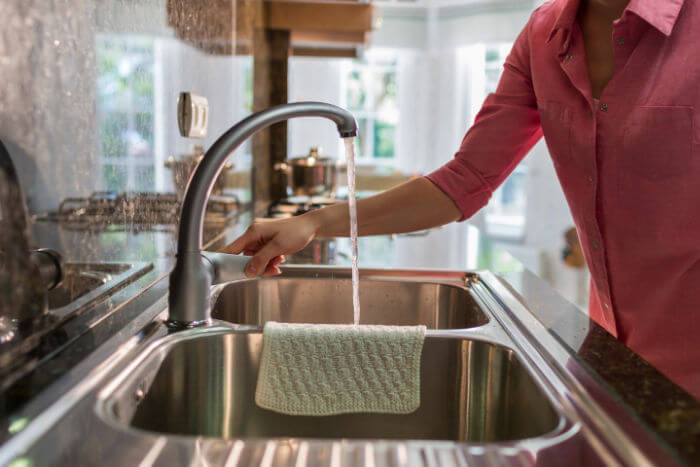
Be careful what goes down the garbage disposal. Avoid fats, oils, and grease (they can harden and clog drains). Also be cautious with stringy or hard items like celery and bones. Always run the disposal with cold water flowing.
6. Know What’s Flushable (and What Isn’t)
Quick rule: If it’s not toilet paper, don’t flush it.
Some wipes claim to be flushable, but they break down slowly and can clog pipes. Other items that shouldn’t be flushed include:
- Baby wipes
- Feminine hygiene products
- Paper towels
- Cotton balls or swabs
- Dental floss
7. Winterize Your Pipes
Even in warmer climates, cold snaps happen, and frozen pipes can cause major damage. Add pipe insulation sleeves where you can, disconnect and drain garden hoses, and use faucet covers or frost-free faucets during the winter. On especially cold nights, let faucets drip slightly to keep water moving.
8. Educate Yourself
The more you know, the more confident you’ll be when something goes wrong. Keep these habits in mind to prevent common problems:
- Use a baking soda and vinegar solution on drains every few months to reduce buildup.
- Use a shower drain strainer to catch hair and prevent clogs.
- Learn how to open the drain trap under the sink to retrieve small items (like rings).
- Test your water — hard water may call for a water softener system.
- Replace older toilet and washing machine supply lines with flexible braided lines.
- Monitor water pressure with an inexpensive pressure gauge; pressure that’s too high can cause damage.
9. Pay Attention to Your Water Heater
Water heaters often get ignored… until they fail. Schedule periodic inspections to catch issues early, and plan to replace an older unit as it approaches double-digit age (depending on condition and performance).
10. Establish a Relationship With a Good Plumber
A reputable plumbing company can inspect your system, identify trouble spots, fix small issues early, and help you set up a maintenance plan. Keep their emergency number handy in case of a sudden leak or water emergency.
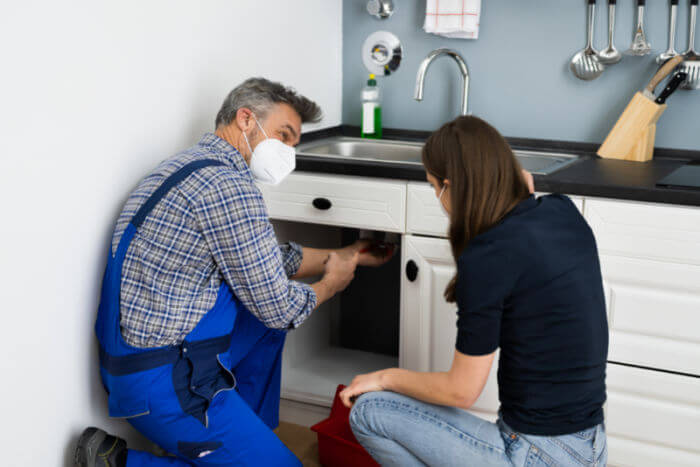
When you need professional help, Modernize can connect you with trusted local contractors who can handle repairs and maintenance safely and efficiently.
Find the Right Contractor for Your Home Improvement Project
Whether you’re ready to begin your project now or need some expert advice, our network of contractors are here to help. With a few simple questions, we’ll find the best local professionals for you