Bathroom Remodel
Acrylic vs. Porcelain Bathtubs: Costs, Pros, and Cons in 2026
Average Cost: $1,500–$6,000 (acrylic) vs. $1,500–$8,500 (porcelain)

Choose an acrylic bathtub for lower installation costs, lighter weight, and warmer bathwater; choose a porcelain-enameled tub for a harder, scratch-resistant finish. Installed acrylic tubs run $1,500 to $6,000, while porcelain tubs range from $1,500 for enameled steel to $8,500 or more for heavy cast iron. The right pick depends on your floor’s weight capacity, how rough your household is on surfaces, and how long you plan to stay in your home.
Find the best bathroom remodeling pros in your area.

The Modernize Mission
We help homeowners make confident decisions through our reliable, up-to-date, and unbiased information and average project costs. All of our content is thoroughly reviewed and fact-checked by our team of home improvement experts. Learn more about how we maintain these values.
Table of Contents
- Acrylic vs. Porcelain Bathtubs at a Glance
- What Are Acrylic and Porcelain Bathtubs Made Of?
- Cost Comparison: Acrylic vs. Porcelain
- Durability and Lifespan
- Weight and Installation
- Heat Retention and Comfort
- Cleaning, Maintenance, and Repairs
- Pros and Cons Summary
- Which Bathtub Should You Choose?
- Acrylic vs. Porcelain Bathtub FAQs
- Sources
Acrylic vs. Porcelain Bathtubs at a Glance
Acrylic tubs win on lightweight installation, warmth, and shape variety, while porcelain tubs win on surface hardness and long-term scratch resistance. Before comparing prices, it helps to know that “porcelain” actually refers to a glass-like enamel coating fused onto either pressed steel or cast iron, and those two bases perform very differently.
| Feature | Acrylic Bathtub | Porcelain-Enameled Steel | Porcelain-Enameled Cast Iron |
|---|---|---|---|
| Unit price only | $300–$1,200+ | $300–$1,500 | $600–$3,000+ |
| Installed cost | $1,500–$6,000 | $1,500–$3,500 | $2,500–$8,500+ |
| Empty weight | 70–100 lbs | 80–120 lbs | 300–500 lbs |
| Average lifespan | 10–20+ years | 15–20 years | 50+ years |
| Heat retention | High (insulates well) | Low (cools quickly) | Very high (once warmed) |
| Scratch resistance | Moderate (can scratch) | High | Very high |
| Chip resistance | High (flexes on impact) | Low to moderate (can rust if chipped) | Moderate to high (thick enamel) |
| Subfloor reinforcement | Rarely needed | Rarely needed | Often needed upstairs ($300–$800) |
What Are Acrylic and Porcelain Bathtubs Made Of?
Comparing these two bathtub materials starts with how manufacturers build them. Solid ceramic porcelain tubs are rare and expensive, so almost every “porcelain” tub at a home improvement store is metal coated in baked-on enamel.
Acrylic bathtub construction
Manufacturers heat flat sheets of color-through acrylic plastic, vacuum-form them into a mold, and spray the underside with fiberglass and resin for rigidity. Because the color runs through the entire acrylic layer, minor surface scratches do not reveal a different color underneath.
Porcelain-enameled bathtub construction
Porcelain tubs start with a metal shell that gets coated in powdered glass (porcelain enamel) and baked in a high-temperature kiln until the finish fuses to the metal. You will encounter two distinct versions:
- Porcelain-enameled steel: A thin sheet of stamped steel coated in enamel. It keeps weight and unit cost low, but the thin metal flexes slightly and conducts heat away from your bathwater quickly.
- Porcelain-enameled cast iron: A thick mold of molten iron topped with a heavy layer of kiln-fired enamel. It feels rock-solid underfoot and lasts for decades, but it weighs three to five times more than acrylic.
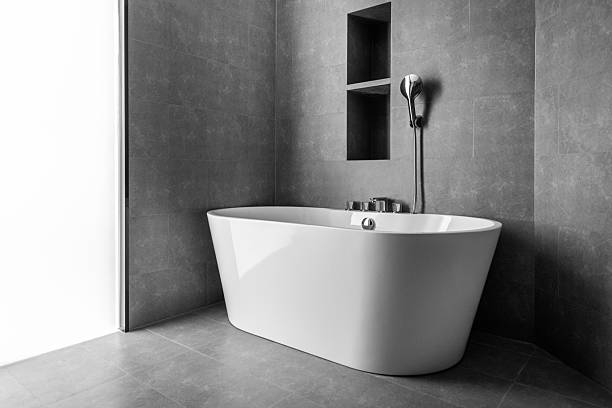
Cost Comparison: Acrylic vs. Porcelain
At the checkout counter, a standard acrylic tub and a porcelain-enameled steel tub cost roughly the same. The real price gap shows up once you factor in style options, delivery, and installation labor.
| Expense Category | Acrylic Bathtub | Porcelain-Enameled Steel | Porcelain-Enameled Cast Iron |
|---|---|---|---|
| Standard alcove tub unit | $300–$1,200 | $300–$1,500 | $600–$2,000 |
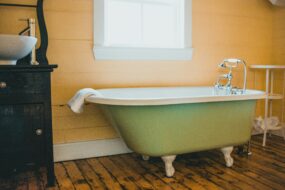
| Freestanding tub unit | $750–$2,500 | Rarely available | $1,500–$3,000+ |
| Installation labor | $400–$2,000 | $400–$2,000 | $800–$3,000+ |
| Old tub removal and disposal | $150–$400 | $150–$400 | $300–$750 |
| Subfloor reinforcement | $0 | $0 | $300–$800 (if required) |
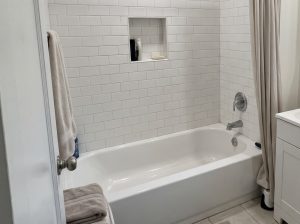
If you are replacing an existing tub in a bathtub-shower combo, a basic alcove swap keeps both acrylic and enameled steel around $1,500 to $3,000 installed. Upgrading to a freestanding cast-iron tub often pushes total bathtub replacement costs past $5,000 because plumbers need extra crew members to move the tub and may need to reinforce floor joists.
Durability and Lifespan
Both materials can serve your family well, but they fail in completely different ways. One resists impact cracks while the other resists surface scuffs.
Acrylic durability (10 to 20+ years)
Fiberglass-reinforced acrylic absorbs physical impacts well. If you drop a heavy shampoo bottle or a metal showerhead, the tub flexes slightly instead of cracking. However, acrylic is softer than baked enamel, so pet claws, gritty bath salts, or metal caddies can leave visible scratches. Budget, thin-walled acrylic tubs last 10 to 15 years, while thicker reinforced models set in a mortar bed often reach 20 years or more.
Porcelain durability (15 to 50+ years)
Porcelain enamel creates a hard, glass-like shield that shrugs off daily scrubbing, dog nails, and dropped razors without scratching. The catch is brittleness. Dropping a heavy object like a wrench or cast-iron candle holder can chip the enamel down to the metal core. On an enameled steel tub (15 to 20 years average lifespan), an unsealed chip will quickly rust. Cast iron resists chipping better thanks to thicker enamel and routinely lasts 50 years or longer.
Weight and Installation
Weight is the biggest practical difference on installation day, especially if your bathroom is on the second floor or up a narrow staircase.
- Acrylic (70 to 100 pounds): Two installers can easily carry an acrylic tub up stairs and maneuver it through tight hallway turns. Most models install in a single day, though installers should set the base in a wet mortar bed so the floor feels solid and does not squeak.
- Porcelain-enameled steel (80 to 120 pounds): Nearly as light as acrylic, making it a straightforward swap for standard alcove tubs.
- Porcelain-enameled cast iron (300 to 500 pounds): Moving a 400-pound tub takes three or four workers, lifting straps, and careful floor protection. Once filled with 40 to 50 gallons of water (around 350 to 400 pounds) plus a bather, the total load approaches 900 to 1,000 pounds. Older homes often require sistering floor joists before installation.
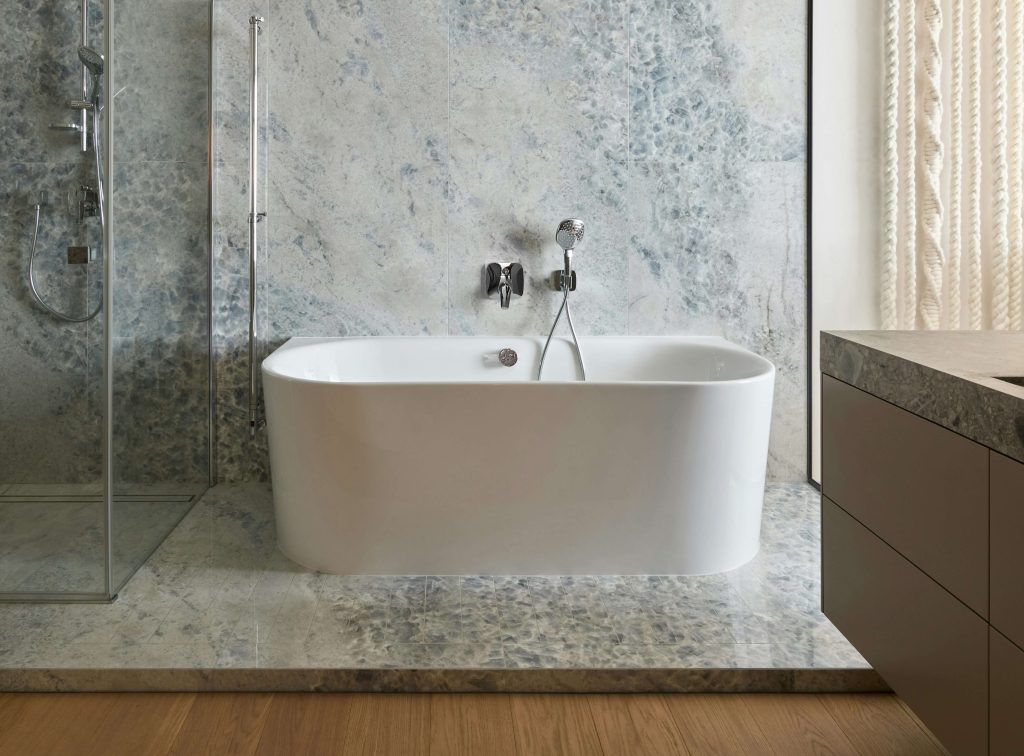
Heat Retention and Comfort
If you take long, relaxing baths, how a tub handles heat matters just as much as its price tag.
Acrylic feels warm immediately because plastic is a natural insulator. When you step into an empty acrylic tub on a winter morning, the surface feels neutral rather than icy, and it keeps bathwater warm throughout a 30- to 45-minute soak. Acrylic also offers better sound dampening, so running water sounds quiet rather than echoey.
Porcelain behaves differently depending on its metal core:
- Porcelain-enameled steel feels cold to the touch, amplifies the sound of running water like a drum, and pulls heat out of your bathwater quickly.
- Porcelain-enameled cast iron feels cold at first and initially absorbs heat from your hot water as the iron warms up. Once heated, though, the thick iron holds warmth longer than almost any other material.
Cleaning, Maintenance, and Repairs
Neither material requires sealing, and both have non-porous surfaces that block mold and mildew growth when wiped down regularly.
Cleaning rules
Acrylic needs gentle care. Clean it with liquid dish soap, diluted white vinegar, or a non-abrasive bathroom spray using a microfiber cloth. Harsh scouring powders, magic erasers, bleach, and acetone will strip acrylic’s gloss and cause yellowing over time.
Porcelain enamel tolerates slightly stronger non-abrasive bathroom cleaners without dulling, making soap scum removal easier. Still, you should skip steel wool, pumice stones, and acidic cleaners that can etch the glossy glaze.
Repairing damage
Acrylic is much easier to fix yourself. Light scratches and dull spots buff out with fine-grit wet sandpaper and automotive polishing compound. Deeper gouges can be filled with a $30 to $50 color-matched acrylic repair kit.
Porcelain chips require faster attention. While small porcelain touch-up epoxy kits exist for under $25, repairs often leave a slightly visible patch. If a chip exposes bare steel, you must seal it immediately to stop rust from spreading beneath the enamel. Full professional bathtub refinishing costs $330 to $630 or more for either material.
Pros and Cons Summary
Acrylic bathtubs
Pros
- Lightweight build: Easy to carry upstairs without reinforcing bathroom floor joists.
- Warm surface: Insulates bathwater well and never feels icy when stepping in.
- Easy DIY scratch repair: Minor scuffs sand and buff out cleanly at home.
- Broad style selection: Available in alcove, corner, deep soaking, and freestanding shapes.
Cons
- Scratches more easily: Softer surface shows marks from pet claws and abrasive cleaners.
- Shorter lifespan than cast iron: Lasts 10 to 20+ years rather than half a century.
Porcelain bathtubs
Pros
- Scratch-resistant finish: Hard kiln-fired enamel stands up to daily scrubbing and pets.
- Decades-long lifespan: Cast-iron models routinely last 50 years or longer.
- Classic glossy shine: Resists fading and yellowing better than budget plastics.
Cons
- Chips on hard impact: Dropped heavy objects can fracture the glass-like enamel coating.
- Heavy cast-iron weight: Requires extra installation labor and possible floor reinforcement.
- Cold and noisy on steel: Enameled steel loses heat quickly and echoes when filling.
Which Bathtub Should You Choose?
Your household routine and bathroom location usually point directly to one winner:
- Pick acrylic if: Your bathroom is on an upper floor, you want a freestanding soaking tub without paying $5,000 or more, you take long baths and hate cold tub walls, or you want a fast one- to two-day installation.
- Pick porcelain-enameled steel if: You are updating a ground-floor guest bath or rental property on a tight budget and want better scratch resistance than plastic at roughly the same price.
- Pick porcelain-enameled cast iron if: You are remodeling a forever home on a concrete slab or reinforced subfloor, have large dogs that get bathed in the tub, and want a fixture you will never have to replace.
Acrylic vs. Porcelain Bathtub FAQs
Not sure which tub fits your bathroom’s plumbing and subfloor? Connect with vetted bathroom remodeling pros near you to compare quotes.