Bathroom Remodel
Acrylic Bathtub Costs, Pros, and Cons in 2026
Average Cost: $1,500–$6,000 (installed)

Most homeowners spend between $1,500 and $6,000 to install an acrylic bathtub, including the tub and labor. The acrylic tub itself costs $300 to $1,200 for a standard alcove model, while freestanding and whirlpool designs push the unit price to $2,500 or more. Installation labor adds $400 to $2,000 for a straightforward swap, and routine upkeep stays low since acrylic only needs mild soap and water.
Find the best bathroom remodeling pros in your area.

The Modernize Mission
We help homeowners make confident decisions through our reliable, up-to-date, and unbiased information and average project costs. All of our content is thoroughly reviewed and fact-checked by our team of home improvement experts. Learn more about how we maintain these values.
Table of Contents
How Much Does an Acrylic Bathtub Cost?
A professionally installed acrylic bathtub costs $1,500 to $6,000 for most bathroom projects. A simple, like-for-like alcove replacement sits at the bottom of that range ($1,500 to $3,000). Choosing a freestanding soaking tub, adding an acrylic wall surround, or moving drain pipes pushes your total toward $4,000 to $6,000 or higher.
| Acrylic Bathtub Style | Unit Price Only | Installed Cost |
|---|---|---|
| Acrylic bathtub liner (overlay) | $850–$1,400 | $1,700–$2,500 |
| Standard alcove tub | $300–$1,200 | $1,500–$3,000 |
| Drop-in or platform tub | $600–$1,800 | $1,800–$3,500 |
| Freestanding soaking tub | $750–$2,500 | $2,500–$6,000 |
| Whirlpool or air-jetted tub | $1,200–$3,500 | $3,000–$8,000 |
For most busy households, a fiberglass-reinforced acrylic alcove tub offers the best mix of comfort, durability, and price. You get a warm, easy-to-clean surface without paying for the heavy floor reinforcement that cast iron often requires.
Acrylic Bathtub Cost by Type
Because acrylic sheets are heated and vacuum-formed over molds, manufacturers make them in almost every bathroom layout. Your total bill depends heavily on which shape you pick.
Standard alcove acrylic tubs ($1,500–$3,000 installed)
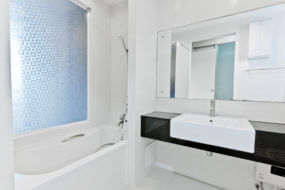
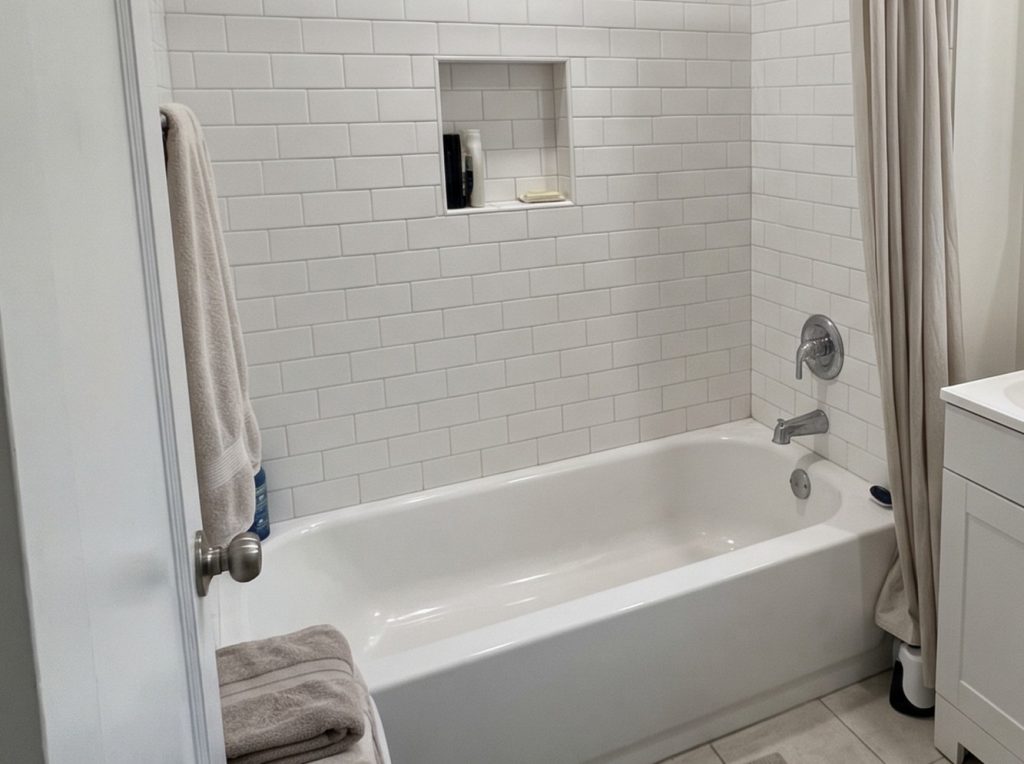
Alcove tubs fit snugly into a three-wall recess and remain the most common choice for family bathrooms and tub-shower combos. The tub unit runs $300 to $1,200. Since it usually connects to existing plumbing without moving walls, installation stays fast and affordable.
Acrylic bathtub liners ($1,700–$2,500 installed)
A liner is a custom-molded acrylic shell that fits directly over your old tub, avoiding demolition and haul-away fees. The shell costs $850 to $1,400, and installation takes about one day. Keep in mind that a liner only covers cosmetic wear; it will not fix rotted subfloors or hidden leaks underneath.
Drop-in acrylic tubs ($1,800–$3,500 installed)
Drop-in tubs sit inside a framed deck or tiled surround, leaving only the interior basin and top rim visible. You will spend $600 to $1,800 for the tub itself, plus the carpentry and tile work needed to build or finish the surrounding platform.
Freestanding acrylic tubs ($2,500–$6,000 installed)
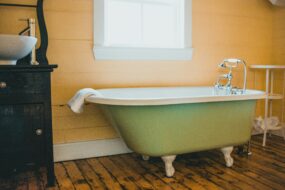
Freestanding models stand on their own as a visual centerpiece and come in slipper, pedestal, and flat-bottom shapes. Expect to pay $750 to $2,500 for the tub. Labor costs climb because contractors often have to reroute floor drains and install a floor-mounted tub filler.
Whirlpool and jetted acrylic tubs ($3,000–$8,000 installed)
Jetted tubs use built-in water pumps or air blowers for hydrotherapy. The unit costs $1,200 to $3,500, and your installer must run a dedicated ground-fault circuit interrupter (GFCI) electrical line and build a service access panel for the motor.
Pros and Cons of Acrylic Bathtubs
Acrylic is the most popular replacement tub material in the U.S. because it balances cost with everyday comfort. Still, it has clear trade-offs compared to heavier porcelain or stone options.
Pros
- Warm to the touch: Holds water heat longer than steel and never feels icy when you step in.
- Lightweight construction: Weighs 70 to 100 pounds empty, making upstairs installs easy without floor reinforcement.
- Easy to clean: Non-porous surface resists mold, mildew, and soap scum without harsh scrubbing.
- Repairable surface: Minor scratches and scuffs can be sanded and buffed out with polishing compound.
- Wide style selection: Vacuum-formed molds support deep soaking, alcove, corner, and freestanding shapes.
- Budget-friendly pricing: Costs far less upfront than cast iron, solid surface, or natural stone tubs.
Cons
- Prone to surface scratches: Softer than porcelain enamel; dropped razors, metal caddies, or pet nails leave marks.
- Sensitive to harsh chemicals: Acetone, bleach, and abrasive powders can dull or yellow the finish over time.
- Shorter lifespan than cast iron: Lasts 10 to 20 years on average, compared to 50 years for cast iron.
- Can flex if poorly installed: Thin shells feel spongy underfoot unless set in a solid mortar bed.
Acrylic vs. Other Bathtub Materials
Shoppers often confuse acrylic with fiberglass because both look glossy on a showroom floor. Fiberglass is made from woven glass strands coated in resin, while acrylic uses a solid, colored acrylic sheet reinforced with fiberglass backing. That thicker top layer makes acrylic noticeably stronger and longer lasting than other bathtub materials.
| Material | Unit Price Only | Empty Weight | Average Lifespan | Best For |
|---|---|---|---|---|
| Fiberglass | $200–$800 | 60–75 lbs | 10–15 years | Tight budgets and rental units |
| Enameled steel | $200–$1,200 | 80–120 lbs | 15–20 years | Low-cost, scratch-resistant alcove swaps |
| Acrylic | $300–$1,200+ | 70–100 lbs | 10–20+ years | Warmth, easy upkeep, and design variety |
| Cast iron | $600–$3,000 | 300–500 lbs | 50+ years | Forever homes and maximum durability |
| Solid surface | $1,400–$3,000 | 200–350 lbs | 30+ years | High-end modern bathrooms |
If you want the lowest upfront price for a guest bath, fiberglass or enameled steel works well. If you plan to stay in your home for decades and your subfloor can handle 300 to 500 pounds, cast iron wins on longevity. For everyone else, reinforced acrylic hits the sweet spot.
Factors That Affect Acrylic Bathtub Costs
Two acrylic tubs that look identical online can differ by $800 in price. Watch for these four cost drivers when comparing quotes:
- Acrylic thickness and reinforcement: Budget tubs use thinner acrylic sheets with light backing, while mid-range and premium models use thicker sheets backed by heavy fiberglass and resin. Thicker builds resist flexing and last closer to 20 years.
- Tub dimensions and depth: Standard 60-inch alcove tubs cost the least. Oversized 66- to 72-inch soaking tubs hold more water, cost more to ship, and often require a larger water heater to fill comfortably.
- Wall surrounds: Pairing a new tub with a matching three-piece acrylic wall surround adds $260 to $1,600 for materials, plus installation labor. Custom tile walls cost even more.
- Brand and warranty: Established brands like Kohler, American Standard, and Delta charge more upfront than store-brand units, but they back their shells with clearer 10-year to limited lifetime warranties.
Acrylic Bathtub Installation and Additional Costs
Base installation labor for a straightforward bathtub replacement runs $400 to $2,000, depending on local labor rates and how easily crews can access your bathroom. Because an acrylic tub weighs under 100 pounds, two installers can carry it upstairs without special equipment.
However, the tub and base labor rarely make up your entire invoice. Ask contractors to itemize these common add-ons:
- Old tub removal and disposal: Hauling away an old tub costs $150 to $750, with heavy cast-iron tubs sitting at the top of that range because crews must break them apart first.
- Plumbing and drain modifications: Moving supply lines, updating an old drain assembly, or installing a pressure-balanced valve adds $200 to $700 or more.
- New faucets and trim: A new spout, showerhead, and handle set costs $200 to $600 installed, or over $1,000 for a floor-mounted freestanding filler.
- Subfloor and wall repairs: Fixing water-damaged plywood or rotted framing uncovered during demolition adds $200 to $700 (and occasionally more if damage is widespread).
- Building permits: Moving plumbing or adding electrical circuits for a jetted tub typically requires local permits costing $50 to $250.
Always ask your installer if they set acrylic tubs in a mortar bed. Even the thickest acrylic floor can flex or squeak over time if it rests only on factory foam feet.
Maintenance and Lifespan
A well-built acrylic bathtub lasts 10 to 20 years, and heavily reinforced models installed on a full mortar bed can last 25 years or longer. Ongoing upkeep costs roughly $15 to $20 per year for gentle cleaning supplies.
Follow three simple habits to prevent dullness and yellowing:
- Use mild cleaners only: Wash the tub with dish soap, white vinegar diluted with water, or a non-abrasive bathroom spray using a soft cloth or sponge.
- Skip harsh chemicals and scrub pads: Never use scouring powders, steel wool, acetone, nail polish remover, or concentrated bleach, which strip the glossy finish.
- Buff out minor scuffs early: Light surface scratches can be smoothed away with fine-grit wet sandpaper and an automotive or marine polishing compound.
Tips for Saving Money
You can keep your bathtub replacement near the lower end of the price range without sacrificing quality:
- Keep the existing plumbing layout: Choosing a tub with the same drain location (left, right, or center) saves $500 or more in plumbing labor.
- Choose an acrylic wall surround over tile: A three-piece acrylic surround installs in a single day with no grout lines to seal, saving hundreds in tile labor.
- Invest in mid-grade reinforcement: Spending $200 extra on a thicker, fiberglass-backed acrylic tub prevents premature cracking and saves you from replacing the tub again in eight years.
- Get at least three itemized quotes: Compare bids from licensed local plumbers and bathroom remodelers so you can see exact line items for demo, haul-away, and wall prep.
Acrylic Bathtub FAQs
Ready to compare prices for your bathroom project? Connect with vetted bathroom remodeling pros near you.